REVIEW · CHIANG MAI
Chiang Mai Home Cooking Class with Garden Tour & Hotel Transfers
Book on Viator →Operated by Traveling Spoon · Bookable on Viator
Chiang Mai cooking stops can blur together, but this one has a strong point of view: it’s garden-to-table in a real home. You start with fresh ingredients from Pea’s lush garden, then learn the moves behind Thai-Chinese classics like miang kham, curries, stir-fries, and rice noodles. It’s also set up so you can choose a lunch or dinner slot that actually fits your day.
What I like most is the personal feel. You get hotel pickup and drop-off from centrally located areas, and the setup is described as private, so the instruction can stay focused on you and your questions. My second favorite part is what happens after cooking: you sit down at the family table and eat what you made, with local beer and a sweet finish. One consideration: because this is a home-based class with family-style pacing, the amount of prep work done by attendants can matter if you’re the type who wants every second hands-on.
In This Review
- Key highlights worth your time
- From your hotel to Pea’s teak home: the transfer that keeps the day easy
- The garden tour: herbs, fresh ingredients, and why it changes the cooking
- The hands-on cooking: four dishes from scratch, with coaching that sticks
- A note on hands-on time
- Eating your results: the family table, local beer, and a sweet finish
- Dietary options: what you can request and how to set yourself up
- Price and value: what $109 buys you beyond a fun afternoon
- Timing, expectations, and the few things to watch for
- Who should book this cooking class in Chiang Mai?
- Should you book it?
- FAQ
- FAQ
- How long is the Chiang Mai Home Cooking Class with Garden Tour?
- Do I get hotel pickup and drop-off?
- Can I choose a lunch or dinner time?
- How many dishes will I cook?
- Is the tour private?
- Do you offer dietary options like vegetarian or gluten-free?
- What will we eat after cooking?
- Is it possible to get a full refund if plans change?
Key highlights worth your time

- Hotel pickup and drop-off from centrally located Chiang Mai hotels, plus a short drive to Pea’s home
- Choose lunch or dinner, so you’re not forced into a timing mismatch
- Garden tour first, including Thai herbs and fresh ingredients straight from Pea’s property
- One private group with one-to-one attention while you cook four dishes from scratch
- Meal at the family table with local beer and a sweet ending
- Dietary options including vegetarian, vegan, pescatarian, and gluten-free with notice in advance
From your hotel to Pea’s teak home: the transfer that keeps the day easy
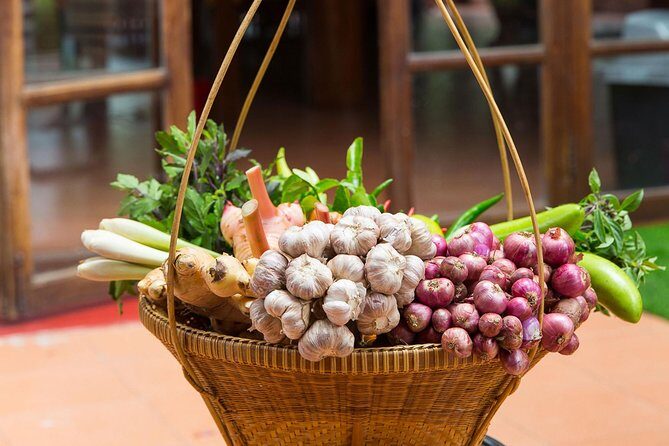
The biggest practical win here is the door-to-door start. You get hotel pickup and drop-off from centrally located Chiang Mai hotels, and the ride is described as a comfortable mini van handled by Pea’s son, John. That matters in Chiang Mai because it keeps you from spending your energy on negotiating transport or timing rickety rides while everyone’s hungry.
The drive is short—around 20 minutes from Chiang Mai—which helps you settle in quickly. You also have a choice between a lunch slot or a dinner slot, so you can match the class to your other plans (night markets, temples, massage time, or whatever you’ve got on your list).
This isn’t an open-ended tour either. The whole experience runs about 3 hours 30 minutes, so you’ll want to treat it like an anchor event: plan for an easy morning or a calm late afternoon. If you’re traveling with kids or you want a honeymoon-friendly activity that doesn’t feel like a production, this tight timing can be a gift.
You can also read our reviews of more cooking classes in Chiang Mai


The garden tour: herbs, fresh ingredients, and why it changes the cooking
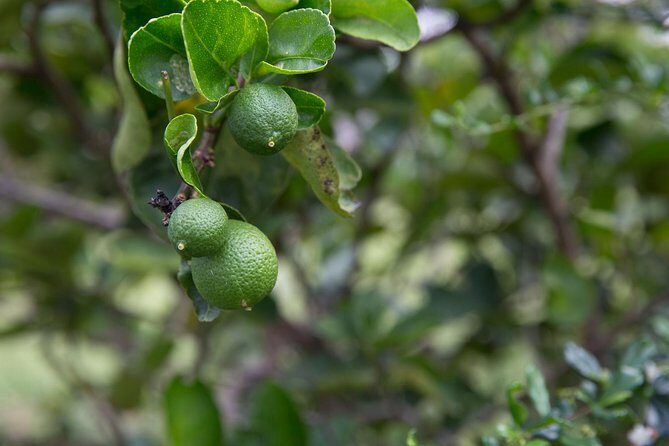
The class begins with a garden tour at Pea’s traditional teak home, surrounded by a growing mix of tropical plants. This is more than a nice walk. It’s the part that makes the recipes make sense later.
You’ll learn about essential Thai herbs, and you’ll see where the day’s ingredients are coming from before you touch a knife. That order matters. Instead of memorizing a list of items for a recipe you’ll never see again, you connect flavor to plant and plant to technique. It’s the difference between cooking from a page and cooking from a mental picture.
The class also uses organic ingredients and calls out rice or coconut oil. You don’t need to be a food scientist to appreciate this. Coconut oil changes the feel of curries and stir-fries; rice oil tends to keep flavors lighter. Knowing what oil is used gives you a better chance of replicating results at home, especially if your own pantry choices are limited.
And yes, the home setting helps. Reviews highlight how clear it felt when ingredients came right from the garden. It’s hard to fake that feeling in a restaurant demo kitchen.
The hands-on cooking: four dishes from scratch, with coaching that sticks
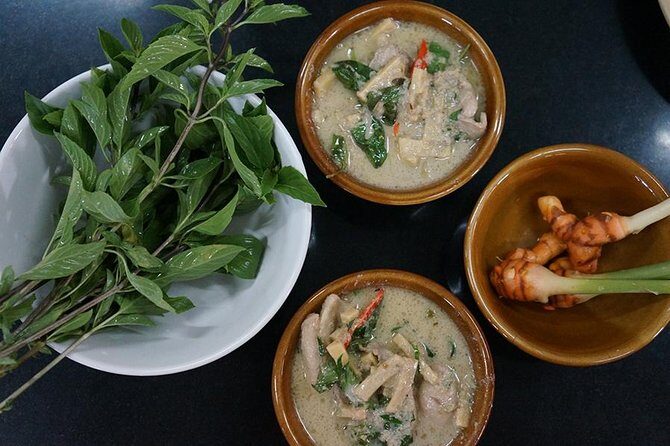
After the garden, you move into the kitchen work. The class prepares four dishes from scratch, guided by Pea. This is where the tour earns its reputation.
Pea is described as kind and welcoming, and the instruction comes through as clear and easy to follow. What I look for in cooking classes is not just “can I make the dish,” but “do I understand why it worked.” This type of class is built for that. You’re taught the tips and tricks that help you get the dish right at home—not just once, but more than once.
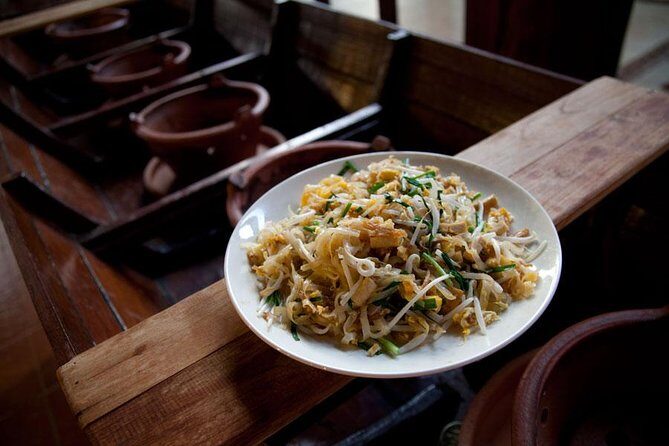
A few dishes are named as examples of what you might make. You’ll likely touch miang kham, which is a betel leaf snack, plus bold curries, stir-fried vegetables, and rice noodle dishes. Even if your exact menu shifts a bit with season or ingredient availability, the core skills stay the same: balancing curry flavor, managing heat for stir-fry, and building texture in noodle-based dishes.
One smart detail from a review: Pea even provided a grater that’s apparently hard to find in the UK, so you could try the recipes at home. That’s a small thing, but it signals something important: this class isn’t only about the meal that day. It’s about giving you tools to keep going after you fly home.
The class is private, and the experience is described as providing one-to-one attention. In practice, that means you can ask questions while you’re actively cooking, not after the fact. If you’ve ever struggled with Thai cooking at home—too salty, not enough fragrance, curry too thick or too thin—this is the kind of coaching that helps you diagnose the cause.
A note on hands-on time
One review mentioned that more time spent preparing ingredients by attendants would be preferred. Translation: some parts may involve prep that’s done in the background, like household pacing in a real home kitchen. If you want a fully uninterrupted hands-on chopping marathon, go in knowing the class is built to keep things moving smoothly, not to slow down for every task.
Eating your results: the family table, local beer, and a sweet finish
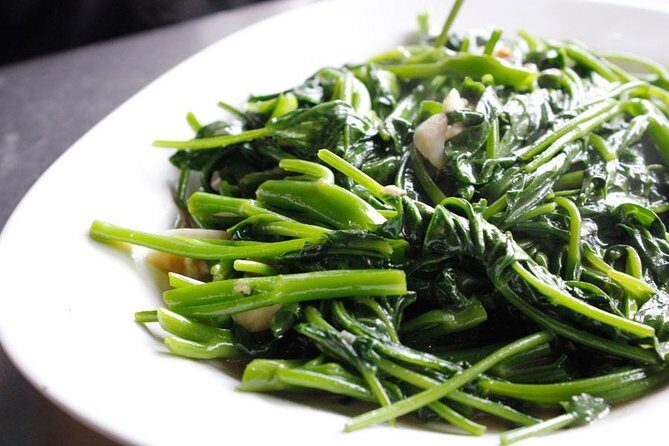
Once cooking wraps, you don’t get the quick-and-go restaurant treatment. You sit down at a family table and eat the dishes you made. Reviews emphasize how good the food was and how rewarding it felt to see the ingredients come from the garden.
You’ll also have local beer with the meal, according to the class description. It’s a nice touch because it turns the class into more of an experience than a demonstration. You’re not just learning flavors; you’re tasting them in a Thai-Chinese home setting.
For the sweet finish, the tour description points to options like mango sticky rice or creamy coconut ice cream. That matters because Thai sweets are often where first-time cooks get stuck: too sweet, wrong texture, or timing issues. Getting a proper ending gives you a full arc to remember.
The meal is one of the best parts of this experience because it helps you actually learn through feedback. You can taste and think: did I get the balance right? Did the curry paste punch through? Was the stir-fry crisp enough? That kind of sensory check is hard to replicate with takeout or cooking from a recipe video alone.
You can also read our reviews of more tours and experiences in Chiang Mai



Dietary options: what you can request and how to set yourself up
If you have dietary needs, this is one of the more flexible Chiang Mai cooking options in the data you provided.
The class states that vegetarian, pescatarian, vegan, and gluten-free options are available. The key line for you: if you have allergies or dietary restrictions, you should advise at time of booking. That’s not just polite wording. In a cooking class, ingredients are everywhere—pastes, oils, sauces, and garnishes—so advance notice is the difference between “hopefully okay” and “we can plan properly.”
So how should you think about it? If you’re booking vegan or gluten-free, consider this class a good fit because the structure already mentions those needs. Still, be clear. When you confirm your booking, spell out what you avoid and what’s okay. If you have a serious allergy, you want the provider to know early enough to adjust ingredients and methods.
It also helps that the cooking uses organic ingredients and rice or coconut oil, since those are often easier to adapt than mixed flour-based products. But again, confirmation matters.
Price and value: what $109 buys you beyond a fun afternoon
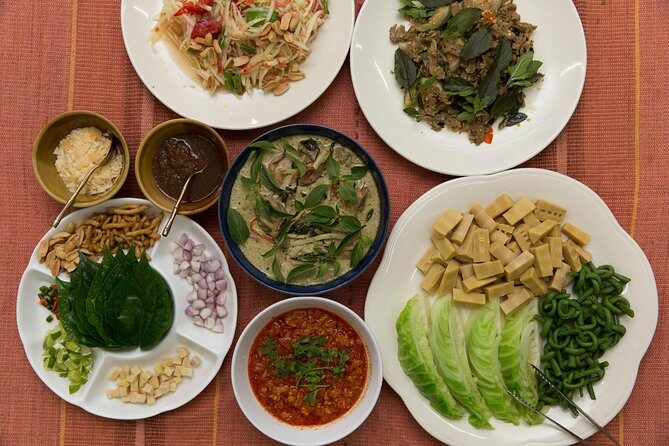
At $109 per person, this class is not the cheapest way to eat Thai food in Chiang Mai. But it can be strong value because you’re buying a bundle:
- A private cooking experience (described as one-to-one attention)
- Round-trip hotel transfers
- A garden tour and herb introduction
- Four dishes cooked from scratch
- The meal you make, plus local beer
- A home-based setting with an instructor-led approach by Pea
When a tour includes food, transport, and instruction, the price often starts to make more sense. Here, you’re also getting skills with you. The class explicitly focuses on professional tips and tricks so you can reproduce dishes at home. That’s hard to price, but it’s usually the reason people rate cooking classes highly.
There’s also a practical booking detail: the average booking window is about 42 days in advance, which suggests this isn’t a last-minute thing you should treat casually if your dates are fixed. You can also see mention of group discounts and a mobile ticket, both of which hint at a smoother experience once you’re booked.
If you’re deciding between a cooking class and another paid activity, I’d weigh this question: do you want to leave with a list of restaurant dishes to remember, or with techniques you can cook for years? This class is built for the second answer.
Timing, expectations, and the few things to watch for

This experience runs about 3 hours 30 minutes, and you can pick lunch or dinner. That’s simple. The tricky part is not the schedule; it’s what kind of learning style you prefer.
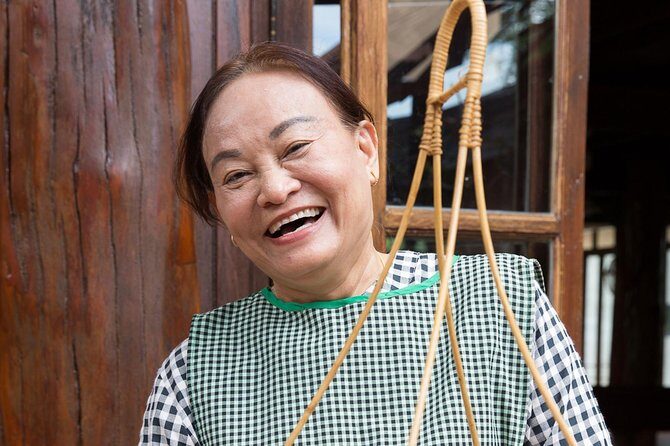
Based on the feedback patterns, you can expect warm hosting, clear guidance, and a focus on getting the dishes right. Reviews highlight that Pea and her son John are welcoming, and the class is described as personal. If you want a cooking session where someone watches your technique and adjusts it, you’re in the right place.
The only real caution I’d give you comes from two places:
- Prep pace: one review suggested more ingredient prep by attendants would be preferred. So if you need maximum hands-on chopping and mixing time, ask yourself whether this style will feel satisfying.
- Booking accuracy: one review raised a problem where the booking didn’t show in the provider’s records, which can happen when confirmations and references don’t line up. To protect yourself, keep your booking reference handy and double-check details after you book.
Also, pack for a home environment. Even when tours don’t explicitly say it, think: comfortable shoes, a light layer, and clothes you don’t mind smelling faintly like curry later.
Who should book this cooking class in Chiang Mai?
This is the kind of tour that fits well if you want food and culture tied together.
It’s a strong pick for:
- Couples wanting a romantic, family-table meal instead of another crowded restaurant
- Families (the class is described as suitable for children, and the shorter total duration helps)
- Anyone who wants garden-to-table context rather than just ordering dishes
- People who want Thai cuisine skills with a Northern Thai and Thai-Chinese flavor angle
- Diners who need vegetarian, vegan, pescatarian, or gluten-free options, with advance notice
It may be less ideal if your goal is a highly structured classroom where every minute is instructional with zero downtime. This is a home setup, guided by Pea and supported by John and family.
Should you book it?
If you want to cook real Thai-Chinese and Northern Thai favorites and then eat them where they were made, I think this one is a smart booking. The combination of garden tour, four dishes from scratch, and hotel transfers makes the experience feel complete, not like a half-day you rushed through.
Book it especially if you care about learning techniques you can repeat at home, not just collecting photos. And if you have dietary needs or allergies, book with confidence only after you clearly communicate them at booking time.
If you’re comfortable with a family-style kitchen pace, you’ll likely leave with the kind of confidence that lets you recreate dishes like curries, stir-fries, and noodle flavors without guessing.
FAQ
FAQ
How long is the Chiang Mai Home Cooking Class with Garden Tour?
The class runs for about 3 hours 30 minutes.
Do I get hotel pickup and drop-off?
Yes. The experience includes pickup and drop-off from centrally-located Chiang Mai hotels.
Can I choose a lunch or dinner time?
Yes. You can choose a lunch or dinner slot depending on your schedule.
How many dishes will I cook?
You will prepare four dishes from scratch with Pea’s guidance.
Is the tour private?
Yes. It’s described as a private tour/activity, and only your group will participate.
Do you offer dietary options like vegetarian or gluten-free?
Yes. Vegetarian, pescatarian, vegan, and gluten-free options are available. If you have allergies or restrictions, you should advise at booking.
What will we eat after cooking?
You’ll eat the meal you prepared at the dining table. The experience also includes local beer and a sweet treat such as mango sticky rice or creamy coconut ice cream.
Is it possible to get a full refund if plans change?
You can cancel for a full refund as long as you cancel at least 24 hours before the experience starts.