REVIEW · CHIANG MAI
From Chiang Mai: Kerchor Eco Elephant Park Tour
Book on GetYourGuide →Operated by Kerchor Elephant Eco Park · Bookable on GetYourGuide
Mud, baby elephants, and real care. That is the feel of a day at Kerchor Eco Elephant Park, where you watch elephants play and then meet them close during snack feeding and bathing. What I like most is the upfront talk about how the park keeps elephants safe and healthy, so you understand what you are seeing instead of just chasing photos.
Next, you get hands-on time: feeding favorites to baby elephants, walking with the herd, and spending time while they bathe and play in the water. Guides often go by short names like F or Fa, and they tend to explain how to interact calmly and respectfully—plus there is time for lots of photos without feeling rushed.
One possible drawback: the Thai meal can be a weak spot. A few guests describe lunch as basic (like rice with spring rolls), so if food is a big part of your day, plan to bring a snack you enjoy on the ride.
In This Review
- Key points to know before you go
- The drive out of Chiang Mai takes the edge off the waiting
- The Kerchor welcome: eco protection and elephant-safety talk
- Feeding baby elephants: close contact without the chaos
- Walking with elephants and watching mud-bath play
- Bathing one elephant in the flowing stream
- The Thai lunch finish: filling, but quality can vary
- Price and value: what $48 buys you in real time
- Who should book this, and who might not love it
- Before you go: what to bring and the behavior rules
- Should you book Kerchor Eco Elephant Park?
- FAQ
- How long is the Kerchor Eco Elephant Park tour?
- What does the tour cost?
- What activities do I do with the elephants?
- Is lunch included?
- What’s included in the tour price?
- Where is pickup in Chiang Mai?
- What should I bring and what’s not allowed?
Key points to know before you go
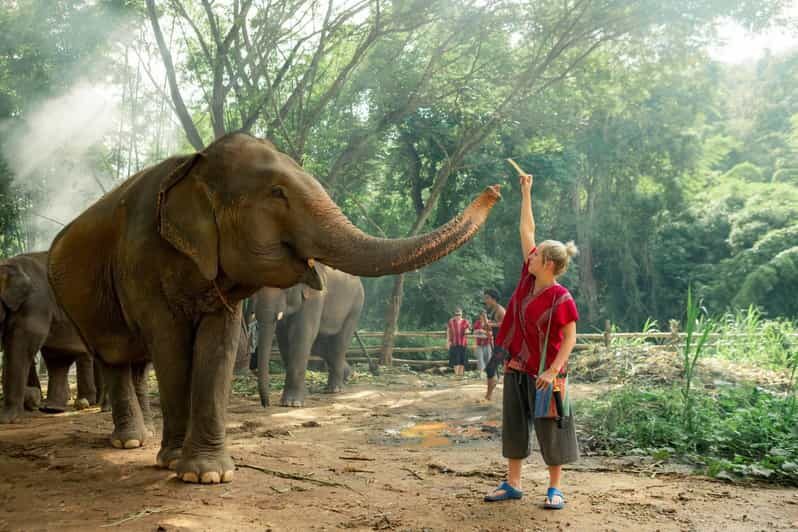
- A hands-on, close-up elephant day with feeding, walking, and bathing in flowing water
- Mud-bath entertainment as elephants play naturally with each other in muddy water
- Baby elephant time that adds an extra layer of cuteness and connection
- Eco-minded elephant care education with safety and health explained before you meet the animals
- A Thai lunch finish with drinks, though quality can vary
- Plan for a long transfer day since you’re heading about 1.5 hours out each way from Chiang Mai
The drive out of Chiang Mai takes the edge off the waiting
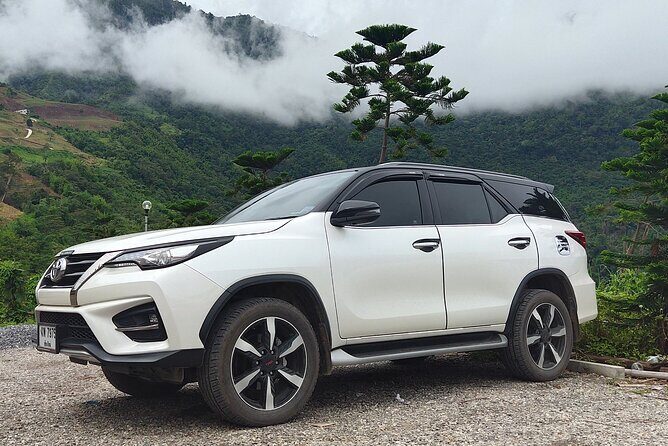
You start with pickup in Chiang Mai and then head out by van. Expect about 1.5 hours of travel each way, plus around 2.5 hours at the park, so the whole day runs about 330 minutes (a long but manageable half-day).
This matters because you’ll have time to get settled before you meet the elephants. If you’re sensitive to bumpy roads, bring a comfortable layer—some drivers describe the ride as a bit rough. If you’re the kind of person who hates being late, show up ready a little early at pickup, because at least one guest reported a late pickup.
Also check pickup coverage. If your hotel is outside the pickup zone, you may need to make your own way to the meeting point at the Tha Phae branch of McDonald’s near Tha Phae Gate. It’s easy, but it is not the same as being collected at your door.
You can also read our reviews of more tours and experiences in Chiang Mai.



The Kerchor welcome: eco protection and elephant-safety talk
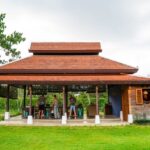
Before you touch elephant snacks or wade into the action, you get a presentation about how the park protects elephants and keeps them safe and healthy. That talk isn’t just a formality—it sets the rules for how you interact and what to watch for while the elephants are moving freely.
A strong detail here is that you can ask questions. One review specifically highlighted a veterinarian who could answer questions about elephant health. Even if your guide handles most of the explaining, that kind of medical knowledge is a reassuring layer when you’re about to get extremely close to an animal with real power.
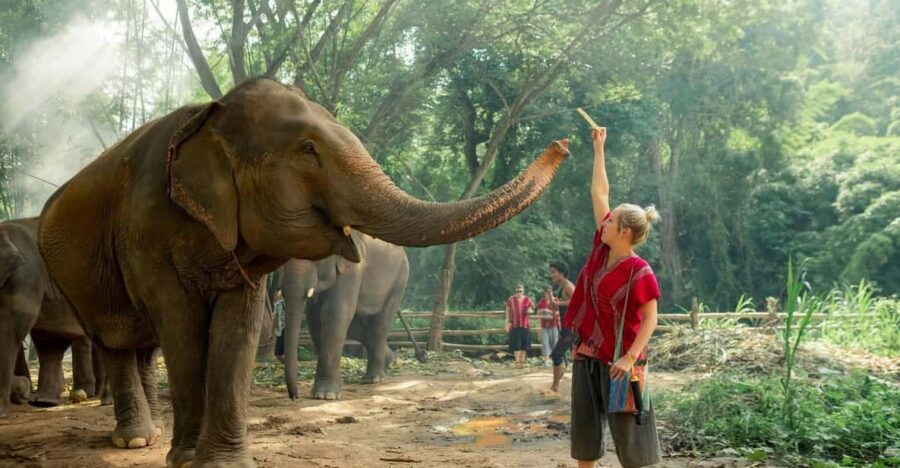
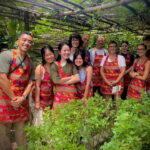
You also get tribal shirts for the activities. That is more than costume. It’s part of how the day connects to the local context around the park, including cultural storytelling—one guide named NamNam was praised for explaining Karen community culture and tradition, not just elephant facts.
Feeding baby elephants: close contact without the chaos
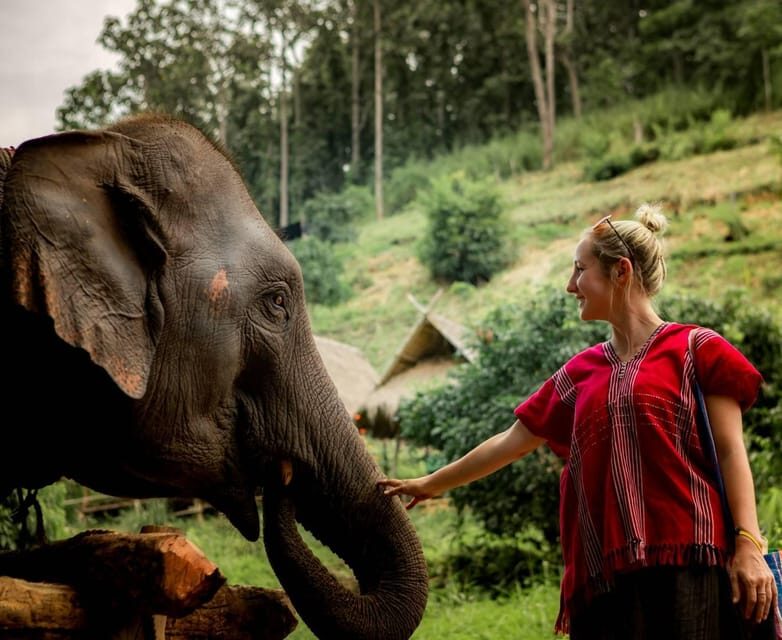
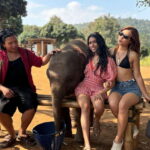
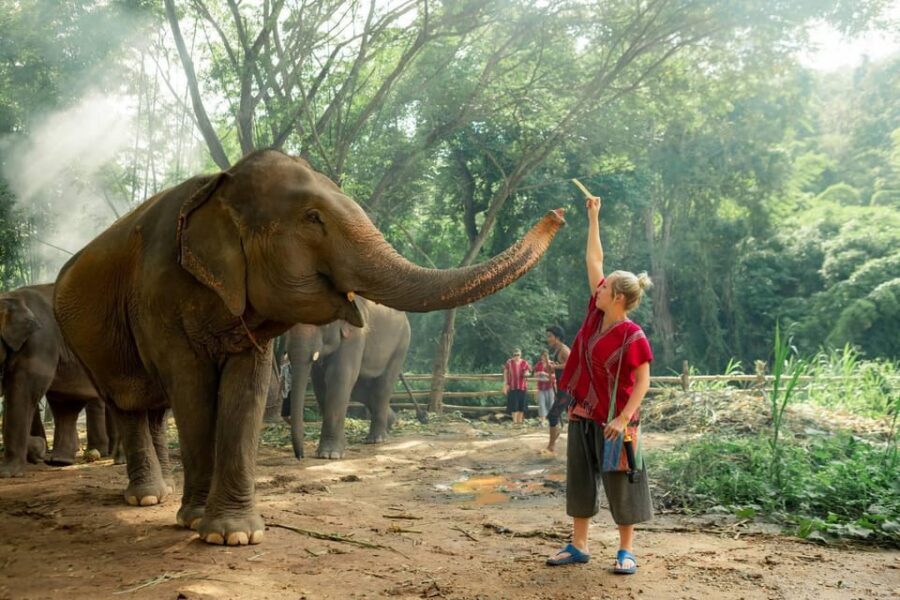
This is the part most people remember: meeting the elephants up close, taking photos, and then feeding them snacks. You’ll be given elephant food, and the interaction is structured so you can participate while caretakers keep things calm.
Two things stand out in the happiest feedback:
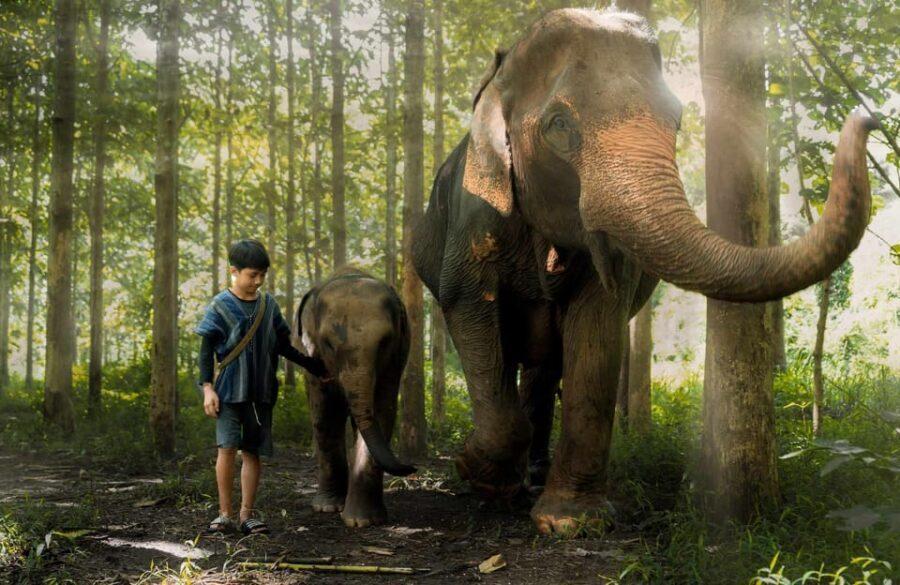
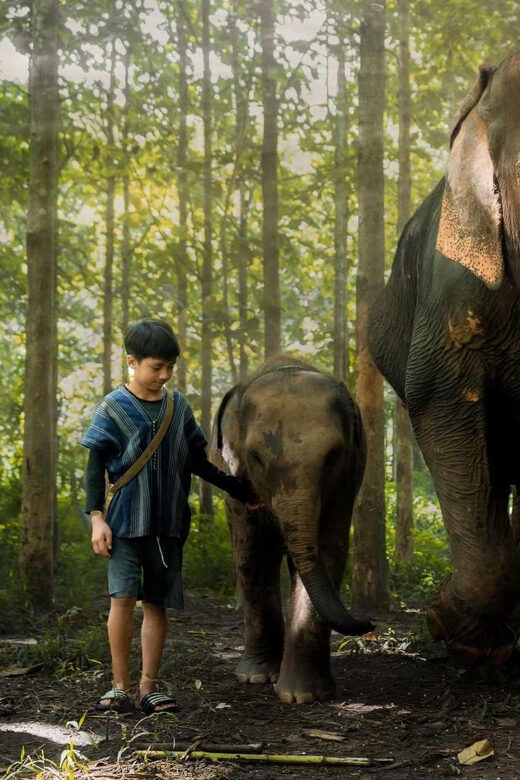
- You often get baby elephant time, which changes the vibe instantly. Smaller elephants are curious and playful, and they tend to make the interaction feel gentle even when it is physically close.
- The day usually includes guidance on how to behave. Guides like F and Fa are described as funny but informative, and they focus on keeping visitors safe while still letting you spend real time with the animals.
One caution: some guests note that the picture moments can involve a bit of line-style timing. That isn’t necessarily negative—it’s usually how staff manage flow—but if you hate waiting, aim for a relaxed mindset. The best way to get good photos here is to follow the guide’s pacing and stay patient while elephants move at their own speed.
Walking with elephants and watching mud-bath play
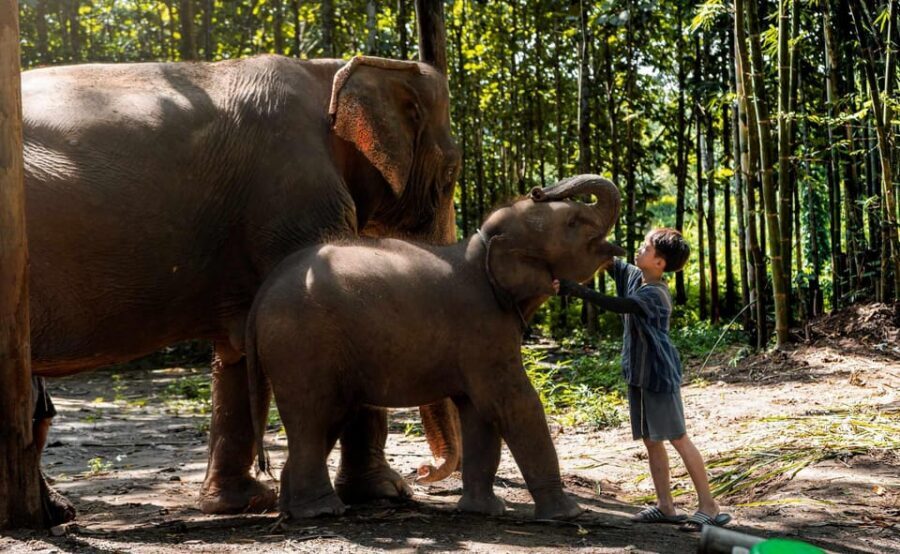
After the feeding, you’ll spend time walking with the elephants and watching them bathe, play, and explore. This is where the park feels different from the “look-but-don’t-touch” style encounters.
Here’s what I’d tell you to expect:
- You’ll see elephants comfortable in a natural setting, interacting with each other.
- Mud is part of the fun. One of the highlights people keep repeating is the joy of elephants playing with each other in muddy water.
- Your job is simple: keep moving when the group moves, follow staff cues, and don’t create extra noise.
Clothing matters more than you might think. The walk and water time can leave you dirty fast, so quick-dry fabric is worth it. Also, bring sandals you can trust in wet spots; slippery footwear can turn a memorable morning into an annoying one.
Bathing one elephant in the flowing stream
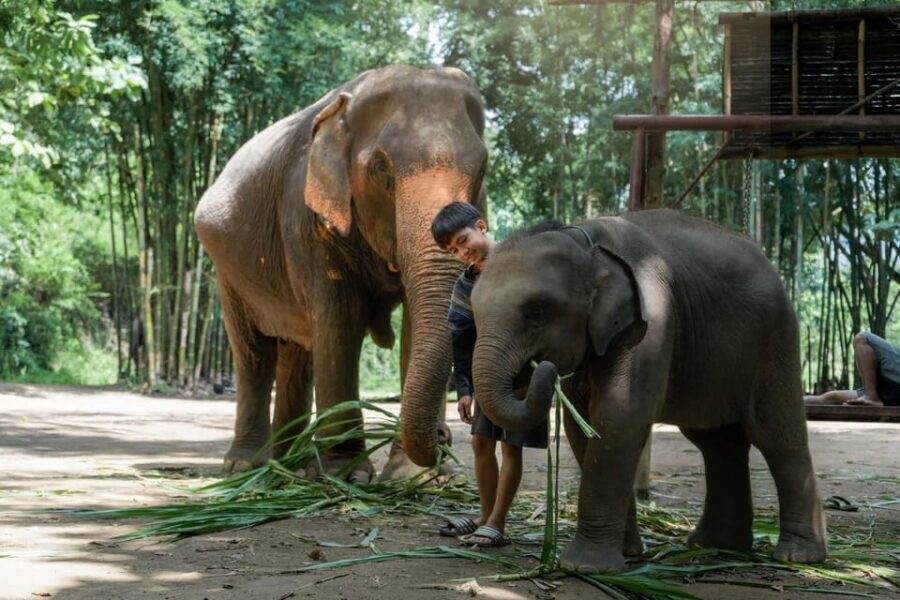
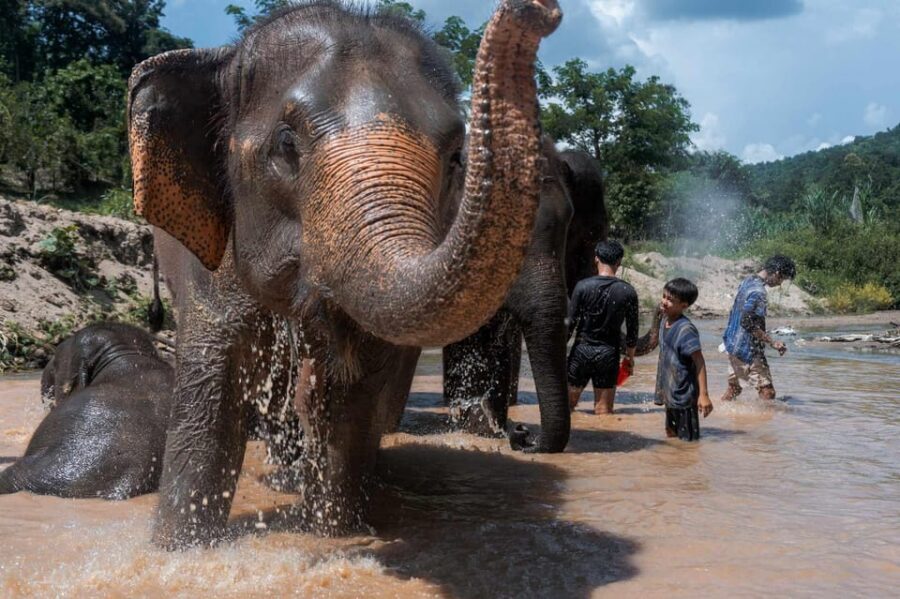
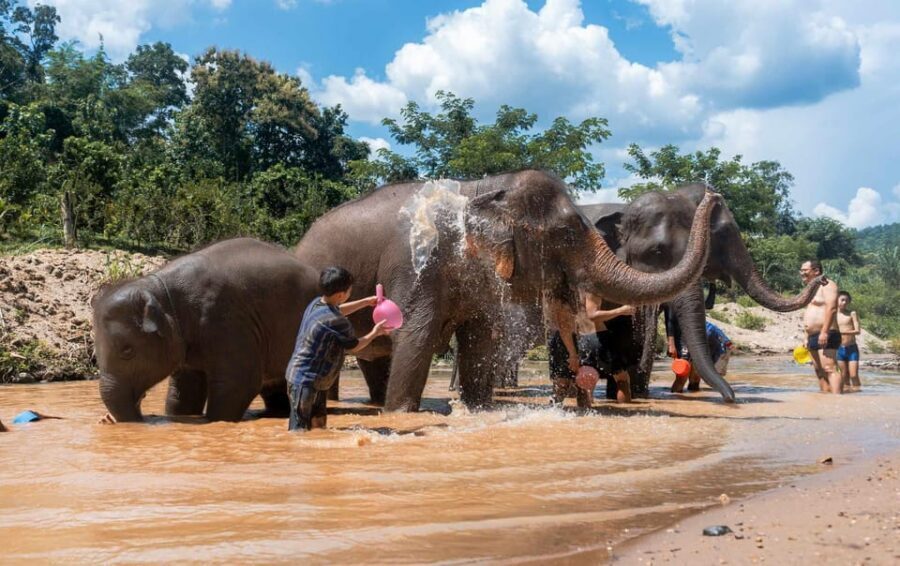
Yes, you can bathe an elephant—this is one of the headline experiences at Kerchor Eco Elephant Park. The wording and feedback suggest you’ll do this in a flowing stream setting, not a tiny pool. That means the experience feels more like the elephants’ world than a staged bath.
From a practical standpoint, treat this as a controlled, staff-led activity:
- You’ll likely have rules about when and how to approach.
- You should expect wet conditions right away, so have your towel ready and don’t wear anything you can’t afford to get ruined.
- Keep your noise level down. You’re told not to make noise, and honestly, it helps everyone—elephants stay calm and the staff can manage the flow safely.
And yes, the elephants can seem affectionate. Multiple reviews describe them as very friendly and trusting their caregivers, with some people even hinting at hugging-style closeness. Still, don’t count on predictable behavior. In a good ethical setting, you follow the animal, not the other way around.

The Thai lunch finish: filling, but quality can vary
After the elephant time, you get a Thai lunch with water, coffee, tea, and soft drinks included. This is a nice reset, especially because you’re likely to be muddy, tired, and hungry.
That said, lunch quality is the most common soft complaint:
- One guest called the vegan meal served as mostly white rice with spring rolls and described it as poor.
- Others simply said the meal was average.
So how do you handle this? Don’t plan your day around lunch being a highlight. Plan it as a functional meal after a very physical experience. If you’re picky, consider bringing a small snack you like for later, just in case the buffet style doesn’t hit your taste.
Price and value: what $48 buys you in real time
At $48 per person, this tour’s value depends on what you care about. If your priority is pure elephant watching from far away, you may feel it’s pricey. But if you want interaction—feeding, walking, and bathing—then $48 starts to make sense.
Here’s what you get that adds value beyond the animal time:
- Round-trip transportation from Chiang Mai (about three hours total driving time)
- A guided experience in English, Chinese, and Thai
- Elephant food included
- Tribal shirts for the activity portion
- A structured visit with education before you interact
- A Thai lunch with drinks
In other words, you are paying for time, logistics, and guided access to a park that presents itself as eco-friendly and focused on elephant welfare. The cost is also easier to justify because the day is long enough to feel complete, not like a quick stop squeezed between shopping and dinner plans.
Who should book this, and who might not love it
This is best for you if:
- You want a more active elephant encounter than just viewing from a distance.
- You like learning. The day includes an education component about elephant care and safety, plus Q&A opportunities.
- You are okay with muddy, wet conditions and dressing for it (towel, quick-dry clothes, sandals).
You might want to skip or choose a different option if:
- You hate water, mud, or anything that might get on your clothes.
- You’re very sensitive to food quality and hate the idea that lunch may be basic.
- You prefer a lighter, less hands-on day. This is not a passive experience.
The good news: the park experience is described as walk-and-bathe with direct interaction, so if that’s your dream format, Kerchor is a strong match.
Before you go: what to bring and the behavior rules
If you want the day to feel smooth instead of stressful, pack like you’re going to get wet and dirty.
Bring:
- A towel
- Sandals you can wear in wet areas
- Sunscreen
- Biodegradable insect repellent
- Quick-dry clothing
Also follow the rules. These are not optional “nice-to-haves”:
- No pets
- Don’t make noise
- Don’t make fire
Simple behavior helps keep elephants and people calm. And because the interaction is close, your attitude matters. Stay relaxed, follow your guide’s cues, and don’t try to rush the moment.
Should you book Kerchor Eco Elephant Park?
If you want a hands-on, emotionally memorable elephant day with feeding, walking, and an actual bathing moment, I think you’ll feel satisfied here. The education-first approach and the chance to learn about safe elephant care add weight to the experience beyond photo ops.
I’d book with two expectations in mind:
1) The elephant part is the main event and seems genuinely positive in how visitors describe the elephants’ comfort and interaction.
2) The lunch may not be a culinary win, so don’t build your day around it.
If that sounds like your style, book it and focus on the moments you can’t replicate elsewhere: baby elephant curiosity, mud-bath play, and that close, guided bathing experience.
FAQ
How long is the Kerchor Eco Elephant Park tour?
The tour duration is listed as 330 minutes.
What does the tour cost?
The price is $48 per person.
What activities do I do with the elephants?
You meet the elephants, take photos, feed them elephant food, walk with them, watch them bathe and play, and you can also bathe one elephant in the stream.
Is lunch included?
Yes. You’ll have a Thai lunch with water, coffee, tea, and soft drinks.
What’s included in the tour price?
Included are round-trip transportation from Chiang Mai, a visit to Kerchor Eco Elephant Park, tribal shirts for activities, and elephant food.
Where is pickup in Chiang Mai?
You’ll meet your driver in Chiang Mai. If your hotel is outside the pickup area, you must go to the meeting point at the Tha Phae branch of McDonald’s by yourself.
What should I bring and what’s not allowed?
Bring a towel, sandals, sunscreen, biodegradable insect repellent, and quick-dry clothing. Pets are not allowed, and you must not make noise or make fire.