REVIEW · CHIANG MAI
Chiang Mai Temples Visit Walking Tour with Ex-Monk Guide Part 2
Book on Viator →Operated by Chiang Mai City Temple Visit Walking Tour With Ex-Monk Tourist Guide (Part 1) · Bookable on Viator
Temple stories come alive on foot. You meet at Three Kings Monument for a walk led by ex-monk Katoon, and I love how his Buddhism explanations make the temple details click. I also like that admission is free at each stop, so your money stays in your pocket and your attention stays on the shrines. The one catch: it’s about 3.5 hours walking, and the tour needs good weather, plus bottled water isn’t included.
This is a small-group temple circuit capped at 20 people, and you’ll grab a mobile ticket before you go. The tour starts at 1:00 pm and finishes back at the same meeting spot—easy to plan around.
In This Review
- Key things you’ll notice on this Chiang Mai temple walk
- Meeting at Three Kings Monument: the easiest way to start
- Why an ex-monk guide (Katoon) changes how you see temples
- Stop 1: Three Kings Monument orientation and route setup
- Stop 2: Wat Chiang Man and the 1296 starting point
- Stop 3: Wat Pa Pao and the Tai Yai story of Lady Bua Lhai
- Stop 4: Wat Chiang Yuen and its Burmese colonial gate
- Stop 5: Wat Lok Molee and the Lanna wooden chanting hall
- How to get the most from the 3.5-hour route
- Price and value: is $25.92 worth it?
- Should you book this Chiang Mai Temples Walking Tour Part 2?
- FAQ
- What time does the tour start, and where do we meet?
- How long is the walking tour?
- Are temple admission fees included?
- What languages are offered for the guide?
- How many people are in a group?
- What if the weather is bad, or I need to cancel?
Key things you’ll notice on this Chiang Mai temple walk
- An ex-monk guide named Katoon: you’ll get temple explanations tied to real lived experience, not just memorized facts.
- Clear “what you’re seeing” context: designs, symbols, and practice get explained in plain language.
- Five major temple stops: classic Chiang Mai sites plus Lanna-style architecture and a Burmese gate.
- Free entry at each temple: you can focus on the experience without lining up for tickets.
- Lots of Q&A energy: the guide encourages questions and answers patiently.
- Family-friendly pacing: it works even when kids are in the group and questions keep coming.
Meeting at Three Kings Monument: the easiest way to start
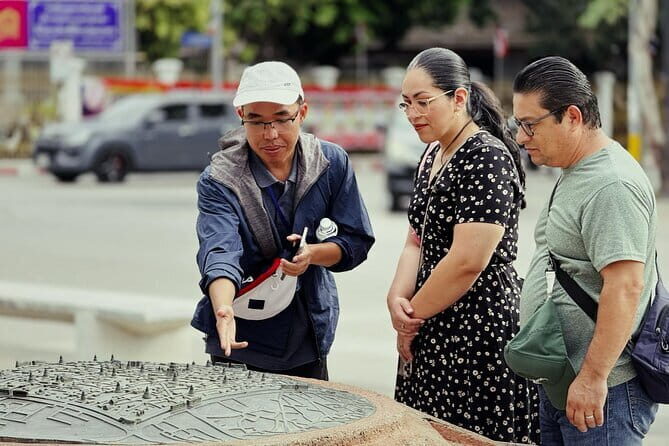
Your tour begins at Three Kings Monument, and that’s your first practical win: it’s a straightforward landmark meeting point, so you can get your bearings fast before you move. The guide uses the first minutes to set expectations and frame what you’ll see, which helps a lot on a temple route where everything looks “important,” but not everything is obvious at a glance.
You’re also starting in the early afternoon window (1:00 pm). That timing can be great because you still get a full stretch of daylight, but you may want a hat and sunscreen. The tour ends where it starts, which is convenient after a few hours of walking—no need to figure out your next transport step from a random corner.
This walk is built for small groups (up to 20), and that size matters. With fewer people, you’re more likely to hear explanations clearly and actually ask follow-up questions without feeling rushed. You’ll also see that the meeting spot works well for access to public transit, so you’re not stuck hunting for taxis.
You can also read our reviews of more walking tours in Chiang Mai
Why an ex-monk guide (Katoon) changes how you see temples
The main reason this tour feels different is the person leading it. Katoon is an ex-monk, and that shows in how he talks about Buddhism—not as a museum topic, but as something with practice, habits, and meaning. When you’re standing in front of a temple structure, it’s easy to admire the craftsmanship and move on. With this guide, you slow down because he gives you a way to understand what you’re looking at.
One of the most praised parts is the Q&A rhythm. Katoon answers questions and stays patient, even when the group includes kids or when people ask the kind of questions that don’t have a single correct answer. You’ll also hear guidance on how people “pray” in the Buddhist sense—how the action works and what it’s for. (It’s not framed like a Christian-style prayer moment; it’s explained as a practice tied to Buddhism.) That small clarification can transform the experience. Suddenly your visit is not just sightseeing; it becomes participation in a tradition, even if you’re visiting respectfully as a guest.
If you’re coming in with zero background in Buddhism, you’re still in the right place. The explanations are geared toward helping you understand the logic behind temples and rituals, not testing you on terminology. If you already know a bit, the guide’s answers can still give you deeper clarity—especially around why certain architectural features and temple customs matter.
Stop 1: Three Kings Monument orientation and route setup
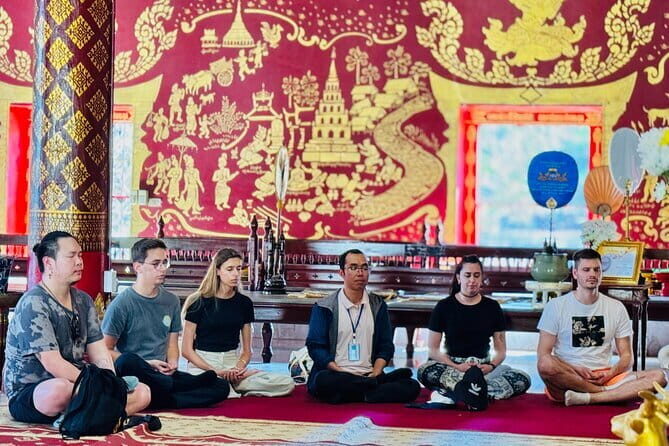
This is more than a meet-and-greet. The first stop sets the tone. You’ll get an intro from the guide before you head out, which helps you know what to watch for—like what to notice in temple layout, how to interpret key features, and what kinds of questions are worth asking as you go.
It’s only about 10 minutes here, so don’t treat it like a full history lecture. But I like this approach because it’s practical: you get a little context, then you move while the ideas are still fresh. Think of it as training wheels for temple understanding.
If you’re the type who hates feeling lost, this setup helps. You’re not just following along; you’re listening for details that the guide points out so you can recognize them when you reach each next temple.
Stop 2: Wat Chiang Man and the 1296 starting point
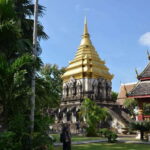
Wat Chiang Man is one of the oldest and most recognizable temples in Chiang Mai, and it has a great “anchor” date: it was built in 1296. When you’re on foot at a site like this, age becomes more than a number. It shapes the feeling of the space—like you’re stepping into a long timeline of worship, renovation, and tradition.
This stop lasts around 45 minutes, which is a solid amount of time for both photos and actual attention. The key value here is that the guide doesn’t just point at buildings. He explains why the temple matters and how it connects to the history of the city.
Practical tip: bring a little patience for the time you spend looking up and around. Temples reward that. A lot of the most interesting details—woodwork, carvings, and structural elements—aren’t always obvious at eye level. You’ll also get a better sense of how people interact with temple space, which makes the visit feel grounded instead of rushed.
Potential drawback at this stop: if you’re expecting a quick “see it, snap it, leave it” stop, you might feel like it runs a bit long. But if you want meaning and context, that longer time is the point.
Stop 3: Wat Pa Pao and the Tai Yai story of Lady Bua Lhai
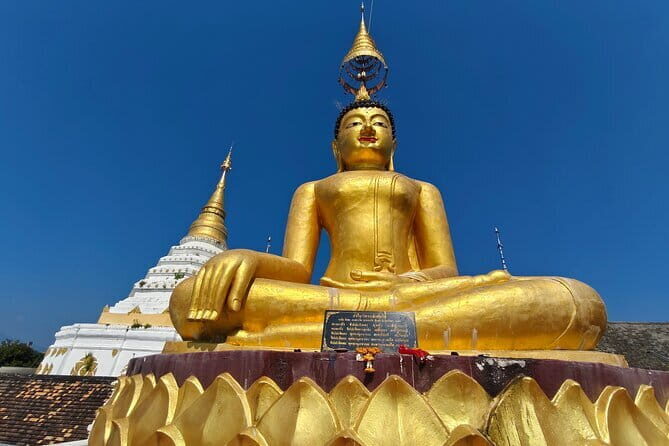
Wat Pa Pao is where the tour adds cultural depth beyond the usual “top temples” routine. It’s described as the first temple of the Ngiaw or Tai Yai in Chiang Mai, and that detail matters because it highlights that Chiang Mai’s Buddhist landscape includes multiple ethnic and historical threads.
This stop focuses on a temple constructed in 1883 during the reign of Prachao Intawichayont, built by Lady Bua Lhai, a Tai Yai concubine of the king. That’s a lot of names and dates—but the guide’s job is to translate it into something you can hold onto. You’re not just learning facts; you’re seeing how power, community, and devotion intersect in temple building.
You’ll spend around 30 minutes here. That’s enough time to appreciate what’s present without feeling dragged. If you’re the type who likes stories—who enjoys connecting people to places—this is a strong stop.
One consideration: because the context is historical and cultural, it helps if you stay attentive. If you’re halfway distracted by your phone camera, you may miss the meaning behind the features the guide points out.
You can also read our reviews of more guided tours in Chiang Mai




Stop 4: Wat Chiang Yuen and its Burmese colonial gate
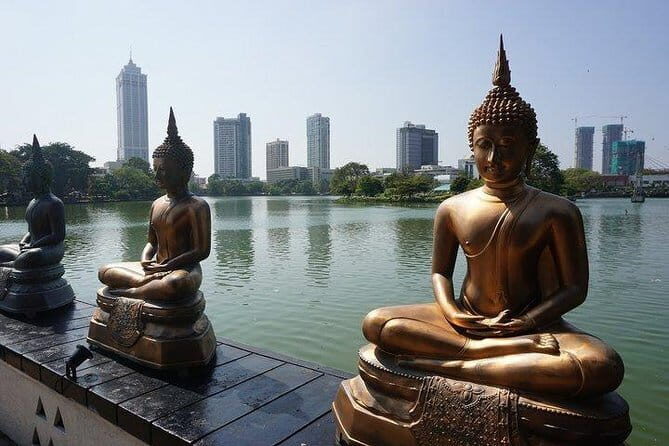
Wat Chiang Yuen brings a different architectural mood into the walk. What you’ll likely notice first is the ancient Burmese colonial gate, plus the presence of a beautiful pavilion. It’s a nice contrast after Wat Chiang Man and Wat Pa Pao, because it shows how Chiang Mai temples reflect regional influences rather than staying in one strict style.
This stop is about 30 minutes. With that timeframe, you get to see the gate and pavilion area and still have time to ask questions about what makes this site distinct. The guide also connects the temple to the Lanna kingdom’s role, which helps explain why it’s not just decorative—it has a social and spiritual function tied to the region’s story.
If you care about architecture, this is one of the more interesting stops. If architecture isn’t your main interest, the cultural explanation can still make the scene feel more meaningful than it would on a casual visit.
Quick practical note: gates and pavilion spaces can have bright, glare-heavy light. If you want photos, consider adjusting your timing within the stop—move a bit, find shade, then shoot. Your eyes will thank you.
Stop 5: Wat Lok Molee and the Lanna wooden chanting hall
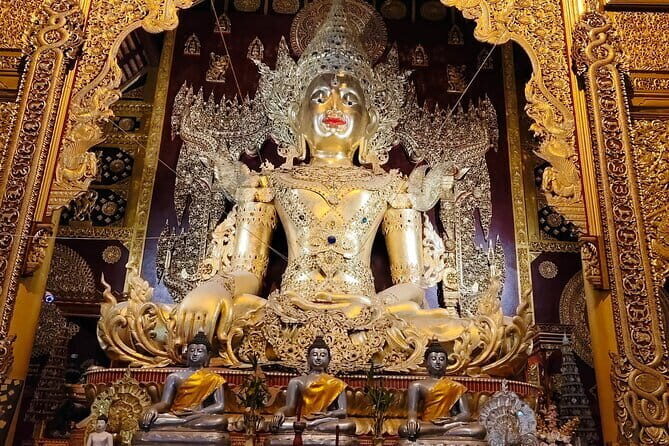
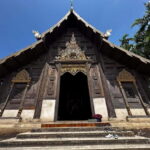
Wat Lok Molee is known for its wooden chanting hall with traditional Lanna architecture. This is the stop that often gives people a calmer feeling, because a wooden hall has a warmth to it that stone temples can’t always replicate. The chant hall theme also fits the spiritual purpose of your visit: it’s not only about seeing; it’s about understanding how worship happens in everyday practice.
You’ll spend around 45 minutes here, which is a little longer than some other stops. That extra time works because it gives you space to slow down, look at the structure, and absorb the meaning behind what a chanting hall represents in Buddhist community life.
Lanna architecture is a big part of why this stop feels “Chiang Mai.” The guide’s explanations help you recognize that the design isn’t random. Even if you don’t know the technical vocabulary, you can learn what to look for and why it’s there.
Potential drawback: because it can feel more serene, the end of the tour might sneak up on you. If you want extra time for photos, make sure you manage that within the stop so you’re not rushing right at the end.
How to get the most from the 3.5-hour route
This tour is about 3 hours 30 minutes, walking between five temple stops. That sounds simple, but the real comfort factor is pacing and your attention level. You’ll get the best experience if you treat it like a guided conversation while you walk—listen, look, ask, then look again.
A few practical ideas:
- Wear comfortable shoes. Temple sites can have uneven ground and you’ll be on your feet for a while.
- Plan for weather. The experience requires good weather, and if it’s poor, you may need a different date or a refund offer.
- Bring a layer. Even in Chiang Mai, afternoons can vary; temples also offer shaded areas where you may want something light.
- Expect questions. The guide encourages them, and asking is part of how you get value.
One more smart approach: keep your expectations flexible. Temples aren’t always quiet like a temple brochure. You may see ongoing practices, and the guide’s explanations will help you understand what you’re witnessing and how to stay respectful.
Price and value: is $25.92 worth it?
At $25.92 per person for roughly 3.5 hours, this tour is priced like a practical add-on—something you can fit into your Chiang Mai plan without blowing your budget. The value comes from what’s included: an English or Chinese-speaking guide with a TAT license, plus free admission at the temple stops listed on the route.
The part that makes the price feel fair is the guide. An ex-monk isn’t just a branding tag here; it’s the core of the experience. If you normally find temple visits confusing—too many buildings, too many symbols, not enough meaning—this tour helps you connect dots. You’re not paying extra for walking. You’re paying for interpretation, context, and Q&A time.
What’s not included is also worth noting. Bottled water isn’t provided, and any fees/taxes beyond what’s listed won’t be covered. So if you’re the type who drinks steadily during walks, grab water before you start.
Group size also supports value. With a maximum of 20 people, you’re more likely to hear explanations and have your questions answered without feeling buried in the crowd.
Should you book this Chiang Mai Temples Walking Tour Part 2?
I’d book it if you want more than photos and labels. If you enjoy learning how Buddhism is practiced—through respectful actions, temple spaces, and the meaning behind architectural details—this is a strong fit. The guide, Katoon, is the headline, and the consistent emphasis on patience and helpful answers matters. This tour also works well if you’re traveling with kids, since the explanations can be tailored to keep younger minds engaged.
Skip it only if you’re looking for a quick hit with minimal walking and minimal talking. A 3.5-hour walking route needs your participation. You’ll get the best results by listening, looking up, and asking at least a couple questions.
If you like your travel days to feel grounded and human—less checklist, more understanding—this is an excellent Chiang Mai temple experience to add to your schedule.
FAQ
What time does the tour start, and where do we meet?
The tour starts at 1:00 pm. You meet at Three Kings Monument (QXRP+3WX, Prapokklao Road area).
How long is the walking tour?
It runs for about 3 hours 30 minutes.
Are temple admission fees included?
Admission tickets are listed as free for the temple stops on this route. Bottled water is not included.
What languages are offered for the guide?
The guide can speak English or Chinese, and they hold a TAT license.
How many people are in a group?
The tour has a maximum group size of 20 travelers.
What if the weather is bad, or I need to cancel?
The tour requires good weather. If it’s canceled due to poor weather, you’ll be offered a different date or a full refund. You can cancel for free up to 24 hours in advance for a full refund.