REVIEW · CHIANG MAI
Chiang Mai Temples Visit Walking Tour with Ex-Monk Guide Part 1
Book on Viator →Operated by Chiang Mai City Temple Visit Walking Tour With Ex-Monk Tourist Guide (Part 1) · Bookable on Viator
Former monk talks Buddhism while you walk.
This Chiang Mai temple walking tour is interesting because you don’t just see ornate buildings—you get a clear, human explanation of Buddhism and why these places matter, led by a TAT-licensed guide who’s previously been a monk. I like two things most: the guide’s firsthand perspective on Buddhist teachings (not just dates and facts) and the fact that the stops feel close enough that the walking stays light. One consideration: entrance fees are not included for every temple on the route, so you’ll want a little cash ready for paid sites.
You’ll meet at Three Kings Monument and spend about 3 hours 30 minutes moving through the old city at a steady pace. With a small group size (up to 20) and a mobile ticket, it’s also an easy plan for a first or second day in Chiang Mai—especially if you want context before you wander on your own.
In This Review
- Key things to know before you go
- Why a former monk guide changes how you see Chiang Mai temples
- Price and value: what $25.96 covers (and what you may pay extra)
- Three Kings Monument: the meeting point that sets the tone
- Wat Sadeu Muang: the city pillar and why it anchors Chiang Mai
- Wat Phra Singh: 14th-century artistry, mosaics, and the Lion Buddha statue
- Wat Phan Tao: a teakwood Lanna ordination hall you can actually appreciate
- Wat Chedi Luang: the largest stupa in Chiang Mai and the Lanna details up close
- Getting the most from the walking route (without hurrying)
- Who should book this temple tour in Chiang Mai?
- Should you book this Chiang Mai Temples Visit Walking Tour Part 1?
- FAQ
- Is the Chiang Mai temple tour good for beginners to Buddhism?
- How long is the walk from start to finish?
- Where does the tour start?
- Are temple entrance fees included?
- How big is the group?
- What languages are the guides?
- What happens if the weather is bad?
Key things to know before you go
- Ex-monk guide for Buddhism context: you’ll hear practical explanations of what you’re seeing and why it’s done.
- Light walking, not a marathon: the route stays compact, so you’re mostly strolling between major sites.
- Some entrances aren’t included: plan for added tickets at certain temples on the itinerary.
- Small group vibe (max 20): you’ll get more chances to ask questions than on big bus tours.
- English or Chinese-speaking guide: confirm which language you prefer when booking.
- Ends back where you started: you can keep the rest of your day flexible after the tour.
Why a former monk guide changes how you see Chiang Mai temples
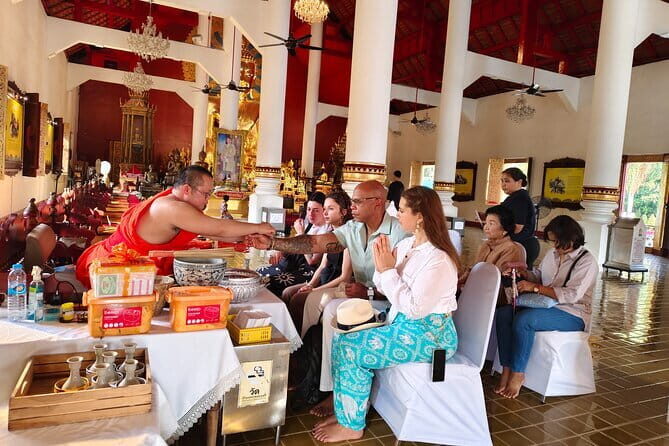
A regular temple visit can feel like sightseeing: pretty walls, gold details, and a lot of staring upward. This tour works differently because the guide brings lived experience of Buddhist practice. One of the strongest themes I picked up from what people emphasized is how the explanations connect temples to the basics—origins, precepts, and the meaning behind common features.
That matters at stops like Wat Phra Singh and Wat Chedi Luang, where you can easily miss the “point” if you’re only looking at architecture. With an ex-monk guide, you learn to notice things with purpose: the layout, the symbolism, and how worship and devotion are expressed in place.
There’s also a practical side. When you understand what a temple is for, you waste less time guessing. You can look around with confidence instead of feeling like you’re walking through a museum without the labels.
You can also read our reviews of more walking tours in Chiang Mai
Price and value: what $25.96 covers (and what you may pay extra)
At $25.96 per person for roughly 3.5 hours, you’re paying mainly for a guide, structure, and context—plus the fact that the itinerary focuses on major old-city sites rather than random stops. That’s the value in this format: you get a reason to be in each spot, not just a list of names.
What’s not included is entrance fee(s). From the tour details, tickets are not included for Wat Phra Singh and Wat Chedi Luang. The other stops on the route are listed as free admission, which helps keep the overall cost predictable. Still, I’d treat this as: tour cost covers the guiding; temple fees may add a bit depending on what you enter.
If you’re traveling with a tight budget, I’d bring cash just in case. It’s a small habit that keeps you from slowing the group down later.
Three Kings Monument: the meeting point that sets the tone
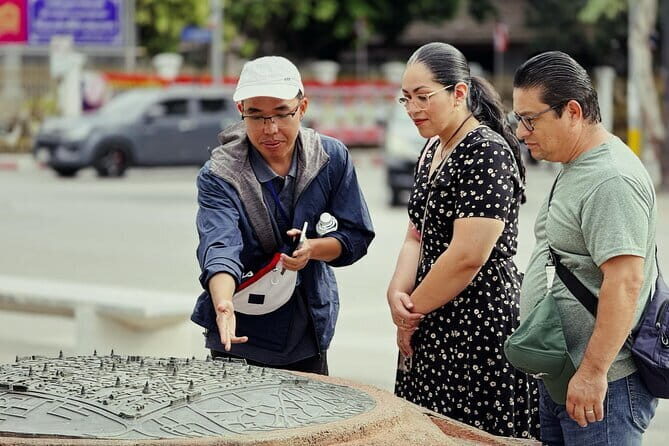
Your tour starts at Three Kings Monument on Prapokklao Road. This isn’t just a handoff spot—it’s where the guide gives you the intro before you walk. That short briefing is more useful than it sounds. It helps you understand what the route is building toward, so the first temple doesn’t feel like a random stop.
Also, since the meeting point is listed as near public transportation, you can plan arrival without stress. I like tours that don’t punish you for being off by 10 minutes, and the small-group setup here generally makes it easier to regroup fast.
Wat Sadeu Muang: the city pillar and why it anchors Chiang Mai
The first temple stop is Wat Sadeu Muang, specifically connected to the Inthakhin temple, where the city’s pillar was originally placed. This kind of stop is a smart choice for travelers who like cultural “roots.” You’re not just seeing a pretty hall; you’re getting a story about how Chiang Mai was envisioned and organized.
Why it’s worth 30 minutes: it gives context for the rest of the day. City pillars and local sacred centers often explain the “why” behind later temples—who built what, and how spiritual life ties to the identity of the place.
If you’re the type who always wants the backstory, this is where you’ll feel it clicking.
Wat Phra Singh: 14th-century artistry, mosaics, and the Lion Buddha statue
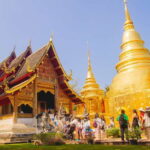
Next up is Wat Phra Singh, one of Chiang Mai’s best-known temples. The standout details in the tour description are exactly the ones you’ll want to watch for: its 14th-century origins, a mosaic-inlaid sanctuary, a large Lion Buddha statue, and a gilded pagoda structure.
One practical tip: this is also where you should expect extra cost, because admission is marked not included. If you’re planning your budget, make this the “likely paid stop” in your mind.
What makes it engaging in a guided walking format is that you can learn how these elements function together. Instead of just taking photos of gold surfaces, you can connect the ornaments and statues to the temple’s spiritual message. I also like that the group time here is 45 minutes, so it’s not a rushed glance.
You can also read our reviews of more guided tours in Chiang Mai




Wat Phan Tao: a teakwood Lanna ordination hall you can actually appreciate
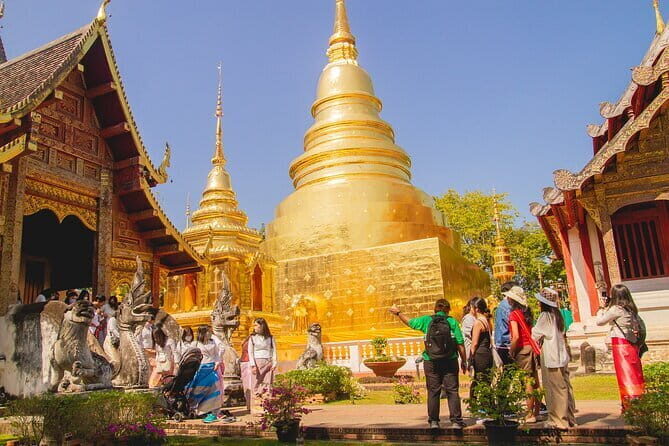
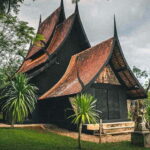
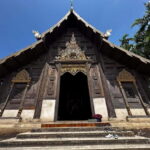
At Wat Phan Tao, the star is the Lanna-style ordination hall (Wihan) made of teakwood. The tour also points out an important historical angle: this hall served as a throne hall during the reign of King Mahotara Prateth.
This is one of those stops where a guide’s explanation can turn wood beams into meaning. Teakwood isn’t just a material; in this context, it’s part of a temple identity shaped by local craft and royal-era use.
Admission is listed as free, so this is a nice balance after the paid complexity of the earlier major temple. You’ll get about 30 minutes, which is enough time to look slowly without the pressure of “move on quickly.”
If you’re interested in how Thai and Lanna design show up in daily religious life, this stop is a solid mid-route reset.
Wat Chedi Luang: the largest stupa in Chiang Mai and the Lanna details up close
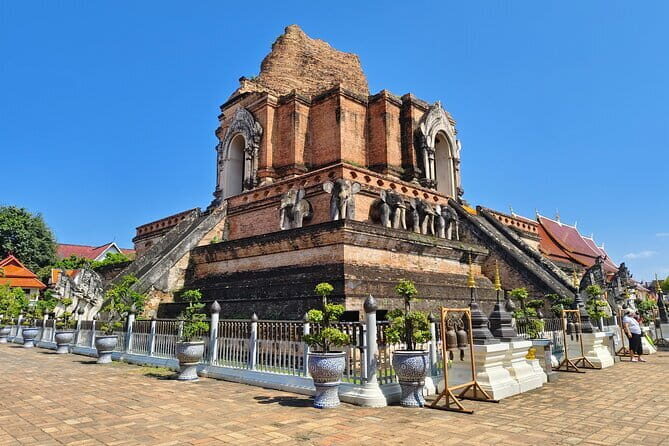
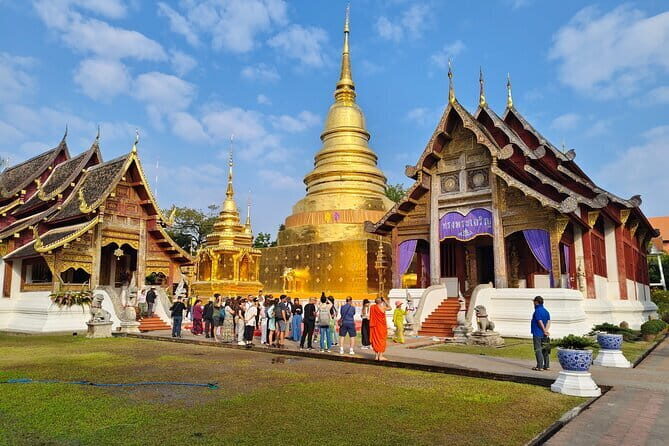
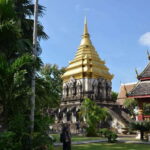
The final temple on the itinerary is Wat Chedi Luang Varavihara, and it’s hard to miss why it’s famous: it has the largest stupa in Chiang Mai. The tour also stresses the walking compound experience—where you can see Lanna-style design up close as you move around.
This is another not included admission stop, so again, budget for temple tickets. The time here is 45 minutes, which helps. Big temple compounds deserve time. If you’re only there for 10 minutes, you’ll end up sprinting for the main viewpoint and missing the smaller design work that makes Lanna style feel distinct.
What I like about this end-of-tour pacing: you end with scale and symbolism. Earlier stops build the cultural and spiritual framework; this one lets you feel it in brick, stupa mass, and intricate patterns.
Getting the most from the walking route (without hurrying)
The entire tour runs about 3 hours 30 minutes, which is a comfortable length for an old city loop. The route is designed for walking and the stops are close enough that the walking should feel light rather than exhausting.
Here’s how I’d plan your day around it:
- Wear comfortable shoes. You’ll be on your feet for most of the 3.5 hours.
- Bring a small layer for mornings. Temple spaces can feel cooler in the shade, and you may appreciate an extra layer once the sun rises.
- If you care about photos, know that guides here often help with framing and timing. People specifically highlighted that the guide takes very good photos, so ask if you want help getting a clean shot without awkward angles.
The group size matters too. With a maximum of 20 travelers, the tour generally stays manageable. And on some days, it can even feel more personal, which is great if you want answers tailored to what you’re curious about.
Also note: this kind of experience requires good weather. If the day looks questionable, I’d keep your schedule flexible.
Who should book this temple tour in Chiang Mai?
This walking tour is a strong fit if you want more meaning than a quick temple checklist. It’s especially good for:
- First-time visitors who want Buddhism basics explained clearly before they explore on their own.
- Travelers who love history, but prefer it tied to real-world practice and symbolism.
- People who appreciate a calm, structured route through Chiang Mai’s old city rather than navigating alone.
It might be less ideal if you only want strict museum-style facts and nothing spiritual. The emphasis here is Buddhist understanding, and the guide’s ex-monk background shapes the tone.
If you’re doing Chiang Mai in parts, this being Part 1 also makes sense: you’ll get oriented, then you can decide what you want to repeat or expand later.
Should you book this Chiang Mai Temples Visit Walking Tour Part 1?
Yes—if your goal is to understand what you’re seeing, not just to tick off temples. The big win is the former monk perspective paired with a focused old-city walk. At $25.96 for about 3.5 hours, the guide time and the structured stops are the value, and the route is manageable for most people.
Before you go, plan for entrance fees at Wat Phra Singh and Wat Chedi Luang, because those aren’t included. If that’s fine with your budget, you’re set up for a day that feels thoughtful, not frantic.
One more smart move: when booking, try to request your guide by name if it’s offered in your confirmation. People highlighted the difference that a specific guide makes—especially for English explanations and for a friendly, patient pace.
FAQ
Is the Chiang Mai temple tour good for beginners to Buddhism?
Yes. The tour is designed to explain Buddhism in a guided way as you visit temples, including the ideas behind what you’re seeing. It also includes time at several important sites rather than just quick stops.
How long is the walk from start to finish?
The tour is about 3 hours 30 minutes (approx.). It ends back at the meeting point near Three Kings Monument.
Where does the tour start?
The tour starts at Three Kings Monument on Prapokklao Road in Chiang Mai. The guide meets you there and gives an introduction before walking.
Are temple entrance fees included?
Entrance fees are not included. Some temples on the route are listed as free admission, while others (not included) include Wat Phra Singh and Wat Chedi Luang Varavihara.
How big is the group?
The tour has a maximum of 20 travelers, which generally keeps it from feeling crowded and makes it easier to ask questions.
What languages are the guides?
The guide is listed as English or Chinese-speaking and is described as holding a TAT license.
What happens if the weather is bad?
This experience requires good weather. If it’s canceled due to poor weather, you’ll be offered a different date or a full refund.