REVIEW · CHIANG MAI
Chiang Mai: Morning Cooking Class with Market Visit
Book on GetYourGuide →Operated by Galangal Cooking Studio · Bookable on GetYourGuide
Thai cooking is easier when you start with real ingredients.
I love the flow: a local market first and then hands-on cooking right away. The class runs in clear, friendly English with an instructor (often listed as New/Nu) who shares practical tips you can actually use.
I also like that you get to pick herbs and vegetables from an organic garden and farm-style setting, not just watch it happen. And the PDF recipe book you receive at the end makes it feel like you’re learning a system, not just eating a meal.
One thing to plan for: hotel pickup can be time-sensitive, and the driver waits only about 5 minutes after the scheduled pickup time. If your hotel is outside the pickup zone, you may need to get to the market or cooking studio on your own.
In This Review
- Key highlights to look forward to
- Morning pickup to a real Chiang Mai market
- What the market teaches you (besides how to shop)
- Organic garden and farm picking: where ingredients get personal
- Galangal Cooking Studio: an air-conditioned kitchen with a lesson plan
- The heart of the class: cooking 6 Thai dishes your way
- Starter options: pick the salad or bite that fits your taste
- Main course choices: noodles, stir-fry, and basil-forward chicken
- Soup options: pick your hot-and-sour or coconut comfort
- Curry paste and curry types: where technique matters most
- Dessert: finish sweet, Thai-style
- Dietary needs: vegetarian, vegan, halal, and gluten-free support
- What you get to take home: PDF recipes that actually help
- Price and value: $41 for a full ingredient-to-plate morning
- Who this class is best for (and who might skip it)
- How to make the morning run smoothly
- Should you book this Chiang Mai cooking class?
- FAQ
- How long is the Chiang Mai morning cooking class?
- What’s included in the $41 per person price?
- Is there an extra visitor fee?
- What dishes will I cook?
- Are vegetarian, vegan, halal, or gluten-free options available?
- Do I need to eat before the class?
- What language is the instruction in?
- What do I need to bring?
- What are the rules on alcohol during the class?
Key highlights to look forward to
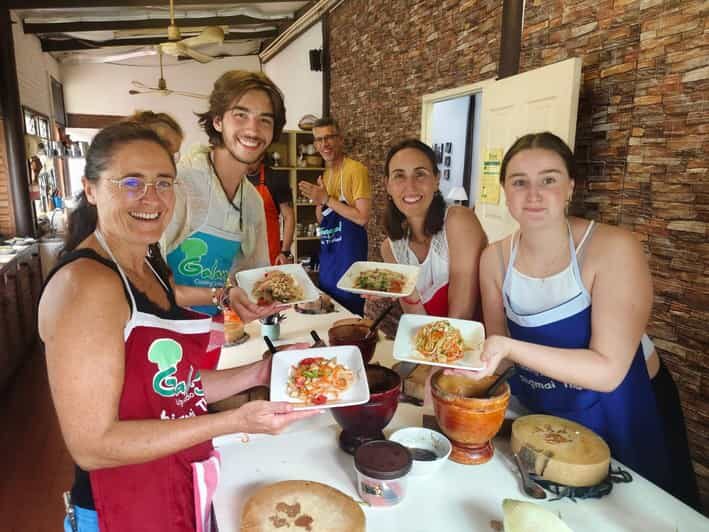
- Local market ingredient shopping with a real Thai shopping feel
- Organic garden + herb picking so you understand what you’re cooking with
- English instruction that works for beginners and experienced cooks alike
- Choose your dishes from starters, main plates, soups, curry types, and dessert
- Cook 6 dishes total, including curry paste, then eat your own cooking
- Take home PDF recipes so you can repeat the dishes later
Morning pickup to a real Chiang Mai market
Your day starts with hotel pickup in Chiang Mai, usually between 8:30 and 9:00 AM. You’ll want to be ready in the lobby about 5–10 minutes before your pickup window. The driver arrives before 9:00 AM, but they only wait around 5 minutes after the scheduled time, so don’t plan to grab breakfast first and then stroll out.
Pickup coverage is focused on the old city, Santitham, and the Huay Keaw road area up to Maya Shopping Mall. There are also some additional neighborhoods included (like parts of Nimmandhaemin, Sirimongkrajan, Wat Ket, Chang Pheuk, Changklan, and Changmoi), but some farther spots may not be included. The practical move is simple: share your accommodation address early and confirm whether it’s in the pickup area.
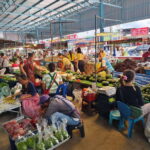
Once you’re in the group, the market stop is the moment the class earns its keep. Instead of being dropped into a kitchen and handed a shopping list, you get to see ingredients first. Thai cooking is built on aroma: herbs, dried spices, pastes, and fresh produce. Walking the stalls helps you recognize what you’ll use later, even when a dish looks familiar at home.
You can also read our reviews of more shopping tours in Chiang Mai
What the market teaches you (besides how to shop)
This experience isn’t just about buying food. The market gives you the “why” behind Thai flavor. You’ll look for fresh ingredients to match the dishes you choose—things like herbs for salads, noodles for stir-fries, and aromatics for curries and soups.
A tip I’d repeat to anyone: take a moment to notice what’s common across stalls. You’ll often see the same key herbs and aromatics showing up in different forms (fresh, dried, or ground). That pattern is exactly what makes Thai cooking feel less mysterious later.
One small but meaningful detail: the class includes a market tour depending on interest. In practice, that means if you like to shop and ask questions, lean into the market time. It’s also a good pace-setter—if the market isn’t your thing, you’ll still get value from seeing what the recipes depend on before you cook.
Organic garden and farm picking: where ingredients get personal
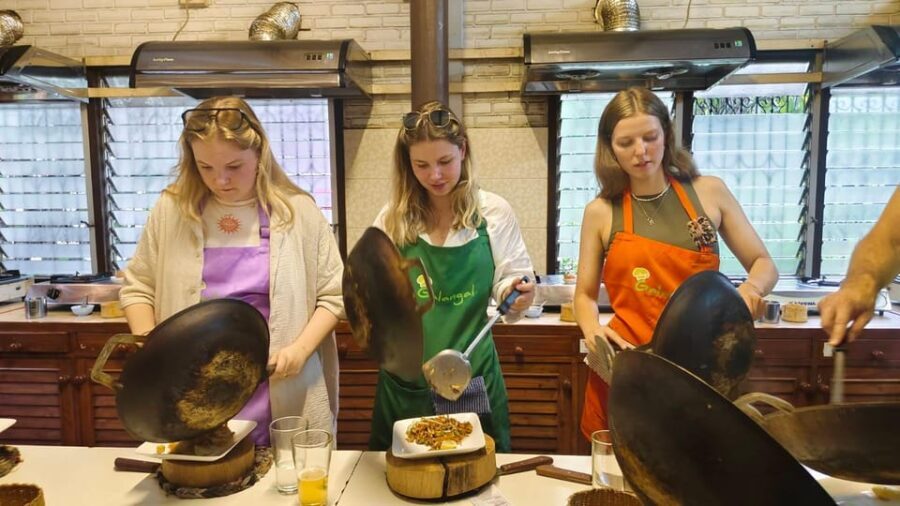
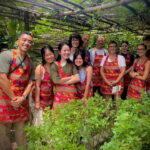
After the market, you shift from “shopping” mode to “growing” mode with an organic garden and farm exploration. Here, you’re not just picking herbs as a fun photo moment. You’re learning how vegetables and herbs are grown in Thailand, and you can choose ingredients you’ll use during your cooking class.
This stop is valuable for two reasons. First, it builds confidence when you’re cooking later: you can connect the herb in your hand to the flavor it produces. Second, it helps you understand what’s seasonal and what’s used often—so you don’t end up substituting blindly at home.
As for what you’ll do: you’ll explore the garden, learn about organic farming, and then pick herbs and ingredients. The class is structured for hands-on learning, not just sightseeing, and that makes the transition to the studio smoother.
Galangal Cooking Studio: an air-conditioned kitchen with a lesson plan
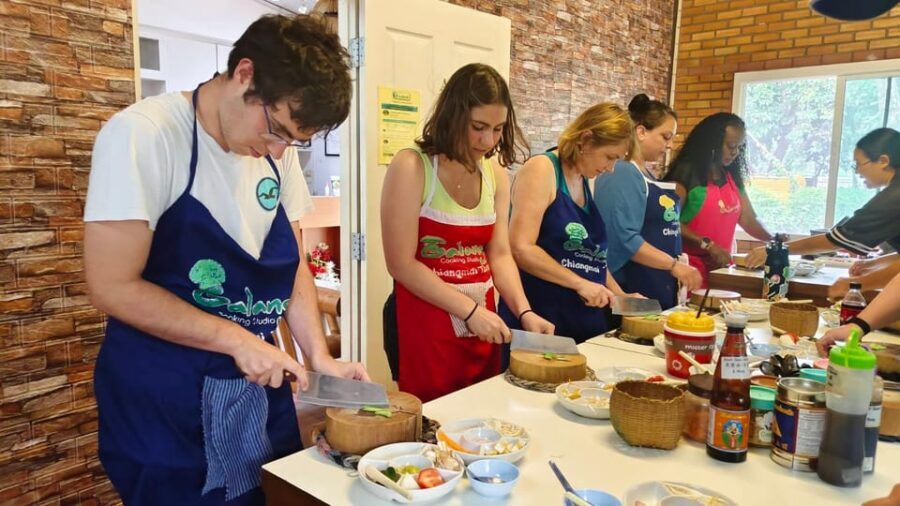
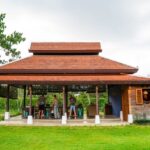
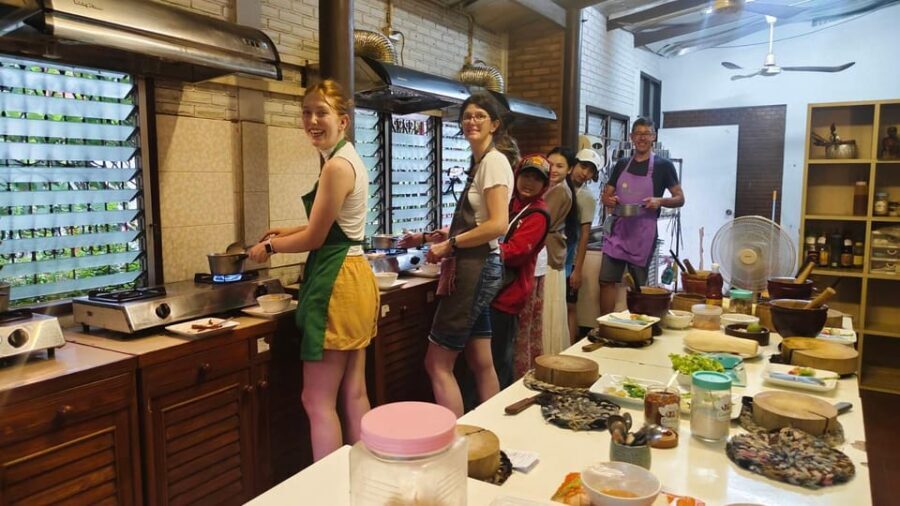
Then you arrive at the cooking studio to start the lesson. The dining area is indoor and air-conditioned, which matters in Chiang Mai because mornings can still feel warm. You’ll also get practical instruction from English-speaking staff.
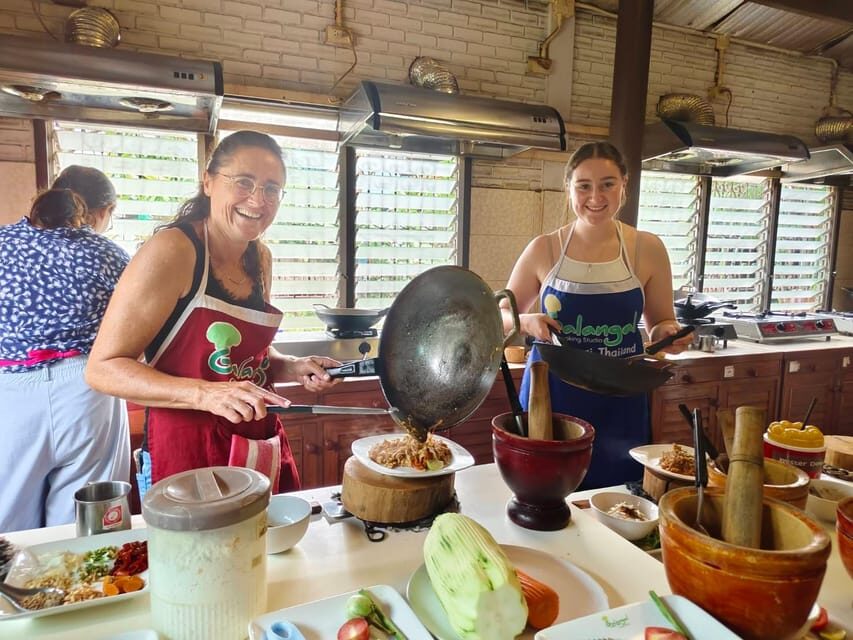
The kitchen setup is designed for a group lesson, but the teaching style is the point: you practice Thai cooking skills as you go. You don’t just follow steps blindly. You learn what each component is doing—especially in dishes like curry pastes and salads where the balance between sour, salty, sweet, and spicy is everything.
You’re cooking in a “stations + guidance” format: select your dish options (more on that next), then work through prep and cooking with the instructor’s step-by-step support. And because the class includes all ingredients and equipment, you don’t need to worry about bringing tools or figuring out what you’re missing.
The heart of the class: cooking 6 Thai dishes your way
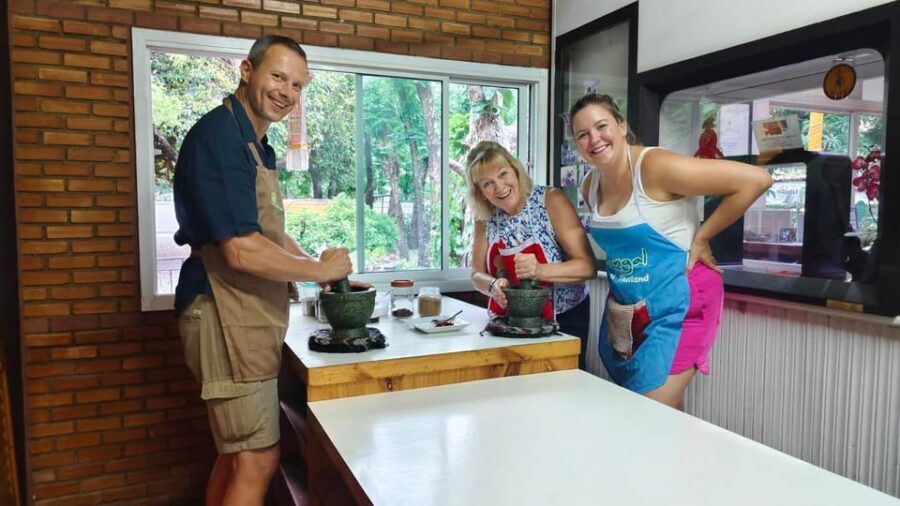
You’ll cook 6 dishes total, and you’ll be able to choose your menu from a set of options for different parts of the meal. The choices include an appetizer, a soup, stir-fried food, and a curry paste component, plus dessert after the main course.
You can also read our reviews of more tours and experiences in Chiang Mai


Starter options: pick the salad or bite that fits your taste
You can choose one starter from:
- Som Tam (papaya salad)
- Por Pia Thod (spring rolls)
- Larb Kai (chicken salad)
- Yam Woon Sen (glass noodle salad)
This is more than menu variety. These dishes teach different Thai flavor techniques. For example, som tam and larb are all about balancing fresh herbs and seasoning, while spring rolls are about texture and wrapping, and glass noodle salads lean toward aromatics and dressing.
Main course choices: noodles, stir-fry, and basil-forward chicken
For your main course, choose one:
- Pad Thai (Thai fried noodles)
- Pad See Ew (stir-fried chicken with fresh noodles)
- Kai Pad Med Mamuang Him Ma Pan (chicken with cashew nuts)
- Pad Kaphao Kai (minced chicken with holy basil)
I like that these mains cover different Thai “styles.” You’re not only learning one flavor lane. Pad Thai and pad see ew teach noodle handling and sauce timing. The cashew dish teaches how Thai-style stir-fries balance richness and crunch. The holy basil chicken is a fast lesson in using aromatic herbs for big flavor with minimal fuss.
Soup options: pick your hot-and-sour or coconut comfort
You can choose your soup:
- Tom Yum Kung (hot and sour prawn soup)
- Tom Kha Kai (chicken soup with coconut milk)
- Tom Kha Je (vegan coconut milk soup)
- Tom Zap Kai (hot and sour with chicken)
Tom yum styles are all about sharpening flavors: sour, salty, and spicy with a fragrant punch. Tom kha styles are softer and creamy, with coconut milk carrying herbs and aromatics. Either way, you’ll get a feel for how Thai soups build flavor layers.
Curry paste and curry types: where technique matters most
The class also includes curry, with multiple curry styles available:
- green, red, yellow, massaman, or Panang curry
You’ll learn the curry paste approach as part of the course. That matters because curry paste is the engine of flavor in Thai cooking. If you’ve ever had curry that tastes flat at home, the fix usually starts with how the paste is built and balanced.
Dessert: finish sweet, Thai-style
After the main course, dessert comes in the indoor dining room setting. You can choose between:
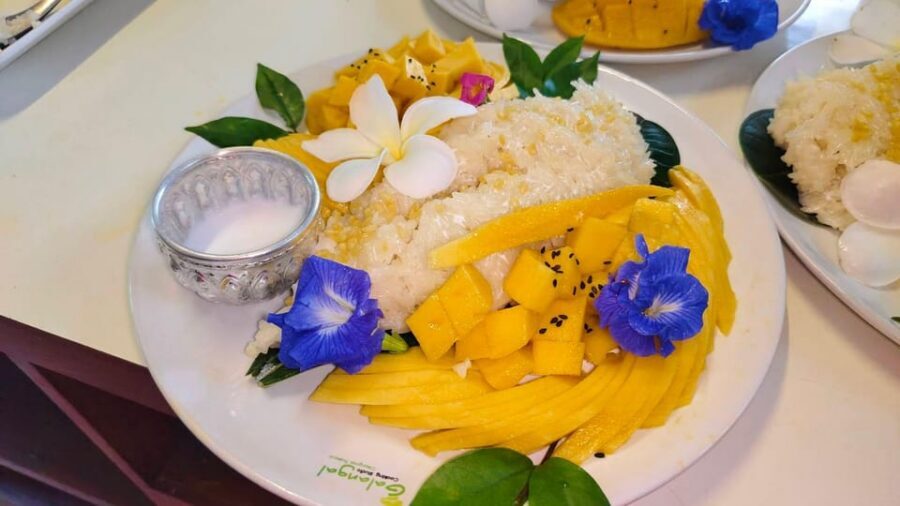
- mango sticky rice with ice cream
- Kuay Tod (fried banana)
Dessert is a nice closer because it shows how Thai sweets can be both simple and carefully made. Even if you only care about savory dishes, this part helps you understand the texture contrast Thai cuisine loves: warm and crisp paired with creamy or sticky sweetness.
Dietary needs: vegetarian, vegan, halal, and gluten-free support
If you have dietary restrictions, this class is designed to handle them. The options include support for vegan, vegetarian, halal, and gluten-free needs, plus allergy accommodations (as long as the allergy is communicated properly).
That flexibility is a big value point because it’s not an awkward “special request” situation. You’re selecting from structured dish options, and the staff can guide substitutions where needed.
If you’re gluten-free, pay attention to how sauces and noodle types are handled during your class. The ingredients are provided, so you can focus on technique while the team supports your needs.
What you get to take home: PDF recipes that actually help
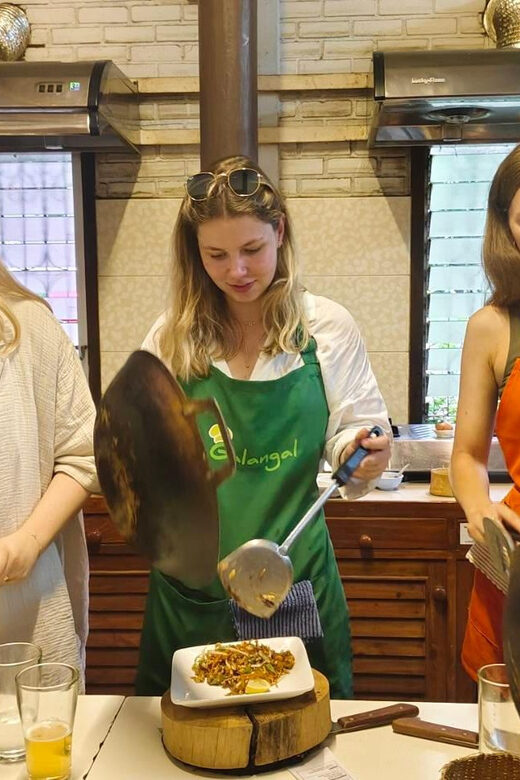
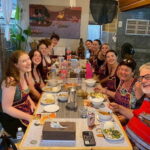
At the end, you eat what you made—so the day ends with a payoff, not just a cooking marathon. Then you receive a PDF recipe book you can use at home.
For me, the best part is that the PDF format lowers the barrier to repeat cooking. You can save it on your phone or tablet, follow along while you cook, and re-check steps if something feels different in your kitchen. And because you cooked 6 dishes, the PDF isn’t just a souvenir. It’s a set of recipes tied to a real practice session.
Price and value: $41 for a full ingredient-to-plate morning
The price is $41 per person for a 5-hour class, with hotel pickup and drop-off, staff instruction, water/tea/coffee, and all ingredients and equipment included. On paper, that can sound straightforward. In practice, it’s the bundle that makes it worthwhile: you’re paying for expertise plus the full “don’t-think-too-hard” setup.
There is one extra cost to plan for: a visitor fee is listed as 500 baht per adult and 350 baht per child (6–12 years), and it’s not included. Since the exact site fee context isn’t spelled out here, I’d treat it like a cash-on-hand item just in case. It’s the kind of add-on that can surprise you if you don’t look for it in advance.
If you compare this class to paying for ingredients plus cooking instruction separately, the pricing starts to make sense. You’re getting a market orientation, an organic garden learning segment, and then the kitchen time to produce a full meal with multiple components.
Who this class is best for (and who might skip it)
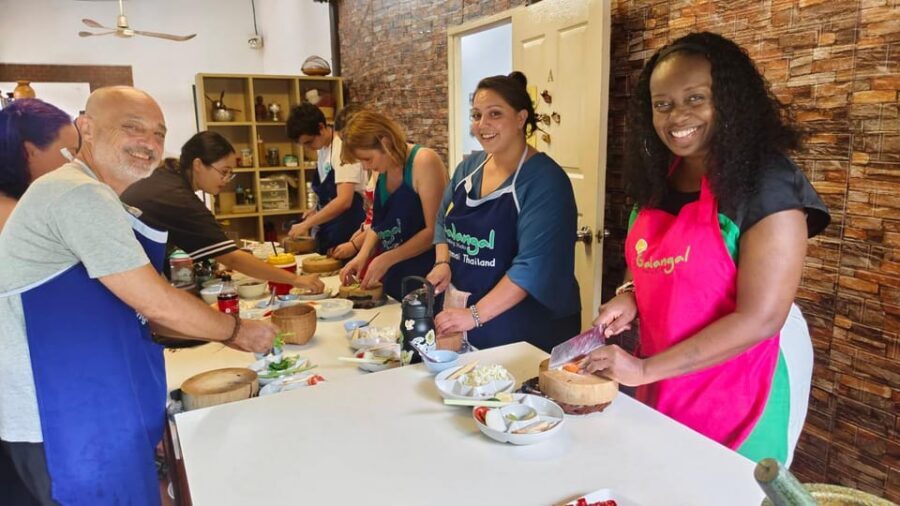
This is a strong fit if you want:
- a hands-on Thai cooking lesson, not a short demo
- clear English instruction
- to learn flavor logic by shopping for ingredients first
- to leave with recipes you can repeat later
It’s also a good option for beginners because the structure supports you from ingredient choices through cooking steps. If you already cook Thai at home, you may still enjoy the curry paste and sauce-building practice, especially since you’ll be guided through technique.
One possible reason to think twice: if you’re very short on time or you hate morning tours, the market + garden rhythm can feel like a lot. This day is built as a full experience, not a quick “learn one dish” stop.
How to make the morning run smoothly
Plan to come with an empty stomach. That’s part of how the day is set up—because you’ll be tasting and working through dishes, and you’ll finish by eating what you cooked.
Bring only what you need: personal medication is the only item specifically called out. And no alcohol and drugs are allowed.
For pickup, it helps to build buffer time. The driver wait time is short, and pickup points don’t cover every far-out area. If your hotel is outside the pickup network, you can still join by coming directly to the cooking studio (and you can also meet at the market on your own, depending on what they arrange for you).
Should you book this Chiang Mai cooking class?
I’d book it if you want a Thai cooking lesson that feels grounded in real ingredients. The combination of market shopping, organic herb picking, and cooking 6 dishes with English guidance is a solid use of time, especially at this price. The fact that you leave with PDF recipes seals the deal because you can recreate the results later.
I’d think twice only if you know you’ll struggle with an early start or you can’t be flexible about pickup timing. If you’re in the old city or nearby pickup zones, you’ll likely find the logistics simple. If you’re farther out, double-check your address coverage before the morning arrives.
If that sounds like you, this class is a very practical way to learn Thai cooking and bring home a menu you can actually cook.
FAQ
How long is the Chiang Mai morning cooking class?
The class runs for about 5 hours.
What’s included in the $41 per person price?
Included items are hotel pickup and drop-off, instruction from the expert staff, water, tea, and coffee, all ingredients and equipment for the class, and a PDF recipe book. A market tour is included depending on interest.
Is there an extra visitor fee?
Yes. A visitor adult fee of 500 baht per person and a visitor child fee of 350 baht per person (ages 6–12) are listed as not included.
What dishes will I cook?
You cook 6 dishes total. Your choices can include a starter (Som Tam, Por Pia Thod, Larb Kai, or Yam Woon Sen), a main (Pad Thai, Pad See Ew, Kai Pad Med Mamuang Him Ma Pan, or Pad Kaphao Kai), a soup (Tom Yum Kung, Tom Kha Kai, Tom Kha Je, or Tom Zap Kai), curry (green/red/yellow/massaman/Panang), and dessert (mango sticky rice with ice cream or fried banana/Kuay Tod).
Are vegetarian, vegan, halal, or gluten-free options available?
Yes. The class is available for vegan, vegetarian, halal, gluten-free needs, and people with allergies.
Do I need to eat before the class?
You’re asked to come with an empty stomach.
What language is the instruction in?
The class instruction is in English.
What do I need to bring?
You should bring any personal medication you may need.
What are the rules on alcohol during the class?
Alcohol and drugs are not allowed.