REVIEW · CHIANG MAI
Experience Elephant Sanctuary + Sticky Waterfall
Book on Viator →Operated by GoWithJoe · Bookable on Viator
Elephants and sticky waterfalls in one tidy day. I love the hands-on elephant care and the fact this runs as a true private trip with door-to-door transfers. The one drawback to plan for: Sticky Waterfall means stairs, rocks, and you will get wet.
I also like that the elephant part focuses on natural behavior, not tricks—rescued elephants roaming freely with no chain, hook, or pushing. You can even help out with food prep (napia grass and chopping fruit and plants), and guides like Moon and Lee have a reputation for keeping the day calm and well paced. Just be ready for an active half-day outdoors before you’re done for the day.
In This Review
- Key things to know before you go
- Price and what $94.11 really buys in Chiang Mai
- The pickup and timing: when your day actually starts
- Elephant sanctuary: caring for rescued elephants in their real space
- What volunteering looks like during your visit
- Feeding, learning, and meeting elephants safely
- Bath time and the river-side experience
- Sticky Waterfall: climbing, slipping into pools, and earning your photos
- How busy is it?
- The practical tip that saves your day
- Lunch included: what to expect and why it helps
- Guides, pacing, and why a private day feels better
- What to bring (and what to wear) so you don’t suffer
- Value for families, couples, and elephant-first travelers
- Weather and safety reality check (because it matters here)
- Should you book Elephant Sanctuary + Sticky Waterfall?
- FAQ
- What time does the tour start?
- How long does the experience take?
- Is pickup from my hotel included?
- Is lunch included?
- Is this a private tour?
- What should I wear or bring for Sticky Waterfall?
- What happens if the weather is bad?
- What is the cancellation policy?
Key things to know before you go
- Private, door-to-door transport keeps your day simple and less chaotic than big group tours
- Volunteer-style food prep (napia grass, pumpkin, sugarcane, banana) makes the elephant time feel purposeful
- Elephant care focused on freedom: rescued elephants with a no-chain, no-hook approach
- Lunch is included, so you’re not hunting for food between stops
- Sticky Waterfall is a real workout with a climb up and down plus optional swimming
- Small-group feel with a maximum of 25 travelers, plus scheduling that helps avoid overlap
Price and what $94.11 really buys in Chiang Mai
At $94.11 per person for roughly half a day on the ground, this combo is priced like a bundled experience: transport, sanctuary access, Sticky Waterfall time, and lunch are rolled in. That matters in Chiang Mai because the cost of doing two separate activities can creep up fast once you add rides, entry fees, and the time wasted coordinating.
You’re also paying for the format: this is set up as a private outing, not a cattle-car bus tour. Even if other groups exist at the same sites, your day is structured around your group with minimal mixing—so you’re less stuck waiting for dozens of people to shuffle through.
You can also read our reviews of more tours and experiences in Chiang Mai.



The pickup and timing: when your day actually starts
The tour starts at 8:00am, and you’ll get door-to-door pickup. The official duration is about 6 hours, but plan your mental schedule for a longer window—some people end up closer to a full day once you add travel time from your hotel and the time spent between activities.
This early start is a plus. You get into the elephant sanctuary part when the day is still moving quietly, which can make the experience feel more personal and less rushed. You’re also better positioned for Sticky Waterfall before the busiest stretch of the park.
Elephant sanctuary: caring for rescued elephants in their real space
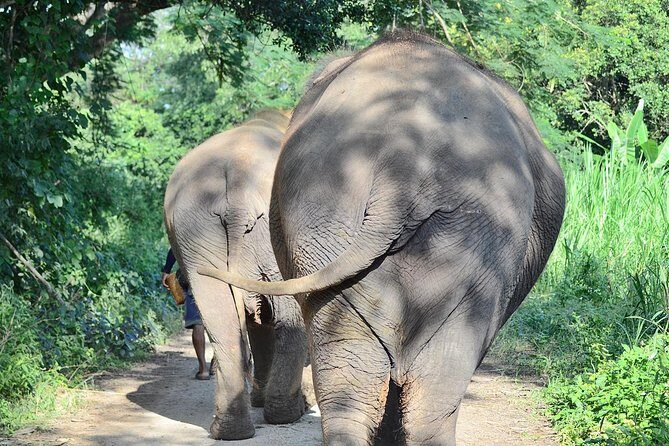
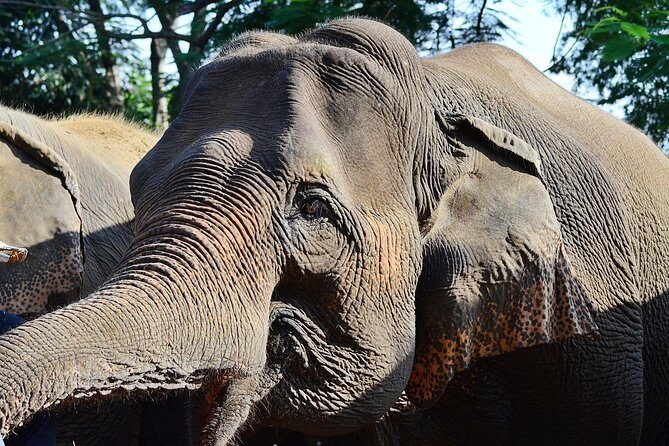
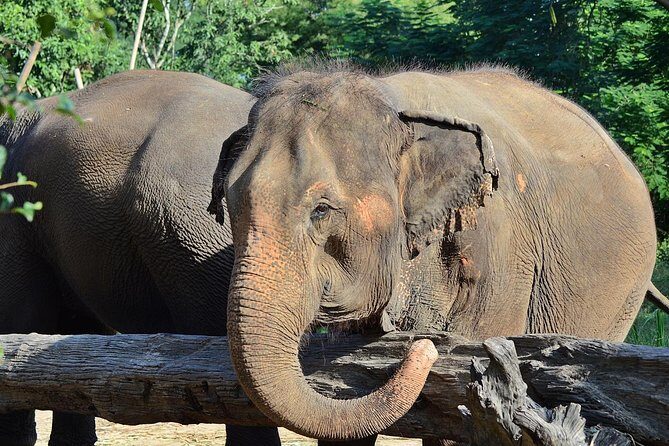
This is the part that sets the tone for the whole day. You go to an elephant sanctuary where the emphasis is on rescue and welfare—elephants that came from riding camps and forest timber logging. The program is designed around them living outdoors in a natural environment, not performing.
What you’ll likely notice first is the overall “no forcing” vibe: the approach described here is no chain, no hook, no pushing. That doesn’t mean the elephants never come close on their own terms—it means your day isn’t built around driving them into a show.
What volunteering looks like during your visit
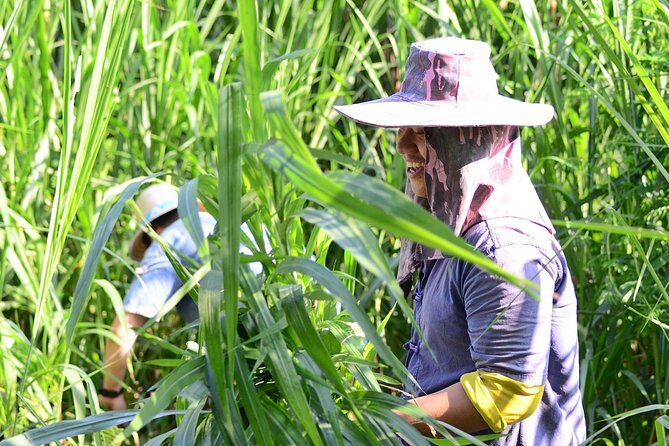
A standout feature is the chance to help prepare food. You may be cutting napia grass and chopping items like pumpkin, sugarcane, and banana. It’s hands-on in a way that feels more meaningful than watching from behind a fence.
On some days, the sanctuary experience can also include other hands-on learning tied to care routines—like making elephant feed (sometimes described as vitamins) and participating in bathing preparations. The exact mix can vary by how the day runs, but the spirit stays the same: you’re participating in care tasks, not just taking photos.
Feeding, learning, and meeting elephants safely
You’ll spend time observing elephants and interacting in ways that support their wellbeing. Many visitors highlight that guides keep things clear and paced—so you know what’s happening, what to expect, and how to move safely around a large animal that has its own opinions.
Guides such as Moon and Cookie are mentioned for being patient and upbeat, and Lee is praised for making the whole route and schedule feel smooth. If you get someone in that style, you’re in good shape: lots of questions are welcomed, and the day doesn’t feel like a checklist.

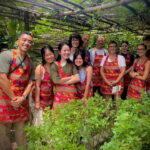

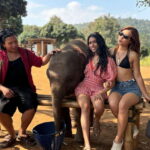

Bath time and the river-side experience
One of the more memorable moments in this kind of sanctuary day is bath time. You might hear about crossing to bathing areas (often described as using a raft) and then taking part in helping the elephants during their water routine.
In practice, you should think of it as a mix of observation and participation, with staff and guides guiding you through when and how you can help. You can also expect practical support—sanctuary staff commonly provide a change outfit and gear for the day, plus lockers for your belongings and showers when you’re finished.
If you tend to get cold easily, bring a plan for the transition back to dry clothes. You’re doing real outdoor work, and even during warm weather the post-rinse changeover matters.
Sticky Waterfall: climbing, slipping into pools, and earning your photos
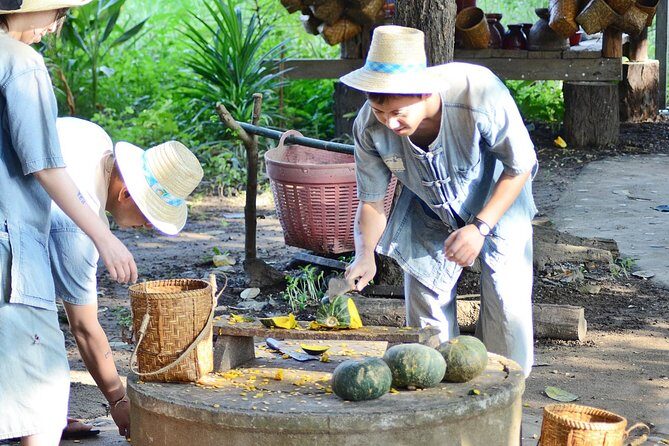
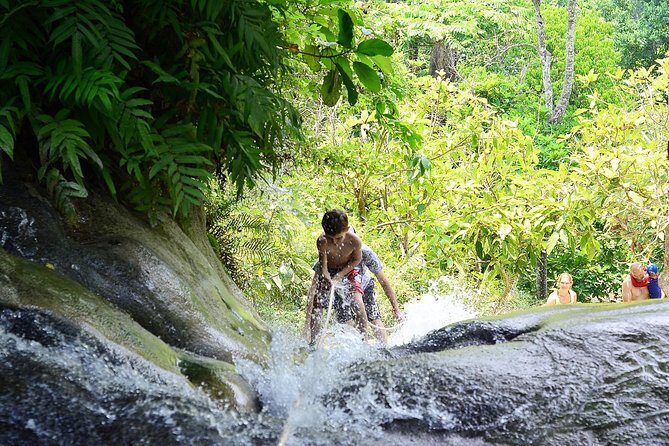
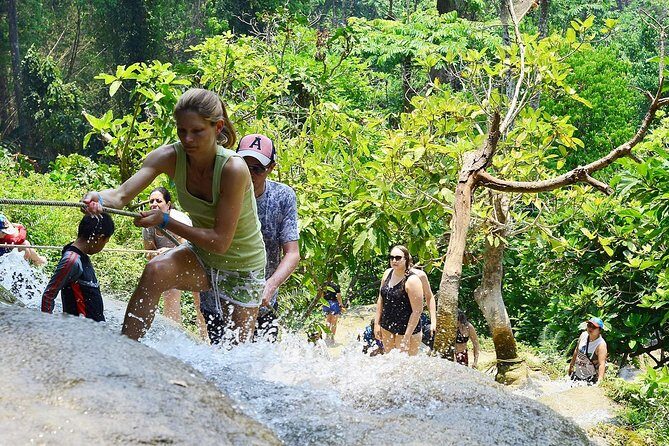
After elephants, you head to Sticky Waterfall, a national park-style stop where the main event is climbing up and down wet rock formations. This is where the “sticky” nickname turns into real-life conditions: you’ll be on slick surfaces, moving over steps and climbing routes.
You have a choice in how bold you get. Swimming is optional, but many people say it’s worth doing, especially if you go all the way to the lower pools. If you only stop at the first area, you can miss the best water access.
How busy is it?
It can get crowded—plan for some waiting at popular spots, especially at the most photogenic segments. The good news is the park setup includes plenty of access points, so even when it’s busy, you can still find your way through.
The practical tip that saves your day
Bring a swimsuit and plan to get wet at least once, maybe more. Also, wear footwear that can handle slippery conditions. The sanctuary portion gives you change gear and support; Sticky Waterfall is more about you being ready to go from climb to pool.
Lunch included: what to expect and why it helps
Lunch is included, and it’s a genuine comfort perk. Doing elephants and a waterfall in one day means you’re not juggling food stops or paying for a meal between activities. It also keeps your energy stable for the later climb.
Food gets described as substantial, and it’s served in the sanctuary area. Some days include lunch items that visitors mention with real affection—so you’re not stuck with a boring afterthought meal.
Guides, pacing, and why a private day feels better
A private experience isn’t just a sales pitch. It changes how the day feels in your body.
When your guide has your group’s timing, you spend less time standing around waiting for the last person to tie shoes or ask a question. You also get more room to ask what you actually want to know about elephants—care practices, rescue stories, and how the sanctuary runs daily routines.
The day is also reported as comfortably paced, with guides who actively support your experience. Names that come up for strong service include Moon at the sanctuary and Lee (as driver and guide) on the route.
What to bring (and what to wear) so you don’t suffer
This is an active day. You’ll be switching between sheltered moments and outdoor exposure. Here’s the practical checklist based on what’s specifically supported by the experience:
- Swimsuit for Sticky Waterfall (you’ll want the option to swim)
- Dry clothes plan for after the water parts
- Simple, secure footwear for rock steps and wet surfaces
- If you’re sensitive to sun, consider light coverage—daytime exposure is real in Chiang Mai
Good news: the sanctuary portion commonly provides clothing changes and basic gear for your elephant-care activities, plus showers. Sticky Waterfall is the place where you should come ready.
Value for families, couples, and elephant-first travelers
This tour hits a sweet spot for people who want both meaning and fun.
- Families: It’s described as working for kids and adults, and it’s hands-on enough to keep younger travelers engaged. Sticky Waterfall is often a hit for families once they accept the wet rock reality.
- Couples: It’s a great “do something memorable” day without the pressure of planning two separate bookings.
- Elephant-first travelers: If you care about ethical treatment and want a sanctuary day focused on care and natural behavior, this combo makes sense because it doesn’t split your attention across distant logistics.
If your goal is a super relaxed, no-effort day, Sticky Waterfall may be your limit. But if you’re okay with a climb and you want the full story of elephants plus the adventure of the waterfall, it’s a strong match.
Weather and safety reality check (because it matters here)
This experience requires good weather. If conditions are poor, the operator may offer a different date or a full refund. Sticky Waterfall in particular is weather-sensitive because wet rocks plus unsafe conditions can change what’s possible.
If you’re booking close to rainy-season months, keep your schedule flexible. A little planning patience goes a long way here.
Should you book Elephant Sanctuary + Sticky Waterfall?
I’d book it if you want a day that pairs real elephant care with a classic outdoor payoff, without adding the stress of coordinating two separate trips. The included lunch and the door-to-door private transport make it feel efficient and worth the money.
Skip it (or at least reconsider) if you hate stairs, don’t want to get wet, or want zero physical effort. Sticky Waterfall is part of the deal, not an optional add-on.
If you’re the type who wants to spend time near elephants in a way that centers on welfare—and you’re willing to trade comfort for a little adventure—this is a very good Chiang Mai day.
FAQ
What time does the tour start?
The tour starts at 8:00am.
How long does the experience take?
The duration is listed as about 6 hours, though door-to-door time can run longer.
Is pickup from my hotel included?
Yes, pickup is offered with door-to-door transfers.
Is lunch included?
Lunch is included in the tour.
Is this a private tour?
It’s described as a private experience for your group, with private transportation.
What should I wear or bring for Sticky Waterfall?
Bring a swimsuit, since swimming and getting wet are part of the Sticky Waterfall experience.
What happens if the weather is bad?
This experience requires good weather. If it’s canceled due to poor weather, you’ll be offered a different date or a full refund.
What is the cancellation policy?
You can cancel for a full refund up to 24 hours before the experience starts. If you cancel less than 24 hours before, the amount paid isn’t refunded.