REVIEW · CHIANG MAI
Chiang Mai: Doi Inthanon National Park and Pha Dok Siew Trek
Book on GetYourGuide →Operated by Trips Chiang Mai · Bookable on GetYourGuide
Waterfalls and pagodas, all in one day. This trip pairs Doi Inthanon scenery with a Pha Dok Siew guided jungle walk to a hidden waterfall, plus the famous Twin Pagodas. The one catch is the downhill route: you’re walking on lots of steps, and in wet weather the trail can get slippery.
What I like most is the way the day is paced. You get multiple, meaningful stops instead of one long drive with a single photo break, and the best guides keep things running smoothly and even funny—names like Matthew and Bobo come up again and again for upbeat, attentive guiding.
Finally, you’re heading into cooler highland air, so the weather can feel like it flips a switch. You’ll visit big sights like the Wachirathan Waterfall and see how the rice terraces look change with the season, but you should plan for clouds, mist, and occasional chill.
In This Review
- Key things that make this Doi Inthanon day trip worth your time
- From Chiang Mai pickup to Doi Inthanon’s cool mountain air
- The Twin Pagodas: royal architecture with garden-and-view rewards
- Pha Dok Siew Nature Trail: the easy-moderate part that still asks for sturdy shoes
- Karen village coffee and what the experience is actually like
- Wachirathan Waterfall: the payoff when the air turns cool
- Mae Klang Luang and the in-between moments you’ll appreciate
- Price and value: what $39 really buys you (and when you’ll need cash)
- What to bring (so your feet stay happy)
- Who this tour suits best (and who should skip it)
- Should you book this Doi Inthanon and Pha Dok Siew day trip?
Key things that make this Doi Inthanon day trip worth your time
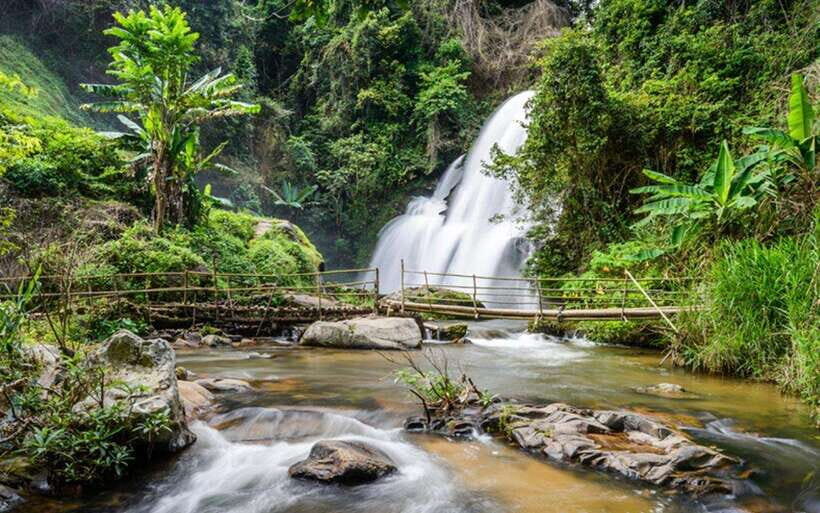
- Downhill trek with real steps: easy-to-moderate overall, but expect stairs and rocky footing on the way down.
- Twin Pagodas that are more than a viewpoint: manicured gardens plus iconic pagoda photo ops.
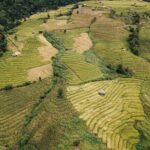
- Rice terraces that shift by season: rainy-season green, October harvest gold, or drier/freshly planted fields depending on timing.
- Karen village stop with coffee tasting: a chance to taste locally grown coffee and teas, with a guided explanation of everyday life.
- Thai set-menu lunch (vegetarian possible): a proper sit-down meal keeps your energy steady for the afternoon.
- Fee options that affect what you carry: choose all-fees-included for convenience, or plan cash if you don’t.
From Chiang Mai pickup to Doi Inthanon’s cool mountain air
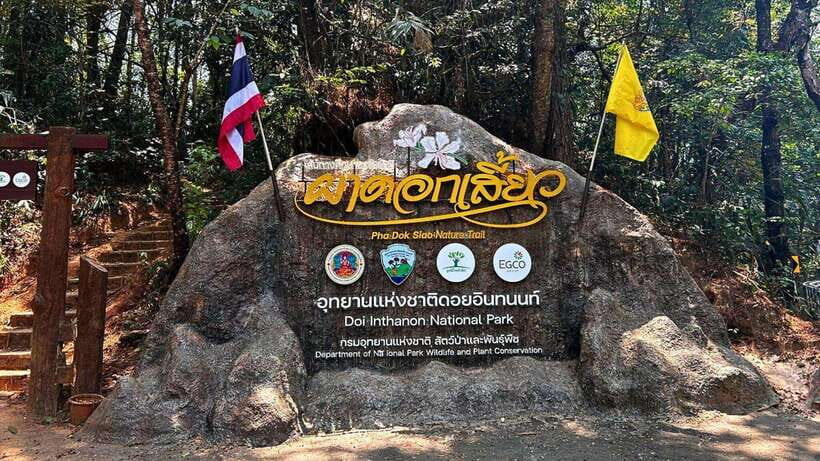
The day starts with hotel pickup in Chiang Mai, then you head out in an air-conditioned van. The ride is broken up with small breaks, including a café stop where you can use the restroom and grab a quick snack if you need it. That matters because Doi Inthanon is a full-day outing—when you save time on the road, you get more time at the viewpoints.
After a first stretch of driving, you enter Doi Inthanon National Park and begin with a guided orientation-style stop. You’ll get photo time, a bit of walking around, and a clearer sense of where you are before the day’s hiking portion starts. This is one of those tours where the timing is designed to keep you from feeling rushed, but still moving often enough that the day stays interesting.
One practical note: timing can shift based on traffic and operations. If you’re hoping to make a strict schedule later that day, this isn’t the right kind of excursion. You want flexibility for the mountain roads.
You can also read our reviews of more hiking tours in Chiang Mai
The Twin Pagodas: royal architecture with garden-and-view rewards
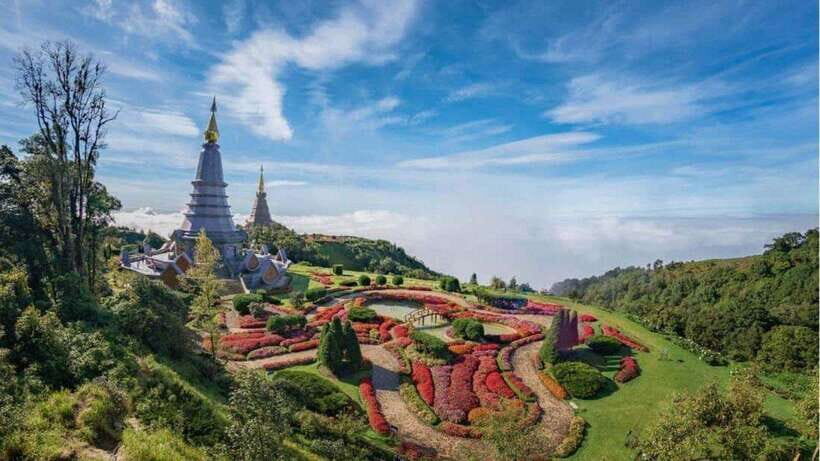
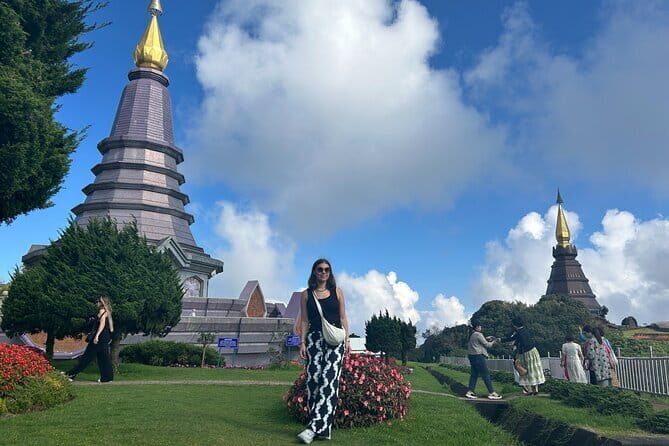
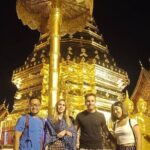
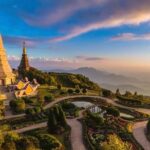
The Queen and King Twin Pagodas are your classic mid-route anchor. These aren’t just “snap a quick picture and leave” stops. You get time to wander around the grounds and take in the setting—landscaped gardens and broad mountain views when the sky cooperates.
The pagodas themselves are distinctive and easy to recognize, which helps if you’re the kind of traveler who likes quick orientation. You’ll also get a short sightseeing walk, plus free time to circle back for better angles. If you’ve never been to a royal pagoda complex in Northern Thailand, it’s a good introduction to how Buddhism, architecture, and landscape planning work together in this region.
If you’re hoping for long hours here, that’s not the style of this tour. The time is meant to keep you moving so you can reach the hiking trail and the waterfalls the same day.
Pha Dok Siew Nature Trail: the easy-moderate part that still asks for sturdy shoes
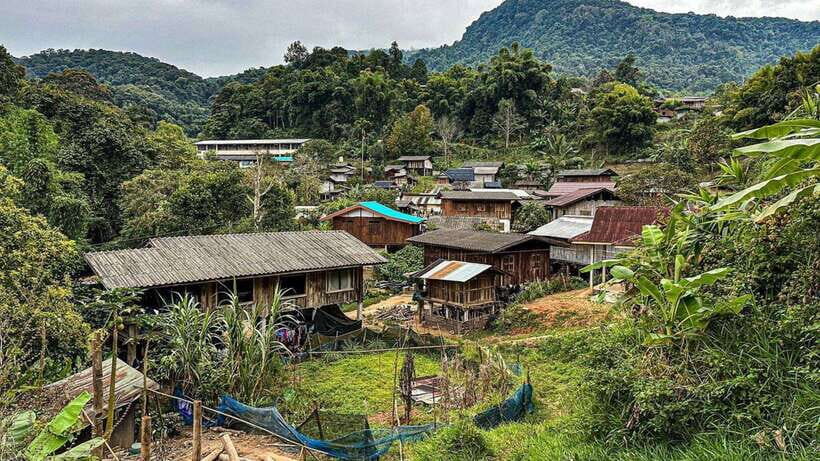
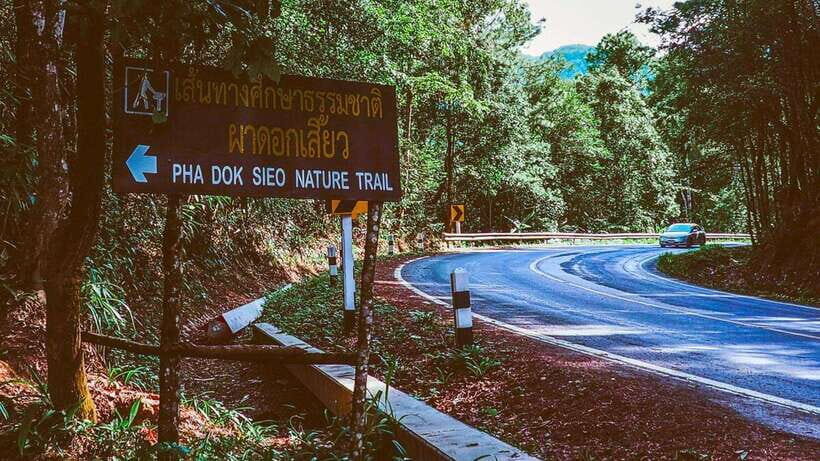
This is the star segment for most people: the Pha Dok Siew guided trail walk. Plan on about a 2-hour guided hike, following a mountain stream with jungle paths and waterfall cascades along the way. It’s described as gentle, and it is in terms of route effort—but you’re still descending with stairs and steps.
Expect a mix of:
- shaded forest sections,
- path crossings near water,
- and rocky or stepped stretches that can be slippery in rain.
The tour notes a downhill descent of about 500 meters. That’s why your knees feel it more than your lungs. If you have knee or ankle issues, you’ll want to take the “easy-moderate” label seriously and judge it honestly with your own body. Several people in the experience feedback highlight that there are many steps, and sturdy shoes make the difference between fun and misery.
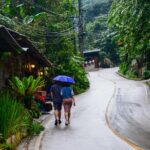
Rainy season can be especially challenging. One helpful tip you’ll hear from folks who’ve done this in wet weather: wear long trousers. Leeches are mentioned as a concern during some conditions, and long layers also help with insect protection. Add insect repellent, and you’ll feel much more comfortable in the jungle sections.
Karen village coffee and what the experience is actually like
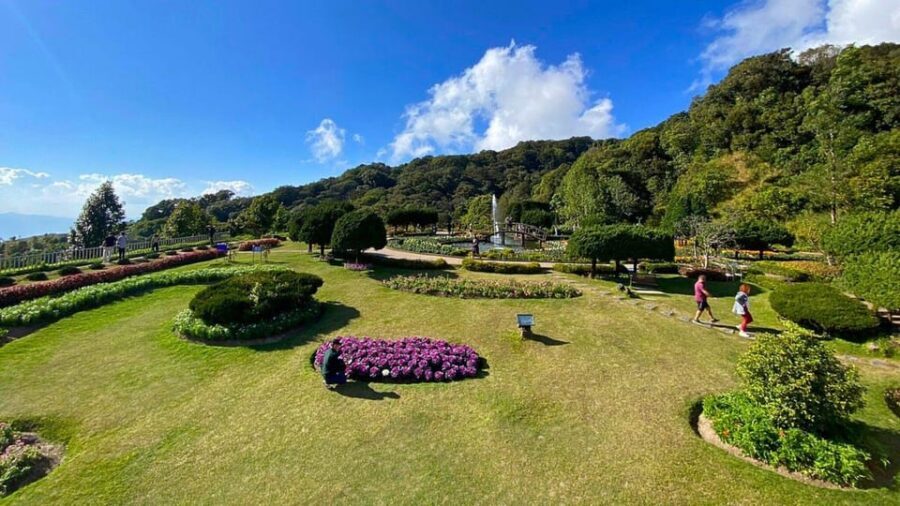
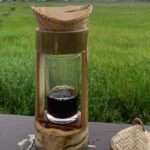
After the first wave of sightseeing, you’ll spend time around a hill tribe village area, including a coffee tasting moment with locally grown beans. The coffee is freshly brewed, and you may also try teas from the same style of local production.
What’s valuable here is less about a high-production “coffee show” and more about context. A good guide helps connect the dots—how people live in these mountain communities, how crops are grown locally, and how daily work fits into the bigger environment.
That said, manage expectations. Some people think they’ll see more bean-processing details than they end up getting. If you like hands-on food experiences, go in with the mindset of tasting plus conversation, not a full workshop. Asking questions during the stop is the best way to get the deeper story you’re looking for.
Lunch is next: a Thai set-menu with vegetarian options available if you request it. Having lunch included is a real value here because you’re in a national park area where meal choices aren’t always flexible. You’ll leave the table fed, then still have time for the waterfall portion without feeling like you’re racing hunger.
Wachirathan Waterfall: the payoff when the air turns cool
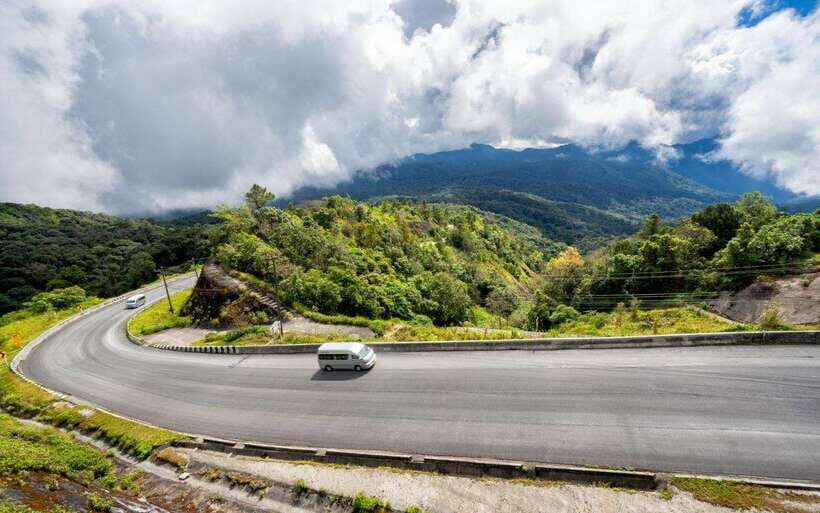
Later in the day, you’ll reach Wachirathan Waterfall, one of the big national park highlights. This is the stop that makes the trip feel like a true Northern Thailand mountain escape rather than a drive-by checklist.
You get a short break plus photo time and sightseeing time around the falls. How it feels depends heavily on weather. In misty or cloudier conditions, the air can be cool enough that a sweater helps. A few people mention needing a layer at the higher elevation, especially in the second half of the tour.
Also, waterfalls mean wet ground. Even if you don’t get heavy rain, expect damp surfaces and plan to move carefully. This is when good shoes pay off again—because you’re likely walking on slick rocks or stepped areas near the water.




Mae Klang Luang and the in-between moments you’ll appreciate
Between the main hiking and the big waterfall stop, you’ll have an additional viewpoint/cultural stop at Mae Klang Luang. This is a shorter stop with photo time, a bit of free time, and shopping. It’s not meant to be the emotional climax of the day. It’s more like the “pause, reset, and pick up a small souvenir” moment.
If you like markets and small craft shopping, this is your opportunity to grab a few items without turning the day into a shopping spree. If you don’t, it’s easy to just keep it casual: quick photos, a look around, and back to the route.
You’ll also have another café break on the ride back to Chiang Mai. It’s a nice finish because it gives you a buffer before you get back into the city traffic.
Price and value: what $39 really buys you (and when you’ll need cash)
The listed price is around $39 per person for a one-day tour, and for most people it feels fair because the big expenses are already bundled: pickup and drop-off, air-conditioned transport, English-speaking guide support, a local hiking guide, lunch, drinking water, and the hiking/park trail fee.
Where price differs is entrance fees. There are two setups:
- All fees included option: entrance fees are covered, and you shouldn’t need extra payments on the day.
- Option excluding entrance fees: you pay in cash on the day—300 THB per person for the national park and 100 THB per person for the Twin Pagodas (the pagoda entry is optional, and you can wait at the parking area if you choose not to go in).
If you want to travel lighter and avoid cash on a busy mountain day, choose the all-fees-included option. If you’re comfortable carrying some Thai baht and you’re watching your budget, the excluding-fees option can work.
Either way, the included accident insurance requires a passport photo or passport copy at the time of travel. It’s one of those “quiet” inclusions that you’re glad exists when you’re far from medical support.
What to bring (so your feet stay happy)

This tour gives you a good chance to enjoy the day, but the mountains don’t care about your plan. Pack for the reality: steps, humidity, insects, and cooler air.
Bring:
- hiking shoes (non-negotiable for the stepped downhill),
- sunglasses and a hat,
- sunscreen,
- insect repellent,
- hand sanitizer or tissues,
- and a small layer.
That last one is important. Even when it’s warm in Chiang Mai, the higher elevation can feel colder, especially if clouds roll in. People specifically recommend a sweater or rain jacket for the second half. If you go in rainy season, don’t skip that advice.
Also, pets are not allowed.
Who this tour suits best (and who should skip it)
This is a strong fit for people who want a relaxed nature day without a brutal climb. The trail is described as easy to moderate, and it’s especially appealing if you love waterfalls, rainforest walks, and village stops.
It also seems friendly for:
- beginners who can walk on uneven steps,
- families with kids who are comfortable on stairs,
- travelers who want gentle exercise rather than hardcore cardio.
But be honest about your limits. The downhill route with many steps can be hard if you have knee/ankle problems. And it’s listed as not suitable for pregnant women and wheelchair users.
If you’re traveling with those needs, look for a different Chiang Mai nature option with less stepped walking and fewer elevation demands.
Should you book this Doi Inthanon and Pha Dok Siew day trip?
I’d book this tour if your top goal is a single-day hit of big mountain sights: Doi Inthanon’s pagodas, a guided rainforest waterfall trail, and the Wachirathan Waterfall finish. The price feels justified because the day is packed with transport, guides, and lunch, not just “you’re dropped off and fend for yourself.”
I’d think twice if you hate stair-heavy trails or you’re traveling with mobility limits, because the downhill steps are a recurring theme. And if you’re a “tell me everything” history hunter, you’ll do best with a guide who can slow down and explain—English clarity can vary, so don’t be shy about asking questions.
If you’re flexible and you pack proper shoes and a light layer, this is a very good way to see Northern Thailand’s highland side beyond Chiang Mai’s city streets.