REVIEW · CHIANG MAI
2 Days Hiking Tour in Chiang Mai
Book on Viator →Operated by TEE WATERTOWN · Bookable on Viator
Two days, and your feet learn the jungle. This 2-day Chiang Mai hike mixes waterfall breaks with time in a Karen hill-tribe village, plus chances to spot jungle plants and mountain views. You also get that satisfying rhythm of walking, stopping, eating, and moving again, without it feeling like a rushed “checklist tour.”
I like how human-scale it is: you’re picked up, guided between points, and brought into village life at a pace that makes sense. On the food side, you’re not just handed meals—you’re shown what locals use, and guides can even explain how people forage plants along the way, like mushrooms and herbs for dinner. One consideration: the overnight Karen village stay is simple and no-electricity, so you’ll want to feel comfortable with basic conditions and a moderate walking load.
If you’re the type who prefers real village encounters over photo stops, this tour is a strong match. It’s also capped at a maximum of 50 people, which usually helps keep the hike from turning into a conveyor belt through the woods.
In This Review
- Key things to know before you go
- Entering the Chiang Mai jungle: the rhythm of a two-day hike
- Getting picked up and timing the local market stop
- Day 1: banana gardens, a jungle waterfall lunch, and learning in Karen village
- The jungle waterfall break (and why it’s worth slowing down)
- Banana garden time and free fruit
- Arriving at the Karen hill-tribe village in the afternoon
- Overnight in a bamboo house: simple, local, no-electricity
- Day 2: breakfast, a second village walk, and the jungle beach swim
- Local breakfast that keeps you grounded
- Another Karen village segment with a no-electricity note
- From jungle waterfall to a beach where you can swim
- The Huai Chakka Khrai beach stop
- Guides make it: Dali and Fern, and why plant knowledge changes the hike
- Price and value: what $130.21 buys you in the real world
- Who should book this Chiang Mai hiking tour
- Should you book this 2-day Karen jungle hike?
- FAQ
- How long is the Chiang Mai hiking tour?
- What is the price per person?
- Is pickup included?
- What kind of lodging do you get in the Karen village?
- Is the tour suitable for beginners?
- What is the cancellation policy?
- Is there a mobile ticket?
Key things to know before you go
- Karen village bamboo-house night in simple, local-style lodging
- Jungle walking with built-in breaks, including a waterfall lunch moment
- Time at a local market (20 minutes) to grab what you want for the hike
- Guide-led plant spotting and foraging explanations, with guides Dali and Fern mentioned by recent hikers
- Jungle swimming time at a beach inside the forest area on day two
- Moderate fitness needed, with about 4–5 hours of jungle time on day two
Entering the Chiang Mai jungle: the rhythm of a two-day hike
Chiang Mai has no shortage of “hikes.” What makes this one feel special is the structure. It’s not a single long march with one big stop at the end. Instead, you get repeated moments that keep your energy steady: a market breather, then a waterfall day-one lunch reset, then village learning and downtime, and on day two, breakfast and a longer forest stretch that ends with a jungle beach you can swim at.
The walking is also paced around real terrain. You’ll be driving between key points, then dropping into the jungle on foot. That matters because it reduces that common problem on tours where you’re tired from transit and then immediately expected to hike for hours. Here, you’re given clear “walk blocks” so you can match your effort to what’s next.
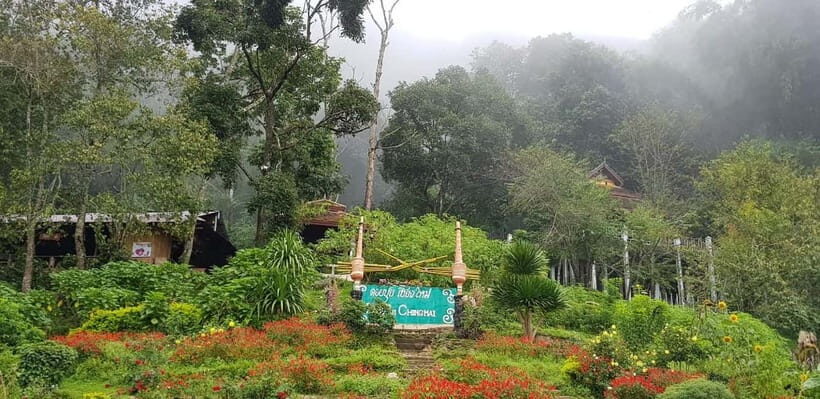
And you’re not just observing scenery. You’re walking through banana gardens, crossing forest paths toward hidden-in-the-jungle waterfalls, and ending each day with a village connection that feels more like a community visit than a drive-by. Even the way you’re fed is part of the experience: local breakfast on day two is described as soft-boiled rice with fruits, which is a small but meaningful shift from typical tourist-style breakfast.
You can also read our reviews of more hiking tours in Chiang Mai
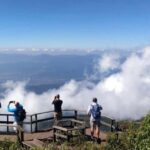
Getting picked up and timing the local market stop
The day starts with hotel pickup in Chiang Mai and a drive of about 40 minutes to a local market area. Then you get roughly 20 minutes on your own to buy whatever you want for the hike.
That short market window is practical. It’s enough time to pick up water or snacks if you want them, and to grab small items that make the jungle walk feel more comfortable. The tour description also frames this as straightforward—no complicated shopping list—so you can keep it simple.
After that, you jump back into the car for about 45 minutes. This matters because it positions you so the first major foot leg starts when you’re ready, not when you’ve been stuck in transit for hours. It also means you’re less likely to spend your best hiking energy on the road.
One small note: the itinerary language says you’re given around 20 minutes to buy whatever you want. That’s not “two hours to browse.” So if you’re the type who likes to shop slowly, you may find the time tight. For most people, it’s just the right length.
Day 1: banana gardens, a jungle waterfall lunch, and learning in Karen village

The jungle waterfall break (and why it’s worth slowing down)
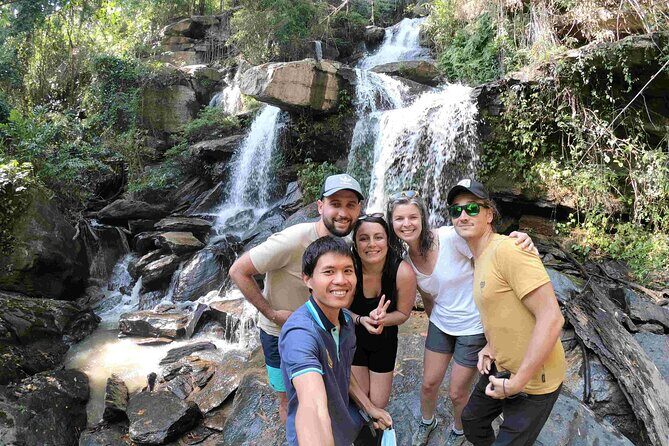
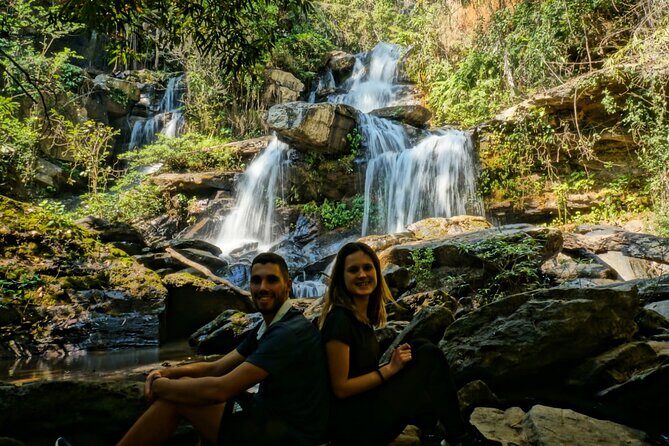
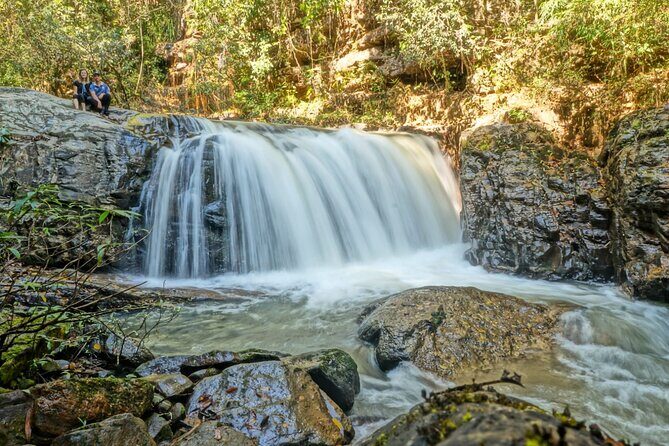
On day one, the hike moves into the jungle toward a waterfall stop called Mae Saphok Waterfall. You’ll hike about an hour here, and you’ll have lunch at the waterfall area.
Waterfall lunches are often just a scenic pause. This one feels more useful because it gives you a clear hydration and cooling moment while you’re already working up a sweat. The waterfall is described as a place you can refresh yourself, which is exactly what you need during a jungle walk day.
The description also mentions another waterfall later as no-name and map-hidden. But even on day one, you get the idea: the forest isn’t a backdrop. It’s the main event, and the stops are chosen because they change your pace.
Banana garden time and free fruit
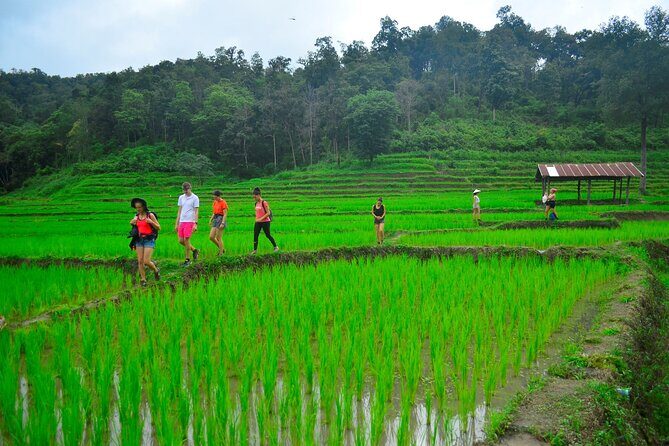
After the waterfall, you walk through a banana garden. You can eat banana from the tree if it’s good to eat, and the people there are described as nice.
This is one of those “small but memorable” moments. You don’t have to do anything except pay attention. It’s informal, it’s local, and it’s the kind of direct contact that makes the day feel less staged. If you like tasting what’s around you (and not treating food as just a meal ticket), you’ll probably enjoy this part.
You can also read our reviews of more tours and experiences in Chiang Mai



Arriving at the Karen hill-tribe village in the afternoon
You arrive in the Karen village around 2:30 to 3:30 pm. Your guide gives information about Karen hill-tribe living, and then you have free time to visit the village.
That free time matters. Even when there’s a guided explanation, you can still move at your own pace—asking questions, observing everyday life, and taking in the rhythm of the community. The tour also frames your time as a chance to feel something different from your country, which is a good reminder that this is about meeting people, not just seeing structures.
Overnight in a bamboo house: simple, local, no-electricity
Your overnight stay is in the village in a bamboo house. The description says your accommodation is simple, bed-like, and everything is local.
On day two, the itinerary specifically notes that the Karen village has no electricity. While day one’s no-electricity detail isn’t repeated in the overnight description, the day-two village note suggests you should plan for that basic reality as part of the experience overall. So set expectations: this is a rustic night. It’s not about comfort gadgets; it’s about being somewhere that isn’t trying to become a hotel.
Day 2: breakfast, a second village walk, and the jungle beach swim
Local breakfast that keeps you grounded
Day two begins with local breakfast: soft-boiled rice and some fruits.
This is a smart inclusion. After a night in simple lodging and a long hiking day, a local breakfast that matches what the area typically eats helps keep you from feeling like you’re eating “tourist food” only to head back into the jungle. It also keeps things practical for timing.
Another Karen village segment with a no-electricity note
You walk for about one hour and reach a Karen village noted as having no electricity. The guide explains life there, and you get time to see the differences between everyday life and your own.
This second village contact is one reason the tour works as a two-day experience. You don’t just arrive once, learn a bit, and leave. Instead, you return with a fresh mindset, and your understanding deepens as your body adjusts to the pace of the day.
From jungle waterfall to a beach where you can swim
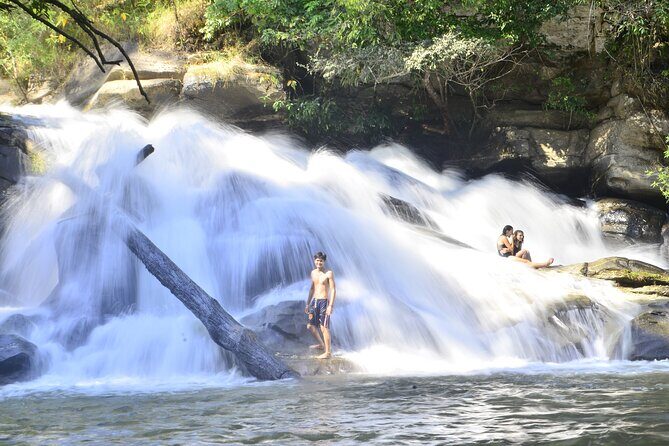
After that, you continue walking until you reach the waterfall and a beach in the jungle. You can swim at the beach, then you walk about 30 minutes to the car park.
The total time within the jungle on day two is described as about 4–5 hours, including these major segments. That’s a meaningful block of time, so it’s helpful that the day includes more than one “reward moment.” You’ll have the waterfall encounter, and you’ll also get a beach spot where swimming is possible. Even if you don’t swim, the option changes the feel of the day: it’s not only about hiking endurance.
The waterfall in this segment is described as no-name on the map, visible only when you walk through the area. That kind of “only here if you’re there” detail is one of the classic charms of the jungle: you can’t replicate it from a viewpoint.
The Huai Chakka Khrai beach stop
The last attraction is the beach in the jungle, described under Huai Chakka Khrai. It’s positioned as a place to swim or refresh yourself, and then you finish with a short walk to the car park before returning to Chiang Mai.
This ending is good for morale. A lot of hikes end after the hardest part. Here, the day ends with a cooling, reset moment—then you’re out.
Guides make it: Dali and Fern, and why plant knowledge changes the hike
The hiking experience is more than trail time. Guides can turn a walk into a lesson, and that’s where this tour seems to shine.
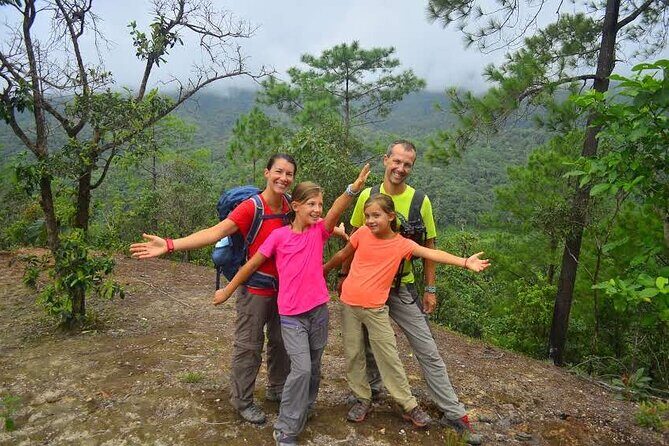
Recent hikers highlight guides named Dali and Fern, who are described as jolly and who teach the usage of various plants you see along the route. They also talk about foraging mushrooms and herbs for dinner.
Even if you’re not planning to “forage” yourself, that kind of explanation changes your attention. Instead of seeing random greenery, you start noticing patterns: which plants appear useful, which grow where, and how people have learned to work with the local environment. That makes the jungle feel less like background and more like a living system with human knowledge attached.
If you value interaction—asking questions, learning names, and hearing practical stories—this tour should fit you well.
Price and value: what $130.21 buys you in the real world

The price is listed as $130.21 per person for a roughly two-day, one-night experience. On the face of it, that sounds simple. The real question is value: what are you paying for?
You’re paying for multiple things that add up fast:
- hotel pickup and transport between different trail entry points
- guided hiking over two days with multiple stops
- access to waterfall and village areas during the walk
- local breakfast on day two
- an overnight stay in a Karen village bamboo house with local-style accommodation
You’re also paying for the “hard part” logistics. Getting to jungle waterfalls and arranging an overnight village stay isn’t something most independent travelers do smoothly without planning. Here, the tour handles the movement, timing, and guide coordination.
Two details support the sense of value:
- the group size maximum is 50, which helps keep the experience manageable
- booking is often made about 10 days in advance, which suggests it fills up enough that people plan ahead
A practical drawback related to cost: you won’t get luxury amenities. If your personal travel style centers on private comfort and predictable schedules, you might feel the price could be “too much” for basic lodging. But if you’re paying for access, guidance, and genuine village contact, it’s a fair match.
Who should book this Chiang Mai hiking tour
This tour fits best if you:
- like active travel and can handle moderate physical fitness
- want a real interaction with a Karen hill-tribe community (including free time to explore the village)
- enjoy nature stops that include practical rewards, like a waterfall lunch and a swim in the jungle beach
- care about learning—not just taking photos
It may not fit as well if you:
- need electricity at night and strong comfort expectations
- get uncomfortable with long stretches outdoors (day two includes about 4–5 hours in the jungle)
- dislike any kind of rustic lodging
In short: if you’re comfortable with simple conditions in exchange for a real, guided connection to place, you’ll likely feel satisfied.
Should you book this 2-day Karen jungle hike?
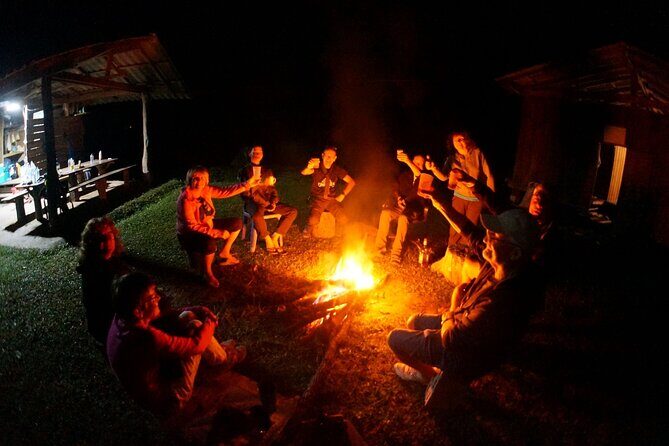
I’d book it if you want a Chiang Mai experience that’s active, guided, and human. The strongest reasons are the Karen village night in simple bamboo-style lodging, the repeated jungle moments (waterfall lunch, hidden-in-the-forest waterfall, and the jungle beach), and the chance to learn plant knowledge from guides like Dali and Fern.
I wouldn’t book it if you’re aiming for a “comfortable retreat” or if no-electricity rustic conditions would stress you out. This trip is built for people who like walking, learning, and letting the jungle set the pace.
FAQ
How long is the Chiang Mai hiking tour?
It runs for about 2 days.
What is the price per person?
The price is listed as $130.21 per person.
Is pickup included?
Yes, pickup is offered from your hotel.
What kind of lodging do you get in the Karen village?
You stay overnight in a bamboo house with simple, local-style accommodation.
Is the tour suitable for beginners?
The tour notes that travelers should have a moderate physical fitness level.
What is the cancellation policy?
You can cancel for a full refund up to 24 hours in advance of the experience’s start time.
Is there a mobile ticket?
Yes, mobile tickets are available for this experience.