REVIEW · CHIANG MAI
Chiang Mai: Doi Suthep Temple & Hmong Village Tour
Book on GetYourGuide →Operated by Joinusthai · Bookable on GetYourGuide
There’s more to Doi Suthep than photos. This half-day tour pairs the gold Wat Phrathat Doi Suthep pagoda and dragon-lined climb with a stop at a Hmong hill tribe village where you can see daily life up close.
I especially like the balance here: you get both a guided temple visit and time at a viewpoint high above the city, not just a quick drop-off. One small consideration is that the village time can feel tight, especially if you want extra shopping time or a slower pace.
In This Review
- Key Points to Know Before You Go
- Wat Phrathat Doi Suthep: Golden Pagoda and the Naga Steps
- Cable Car vs 306 Steps: Picking Your Route Up
- The View From 1,056 Meters: Why the Trip Worth It Even on a Short Schedule
- The Half-Day Timing: Van Ride, Hill Roads, and How It Affects Your Day
- Hmong Village Visit: Traditional Clothing, Daily Life, and Optional Museum Time
- Shopping Smart in the Village Without Losing Your Calm
- When the Guide Is a Key Part of the Value
- Getting Around: Pickup Zones, Drop-Off, and What to Bring
- Accessibility and Practical Limits
- Price and Value: Is $22 Reasonable for a Temple + Village Day?
- Who This Tour Suits Best (and Who Might Want Something Else)
- Final Call: Should You Book Chiang Mai Doi Suthep and the Hmong Village Tour?
- FAQ
- What time does pickup happen for Night Bazaar and Old Town?
- What time does pickup happen for Santitham and Nimman?
- How do I get to the top of Wat Phra That Doi Suthep?
- What’s included in the tour price?
- Is the Hmong village museum ticket included?
- What’s the total duration of the tour?
- What should I bring?
- Is the tour wheelchair accessible?
- What should I avoid bringing or wearing?
Key Points to Know Before You Go
- Golden pagoda at Wat Phrathat Doi Suthep: Lanna-style details and a view that changes by the minute.
- Cable car or 306 Naga steps: Choose your effort level before you start climbing.
- 1,056-meter viewpoint: You’ll look down on Chiang Mai from a serious height.
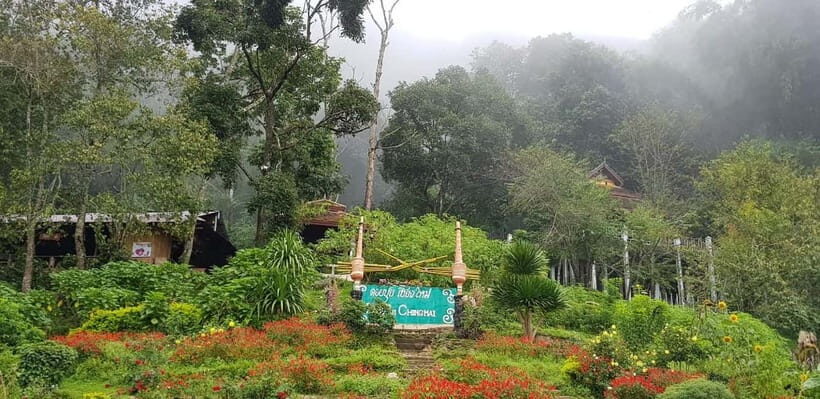
- Hmong village visit (about 40 minutes): Learn about traditional life and see colorful clothing.
- Optional 20 Baht museum ticket: Not required for the village walk-in experience.
- Guides matter: One guide named Taya is praised for strong explanations, while pacing can vary.
Wat Phrathat Doi Suthep: Golden Pagoda and the Naga Steps
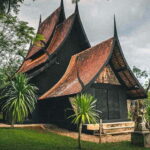
Wat Phra That Doi Suthep is the kind of place you remember because it feels like an experience, not a checklist. Up top, you’re looking at a golden pagoda in the Lanna architectural style, covered with engraved gold plates and framed by four ornamental umbrellas.
The approach is part of the show. From the bottom of the temple area, the route is either cable car or a climb of 306 steps—and those steps are decorated with the mythical Naga, a dragon-headed serpent running down the staircase. That visual is so distinctive you’ll recognize it again later when you’re sorting photos.
At an organized pace, a guide gives you the context that turns the sights into something you can actually explain to friends. If you land with a guide like Taya (one name that comes up in the experience reports), you’ll likely get more than just where to stand for a picture.
You can also read our reviews of more tours and experiences in Chiang Mai.



Cable Car vs 306 Steps: Picking Your Route Up
This tour gives you a real choice, and it affects how the day feels. If you take the cable car, you skip the climb and still reach the temple area in time for the main viewing and guided time. If you climb the 306 steps, you get a slower, more ceremonial ascent—plus the chance to soak in the Naga-lined stairway.
My practical advice: don’t treat this like a fitness test. Bring comfortable shoes either way, but if your legs run out easily, the cable car is a stress saver. If you’re visiting in hot weather, fewer minutes under direct sun is a big quality-of-life upgrade.
The View From 1,056 Meters: Why the Trip Worth It Even on a Short Schedule
What sells Doi Suthep isn’t only the temple. It’s the panoramic view from the mountain top at about 3,520 feet (1,056 meters).
From that viewpoint height, Chiang Mai looks laid out in layers, with traffic and neighborhoods shrinking into patterns. It’s the kind of view that makes even a short tour feel like it punched above its weight. If you’re the type who enjoys city geography—ridges, river bends, and how towns spread across hills—this stop gives you real perspective.
Timing matters here, too. You’re on a 4-hour total plan, so the best way to enjoy the view is to arrive ready: water in hand, camera charged, and a quick plan for where you want your main photo taken.
The Half-Day Timing: Van Ride, Hill Roads, and How It Affects Your Day
The tour runs about 4 hours, with morning pickup starting between 8:00 and 8:30 am for Night Bazaar and Old Town areas, or 8:30 to 9:00 am for Santitham and Nimman areas. You’ll drive through rolling hills around Chiang Mai, which is part of the charm: winding roads, changing scenery, and a break from the flat city grid.
On a short itinerary like this, pacing is everything. Temple time is about 1 hour, the van ride sections are brief, and the village visit clocks in around 40 minutes. Translation: you get a structured day, but you’ll need to move with the group to keep the timing smooth.
That can be good if you like clear schedules and hate decision fatigue. It can feel rushed if you’re trying to linger at stalls or ask lots of follow-up questions without a tight time window.
Hmong Village Visit: Traditional Clothing, Daily Life, and Optional Museum Time
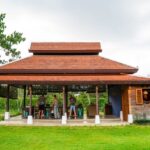
After Doi Suthep, the tour heads to a Hmong hill tribe village for a guided visit of about 40 minutes. This is where you can step away from the temple experience and see people living in ways that feel connected to the region’s history and local culture.
You’ll get a chance to check out residents’ colorful clothing and learn about their way of life. And yes, there’s a shopping element built in. You’ll be able to browse and bargain for textiles, ornaments, or handicrafts during your visit.
One helpful detail: there’s a museum ticket at the village for 20 Baht, and it’s optional. If you want more context, it can add value, but don’t assume it’s required to enjoy the visit.





Shopping Smart in the Village Without Losing Your Calm
The village stop is one area where expectations can clash. Some people love browsing. Others feel the visit is too short to shop comfortably or to slow down when they see something they want.
If you care about shopping, go in with a game plan:
- Decide what you’re looking for before you arrive (textiles, ornaments, or handicrafts).
- Start bargaining politely and quickly, then slow down only after you find a price you’re happy with.
- If you want the optional museum ticket, ask early so it doesn’t squeeze out time for browsing.
Also, keep your expectations grounded. The visit includes opportunities to purchase local goods, and that means sellers are part of the rhythm of the tour. If you want more time at one stall, ask—then commit to moving on when the group needs to continue.
When the Guide Is a Key Part of the Value
This tour includes a licensed English tour guide, and that’s a big deal on a day like this. Temple and culture sites can turn into scenery without explanation, but with the right guide you’ll understand what you’re seeing and why it matters.
In the experience reports, Taya stands out for being informative at Doi Suthep, which helps you connect details like Lanna architectural elements and the meaning behind the temple setting. At the same time, pacing around the village can vary, and some guides may focus more on getting everyone through than slowing down for shopping.
So your best move is simple: treat the guide as your translator and time manager. Ask questions at the temple, then set your village expectations early: you’re there for a guided visit plus optional shopping, not a free-form half-day hangout.
Getting Around: Pickup Zones, Drop-Off, and What to Bring
Pickup is built around central areas:
- Night Bazaar and Old Town: 8:00–8:30 am
- Santitham and Nimman: 8:30–9:00 am
Drop-off options include McDonald’s, Chiang Mai, and a location shown as 맥도날드 임호텔-타패점.
You’ll ride in a van for multiple segments (about 1 hour total driving early, plus shorter ride portions after each main stop). That’s part of the value: you skip the planning of transport and just get the experience.
What to bring is straightforward:
- Comfortable shoes
- Camera
- Sunscreen
- Water
What not to bring matters more than you’d think. The tour doesn’t allow pets, and it also restricts luggage or large bags. Clothing rules are specific: no short skirts, no sleeveless shirts. If you’re used to being casual, plan to dress a bit more temple-appropriate.
Accessibility and Practical Limits
Good news: the tour is listed as wheelchair accessible. That’s important for Doi Suthep, where stairs can dominate the experience.
Still, the day includes options like the cable car and stairs, and the village visit involves walking. If mobility is limited, the cable car choice is likely to matter, but the guide and your van driver will be the ones managing the real-world fit.
Also note: non-folding wheelchairs and non-folding strollers aren’t allowed, so check your gear before you go.
Price and Value: Is $22 Reasonable for a Temple + Village Day?
At $22 per person for about 4 hours, this tour can be solid value—mainly because it bundles the hard parts. You get hotel pickup and drop-off in downtown areas, the Wat Phra That Doi Suthep ticket and cable car, and a licensed English guide.
For Chiang Mai, that kind of bundle is what turns a “maybe I’ll do this” idea into a real plan without extra ticket lines and travel logistics. The only likely extra costs are personal spending and the optional 20 Baht museum ticket at the village.
Is it a perfect deal for everyone? Not always. If you strongly prefer unstructured time at the Hmong village (more browsing, less movement), you might feel the schedule squeezes your priorities. But if you want a well-paced overview—temple first, then culture—this price is pretty fair.
Who This Tour Suits Best (and Who Might Want Something Else)
This tour fits best if you want a classic Chiang Mai cultural day without building a complex itinerary. You’ll enjoy it if you:
- Like iconic sights with clear explanations
- Want big views in a limited morning schedule
- Are comfortable with a short guided village stop that includes market-style shopping
It may be less ideal if you:
- Want long, slow time in the Hmong village to browse freely
- Prefer fewer commercial moments during cultural visits
- Need lots of flexibility to pause wherever you want
One more practical thought: the route includes a staircase option and time outdoors. If you’re sensitive to heat, start hydrated and don’t plan on staying in the sun for too long without breaks.
Final Call: Should You Book Chiang Mai Doi Suthep and the Hmong Village Tour?
I’d book this tour if you want one efficient morning that hits the essentials: Doi Suthep’s golden pagoda, the Naga staircase spectacle (even if you take the cable car), and a viewpoint that makes Chiang Mai feel like a real place, not just a city on a map.
I’d hesitate if your top goal is slow shopping and extra time in the village. The village visit is guided and time-limited, and that can make it feel like you’re moving through rather than settling in.
If you’re aiming for value, comfort, and the big sights, it’s a good match. Bring water, wear shoes that handle stairs just in case, and set your village expectations early—you’ll get a strong day out of it.
FAQ
What time does pickup happen for Night Bazaar and Old Town?
Pickup for the Night Bazaar and Old Town areas is between 8:00 and 8:30 am.
What time does pickup happen for Santitham and Nimman?
Pickup for the Santitham and Nimman areas is between 8:30 and 9:00 am.
How do I get to the top of Wat Phra That Doi Suthep?
You can either take the cable car from the bottom or climb the 306 steps to the temple.
What’s included in the tour price?
The tour includes hotel pickup and drop-off within downtown, the Wat Phra That Doi Suthep ticket and cable car, a licensed English tour guide, and travel accident insurance.
Is the Hmong village museum ticket included?
No. The museum ticket at the Hmong hill tribe village is optional and costs 20 Baht.
What’s the total duration of the tour?
The tour lasts about 4 hours.
What should I bring?
Bring comfortable shoes, a camera, sunscreen, and water.
Is the tour wheelchair accessible?
Yes, it is listed as wheelchair accessible.
What should I avoid bringing or wearing?
Pets aren’t allowed, and luggage or large bags aren’t allowed. Short skirts and sleeveless shirts aren’t allowed either.