REVIEW · CHIANG MAI
Workshop Making Herbal ball & herbal inhaler
Book on GetYourGuide →Operated by Hang Tueng farm · Bookable on GetYourGuide
Herbs become something you can carry. This hands-on workshop at Hang Tueng Farm turns wellness ideas into two practical creations: herbal balls and a portable herbal inhaler, guided by English and Thai-speaking herbalists. You get to roll, mix, and shape—not just watch—then take everything home.
What I like most is the hands-on crafting (you make your own herbal ball and inhaler) and the take-home value: you leave with a personalized wellness tool plus instructions to repeat the process later. One thing to consider up front is that it is not suitable for very young kids and babies, so check the age rules before you plan.
In This Review
- Key highlights worth caring about
- What You Make: Herbal Balls and a Portable Inhaler
- Where It Happens: Hang Tueng Farm and a Simple Meeting Point
- The 3-Hour Flow: How the Time Adds Up
- Herbal Ball Crafting: Herbs, Rolling Technique, and Personal Touch
- Herbal Inhaler Creation: Custom Aromatherapy With Lavender, Eucalyptus, and Peppermint
- Expert Herbalists and Provided Materials: Learning Without Guesswork
- What You Take Home: A Real Souvenir and Repeatable Steps
- Price and Value: Is $38 a Good Deal for 3 Hours?
- Who Should Book This Workshop (and Who Might Skip)
- Small Practical Tips Before You Go
- Should You Book? My Straight Answer
- FAQ
- How long is the workshop?
- How much does it cost?
- What do I make during the workshop?
- What herbs are used for the herbal inhaler?
- What languages are used during the workshop?
- Where do I meet the workshop group?
- Is the workshop suitable for young children?
Key highlights worth caring about
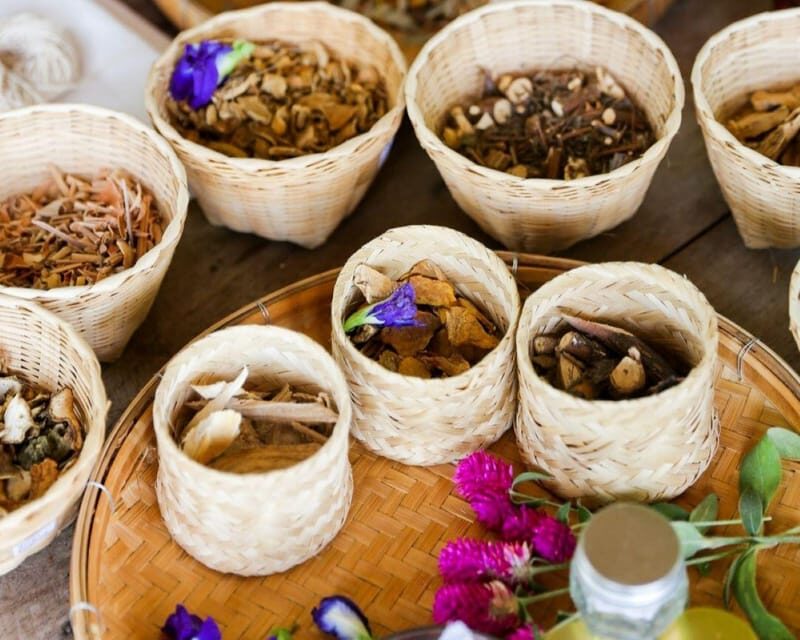
- You create two different herbal products: herbal balls plus a herbal inhaler.
- Lavender, eucalyptus, and peppermint are part of the inhaler herb options.
- Expert guidance in English and Thai keeps the process clear and hands-on.
- All materials are included, so you do not need to shop beforehand.
- Take-home items mean you get a real souvenir, not just photos.
What You Make: Herbal Balls and a Portable Inhaler
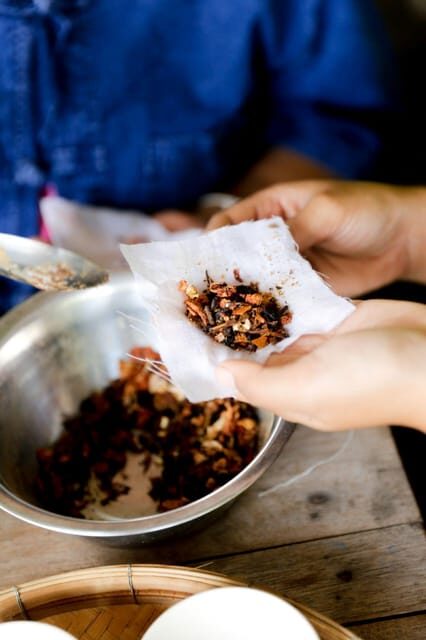
This workshop is built around a simple idea: herbs can be more than something you read about. In about three hours, you’ll craft two items designed for everyday use—a herbal ball you can keep as a relaxation aid, and a herbal inhaler meant to be carried and used as a portable aromatherapy tool.
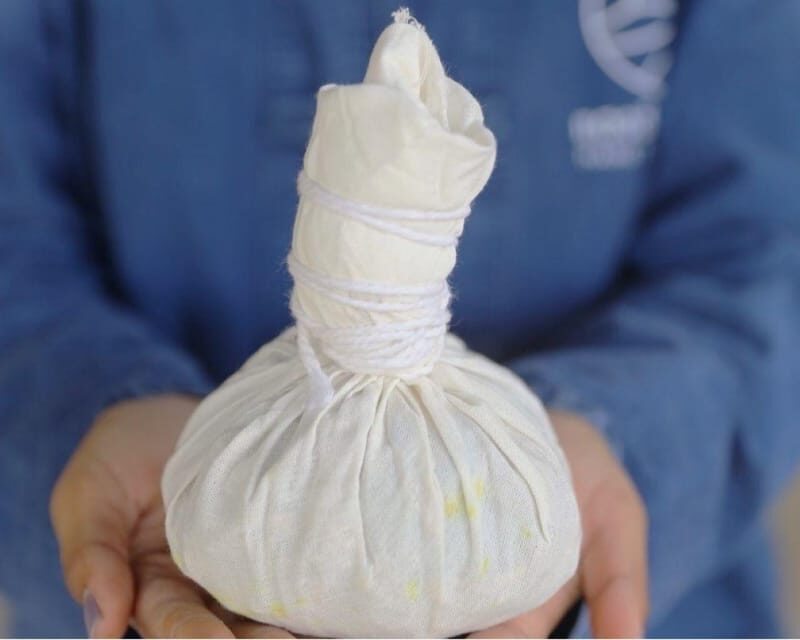
For the herbal balls, you’ll learn how to combine aromatic herbs and shape them into compact bundles. The goal is relaxation and rejuvenation, and the workshop focuses on the practical side: picking ingredients and getting the rolling technique right.
For the inhaler, you’ll work with well-known aromatics such as lavender, eucalyptus, and peppermint. The workshop frames these herbs as supportive for respiratory comfort and for stress relief, which makes the inhaler a nice “small thing you can do” when your day gets busy. You’ll also personalize your inhaler rather than receiving a generic one.
You can also read our reviews of more tours and experiences in Chiang Mai
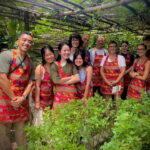
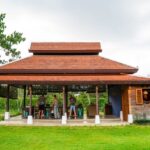
Where It Happens: Hang Tueng Farm and a Simple Meeting Point
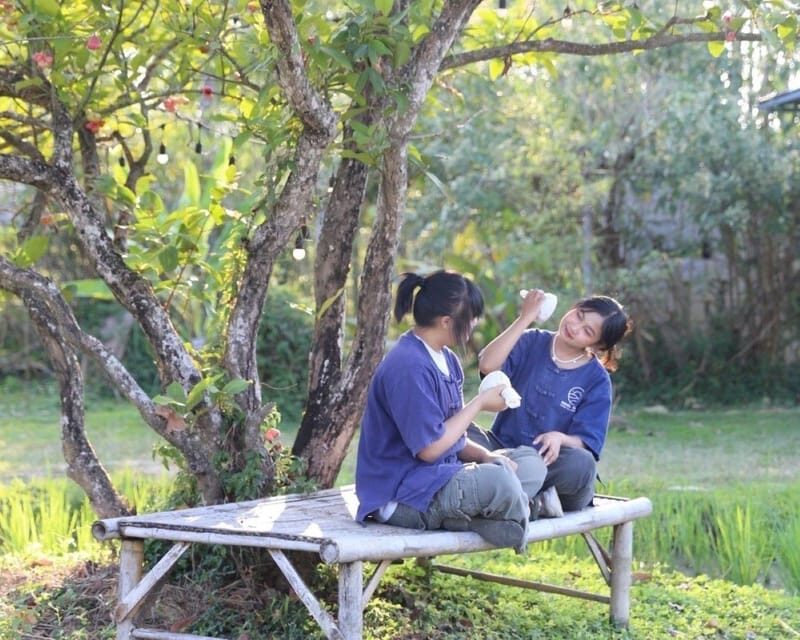
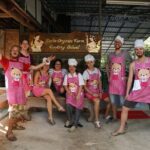
The experience runs at Hang Tueng Farm in Chiang Mai Province. Your meeting point is straightforward: you’ll see a sign for the farm, and there will be another notice at the entrance that it’s Hang Tueng Farm.
This matters because herbal workshops can be confusing if you’re trying to “hunt” for the right spot. Here, you’re told what to look for, and that reduces the usual stress of getting to the first moment of the class.
Also, the activity is listed as a private group, so the pace and attention can feel more like a class than a crowded group stop. If you prefer learning without squeezing into a lineup, this format is a plus.
The 3-Hour Flow: How the Time Adds Up
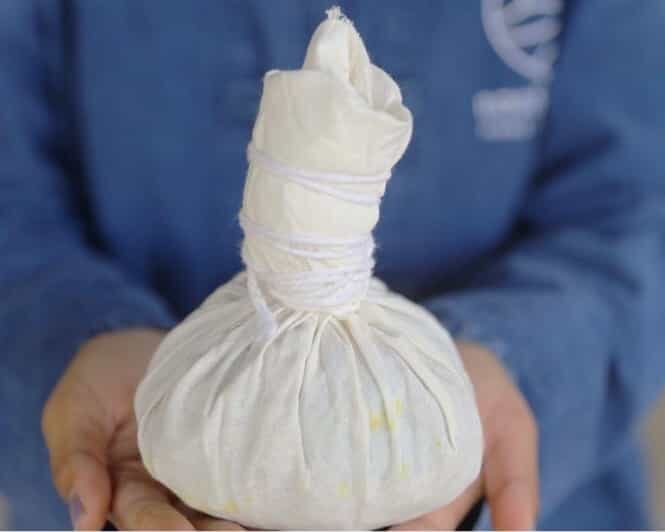
Three hours is a good length for this kind of workshop. It’s long enough for you to feel comfortable with the steps—rolling, mixing, shaping, and finishing—without turning the session into an all-day commitment.
Because the workshop is organized around two finished products, the time is likely balanced between:
- making the herbal ball,
- then creating the herbal inhaler,
- and getting guided help throughout.
That timing is valuable. You’re not just “learning concepts.” You’re producing something you can take home while the steps are still fresh in your mind.
Herbal Ball Crafting: Herbs, Rolling Technique, and Personal Touch
The herbal ball portion is the part where you get to slow down and work with your hands. The workshop teaches you how to build an herbal concoction and then form it into a compact ball using the rolling technique.
What I like about this segment is that it’s not framed as magic. It’s framed as skill. You’re guided in selecting the herbs, learning what each part contributes, and then practicing until you’re happy with the shape and balance.
In practical terms, you should expect to do real work:
- handling herbs and mixing them,
- following guidance on how the mixture should come together,
- rolling until your herbal ball holds its form.
This is exactly the kind of workshop that sticks with you. When you leave with a finished herbal ball, you can later reflect on what you chose and how it felt to make it.
Herbal Inhaler Creation: Custom Aromatherapy With Lavender, Eucalyptus, and Peppermint
The inhaler is your portable payoff. The workshop focuses on creating a personal herbal inhaler—designed to fit into daily life—so you can bring the aroma with you.
The herbs you’ll explore include lavender, eucalyptus, and peppermint. Based on the workshop description, these are used for their supportive role in respiratory comfort and stress relief. Even if you don’t treat this as anything medical, it can still be a comforting personal ritual when you want a reset.
What’s important here: you’ll create a personalized inhaler. That means you’re not just putting together a pre-made kit. You’re making choices (with expert guidance) that shape your end product.
Also, inhalers are smaller than herbal balls, so they’re a useful take-home item if you’re trying to pack light for souvenirs. It’s the kind of thing that feels practical rather than bulky.






Expert Herbalists and Provided Materials: Learning Without Guesswork
A big part of the value is that the workshop is led by experienced herbalists who guide you through both what herbs do and how to make the items.
You’re told the workshop includes:
- expert guidance,
- all necessary materials,
- detailed instructions to replicate the process at home.
That combination matters. Many DIY-style experiences suffer from a mismatch: you have hands-on work, but you’re left guessing about what you’re doing and why. Here, the format is explicitly designed to teach both the properties of herbs and the crafting process.
Language support is also clear: the instructor works in English and Thai. If you’re comfortable in one of those languages, you’ll likely be able to ask questions and follow along without feeling lost.
What You Take Home: A Real Souvenir and Repeatable Steps
You leave with two tangible items:
- your crafted herbal ball,
- your personalized herbal inhaler.
And you also get detailed instructions so you can replicate the process at home. That’s a real advantage. A souvenir is nice, but repeatable knowledge is better because it creates a lasting memory that isn’t stuck on a shelf.
This matters for value. It’s not just a 3-hour activity that ends at the farm gate. It’s a wellness craft that can become part of your routine, or at least a skill you can revisit later.
Price and Value: Is $38 a Good Deal for 3 Hours?
At $38 per person for a three-hour workshop, the price is easiest to judge by what’s included. In this case, the cost covers:
- expert-led guidance,
- all materials needed for both crafts,
- take-home herbal ball and inhaler,
- instructions to replicate the process.
So you’re paying for instruction plus supplies, and you’re walking away with two finished products. That’s why this can feel like strong value compared with experiences that charge similarly but leave you with only a small item or mostly sightseeing.
One more value factor: the private group format. Even though the listing doesn’t say how many people are included, private grouping usually means less crowd friction. You’re more likely to get the help you need while you’re rolling and assembling.
If you’re the type who likes learning by doing, this price makes more sense. If you only want a quick look with minimal effort, you might feel you’re paying for a hands-on class.
Who Should Book This Workshop (and Who Might Skip)
This workshop fits best if you:
- like hands-on activities,
- enjoy wellness practices and aromatic traditions,
- want a take-home item that feels personal,
- enjoy small, practical skills you can repeat later.
It’s also a good match if you prefer a calmer setting than big group tours, since the experience is listed as a private group and the farm meeting point is clearly described.
You might skip it if:
- you’re traveling with very young children or babies, since it’s not suitable for kids under 2 and babies under 1,
- you are sensitive to strong herb scents, since the workshop focuses on aromatic herbs like eucalyptus, peppermint, and lavender.
Small Practical Tips Before You Go
Since this is a crafting class, show up ready to work with herbs. Plan for hands-on mess (herbal workshops often mean a bit of smell on your hands and clothes), and wear something comfortable enough to roll and handle ingredients.
Also, consider your packing mindset. You’ll take home two items, and while an inhaler is typically compact, the herbal ball may be a different shape and texture than what you’re used to carrying. Keep a little space in your bag so you don’t end up cramming everything at the last minute.
Finally, if you want to use what you make later, read or save the instructions you receive. The whole point of the workshop includes the step-by-step knowledge so you can recreate your herbal items at home.
Should You Book? My Straight Answer
I’d book this workshop if you want a meaningful Chiang Mai activity that’s not just a photo stop. The strongest draw is that you create two personalized wellness crafts with expert help and you leave with materials included, plus instructions you can actually use again.
I’d think twice if you’re traveling with babies or toddlers, or if you’d rather keep the day low-effort. At heart, this is a making-and-learning session, and you’ll get the best value when you lean into the hands-on part.
If that sounds like your kind of travel day, Hang Tueng Farm’s Herbal Wellness workshop is a solid bet.
FAQ
How long is the workshop?
The workshop lasts 3 hours.
How much does it cost?
It costs $38 per person.
What do I make during the workshop?
You craft a herbal ball and a herbal inhaler, and you take both home.
What herbs are used for the herbal inhaler?
The workshop includes herbs such as lavender, eucalyptus, and peppermint.
What languages are used during the workshop?
The instructor works in English and Thai.
Where do I meet the workshop group?
You should look for a sign for the farm, and at the entrance there will be a notice that it is Hang Tueng Farm.
Is the workshop suitable for young children?
No. It is not suitable for children under 2 years, and it is not suitable for babies under 1 year.