REVIEW · CHIANG MAI
Rantong elephant sanctuary Chiangmai
Book on GetYourGuide →Operated by Rantong elephant sanctuary · Bookable on GetYourGuide
Elephants come close here. If you want hand-feeding and walking time instead of the usual rodeo-style attraction, Rantong is built for real contact with rescued elephants in a calm setting, with no horseback riding. The program is also centered on elephants that were abused, injured, and maltreated, so the focus is on care, not performance.
Two things I really like about this experience are how it mixes hands-on moments with basic guidance, and how the day includes food and comfort details that make it feel smooth. The Thai lunch (for morning slots) and the knowledgeable setup with experienced staff help you relax, follow safety cues, and actually pay attention to the animals. One thing to consider: if you’re very sensitive to how the word sanctuary is used, ask questions and trust your instincts about the kind of interaction you’re comfortable with.
In This Review
- Key things to know before you go
- What this elephant sanctuary experience really gives you
- Getting picked up from Chiang Mai Old City (and why it’s useful)
- The coffee, tea, lunch, and walking moments that set the pace
- Meal details you can actually plan around
- Walking among elephants: what it feels like in practice
- Bathing time: a highlight that also needs the right mindset
- The value question: is $57 for 4 hours worth it?
- Ethics and the sanctuary label: how to approach this responsibly
- Who this tour is best for (and who should skip it)
- Practical tips to make your day smoother
- Should you book Rantong Elephant Sanctuary?
- FAQ
- How long is the Rantong Elephant Sanctuary tour?
- Where does the pickup happen?
- Is horseback riding included?
- What activities are included with the elephants?
- Is lunch or dinner included?
- What language is the live tour guide?
- Do I get anything for changing clothes and staying comfortable?
- Is the tour wheelchair accessible?
- What is the price per person?
- Can I cancel for a full refund?
Key things to know before you go
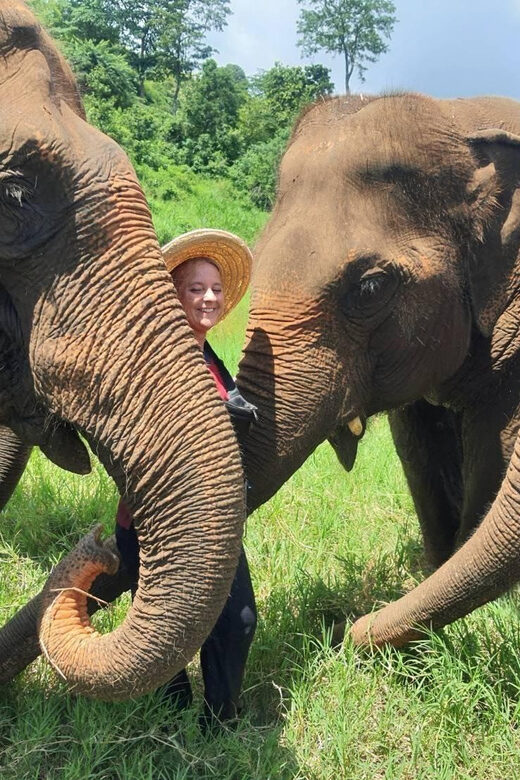
- Walking, hand-feeding, and bathing are the core activities, with no horseback riding
- Rescue-and-recovery focus: the camp describes helping abused, injured, and maltreated elephants
- Simple “no special training” experience: you just show up with an open mind
- Half-day meals included (lunch in the morning; dinner in the afternoon), plus water and a clothes-change item
- Pickup from Chiang Mai Old City within a short radius, and transport that includes cultural views
- You might even spot baby elephants during your time at the camp
What this elephant sanctuary experience really gives you
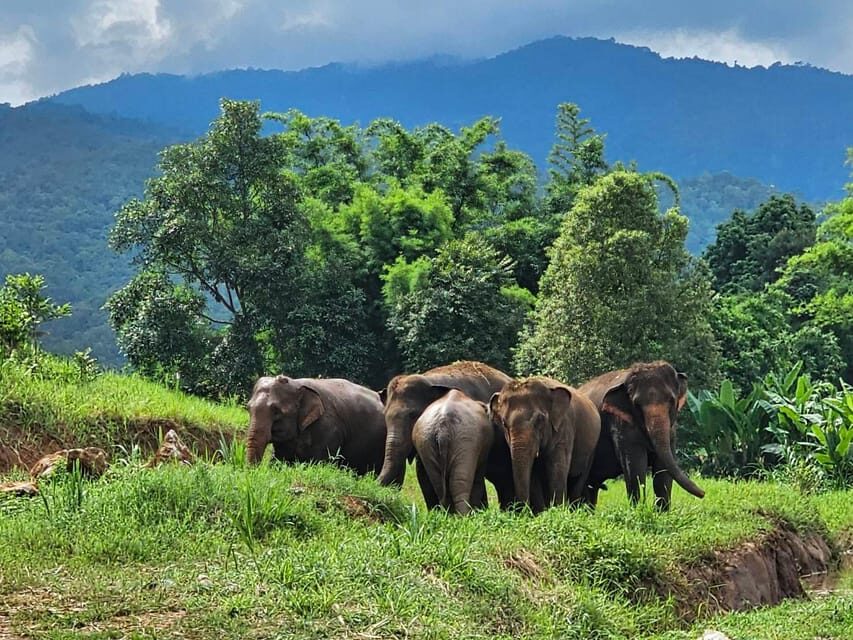
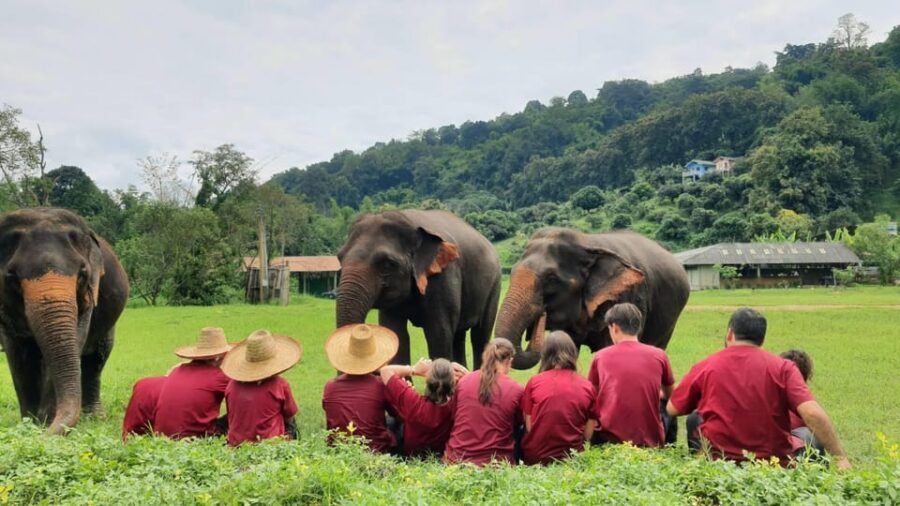
This isn’t a quick photo-stop where elephants sit still for the camera. The whole point of Rantong’s program is interaction in a controlled, gentle way: you feed, walk among the elephants, and join in bathing time. It’s the kind of experience where you stop thinking of elephants as distant attractions and start noticing how they move, pause, and communicate.
The camp also frames itself around rescue work. That matters because it shapes the tone of the day: the focus is on helping elephants have a life they deserve, built around love, understanding, and daily care. Even if you don’t know elephant behavior, the setup is meant to guide you through it without making you feel like you’re doing something risky or complicated.
Still, there’s one practical reality to hold in your head: close contact is close contact. Even in well-run places, feeding and bathing put you in the elephants’ space. If you need to feel 100% comfortable with the ethics of any hands-on program, you’ll want to come prepared with questions before you book.
You can also read our reviews of more tours and experiences in Chiang Mai.



Getting picked up from Chiang Mai Old City (and why it’s useful)
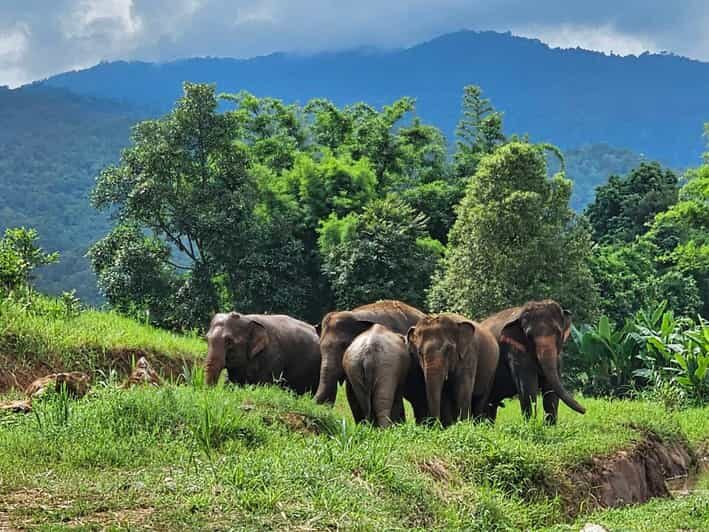
Your day starts with pickup from Chiang Mai Old City. The operator says they collect you within about a 3-kilometer radius, which is a big deal because it avoids long commutes right away. From the start, the plan is built around convenience: you don’t have to coordinate transport or figure out where to meet.
The ride itself is included, and it’s described as offering an amazing cultural view of Chiang Mai. That sounds simple, but it’s often what makes half-day tours feel complete: you get a sense of how the city connects to the areas outside the Old City, instead of going straight into “activity mode” with no context.
You’ll also return to the same pickup area at the end, which keeps your timing easy. That means you can plan dinner afterward (or earlier, depending on your time slot) without sweating routes or schedules.
The coffee, tea, lunch, and walking moments that set the pace
Before you reach the camp, the program includes a few key “warm-up” pieces. There’s time in Chiang Mai for a visit plus coffee and tea, then lunch and a guided tour element, followed by walking time and camp activities.
Why that matters: elephant days can feel intense if you rush straight into the main event. This pacing gives your brain time to switch gears. You also get a little cultural context and guidance so that when you meet the elephants, you’re not wondering what you’re supposed to do or when.
The guidance is important here because the camp states that the program doesn’t require special training. That’s reassuring if you’re nervous about handling anything unfamiliar. The goal is simple: you show up, listen carefully, and let the experienced guide team keep the experience smooth.
Meal details you can actually plan around
Food is included, but the timing depends on whether you’re on a morning or afternoon half-day.
- For the morning half-day, lunch is included.
- For the afternoon half-day, dinner is included.
In addition to the meal, you’re provided with drinking water. That’s not a tiny detail in Chiang Mai heat, especially when you’re going to be walking around and then doing water-based activities later. It’s also worth noting the program includes clothes to change during the activity, which signals they expect you to get wet and want you to feel comfortable afterward.
One more small comfort detail you’ll appreciate: you’re not just left on your own after elephant time. Several visitors describe towel and shower gel availability, which makes the end of the day feel more like a reset than a scramble.
Walking among elephants: what it feels like in practice
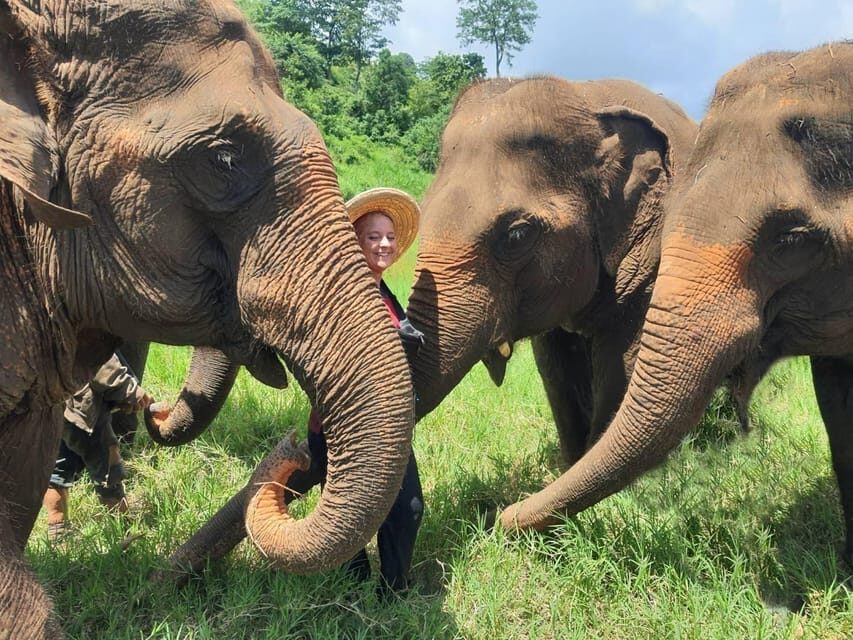
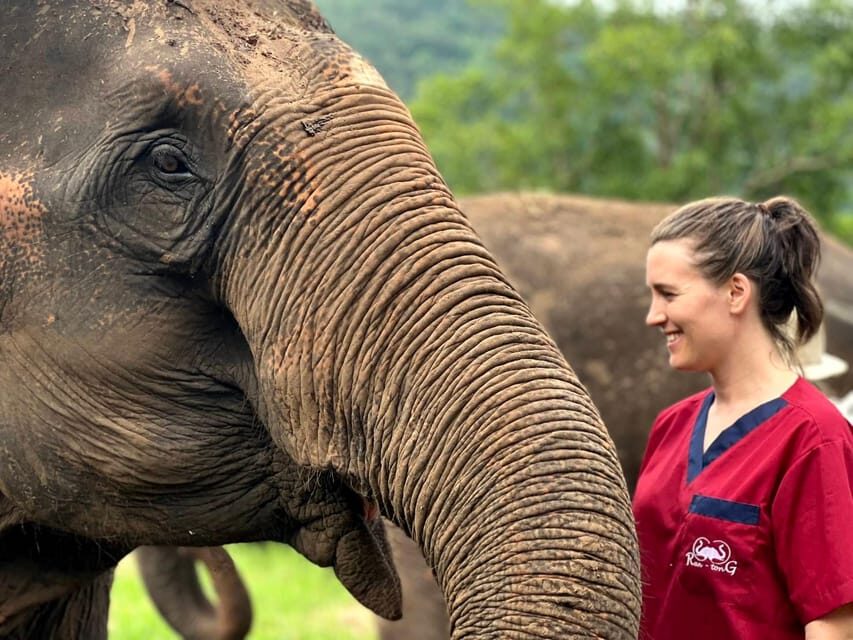
The headline promise here is hands-on connection: you’ll walk among and hand-feed the elephants. This is the “experience of a lifetime” style moment people remember. But what’s more helpful than the hype is understanding what kind of interaction it is.
This program is positioned as gentle and guided. You’re not being taught to “perform” for elephants. Instead, you’re guided toward staying calm, respecting their space, and responding to the elephants as they move. The elephants show both strength and gentleness, which is exactly the kind of contrast that makes the day feel real.
What to watch for during your walk:
- How elephants approach at their own pace
- Whether they seem relaxed when you’re close
- The way your guide positions you so you stay safe and comfortable
- How your own energy affects the situation (slow, calm movement usually feels better)
If you’re the type who likes animal behavior and wants to learn something beyond a selfie, you’ll likely enjoy that you can observe. The camp’s message is that your presence can be part of their recovery process, not just a moment of entertainment.




Bathing time: a highlight that also needs the right mindset
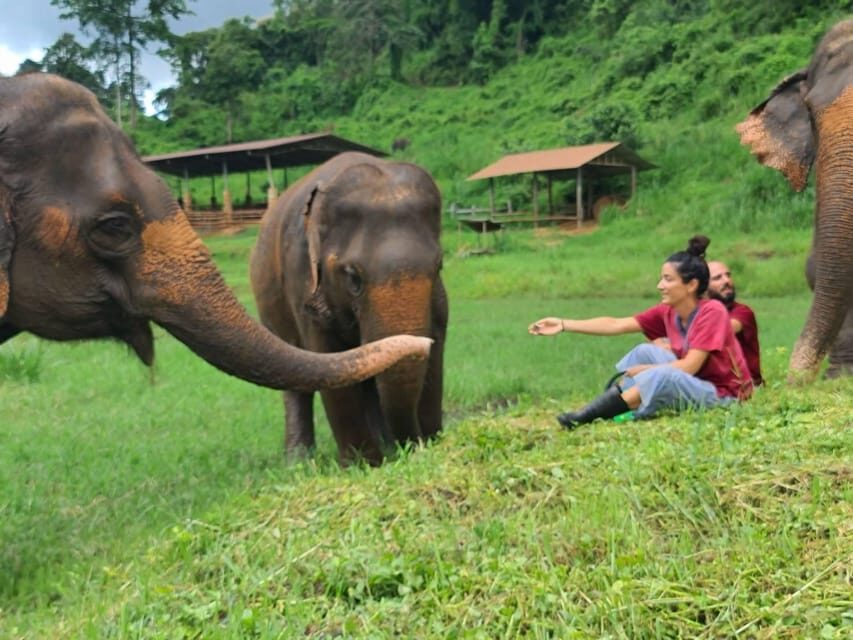
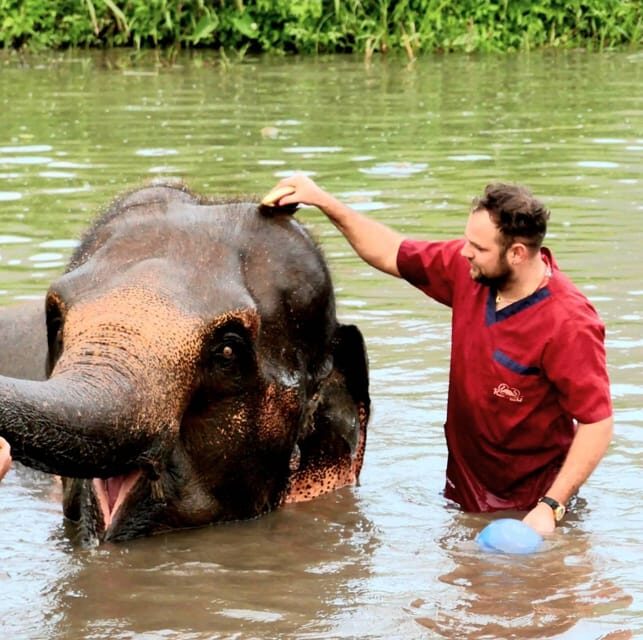
Bathing is one of the big draws. You’ll be able to bathe with the elephants as part of the camp activities. This is where the clothes-change piece becomes especially important. Expect to get wet, and plan to treat it like a real activity, not a quick dip.
In at least one experience shared, visitors were able to take a bath at the end of the activities too, with towels and bath gel provided. That’s the sort of practical detail that changes how the day feels at the finish line.
To get the most out of bathing, bring the right mindset:
- Don’t rush.
- Stay attentive to guide instructions.
- Keep your movements steady.
- If you feel uncomfortable, say so early so the guide can adjust how you participate.
Even if you’re excited, water-based activities with large animals demand respect. The best version of this experience is when you treat it like a shared care routine, not a show.
The value question: is $57 for 4 hours worth it?
At $57 per person for a 4-hour program, the price sits in the “mid-range” zone for Chiang Mai elephant experiences. Here’s why it can still feel like good value.
You’re not just paying for elephant access. The package includes:
- transport to and from Old City
- insurance
- drinking water
- food for feeding the elephants
- meal included (lunch or dinner depending on the time slot)
- clothes to change during the activity
When you add up those practical items—especially transport, insurance, and food—it becomes more than just an entrance fee. You’re paying for a planned, guided half-day where you’re set up to participate in the main activities without needing to organize extras yourself.
The one drawback to price at this level is that it won’t feel like a private experience. The program is designed for regular visitors, so it’s structured. If you’re looking for ultra-personal attention, you may or may not find it at this price point—but you will get a real hands-on program.
Ethics and the sanctuary label: how to approach this responsibly
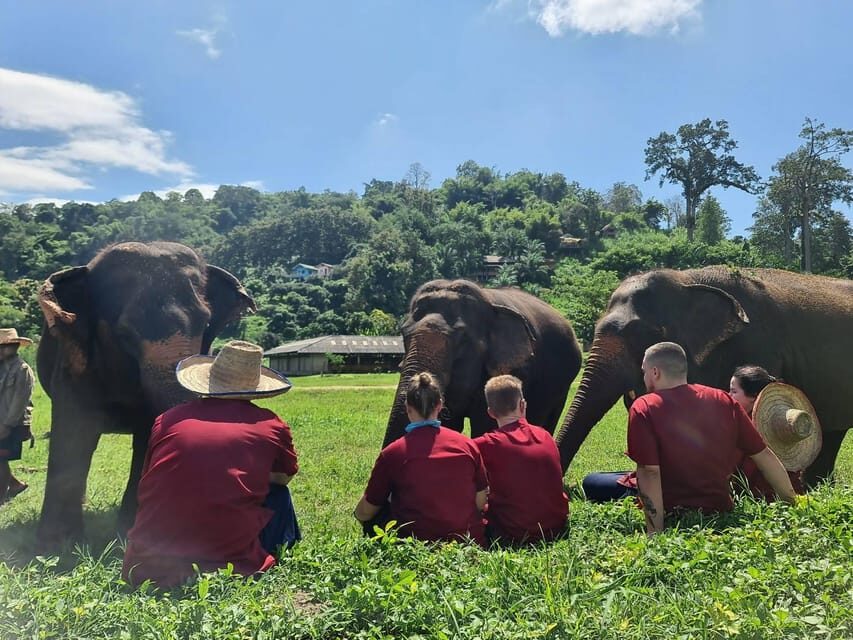
The camp describes rescuing abused, injured, and maltreated elephants and helping them live the life they deserve. That’s a serious claim, and it’s also why you should bring your questions with you.
At the same time, you might run into people who feel uneasy with the way sanctuary stories are marketed. One experience included a concern about the idea of an ethical sanctuary, suggesting that language can be polarizing.
So what should you do? Don’t get stuck in debates. Use practical checks:
- Pay attention to whether there’s no horseback riding and whether the interaction is focused on care
- Notice how the guides handle the elephants and the group
- Ask how feeding and bathing work, and what the camp’s rules are for guests
- Trust your comfort level during the close contact portion
If you feel uneasy the moment you arrive, it’s okay to step back and adjust your participation. A good guide team should be able to respond with calm guidance.
Who this tour is best for (and who should skip it)
This tour is a strong match if you want:
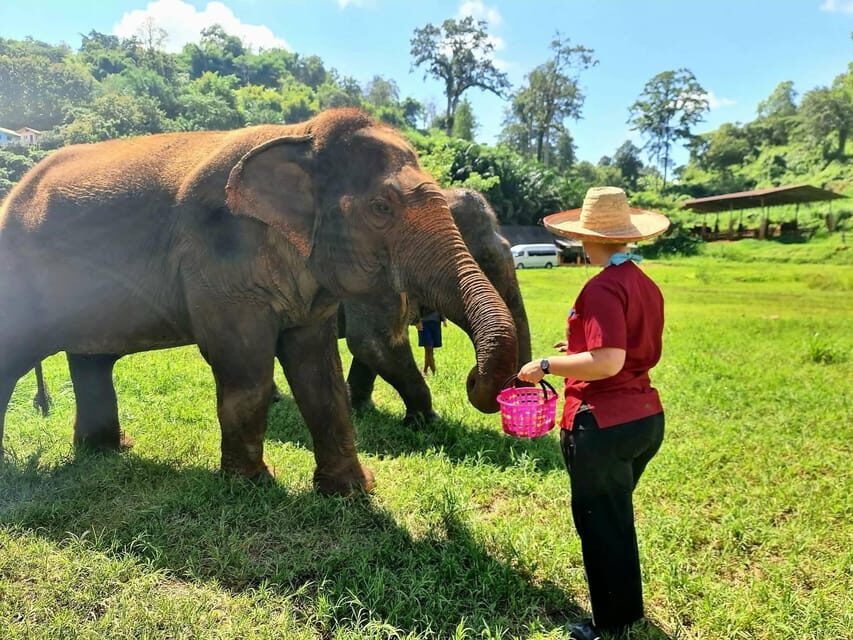
- close elephant interaction (walking, hand-feeding, and bathing)
- a guided experience with no special training required
- a day plan that includes food and practical support like water and a clothes change
- a half-day format that fits Chiang Mai itineraries without swallowing your whole day
You might hesitate if:
- you strongly prefer observing animals without any feeding or bathing
- you’re easily unsettled by hands-on contact with large animals
- you want a fully hands-off approach where you never enter the animals’ space
It also helps if you can handle a wet, active morning or afternoon. This is not a museum-style visit.
One more plus: the activity is listed as wheelchair accessible. If you use a wheelchair, the best move is to ask the operator for details about how the bathing and walking segments work in your exact case, since the tour is described as activity-based.
Practical tips to make your day smoother
A few things can make a big difference, even with a well-run program:
- Bring sandals or water-friendly footwear you’re okay getting wet
- Wear clothes that dry fast, and use what they provide for changes
- Plan your photos for your own comfort, not only for the screen
- Listen to the guide early and often, especially during walking and bathing
- If you’re worried about ethics, ask questions before you start feeding or entering the water
Also, choose your time slot based on your appetite for the day. Morning slots include lunch; afternoon slots include dinner. If you prefer to eat before getting active, pick the morning. If you like winding down after, pick afternoon.
Should you book Rantong Elephant Sanctuary?
Book it if you want a hands-on, guided half-day focused on rescued elephants, with walking, hand-feeding, and bathing and a clear no-riding stance. The value looks solid once you factor in transport, insurance, meals, and the support that helps you participate comfortably.
Don’t book blindly if you need a fully observation-only experience or if the sanctuary label triggers strong discomfort. In that case, ask questions about how guests interact and how the elephants are cared for, then decide based on your comfort.
If you go with respect, patience, and attention to guide instructions, this is the kind of day that can shift how you see elephants—from attraction to living, thinking animals with a story that still matters.
FAQ
How long is the Rantong Elephant Sanctuary tour?
The tour duration is 4 hours.
Where does the pickup happen?
Pickup is included from your hotel or accommodation within a 3-kilometer radius of Chiang Mai Old City.
Is horseback riding included?
No. The program does not require horseback riding.
What activities are included with the elephants?
The experience includes feeding, interacting, walking among the elephants, and bathing with them.
Is lunch or dinner included?
Yes. Lunch is included for the half-day morning program, and dinner is included for the half-day afternoon program.
What language is the live tour guide?
The live tour guide is available in English and Chinese.
Do I get anything for changing clothes and staying comfortable?
You are provided with drinking water and clothes to change during the activity.
Is the tour wheelchair accessible?
Yes, the activity is listed as wheelchair accessible.
What is the price per person?
The price is $57 per person.
Can I cancel for a full refund?
Free cancellation is available up to 24 hours in advance for a full refund.