REVIEW · CHIANG MAI
Half day Long Neck hill tribe and Hmong hill tribe village
Book on Viator →Operated by AP Good@travel · Bookable on Viator
Long-neck stories start in the hills outside Chiang Mai. This half-day tour is interesting because you get a guided look at Hmong and Karen long-neck village life, plus time to wander at your own pace. I especially like the included English-speaking guide with a TAT license and the practical setup—air-conditioned pickup, bottled water, and admission tickets handled for you. One thing to keep in mind: the visit includes a market-style experience in the long-neck area, so if you’re only after lifestyle and history, you may want to manage your expectations.
You’re not looking at a museum scene. This is a real community where culture is explained in human terms—how people live, what changed over time, and how the outside world (including the city) affects daily life. It’s the kind of trip that makes your photos feel less random and more meaningful.
The total time is about 4 to 5 hours, with two main village stops. It’s a good fit for a day when you want more than a temple circuit, but you don’t want a full-day commitment.
In This Review
- Key takeaways before you go
- Long-neck and Hmong villages: what you’re actually signing up for
- The 4–5 hour schedule: how it feels in real life
- Stop 1: Ban Hmong Mae Sa Mai and what the guide will explain
- What you’ll like here
- A practical consideration
- Stop 2: Karen long-neck village and the “change” conversation
- Why this stop can be valuable (even if you dislike shopping)
- One thing to watch for
- Guides and comfort details that quietly improve the day
- Price and value: what $90.99 covers (and when it feels worth it)
- Who gets the best value
- What’s not included: avoid surprise costs
- Best fit: who should book this tour (and who should be cautious)
- Practical tips for getting the most out of the villages
- Should you book this half-day hill tribe tour?
- FAQ
- How long is the tour?
- Is this a private tour?
- Do I get picked up from my hotel?
- Are entrance fees included?
- What stops are included?
- Do I have time to explore on my own?
- Does the tour include an English guide?
- What transportation do I use?
- What is not included in the price?
- Is there cancellation protection?
Key takeaways before you go
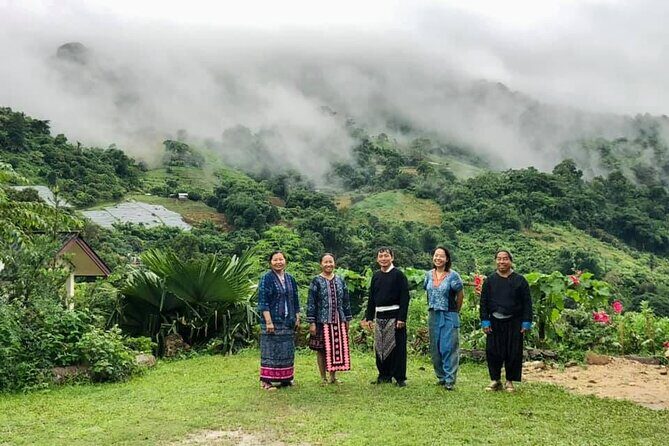
- Private tour for your group: Just your party, so you can move at a pace that works for you
- Two village stops with included entry: Hmong Mae Sa Mai first, then the Karen long-neck village
- English guide with TAT license: You’ll get context and explanations, not just drop-off visits
- Air-con transport plus bottled water: Comfort matters on Chiang Mai outskirts
- Time to explore on your own: After the explanations, you can walk around and look without rushing
Long-neck and Hmong villages: what you’re actually signing up for
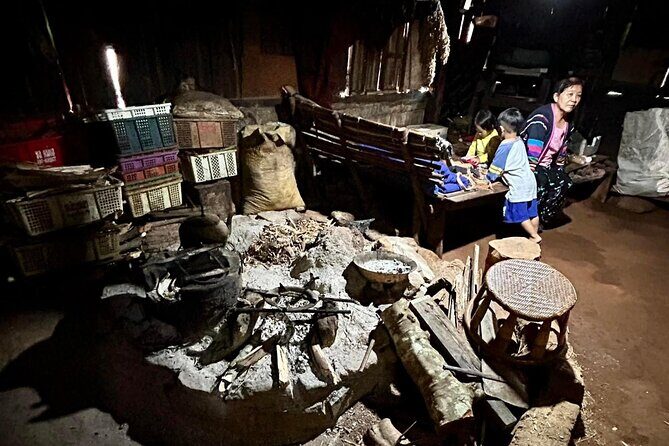
This tour is built around two specific village experiences near Chiang Mai. First you visit Ban Hmong Mae Sa Mai. Then you go to the Karen long-neck village area. Each stop is about an hour, and you’ll also get time to see things at your own pace during the visit.
The value here is not just the “see the hill tribe villages” part. It’s the guided context that helps you understand what you’re looking at. The Hmong portion covers origins and how villages formed in northern Thailand—Hmong communities trace back to southern China, with early villages established in northern Thailand in the late 1800s. The Karen long-neck portion focuses on the cultural shift from mountain-based life to the pressures of city life, including the concern that cultural knowledge can fade in newer generations.
Now, a key practical note: village visits like this can feel different depending on how you approach them. You’re likely to see curated areas, and the long-neck stop can feel more market-like than “quiet hill home.” If your goal is purely unfiltered everyday life, you might not get that exact version. But if your goal is understanding and respectful viewing—while having a guide to explain what matters—you’ll probably find the tour worthwhile.
You can also read our reviews of more tours and experiences in Chiang Mai.



The 4–5 hour schedule: how it feels in real life
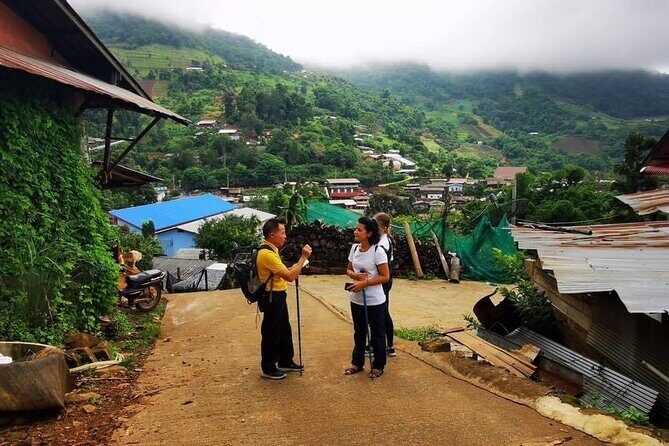
The whole outing runs about 4 to 5 hours. That matters in Chiang Mai because travel time can stretch a half-day fast, especially when pickup is involved.
What helps: you start with hotel pickup and drop-off inside the city area, and you ride in a licensed driver’s air-conditioned car or minivan. You also get bottled water, and you’re covered by travel accident insurance. In practice, this means you’re not spending your day hunting taxis, negotiating timing, or wondering how long you’ll be sitting in traffic.
It’s also structured so you’re not constantly on the move. The two stops are spaced so you can actually absorb what the guide is saying. You’ll have guided time, then you’ll have space to wander and look around yourself before moving to the next stop.
Stop 1: Ban Hmong Mae Sa Mai and what the guide will explain
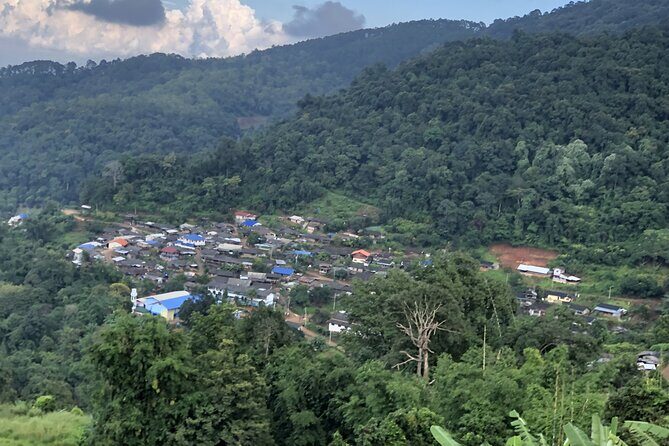
Your first stop is Ban Hmong Mae Sa Mai. The tour frames this visit with a simple, useful lesson: the Hmong Hill Tribe originally comes from southern China, and early Hmong villages in northern Thailand were established toward the end of the 19th century.
During this hour, your guide’s job is to connect those dates to what you see. That typically means explaining daily life patterns, community roles, and how culture carries forward in a place that isn’t far from modern Chiang Mai.
What you’ll like here
I like this stop because it gives you historical grounding fast. Even if you don’t remember every detail, you start to see how identity isn’t just clothing—it’s language, family structure, and community knowledge passed along.
A practical consideration
This stop is only about one hour. That’s not a lot of time if you prefer long, quiet walks with no interruptions. If you’re the type who wants deep conversation, use the guided minutes well: ask what you truly care about, then use your free time to observe.




Stop 2: Karen long-neck village and the “change” conversation
Next is the Karen long-neck village. The tour explanation centers on a theme that’s easy to understand: changes in lifestyle and material culture can affect communities that once lived a quieter life behind the mountains. The tour also points to a bigger worry—some cultural practices risk fading from the minds of younger generations, and it’s not always clear when or how that loss happens.
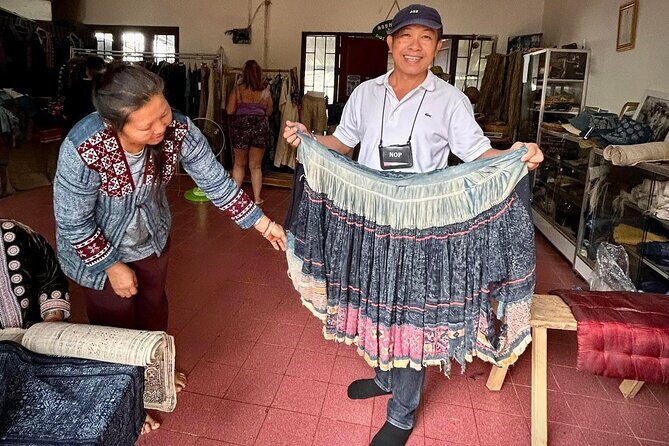
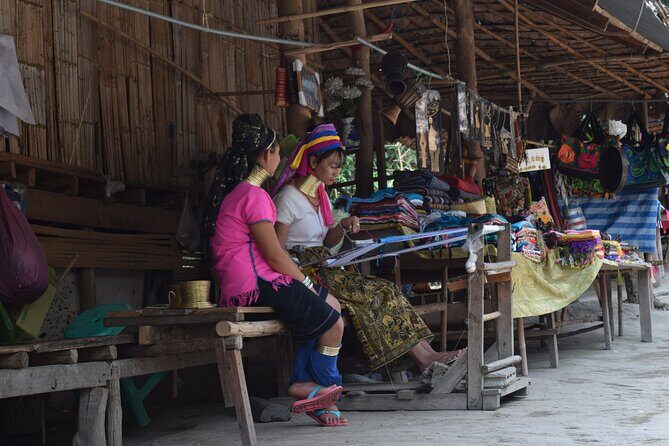
That’s the heart of this second visit. You’ll see traditional-style presentations, and you’ll also get the guide’s interpretation of why things look the way they do now. And yes, there is shopping opportunity in the long-neck area, so expect a market atmosphere alongside cultural viewing.
Why this stop can be valuable (even if you dislike shopping)
If you treat the shopping part as optional—rather than the main event—you can still get a lot from the visit. You might see textiles and handmade items that reflect identity, not just products for sale. And if you’re curious, your guide can usually explain what you’re seeing and how it connects to life in the village.
One thing to watch for
If you’re sensitive to anything that feels staged, give yourself permission to slow down and observe without feeling pressured. Focus on the storytelling and the environment, not on buying something to justify your time.
Guides and comfort details that quietly improve the day
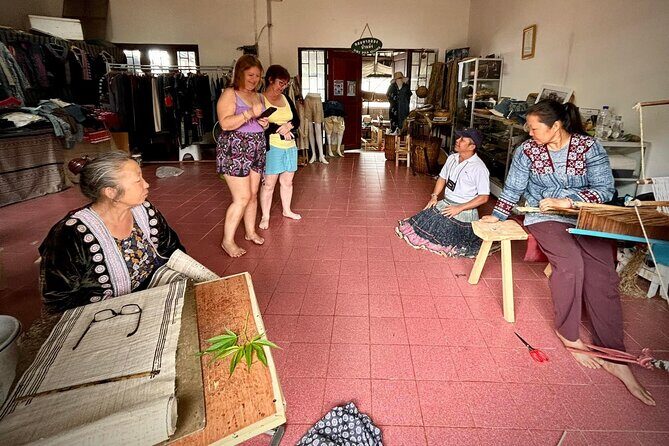
The experience is set up as a private tour, meaning only your group participates. That makes a big difference compared with crowded group tours, because you’re not competing for the guide’s attention.
The other big win is the guide quality. From the names and descriptions tied to this experience, I’d expect an English-speaking guide with strong communication. Guides such as Gobi, Bee, and others named Nui and Boo have been described as fun, with good English, and ready to explain clearly.
You’ll also benefit from the transport setup:
- Air-conditioned car/minivan ride
- Licensed driver
- Pickup/drop-off inside the city area
- Bottled water
- Travel accident insurance
These are small things, but they matter. When you’re out for a half-day, comfort and clear timing stop the day from feeling stressful.
Price and value: what $90.99 covers (and when it feels worth it)
At $90.99 per person, this isn’t the cheapest way to see villages. But the pricing makes more sense when you look at what’s included:
- Private transportation with a licensed driver
- English-speaking guide with a TAT license
- Entrance fees included for the stops
- Bottled water
- Hotel pickup/drop-off within the city area
- Travel accident insurance
If you compare this to cobbling together a driver plus entry tickets plus a guide, the structure starts to look efficient. It’s paying for coordination and explanation, not just transport.
It’s also helpful to know the average booking window: on average, this is booked about 27 days in advance. If you want a specific pickup time or you’re traveling during a busy stretch, planning ahead helps.
Who gets the best value
You’ll likely feel the best value if:
- You want a private format (your group, your pace)
- You don’t want to spend time negotiating logistics
- You prefer an English guide to interpret what you’re seeing
What’s not included: avoid surprise costs

The tour includes a lot, but a few things are not covered. You’ll need to plan for:
- Personal expenses
- Alcohol and soft drinks
- Optional add-ons
- Hotel pickup/drop-off outside the city area
- Tipping/gratuities (not included)
This isn’t unusual, but it’s worth thinking about. Long-neck and Hmong village areas can encourage purchases. If you don’t want to buy anything, that’s fine—just keep your focus on the visit itself and set a realistic budget for any snacks or drinks you choose to add.
Best fit: who should book this tour (and who should be cautious)

This experience is a strong match if you want:
- A short outing with two different cultural viewpoints
- Guided explanations with time to look around on your own
- An easy logistics plan (pickup, guide, transport, entry tickets included)
It’s also a good option if you’re traveling as a couple or small group and you want to avoid rigid group scheduling.
You might want to think twice if:
- You only enjoy low-pressure, no-shopping-style cultural visits
- You want all-day immersion (this is a half-day)
- You get uncomfortable with any curated presentation (the long-neck stop can feel more market-like)
One more note: the tour says most travelers can participate, but nothing specific is listed about mobility needs beyond that.
Practical tips for getting the most out of the villages
Here’s how to make the most of the visit in a respectful, low-stress way:
- Ask your guide questions early. If you wait, you’ll run out of time.
- Use the “own pace” moments for observation—watch how people move through the spaces, and don’t rush to the next photo.
- Bring a realistic mindset about change. The Karen long-neck explanation includes the idea that modern life affects culture over time, and that’s part of what you came to understand.
- If you’re interested in textiles or items for sale, treat it like cultural context. Ask what the material or pattern connects to before you decide anything.
Should you book this half-day hill tribe tour?
If you want a straightforward half-day cultural experience near Chiang Mai—with English guidance, two village stops, included entrance fees, and the comfort of private transport—this is an easy “yes.” The biggest strength is the guide-led context, especially the way the tour explains origins and how culture shifts over time.
But if you’re expecting a quiet, untouched village experience with zero market vibe, you may feel a mismatch at the Karen long-neck stop. In that case, you can still enjoy the guided storytelling and use the time wisely—but go in with flexible expectations.
If you’re okay with a respectful, curated visit that balances history, everyday life, and modern change, this is a solid use of your half day.
FAQ
How long is the tour?
The duration is about 4 to 5 hours.
Is this a private tour?
Yes. It’s a private tour/activity, and only your group will participate.
Do I get picked up from my hotel?
Pickup and drop-off are included inside Chiang Mai city area.
Are entrance fees included?
Yes. Admission tickets for the two stops are included.
What stops are included?
The tour includes Ban Hmong Mae Sa Mai (Hmong hill tribe village) and the Karen long-neck village.
Do I have time to explore on my own?
Yes. The experience includes time to see sights at your own pace during the visits.
Does the tour include an English guide?
Yes. The guide is English speaking and has a TAT license.
What transportation do I use?
You’ll ride in a private air-conditioned car or minivan with a licensed driver.
What is not included in the price?
Personal expenses, alcohol and soft drinks, optional tours, pickup/drop-off outside the city area, and tipping/gratuities.
Is there cancellation protection?
Yes. You can cancel for a full refund up to 24 hours in advance of the start time.