REVIEW · CHIANG MAI
No.1 Chiang Mai: 4-Hour ancient city “Wiang Kum Kam” Cycling Tour
Book on Viator →Operated by Chiang Mai Mountain Biking & Kayaks · Bookable on Viator
One smooth morning ride can beat hours of wandering. This 4-hour Wiang Kum Kam cycling tour mixes real countryside pedaling with the uncovered remains of an ancient city by the Ping River, plus an included Thai lunch. I love the way the route gradually shifts from town life to rice fields and plantations, and I also like the hotel pickup and drop-off that removes the usual Chiang Mai logistics headache. One thing to consider: this is a relaxed ride, but it still means you’ll spend a few hours on a bike—so bring the right expectations if you want zero effort.
You start with a quick orientation and proper setup, then head across the river toward Wiang Kum Kam, where you’ll learn how this fortified city was associated with King Mengrai in the 13th century. After that, you get a guided countryside stretch and a lunch stop designed for comfort, including vegetarian and vegan options.
The best part is that it feels personal. The group max is 15 travelers, so the pace stays easy and you’re not stuck listening to a guide shout over everyone else.
In This Review
- Key Points You’ll Care About
- First Pedal: 9:30 Pickup, Pro-Shop Setup, and Getting Your Bearings
- Crossing to Wiang Kum Kam: The 13th-Century Ruins Along the Ping River
- The Ride Between Stops: Rural Villages, Rice Paddies, and Plantation Pass-Bys
- Lunch on the Clock: A Thai-Style Meal That Keeps the Day Comfortable
- Mountain Bike Comfort and Real Safety Extras
- Price and Logistics: Why $56.97 Can Be Fair Value
- Who Should Book This Wiang Kum Kam Cycling Tour?
- Should You Book It?
- FAQ
- What time does the tour start?
- How long is the cycling tour?
- Where does the tour go first?
- Is lunch included?
- What bike and safety gear are provided?
- Is pickup and drop-off included?
- Is admission included for Wiang Kum Kam?
- How big is the group?
- Is a mobile ticket provided?
- How does cancellation work?
Key Points You’ll Care About
- Pickup at 9:30 am with round-trip convenience, so you’re not figuring out transport before your ride
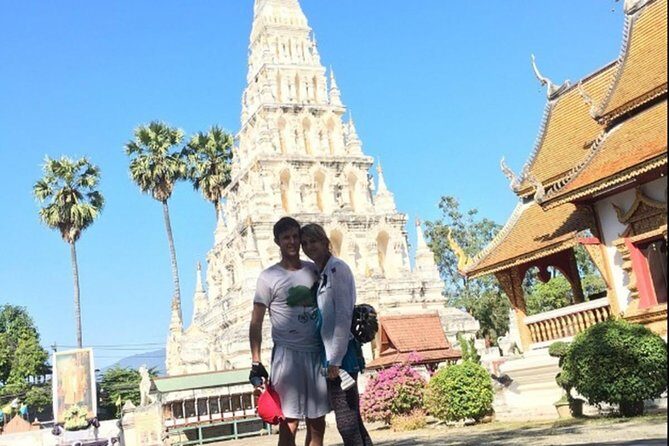
- Wiang Kum Kam ruins on the Ping River, tied to the 13th-century fortified city era under King Mengrai
- Vegetarian and vegan lunch included, which is rare enough that it’s worth celebrating
- Well-maintained mountain bikes plus helmet and gloves, so you can focus on the scenery, not discomfort
- Hydration provided all day, including bottled water and a hydration backpack
- Small groups (max 15) with guided pacing that suits a broad range of riders
First Pedal: 9:30 Pickup, Pro-Shop Setup, and Getting Your Bearings
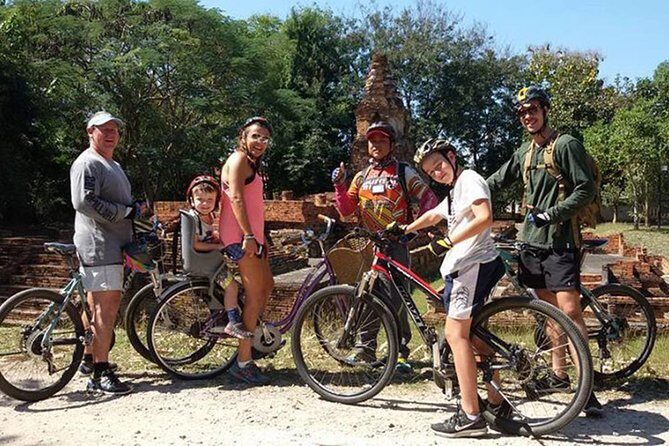
This tour is built for an easy start. You meet at 9:30 am with hotel pickup, then your group heads toward the adventure office and the bike setup area. Before you roll, you get a Google Earth orientation at the pro-shop. It’s not just a gimmick—this matters because you’re about to visit a ruin site along the Ping River, and having a mental map makes the place feel much clearer while you’re there.
You’ll ride a high-quality mountain bike in appropriate sizes, and the shop lets you do a short test ride if you want to make sure the fit feels right. You also get safety gear that keeps things sensible: a helmet and gloves. It’s a small thing, but after you’ve seen enough bikes in Asia with questionable brakes, it’s nice to know this one comes with proper basics.
Hydration is handled for you. You get water for hydration packs and bottled water during the tour, and you’ll have the hydration-backpack provided for the excursion. This is a value add in Chiang Mai, where the heat can sneak up on you during an outdoor morning.
Finally, there’s an escort with first aid and CPR certification. I don’t expect you to need it, but knowing it’s part of the plan helps the whole day feel more controlled and less like you’re just renting gear and hoping for the best.
You can also read our reviews of more cycling tours in Chiang Mai

Crossing to Wiang Kum Kam: The 13th-Century Ruins Along the Ping River
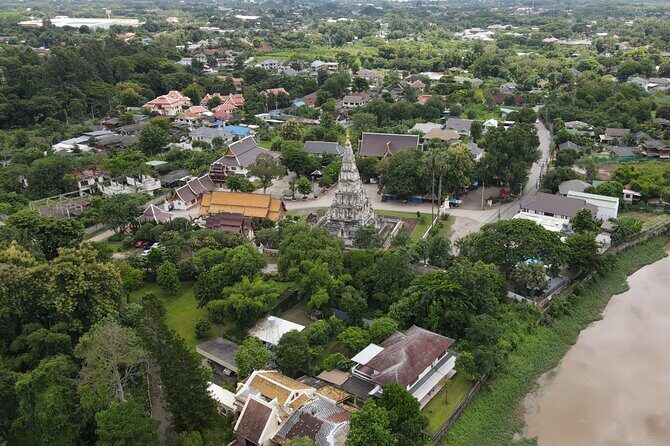
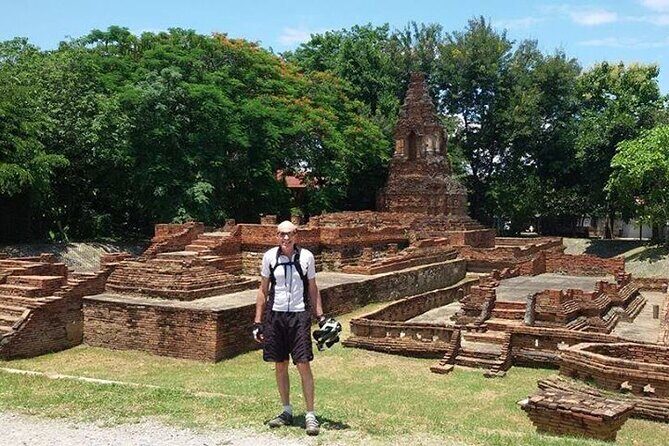
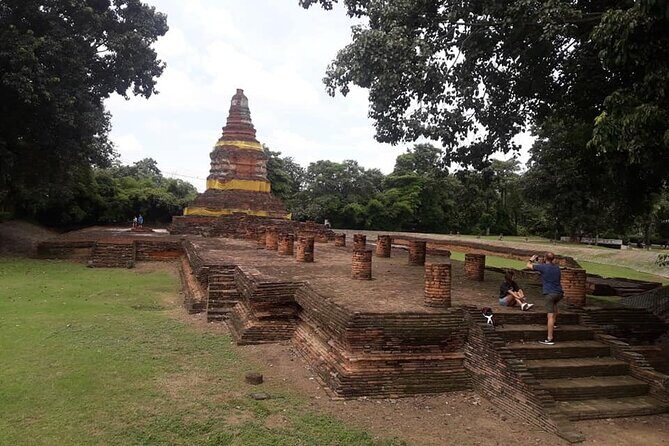
The first big highlight is the Wiang Kum Kam stop. Your route takes you across the Ping River, then toward the uncovered remains of an ancient city. This is where the tour earns its history time, because it isn’t a rushed stop at a view platform. You get to walk around the ruins area and get guidance that connects what you’re seeing to how this fortified city was built and used.
You’ll learn that Wiang Kum Kam is tied to the era of King Mengrai in the 13th century. The key word here is reinforced: fortified cities were designed to hold power and people, not just impress travelers with old stones. Standing near ruins that were meant to function as a city gives you a better sense of why this location mattered—especially with the river so close.
What I like about this stop is the balance. You get enough context to make the place feel meaningful, but you’re not forced into a long lecture. If you’re the type who enjoys figuring out how places worked—who lived where, how cities were protected—you’ll probably appreciate this more than a quick sightseeing photo break.
A practical note: ruins can mean uneven ground. You’ll be fine if you’re comfortable walking, but if you’re planning to wear flip-flops for the whole day, think again. Lite hiking shoes are available at the pro-shop, along with padded shorts and jerseys. That’s your clue that comfortable riding matters here.
Admission is also handled in a straightforward way. The admission ticket is free as part of the experience, so you’re not hunting for additional payments once you arrive.
The Ride Between Stops: Rural Villages, Rice Paddies, and Plantation Pass-Bys
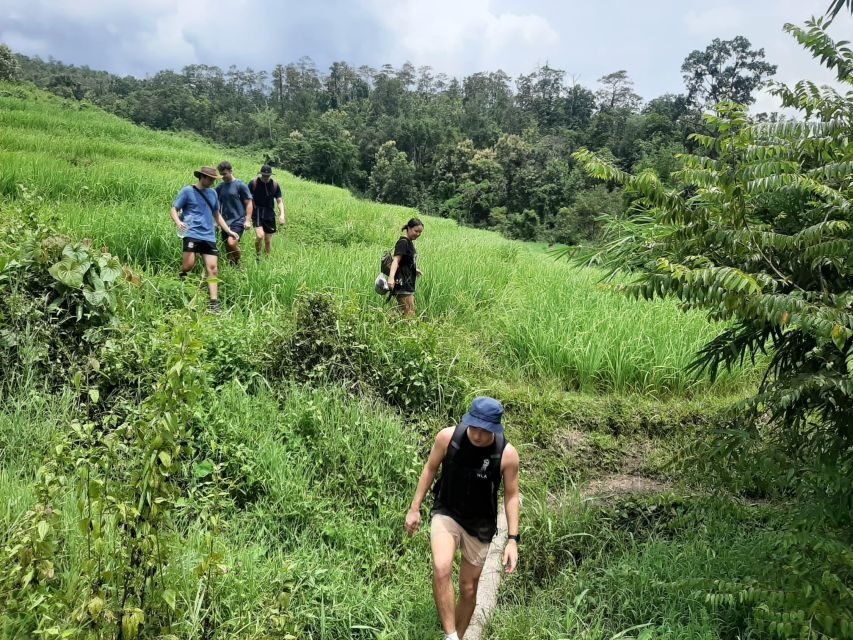
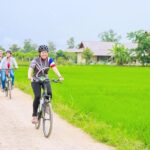
After Wiang Kum Kam, the tour shifts gears from ruins to rhythm. You continue with a guided ride that follows the river and heads through rural villages south of Chiang Mai. This is the part that tends to make cyclists smile, because it feels like you’re slipping out of the city without needing complicated transit.
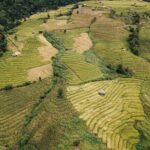
You’ll pass local villages and see stretches of rice paddies and plantations. The guide talks through what you’re seeing and how the scenery changes as you leave the city behind. There’s also a nice detail: the plantations remind you that fruits in season are part of the everyday economy here, not just something you buy at a market.
The pace is described as relaxed, and that’s exactly what you want for this kind of half-day format. The goal isn’t to train for a marathon. It’s to enjoy the ride, take in daily life, and move at a speed where you can actually notice things.
Two rider notes from real-world comfort points:
- The terrain is generally flat, which helps a lot if you’re not used to hills or if you’re coming off a few days of feeling under the weather.
- The tour is easy enough for anyone who can ride a bike, since you’re not being asked to handle technical trails or big climbs.
If you get motion sick in cars or buses, you’re still on a bike, so you may want to be mindful. But because the ride is meant to be leisurely, it usually won’t feel like a rough roller-coaster day.
Lunch on the Clock: A Thai-Style Meal That Keeps the Day Comfortable
Lunch is included, and it’s one of the most practical parts of the itinerary. You stop at a local restaurant for Thai-style lunch, and it’s built for comfort after a couple hours of riding.
Vegetarian and vegan options are available, which is genuinely useful in Chiang Mai where food is often centered on meat and seafood. If your group includes non-meat eaters, this inclusion can save you from that awkward restaurant scramble mid-tour.
From a value standpoint, lunch is where half-day tours often fall short—they call it included, but it turns out to be small or basic. Here, the meal is at a local Thai restaurant, and the tour format suggests it’s meant to reset you before the ride back. You won’t need to plan where to eat; you just focus on the next pedal stretch.
Timing also matters. You return to Chiang Mai around 3:00 pm. That means your afternoon is still open for temples, night markets, or a massage—no need to build your day around getting hungry later.
Mountain Bike Comfort and Real Safety Extras
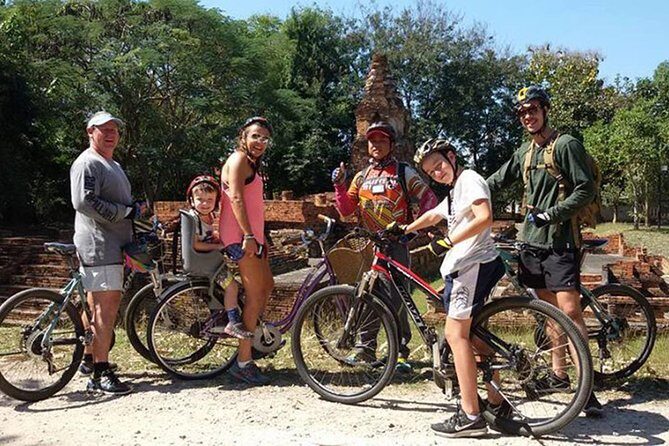
This isn’t one of those tours where you’re stuck with whatever bicycle is left on the rack. You get a well-maintained mountain bike, with multiple sizes. There’s even a test ride at the pro-shop so you can adjust your expectations early.
Safety gear is covered in the essentials: helmets and gloves. The gloves especially help if the ride gives you friction from handlebars in warm weather. Add in the hydration pack and you’ve got a setup that’s made for being outdoors longer than a quick photo stop.
Then there’s the insurance and emergency readiness layer. You’re asked to provide passport details at check-in for insurance identification. I don’t love sharing documents with random places, but you want to know this is tied to a formal insurance process rather than vague promises.
Also, you don’t have to worry about medical emergency planning being absent. The instructors are certified in First Aid and CPR. Again, you hope you never need it—but it changes the vibe of the day.
Lastly, there are extra comfort add-ons available at the pro-shop: padded shorts, jerseys, and lite hiking shoes. You don’t have to take them, but if you’re sensitive to saddle discomfort or you want better grip for walking around ruins, those items are worth considering.
You can also read our reviews of more city tours in Chiang Mai
Price and Logistics: Why $56.97 Can Be Fair Value
At $56.97 per person for about 4 hours, this tour can be good value if you care about three things: guided time, simple transportation, and a built-in meal.
Here’s why it can add up:
- Pickup and drop-off are included, which in Chiang Mai can cost extra or burn your time if you handle it yourself.
- You get a guided cycling route with narration and context, not just a bike rental.
- Lunch is included with vegetarian and vegan options.
- Bike, helmet, gloves, hydration, and safety coverage are all provided.
- Admission is free, so you’re not paying extra at the ruins.
It’s also booked fairly far in advance on average (about 24 days), which suggests demand is steady. If you want your preferred time and you’re traveling during peak season, I’d treat booking early as the smart move.
The maximum group size is 15 travelers, which keeps the experience from turning into a big commuter ride. Small groups often feel more flexible, especially when someone needs a breather or when the pace needs adjustment.
Who Should Book This Wiang Kum Kam Cycling Tour?
This is a strong fit if you want:
- Ancient sights without a frantic schedule
- A relaxed bike ride through countryside you’d never see on foot in half a day
- Clear guidance that helps you understand why Wiang Kum Kam mattered in the 13th-century fortified city era under King Mengrai
- A day that includes food, water, and gear—so you travel lighter
If you’re newer to cycling, this is likely to feel manageable. One of the practical comforts from past riders is that the terrain is generally flat, and the ride is described as suitable for anyone who can ride a bike. If you’re returning from being sick, that flat pacing is also a big reason this tour works well.
You might want to skip it if you’re looking for an intense mountain-bike challenge or want a full-day program with multiple major stops. This one is designed as a half-day blend: ruins plus countryside, then you’re back by around 3:00 pm.
Also, if you’re picky about lunch style and don’t eat Thai food, you’ll want to check the idea of a local Thai lunch with your group preferences. Vegetarian and vegan options help, but it’s still Thai-focused.
Should You Book It?
If you want a half-day with real scenery, structured guidance, and no transport headaches, I’d say yes. This tour hits a sweet spot: Wiang Kum Kam ruins for context, a guided countryside ride for everyday-life views, and a Thai-style lunch that’s included and accommodates vegetarian and vegan diets.
Book it if:
- You like bikes but don’t want punishment
- You care about ancient places but prefer the “learn as you go” style
- You appreciate small groups and practical safety planning
Skip it if:
- You want a high-adrenaline ride with steep climbs and technical terrain
- You strongly prefer unguided travel only, with no structure at ruins
FAQ
What time does the tour start?
The tour starts at 9:30 am, with hotel pickup scheduled for that morning time.
How long is the cycling tour?
The tour runs for about 4 hours.
Where does the tour go first?
You cycle to Wiang Kum Kam, crossing the Ping River to visit the uncovered remains of the ancient city.
Is lunch included?
Yes. Lunch is included, with vegetarian and vegan options available.
What bike and safety gear are provided?
You get a high-quality mountain bike and safety gear including a helmet and gloves. Hydration is also provided.
Is pickup and drop-off included?
Yes. The tour offers pickup and drop-off from your Chiang Mai hotel.
Is admission included for Wiang Kum Kam?
Yes. The admission ticket is free as part of the experience.
How big is the group?
The tour has a maximum group size of 15 travelers.
Is a mobile ticket provided?
Yes. The experience includes a mobile ticket.
How does cancellation work?
You can cancel for a full refund if you cancel at least 24 hours before the experience’s start time.