REVIEW · CHIANG MAI
From Chiang Mai: Mae Taeng Valley and Waterfalls Cycle Tour
Book on GetYourGuide →Operated by Active Thailand · Bookable on GetYourGuide
Cycling to temples and waterfalls beats pure sightseeing. I love how the ride slips through Mae Taeng Valley on quiet roads and trails, with real stops for rice farming and rural life. I also love the Thai lunch in a tropical garden, which actually feels like a reset, not just a token meal. One consideration: it is a leisurely countryside bike day (about 20–25 km), so if you want hard-core mountain biking or long downhill action, this route won’t scratch that itch.
This trip is built for a small group (up to 12) with an English guide and a proper bike fit before you roll. You’ll pedal mostly flat terrain, but expect a little variety—some narrow trail moments, and in wetter seasons it can get muddy, so bring your best sunscreen and bug spray.
In This Review
- Key Highlights You’ll Remember
- From Chiang Mai to Mae Taeng: The Day’s Rhythm Starts Fast
- The Bike Ride Itself: Mostly Flat, With Real-World Terrain
- Morning Village Life: Rice Farming Lessons You Can See
- Wat Ban Den: A Temple Stop That Breaks Up the Heat
- Lunch in a Tropical Garden: Thai Set Lunch With Fuel
- The Buatong Sticky Waterfalls Reset: Swim Time, Not Just Looking
- Guides and Group Size: Small Team, Easy-to-Handle Pace
- Price and Value: Why $73 Can Actually Make Sense
- Who This Tour Is Best For
- Should You Book This Mae Taeng Valley Cycling and Waterfalls Day?
- FAQ
- How long is the tour?
- How far do I ride?
- What’s included in the price?
- Can I swim at the sticky waterfalls?
- What should I bring?
- Is luggage allowed?
- Is the group small and is the guide English-speaking?
- Is there a cancellation option?
Key Highlights You’ll Remember
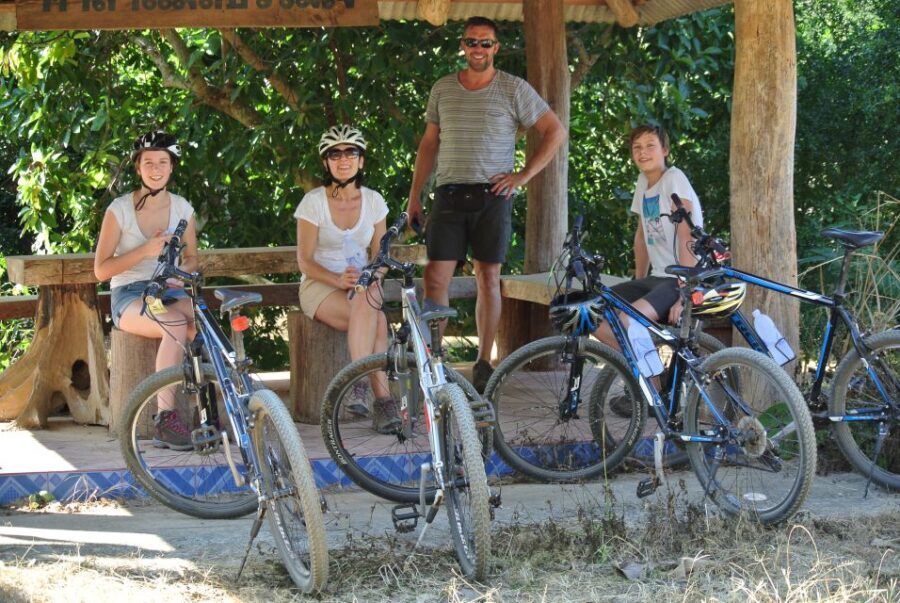
- Quiet Mae Taeng Valley roads and trails instead of traffic-heavy routes
- Rice-farming and village-life lessons tied to what you see all day
- Wat Ban Den’s intricate temple details as a cool, cultural break
- Thai set lunch plus snacks and water to keep energy steady
- Bua Thong sticky waterfalls with swimming time to cool down
From Chiang Mai to Mae Taeng: The Day’s Rhythm Starts Fast
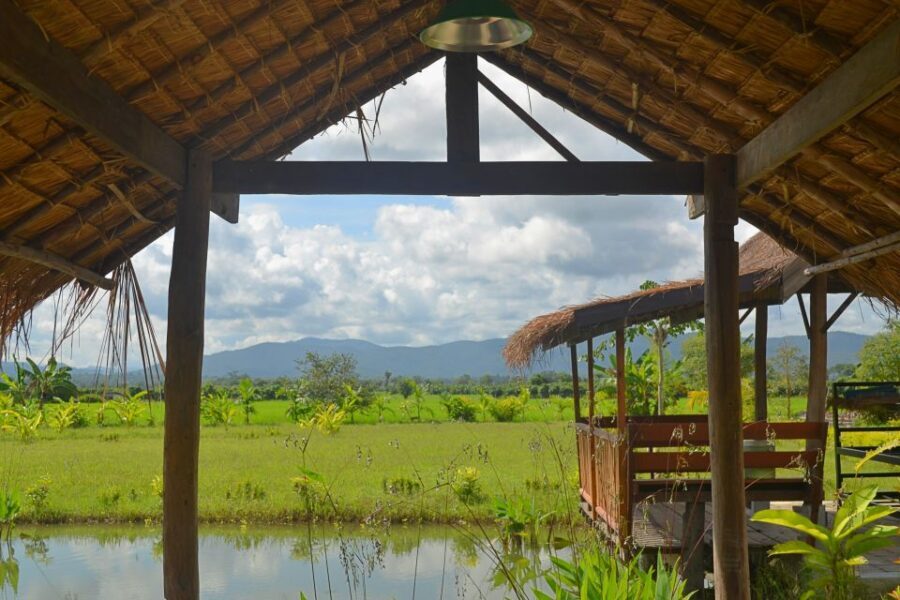
You start in Chiang Mai with hotel pickup, then a van ride to the heart of Mae Taeng Valley. The timing matters here: you’re not just dropped at a random trailhead. You get a briefing, bike fitting, and then you ease into the countryside while locals are already in motion.
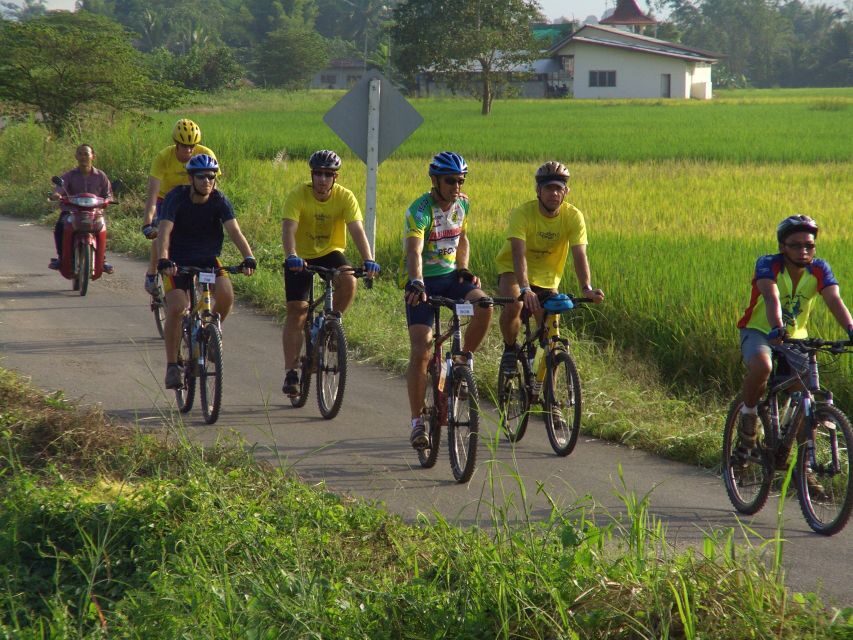
Once you’re on the bike, the vibe changes quickly from city heat and noise to farmland routines. Expect a leisurely pace through scenic countryside, with little-used roads and trails that feel removed from tourist routes. This is where the tour earns its keep: you’re not only seeing scenery, you’re moving through it at human speed.
Bike days work best when the group stays together. With this setup, it does. And because the group is small, the guide can adjust stops and the ride flow if you’re slower or want slightly more time riding versus taking a vehicle option.
You can also read our reviews of more cycling tours in Chiang Mai

The Bike Ride Itself: Mostly Flat, With Real-World Terrain
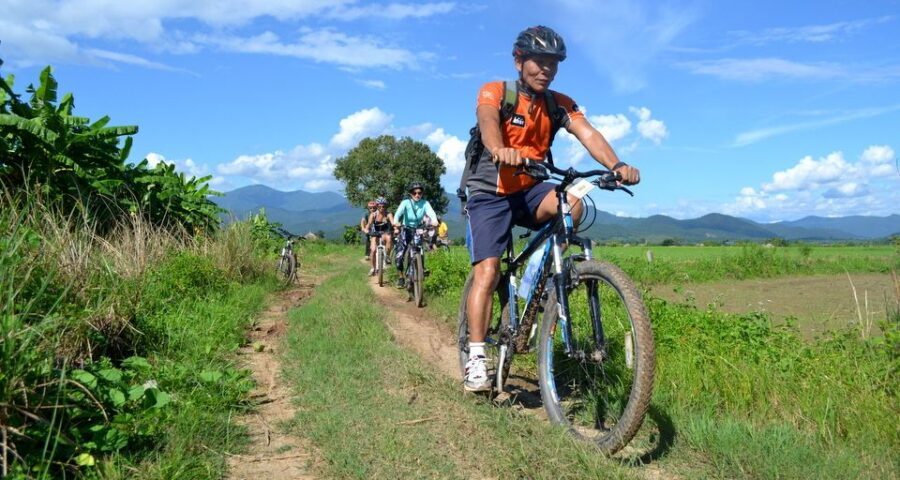
The cycling portion is about 20 to 25 kilometers and mostly flat, which is exactly what you want for an enjoyable Thai countryside day. You’ll cover enough distance to feel the legs, but the pace is set so you can chat, look around, and take in what’s going on along the route.
That said, it is still a bike ride outdoors. Some sections can be narrow and run through forested areas, and a guide may find alternate paths depending on conditions. In rain season, you should expect mud and slicker ground, even if the overall route is described as leisurely. One steep downhill section has also shown up in past experiences, so don’t go into this assuming flat means zero challenge.
Practical tip: before you roll, do a quick check of brakes and gears. At least one rider noted the need for brake and shifting tuning on their bike, and the fact that they were still able to finish doesn’t mean you should ignore how your bike feels at the start. If something feels off, say something right away—your ride will be more relaxing if the bike works properly from minute one.
Morning Village Life: Rice Farming Lessons You Can See
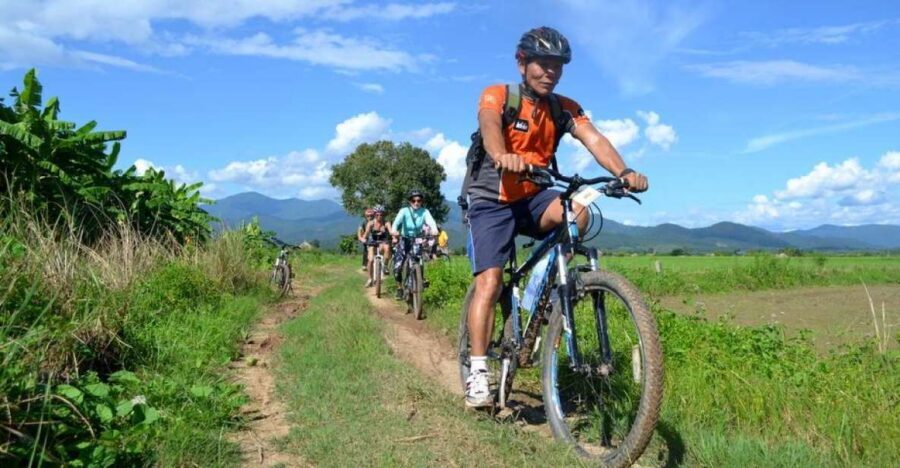
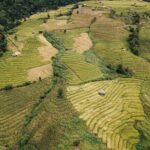
One of the best parts is that the stops aren’t generic photo moments. The guide ties what you’re riding past to how local people grow food—especially rice. You’ll learn about rice cultivation and what farmers do through the day, and those explanations make the paddies and fields feel less like a backdrop and more like a working landscape.
You’ll also see how fields connect to everyday rural life: farm areas, plantations, and quiet stretches where you notice morning chores and the small infrastructure of farming. This is the kind of learning that lands because it’s paired with visuals. If you like agriculture, nature, or just understanding how people actually live outside the city, this portion is your payoff.
And yes, there are snacks and water along the way. That matters on hot days, and it helps you avoid the common problem of energy crashing halfway through. The route is meant to be steady, not punishing.
Wat Ban Den: A Temple Stop That Breaks Up the Heat
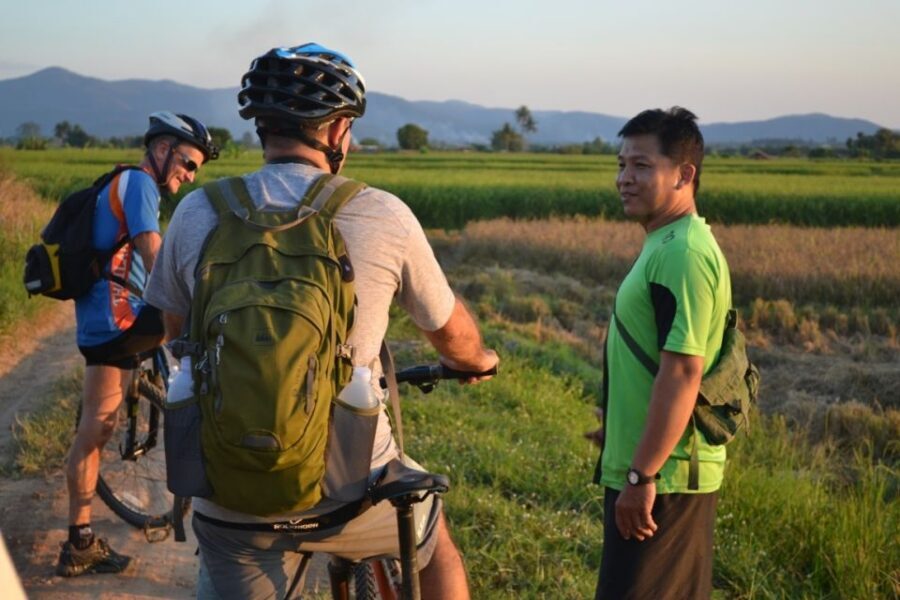
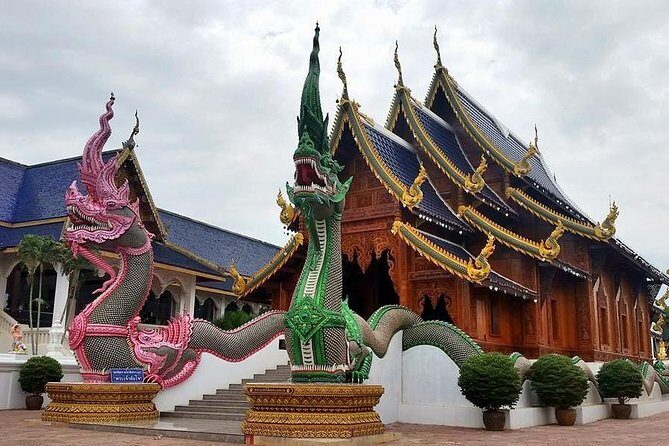
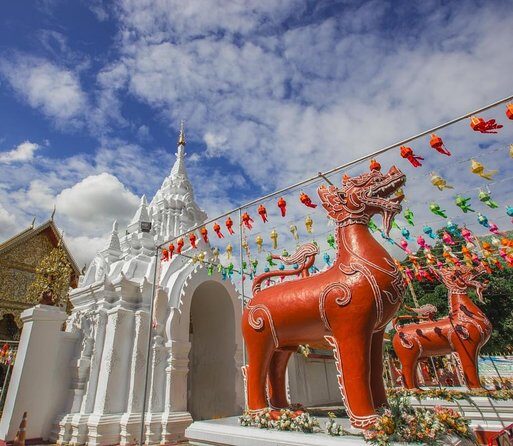
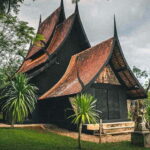
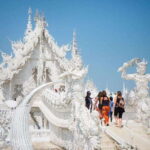
After the morning ride, you’ll reach Wat Ban Den, one of the big temple sights in the area. This is not a long “museum tour” stop. It’s more like a focused visit where you can slow down, look carefully, and enjoy the intricate details of Buddhist architecture and worship spaces.
The temple stop works well because it creates balance in the day. You’re cycling, then you shift into walking and observing. Even if you’re not a temple person, it’s still valuable because it grounds the countryside route in local culture rather than treating the area as scenery only.
Practical note: bring a light layer or a sarong. The tour packing list includes a sarong, and it’s useful for covering up when you’re inside or near religious spaces. It’s also handy if you want something breathable once the cycling sun hits.
Lunch in a Tropical Garden: Thai Set Lunch With Fuel
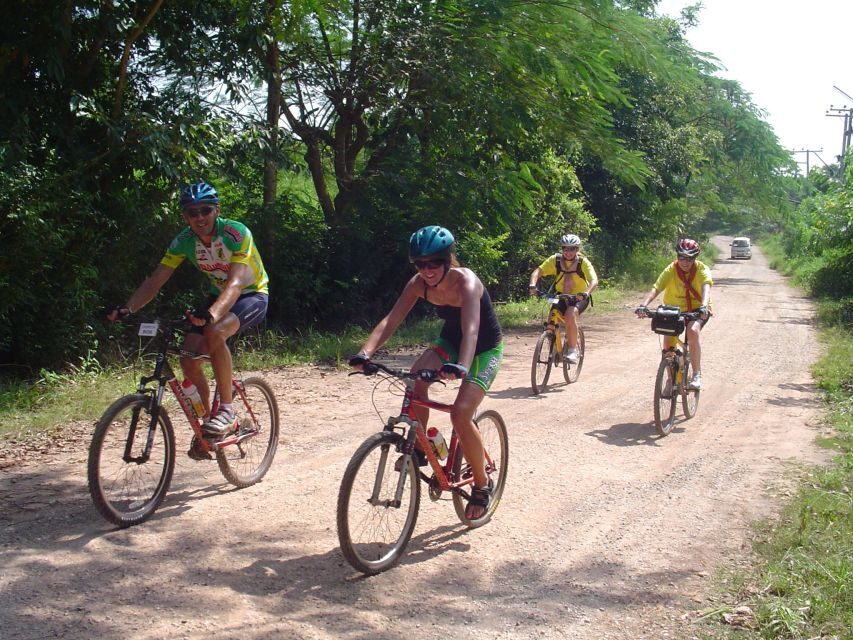
Lunch comes after the morning sightseeing and riding, served at a local restaurant in a garden setting. The Thai set lunch is the centerpiece, and it’s the kind of meal that sticks with you because it’s satisfying and timed well.
Past riders have specifically called out dishes like khao soi, and they’ve also mentioned the portions can be large. Add in seasonal fruits and you get a lunch that feels complete, not just a box checked by the tour company.
This break is also strategic. You cool down, you hydrate, and you refuel before the afternoon segment. If you only eat a tiny snack on the bike, your legs will feel it later. With lunch handled, you can focus on enjoying the waterfall time instead of worrying about running out of energy.




The Buatong Sticky Waterfalls Reset: Swim Time, Not Just Looking
After lunch, you’ll go to Bua Thong sticky waterfalls, also known as the sticky waterfalls. You have an option to either continue riding or take a vehicle transfer toward the falls, and either way the goal is the same: get you there in time to cool off.
Once you arrive, you get about an hour for a visit and swimming. This is the best “hot day finale” on the itinerary. The water and the limestone treads create the sticky effect that makes climbing easier than you might expect at a classic slippery waterfall. Past experiences have described it as mostly not slippery and easy to climb, which is a big deal if you want fun without constant worry about your footing.
What to wear: swimwear and water-ready clothing. The tour’s packing list also asks for sports shoes, so you’ll likely end up in footwear that can handle getting wet. If you don’t want wet shoes for the ride back to Chiang Mai, plan to change before you board the van, or accept that your day will include damp gear.
Also: insect repellent isn’t just for the bike. Water areas often mean more bugs. If you used repellent in the morning, you’ll thank yourself later.
Guides and Group Size: Small Team, Easy-to-Handle Pace
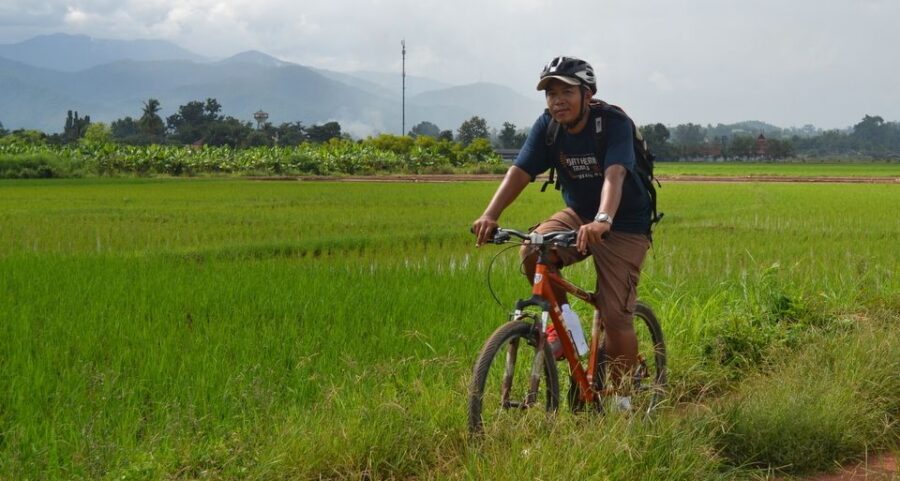
The tour is led by an English-speaking guide, and the group stays small with a limit of 12 participants. That small-group size changes how the day feels. You’re not lost in a crowd. The guide can pause for questions, slow down for route moments, and offer adjustments based on the group’s preferences.
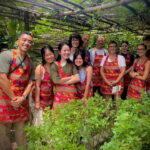
Names you might hear from this operator include Three, Nonny, Georgios, Tri, Suwon, Sap, and Birdy. What seems consistent across the different guides is that they talk about rice farming, nature, Buddhism, and local plants, and they don’t rush people through stops. Even better, several experiences mention route flexibility—like adjusting the route to match the group’s level.
If you care about getting more than a checklist, this is one of the main reasons people rate the day highly. You’re paying for interpretation as much as you’re paying for transport and a bike.
Price and Value: Why $73 Can Actually Make Sense
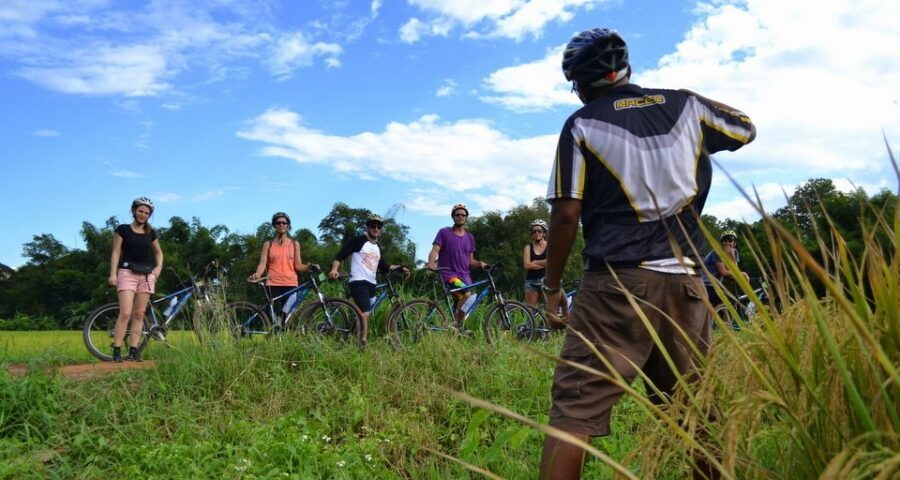
At about $73 per person, this tour isn’t cheap in the abstract. But it becomes reasonable when you count what’s included.
You’re getting:
- Hotel pickup and drop-off in Chiang Mai
- A tour guide in English
- Mountain bike, plus helmet
- Snacks and water during the ride
- A Thai set lunch
- Transport to the valley and onward to the waterfalls
That combination matters because it reduces your need to piece together multiple bookings: bike rental, a guided countryside day, temple access time, and then a separate waterfall visit.
The only items not included are extra food and drinks, so if you’re the type who buys bottled drinks constantly, budget a bit. Otherwise, most of the day’s key needs are covered, which is exactly what you want when you’re out for the better part of the day.
Who This Tour Is Best For
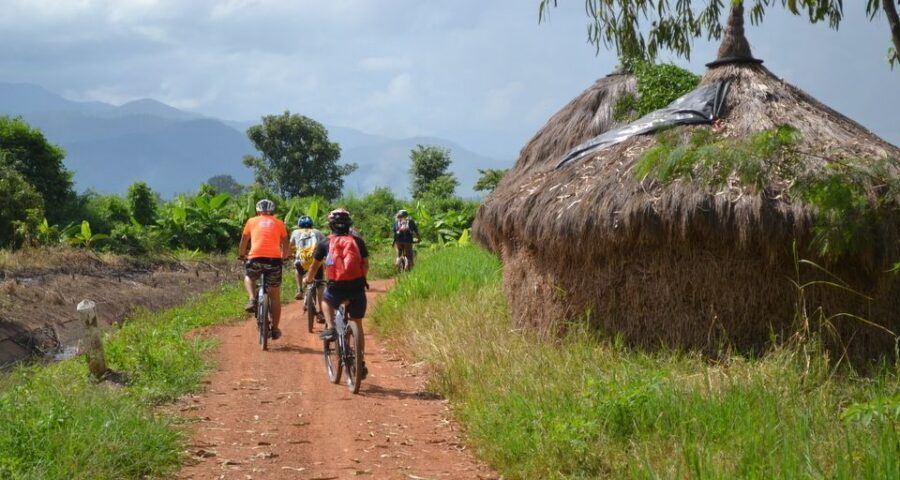
You’ll probably love this tour if you:
- Want an active day outside Chiang Mai without a punishing workout
- Like rural culture and learning how food is grown
- Enjoy cycling on mostly flat routes with interesting stops
- Want a hot-weather payoff with swimming at a famous site
You might want to think twice if you:
- Can’t ride a bike
- Have low fitness and feel uncertain about 20–25 km of pedaling, even at a leisurely pace
- Expect a full-on mountain bike adventure with lots of technical downhill
The sweet spot is moderate fitness plus curiosity. If you’re there for views, context, and a fun afternoon finish, this fits well.
Should You Book This Mae Taeng Valley Cycling and Waterfalls Day?
If you’re spending a few days around Chiang Mai and you want one trip that blends countryside cycling, culture, and a real cooldown, I’d say book it. The value is strongest when you want everything handled: transport, bikes, guide, lunch, and the waterfall swim time.
My only hesitation is the route type. It’s not marketed as hardcore mountain biking, and the day is built around a relaxed rhythm. If you crave big biking challenges, go in knowing this is more about comfort, scenery, and learning than adrenaline. If that sounds right, this is a smart, satisfying use of a day in northern Thailand.
FAQ
How long is the tour?
The tour duration is 450 minutes, so it’s a full-day experience running about half a day in transit and sightseeing plus the cycling and waterfall time.
How far do I ride?
The cycling route covers approximately 20 to 25 kilometers and is described as mostly flat, with a leisurely pace rather than technical mountain biking.
What’s included in the price?
Included are hotel pickup and drop-off, a tour guide (English), a mountain bike, a helmet, snacks and water, and a Thai set lunch.
Can I swim at the sticky waterfalls?
Yes. At Buatong Sticky Waterfalls, you get break time for a visit and swimming.
What should I bring?
Bring sunglasses, swimwear, sunscreen, insect repellent, sportswear, a daypack, cycling clothing, a sarong, and sports shoes.
Is luggage allowed?
No luggage or large bags are allowed. A daypack is what you’re set up for.
Is the group small and is the guide English-speaking?
Yes. It’s a small group with a limit of 12 participants, and the live tour guide speaks English.
Is there a cancellation option?
Yes. You can cancel up to 24 hours in advance for a full refund, and you can also use reserve now & pay later to keep plans flexible.