REVIEW · CHIANG MAI
Chiang Rai Tour: Hot Spring,White Temple, Golden Triangle, Yao
Book on Viator →Operated by Asia Advisor by Asni · Bookable on Viator
That long drive pays off fast. You get a one-day route from Chiang Mai to Chiang Rai’s big-name sights: the White Temple, the Golden Triangle region, and a hot spring stop along the way.
I especially like how the schedule mixes wow-factor landmarks with viewpoints over the Mekong and Mae Khong rivers, so you’re not just checking boxes. And I like the small-group feel, capped at 10 travelers, which makes it easier to ask questions and move at a human pace.
One heads-up: it’s a long day. You’re looking at roughly 14 hours from pickup to return, plus optional add-ons near the border that cost extra.
In This Review
- Key things I’d plan around before you go
- A 7:00am Chiang Mai pickup that turns into a full-on Chiang Rai day
- Mae Khachan Hot Spring: the “high point” stop before temples
- Wat Rong Khun (White Temple): more than white walls and photos
- Golden Triangle area: rivers, borders, and why this spot matters
- Sop Ruak and the confluence views: where the scenery does the talking
- Optional boat ride and why it’s worth thinking about
- Yao hill-tribe village visit: what to expect from this human stop
- Optional Laos border visit: short and passport-driven
- The pace and the ride: what makes this tour feel personal
- Entrance fees, tickets, and what you’ll pay on the day
- Price: does $101.07 feel fair for 14 hours of north-Thai sights?
- Who this tour suits best (and who should pass)
- Should you book it? My straight answer
- FAQ
- What time does the Chiang Rai tour start?
- How long is the tour?
- Is hotel pickup and drop-off included?
- Where does the tour start from?
- What are the main stops on the tour?
- Is lunch included?
- Are entrance fees included?
- Do I need a passport?
- What costs extra besides the tour price?
- How many people are in the group?
Key things I’d plan around before you go
- Small group (max 10): better questions, less standing around.
- Hot spring + White Temple: Thailand’s odd-and-beautiful contrast in one morning.
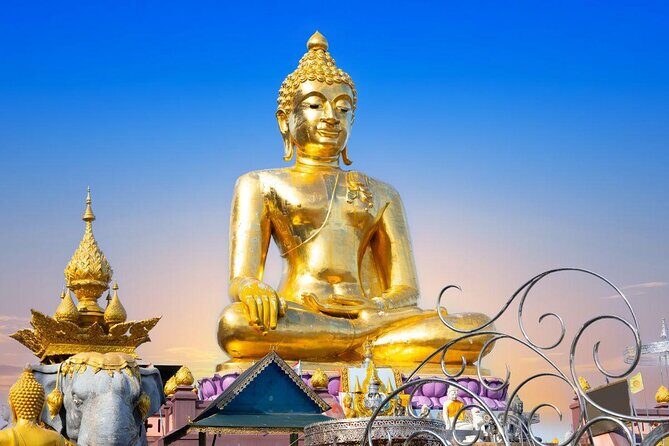
- Golden Triangle viewpoints: the river confluence and borders are the main event.
- Optional boat ride and Laos border time: expect extra fees and passport checks.
- Yao hill-tribe village visit: a chance to see local life tied to this region.
- Pickup included for city-center hotels: convenience matters on a 7:00am start.
A 7:00am Chiang Mai pickup that turns into a full-on Chiang Rai day
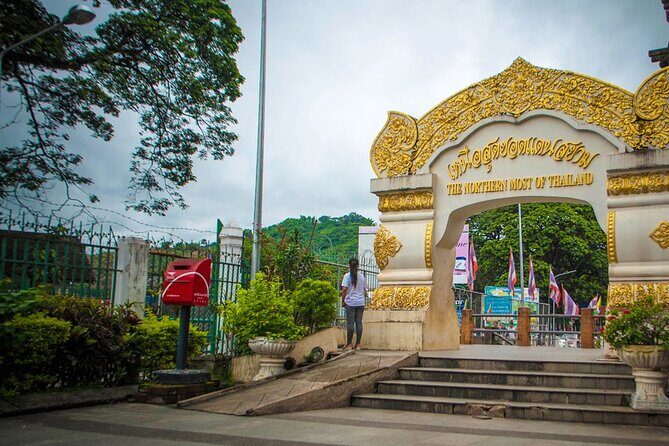
The day starts early, with pickup around 7:00am from your hotel (or a set pickup point). After about an hour of driving, you’ll reach the first big stop: Mae Khachan Hot Spring.
This is the kind of itinerary that works because it batches distance. You’re not hopping around to separate half-days. Instead, you get a full circuit—hot spring, White Temple, Golden Triangle area, and hill-tribe village—then you’re back in Chiang Mai by about 20:00–21:00. If you’re the type who hates wasting daylight, this format is worth it.
If you’re staying in the Chiang Mai old city / Night Bazaar area, pickup can be especially easy. The tour includes door-to-door pickup with no charge for hotels in a city-center radius (3 km). If your hotel is farther out, there may be a surcharge paid on the day.
Also note the logistics detail that matters in practice: you need a current valid passport for the day. That’s especially relevant if you add the Laos border or boat options later.
You can also read our reviews of more tours and experiences in Chiang Mai

Mae Khachan Hot Spring: the “high point” stop before temples
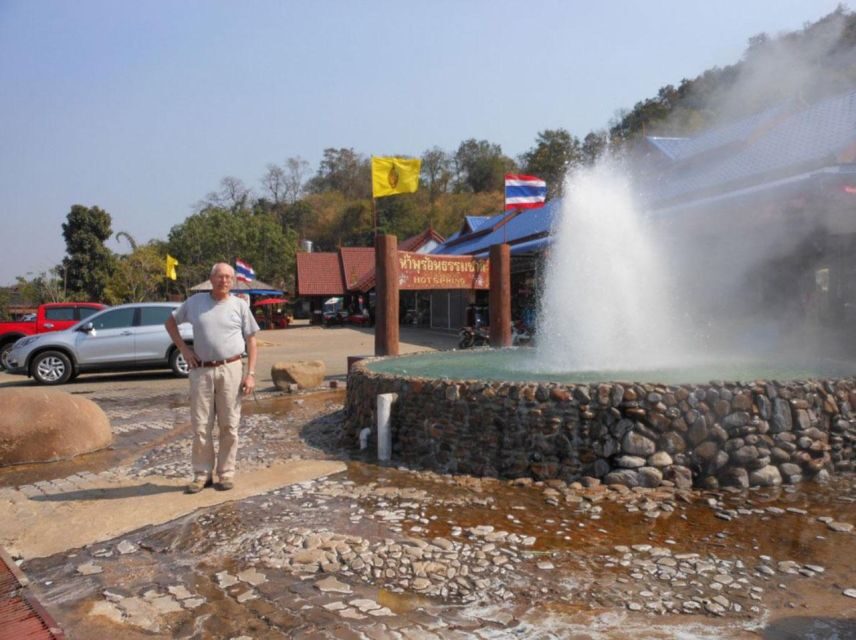
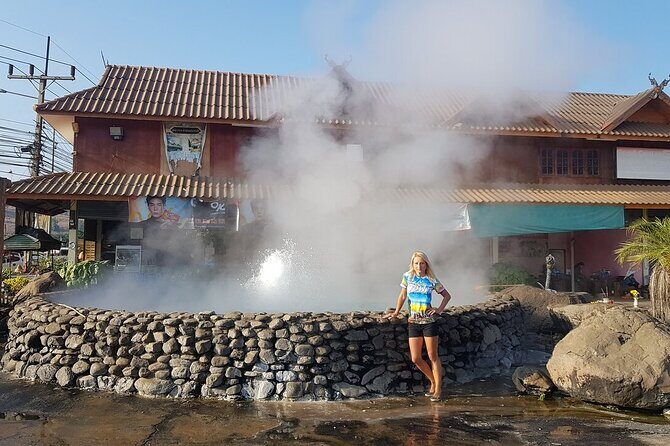
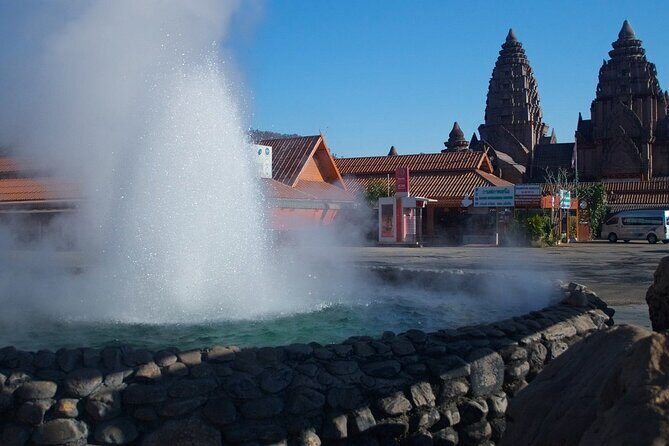
Mae Khachan Hot Spring is your first break from the road. The tour treats it as a breakpoint stop with toilet and restaurant services, so you’re not just dropped into a walk-and-go photo stop.
The selling point here is the hot spring itself, described as having the highest geyser in Thailand. Even if you don’t plan to do anything fancy, this stop gives you two practical benefits: you stretch your legs and you get a totally different atmosphere from the temple days ahead.
In one of the best moments from the experience, people talk about cooking eggs using the heat from the hot spring. Even if you don’t make it a personal mission, it’s the kind of local activity that helps the stop feel more than scenic.
Wear shoes you can walk in comfortably. The ground near geothermal areas can be a bit slippery, and you’ll likely do some short uneven steps while you look around.
Wat Rong Khun (White Temple): more than white walls and photos
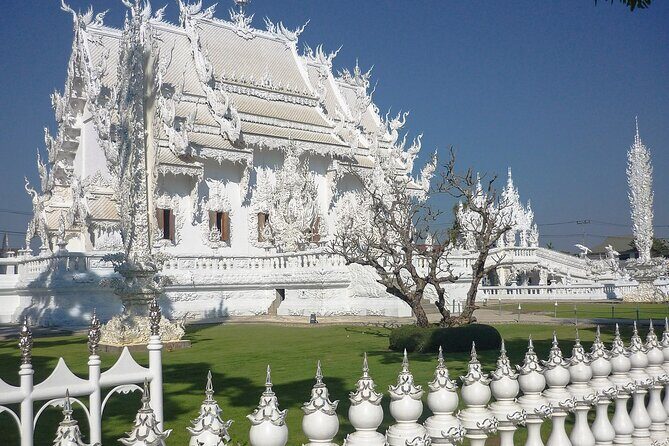
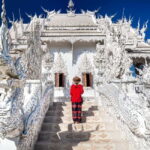
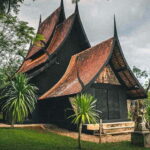
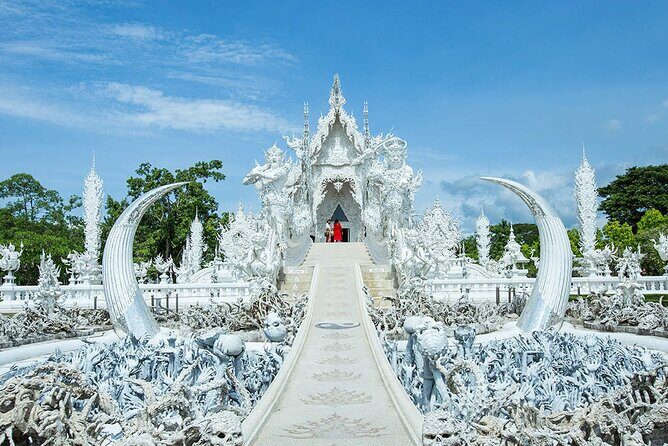
Next comes Wat Rong Khun, often called the White Temple. The big feature is obvious at first glance: a crisp white building covered with artistic details. But what I like about this stop is that the tour frames it as a full visual experience, not just a quick snapshot.
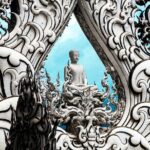
The description highlights glass-like decor, sculptural pieces, and murals. The whole place is designed by a famous Thai artist, and it shows. You can spend your hour looking at the details—shapes, reflective elements, and the way the surfaces catch light.
A practical note: an hour is enough to see the main areas, but you’ll want to pace yourself. If you spend all your time on photos up front, you might miss the smaller features deeper in the complex.
If you want a tip for making this stop feel worth it: slow down for 10 minutes in one area and just watch how the details change as you move. The White Temple is one of those places where your view keeps improving as you walk.
Golden Triangle area: rivers, borders, and why this spot matters
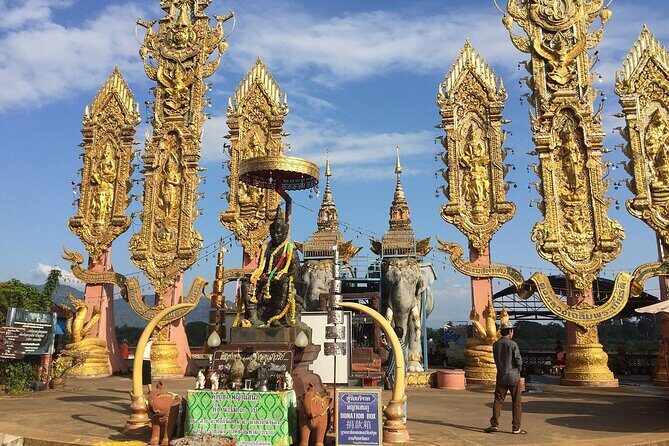
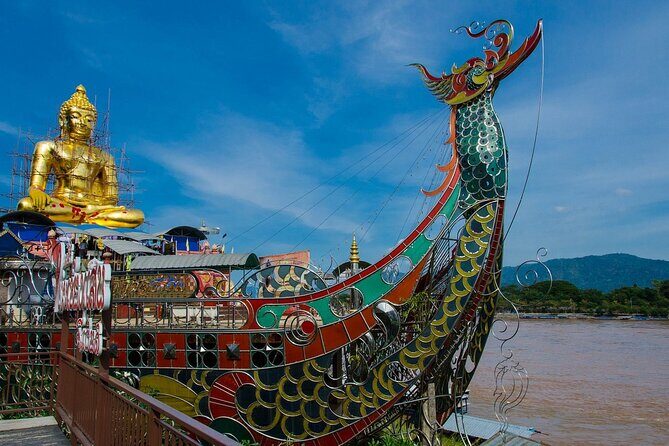
After Wat Rong Khun, you head toward the Golden Triangle region around Chiang Saen and the river frontier area. The tour positions it as the meeting point of Thailand, Myanmar, and Laos, with the river system acting as the separator—especially via the Mekong and Mae Khong references.
This part of the day is built around viewpoints. There’s a lunch break here, which is smart: it prevents the “temples then straight starvation” problem that ruins long days.
Then you move through the Chiang Saen / Golden Triangle area with short, focused time slots—about an hour each in the schedule. In real terms, that means you’re not doing deep academic study on the area’s history. You’re absorbing the geography and atmosphere, and that’s exactly what most people come for.
If you like places where borders feel real (not just lines on a map), this area delivers. You’ll see how the river network shapes travel, trade, and daily life in the region.
Sop Ruak and the confluence views: where the scenery does the talking
Your next key stop is Sop Ruak, often treated as the center point for Golden Triangle sightseeing. This is where the itinerary shifts from broad “triangle region” impressions to sharper location-specific views.
You’ll get magnificent perspectives over the Mae Khong River, including the area where the Ruak and Mekong waters meet and form the triangular border region. If you’re the kind of traveler who loves “standing there and understanding the map,” this is a good moment.
The tour also references Wat Prathat Phu Khao in this same phase, plus a transition toward a hill tribes village visit.



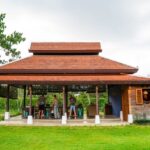
Optional boat ride and why it’s worth thinking about
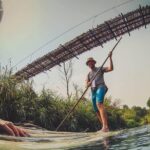
There’s an optional boat ride—about 20 minutes—to view the Mae Khong River’s splendor. It’s listed as an extra fee (not included), and you should plan for around 300 THB.
Should you do it? If you enjoy river views and don’t mind paying for time on the water, this option is usually the best “pay a little for a big change in perspective” add-on. If you get motion-sickness easily or you’re traveling with limited time energy, you can skip it and still get the main viewpoint experience from the land.
Yao hill-tribe village visit: what to expect from this human stop
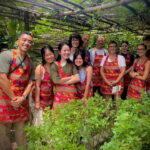
A highlight in the day is the hill tribes village visit, tied to the tour’s Yao focus. The schedule frames it as a departure toward the hill tribes village from the Sop Ruak area.
Because the provided details don’t list specific activities (like shows, workshops, or particular demos), you should expect a cultural encounter more than a hands-on class. Still, the value here is time with real people in a real setting—an opportunity to ask questions and see how the community lives in this region.
This is also one of the best stops for tone-setting. After temples and border geography, it brings the human side of northern Thailand into the foreground.
A quick practical thing: village stops often involve walking on uneven paths. Bring good shoes and keep your expectations flexible about photo rules and how interactions are guided.
Optional Laos border visit: short and passport-driven
One more add-on sits near the end of the Golden Triangle/Sop Ruak sequence: a Loas border area visit for about 35–40 minutes (listed as optional). It also has an extra fee around 300 THB.
A few practical realities here:
- It’s passport-based. You’ll want your passport ready the day of travel.
- It’s not a full country experience. Think of it as a brief border-area look rather than a long sightseeing detour.
- Time matters. Since the tour must still return to Chiang Mai, this section stays short.
If you’re curious about crossing lines on the map, this is a straightforward way to get a taste. If you prefer to keep things simple and avoid additional fees, you can treat this as optional and focus on the views and village portion you already planned for.
The pace and the ride: what makes this tour feel personal
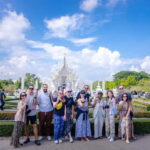
This is a day trip built around comfort and flow. You ride in an air-conditioned minivan with an English-speaking driver guide, and the tour mentions a maximum group size of 10 travelers.
That small-group cap matters more than people think. It means you’re less likely to spend your time waiting for someone to re-find the group at every stop. It also makes the guide’s explanations more conversational, which is what you want on trips like this.
One review detail that sticks: a guide named Susi is mentioned as making the day fun and keeping the group moving. Even if you’re not with Susi, look for that same vibe—clear explanations, smooth timing, and helpful context between stops.
Entrance fees, tickets, and what you’ll pay on the day
The itinerary notes that admission tickets are free for several stops. Still, there are add-ons that aren’t included.
What’s included:
- Hotel pickup and drop-off
- Transport in an A/C minivan
- Lunch
- English speaking driver guide
Not included:
- Boat trip fees and tax to Laos, described as roughly a 20-minute boat option, with an extra fee around 300 THB
- Optional Laos border visit, also listed with an extra fee around 300 THB
Value-wise, this pricing structure can be smart. You get the core sights without being forced into every paid option. You just need to decide which optional moments match your style.
If you like river experiences, boat ride time can be worth it. If you’re mainly after photos and viewpoints, you can stick to included areas and save money.
Price: does $101.07 feel fair for 14 hours of north-Thai sights?
At $101.07 per person for about 14 hours, I’d call this a solid value if you want a single-day hit list from Chiang Mai to Chiang Rai.
Here’s why it can feel fair:
- You’re paying for more than entry tickets. You’re paying for transport, guide time, and the logistics of driving across the region efficiently.
- Pickup and drop-off removes a lot of hassle that you’d otherwise solve with taxis or extra transport planning.
- The itinerary covers big landmarks that are spread out. Without a tour, you’d be piecing together rides and scheduling.
Where the value depends on you:
- If you plan to add both optional Laos-related fees (boat and border time), your final spend increases.
- If you hate long days and want slower travel, this may feel like a lot of hours in a vehicle.
My practical take: if your priority is seeing the White Temple and the Golden Triangle area in one day, this is priced in a way that usually makes sense.
Who this tour suits best (and who should pass)
This tour is a good match if you:
- Want multiple Chiang Rai highlights without planning connections
- Like a guided structure that keeps you on time
- Prefer a small group (up to 10) over a large bus
It might not be ideal if you:
- Want lots of free time at each stop (the schedule is time-managed)
- Dislike early starts and long travel days
- Don’t want to deal with optional passport-area fees and extra costs
If you’re traveling solo, it can also be a good pick because pickup and a guide handle most of the friction. If you’re traveling as a couple or friends, the small-group size still helps you feel like you’re sharing the day rather than being swallowed by it.
Should you book it? My straight answer
Book this tour if you want a dependable, guided way to see Wat Rong Khun, the Golden Triangle viewpoints, and the Yao hill-tribe village in one long day from Chiang Mai. The combination of iconic visuals plus border-and-river geography is exactly the kind of “worth the drive” day trip northern Thailand does well.
Skip it or consider a different format if you’re sensitive to long days or if you prefer a more unhurried itinerary with deeper time in fewer places. Also, if optional Laos add-ons don’t interest you, you’ll still get the main sights, but you may feel the day is a bit fast.
FAQ
What time does the Chiang Rai tour start?
The start time is listed as 7:00am with pickup from your hotel or a nearby pickup point.
How long is the tour?
It’s listed as approximately 14 hours.
Is hotel pickup and drop-off included?
Yes. Hotel pickup and drop-off are included, with free door-to-door pickup for hotels in the city center area within a 3 KM radius. A surcharge may apply outside the stated radius and is paid on the day.
Where does the tour start from?
The meeting point listed includes Chiangmai Tours by Sightseeing at Duang Tawan Hotel, 132 Loi Kroh Rd, Chang Khlan, Amphoe Mueang Chiang Mai.
What are the main stops on the tour?
Stops include Mae Khachan Hot Spring, Wat Rong Khun (White Temple), the Golden Triangle area, Chiang Saen, and Sop Ruak, plus a hill tribes village visit. There’s also an optional Laos border visit.
Is lunch included?
Yes, lunch is included as part of the tour.
Are entrance fees included?
The tour information indicates admission ticket free for several stops, and Sop Ruak includes admission ticket. Entrance fees are also mentioned as included in the tour overview.
Do I need a passport?
Yes. A current valid passport is required on the day of travel.
What costs extra besides the tour price?
The boat trip fees and tax to Laos are not included (around 300 THB). There’s also an optional Laos border visit with an extra fee of around 300 THB.
How many people are in the group?
The tour lists a maximum group size of 10 travelers.