REVIEW · CHIANG MAI
Half-Day Colors of Chiang Mai Biking Tour
Book on Viator →Operated by Chiang Mai Biking · Bookable on Viator
Chiang Mai by bike feels different fast. This half-day ride strings together temples, local schools, and craft time with plenty of stops to eat and cool down, then sends you out of the busy center into quieter countryside. It’s also a chance to learn how Thai religious life and everyday community routines connect, without turning the day into a lecture.
I really like the included food setup. You get snacks, bottled water, and a light Thai meal as you cycle, which makes the tour feel smoother than the usual do-it-yourself scramble. I also like the human scale of the route: you pause often, you see multiple places in one go, and the pace stays relaxed.
One thing to consider: there’s no hotel pickup. You’ll start and finish back at the ThailandBiking office area, so plan your morning around getting there. Also, temple visits mean you should dress appropriately, not just wear whatever is comfy.
In This Review
- Key things you’ll notice on this ride
- Why a 4-hour “Colors of Chiang Mai” bike tour works
- Getting to ThailandBiking, plus bikes, helmets, and temple clothes
- Wiang Kum Kam: starting with ancient ruins (and no ticket cost)
- Wat Pa Ngio and the Big Buddha explanations
- Nam Thong Fresh Market: fruit and snack tasting stop
- Beyond temples: school, disability-care history, and pottery craft
- A visit tied to a former leper colony
- An elementary school serving hill tribes
- Pottery in a traditional studio
- The ride itself: countryside pace, breaks, and rain reality
- Guides you might meet: what their style adds
- Price and value: is $40.75 a fair deal?
- Who should book this bike tour, and who might skip it
- Should you book the Half-Day Colors of Chiang Mai Biking Tour?
- FAQ
- How long is the Half-Day Colors of Chiang Mai Biking Tour?
- How much does the tour cost?
- What’s included in the price?
- Is hotel pickup or drop-off included?
- Where does the tour start?
- What are the main stops on the itinerary?
- Do I need to pay admission tickets at the stops?
- What should I wear for temple visits?
- How big is the group?
- Can I get a refund if I cancel?
Key things you’ll notice on this ride
- A half-day structure that packs a lot in without rushing
- Ancient city ruins start the story with free admission
- Temple etiquette and Big Buddha explanations along the way
- Market stop focused on fresh fruit and snack tasting
- Visits tied to disability care history, plus school and pottery
- Cycling with breaks, water, and included lunch
Why a 4-hour “Colors of Chiang Mai” bike tour works
Chiang Mai can feel spread out. This is one of those tours that solves that problem by stringing together the kind of stops you’d normally bounce between by taxi or tuk-tuk. Instead, you pedal. Not hard-core cycling, not a full-day grind—just enough time to feel like you left the center and saw how real daily life looks beyond the moat.
The best part is how the day is built around moments, not just locations. You’re not only looking at temples or watching crafts; you’re also getting a short taste of village routines—markets, school life, and the slower rhythms of countryside paths. The food breaks matter here. They turn the ride into a social, steady flow rather than a checklist.
Also, this is a group tour with a maximum of 50 people. That number is big enough to keep it affordable, but the schedule still leaves room to pause and ask questions.
You can also read our reviews of more cycling tours in Chiang Mai

Getting to ThailandBiking, plus bikes, helmets, and temple clothes
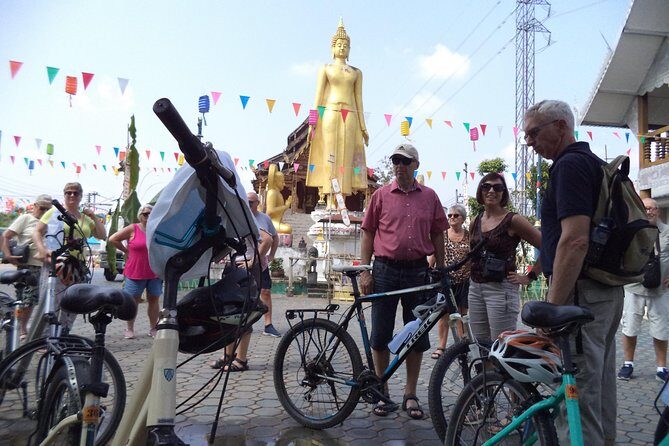
The tour begins at ThailandBiking’s Chiang Mai branch at Baan Nai Fun 1, 135/157, Soi 7-9, in the Pa Daet area (and it ends back at the same meeting point). No hotel pickup is included, so check your map and give yourself a little buffer. If you’re staying in the Old City zone, it’s usually doable with local transit or a short ride, but you’ll want to avoid showing up stressed.
You’ll get a bicycle and a helmet as part of the tour, plus bottled water and insurance coverage. That combination is useful: it removes a lot of the logistics headaches that come with renting on your own.
And for the temples: plan to dress appropriately. That means covering what you need to feel respectful on-site. If you show up in tank tops and short shorts, you might end up adjusting right before the visit, which is not the mood you want for photos or explanations.
Wiang Kum Kam: starting with ancient ruins (and no ticket cost)
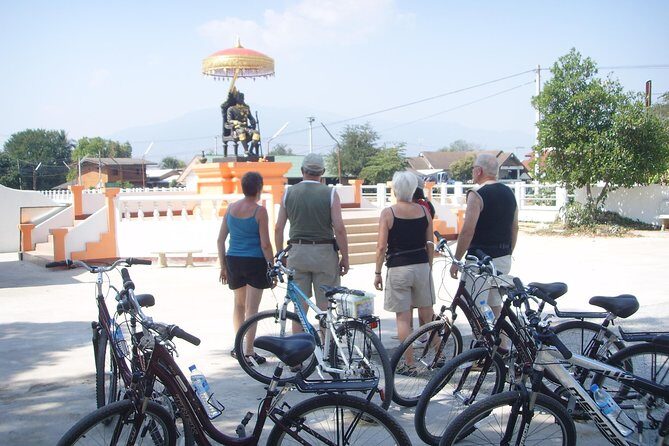
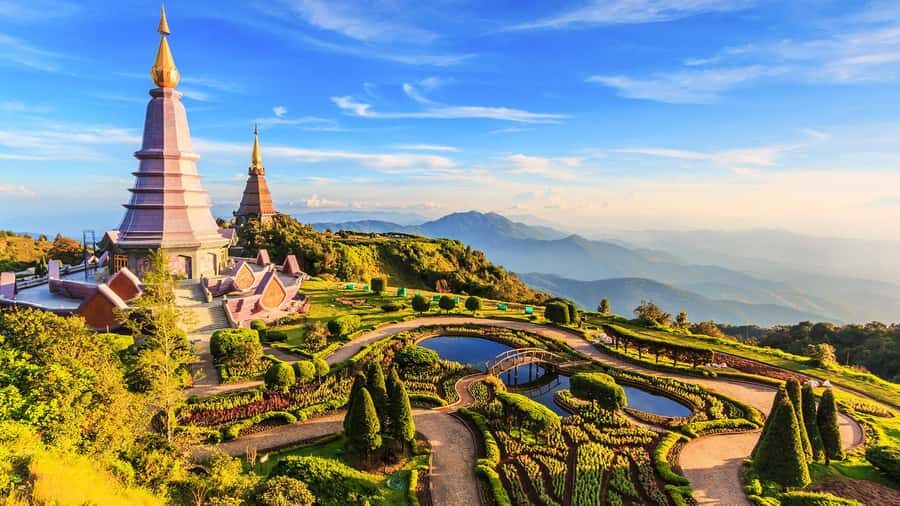
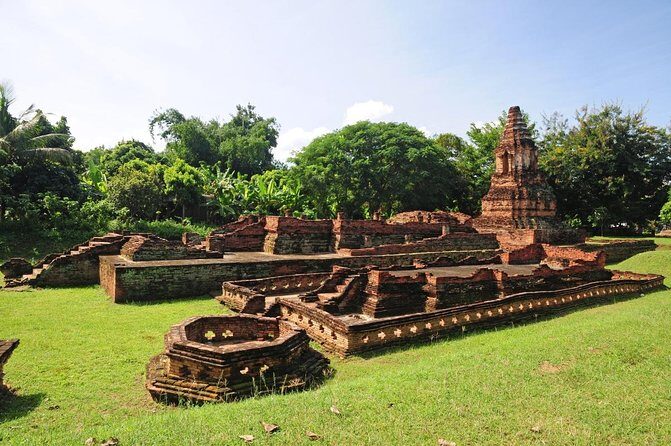
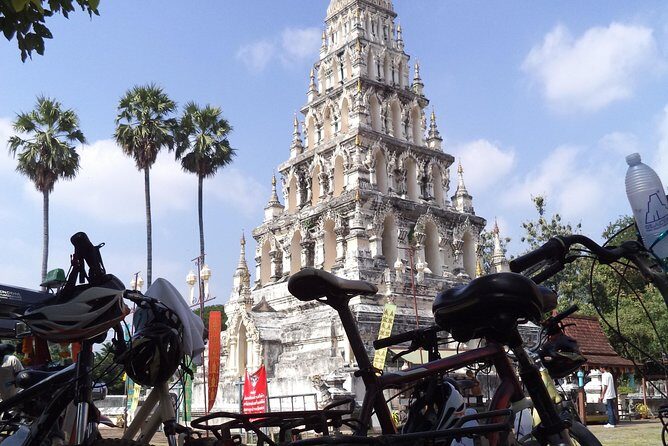
The ride kicks off at Wiang Kum Kam, an ancient city area with ruins of temples. Admission here is free, which is a nice bonus. More importantly, it sets the tone for the whole morning: you see the layers of Chiang Mai’s past before the tour shifts into living culture.
This stop works well because it’s not just a quick photo pull-in. The ruins are spread in a way that invites you to slow down for a few minutes, look around, and notice details that you usually miss when you’re rushing between temples by yourself.
Practical tip: bring a little water awareness even before you leave the office area. Ruins can take longer than you expect in the heat, and the tour is timed for a relaxed pace rather than a sprint.
Wat Pa Ngio and the Big Buddha explanations
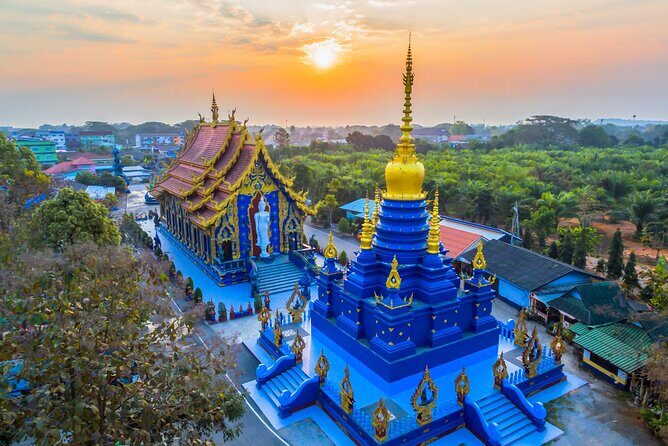
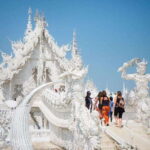
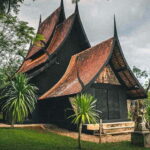
Next comes Wat Pa Ngio, where the guide provides context about Buddhism and the big Buddha statues on site. This is one of those stops that’s more meaningful with a guide than without one, because you’re not only seeing a landmark—you’re hearing the logic and symbolism behind it.
The duration at this stop is listed as about 10 minutes, which is short. But the goal is clarity: you get the basic background, you get a chance to look carefully, and then you move on while you’re still energized.
If you care about respectful observation, this is also a good moment to slow down and watch how people behave here—what they do, how they stand, where they pause. It’s a small window, but it helps you read the place instead of just passing through it.
Nam Thong Fresh Market: fruit and snack tasting stop
Then you roll into Nam Thong Fresh Market, with a tasting-style pause focused on fresh fruit and other snacks. Admission is free, and the whole point is to let you try a few things without turning it into a full shopping spree.
This stop is valuable because it breaks the ride rhythm. Cycling outdoors can build hunger fast, and the market stop resets your energy before the more cultural visits later in the day. It’s also a smart way to learn local flavors because you’re trying small bites in a structured timeframe.
What to expect: you’ll likely get a few snack options to taste, plus a chance to observe how locals move through a market environment. Even if you don’t buy anything, you’ll leave with a better sense of everyday food choices in the region.
You can also read our reviews of more tours and experiences in Chiang Mai

Beyond temples: school, disability-care history, and pottery craft
The tour’s “real culture” value comes from what happens after the first temple stops. You’re not just chasing pretty buildings; you’re seeing how communities support learning, skill-building, and care.
A visit tied to a former leper colony
One of the most significant pieces of the tour is a stop connected to a former leper colony that shelters people with physical disabilities. This isn’t framed as a dramatic detour—it’s part of the day’s theme: local culture includes how people care for one another and how communities maintain dignity and support over time.
This stop is worth your attention even if you’re not into “history” tours. It gives your trip an honest angle on how Thai society handles long-term disability care and community inclusion.
An elementary school serving hill tribes
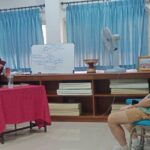
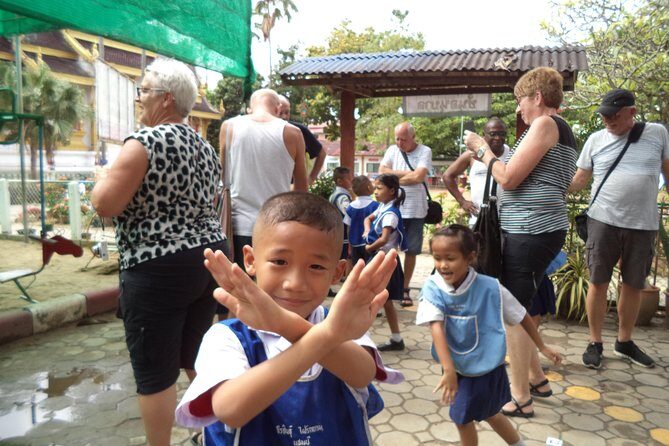
You’ll also see an elementary school that serves the hill tribes region. This matters because it shows education as a living system, not an abstract concept. Schools are where you see daily routines immediately—how lessons are structured, how kids interact, and how the environment supports learning.
The stop is designed for learning and respect, not for turning the place into a photo set. If you’re visiting with that mindset, the experience feels more human and less performative.
Pottery in a traditional studio
Then you get to watch local craftsmen shape pottery in a traditional studio. This is where the tour slows down enough for you to pay attention to hands-on skills—materials, techniques, and the patience behind making something that looks simple but takes practice.
Even if you’ve never bought pottery before, this is a good craft stop. You get a direct look at process, and it often helps you understand what you’re seeing when you spot ceramics for sale later in Chiang Mai.
The ride itself: countryside pace, breaks, and rain reality
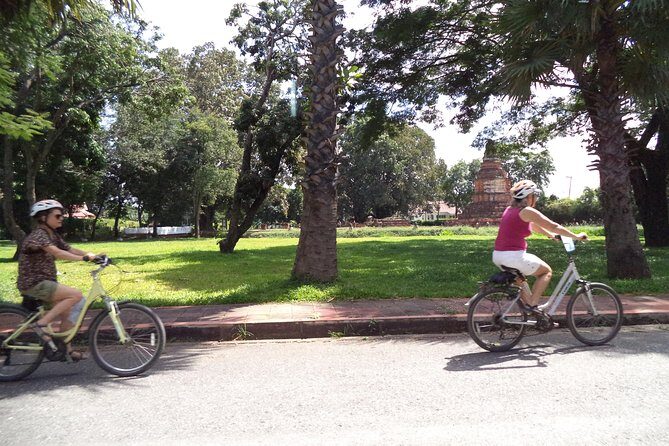
A half-day bike tour lives or dies by pacing. Here, you’re set up for breaks—snacks, cool drinks, and a light Thai meal are included. That means you can actually enjoy the ride instead of spending your time thinking about where you’ll eat next.
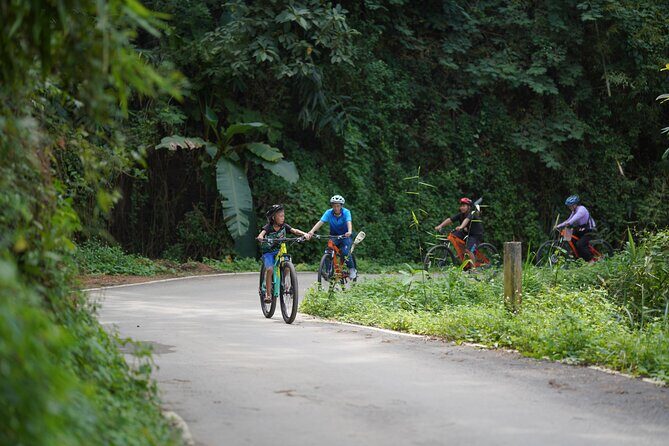
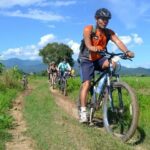
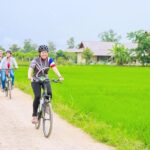
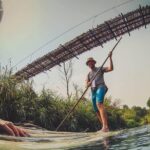
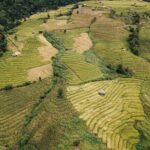
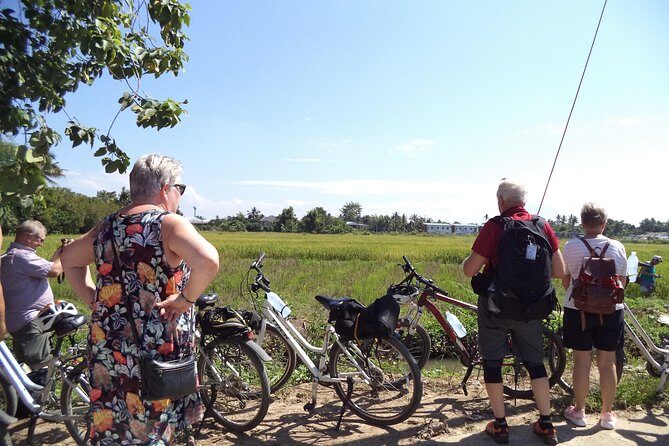
The itinerary is designed to move you gradually from city-side areas into scenery with rice fields and a gentle river feel, with plenty of rest moments. One past experience shared a distance around the low 20s kilometers south and east of Chiang Mai. Your exact route and distance can vary with conditions and group logistics, but you should expect a meaningful ride rather than a quick loop.
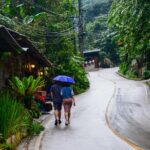
Rain is always a question in Thailand, and you should be ready for weather shifts. During a past rainy-season outing, the group got ponchos and still did the tour. That’s a good sign: the organizers plan for wet weather rather than canceling at the first cloud.
If you hate getting splashed, bring a small plastic bag for your phone and documents. If you don’t mind, just wear something you’re okay with drying.
Guides you might meet: what their style adds
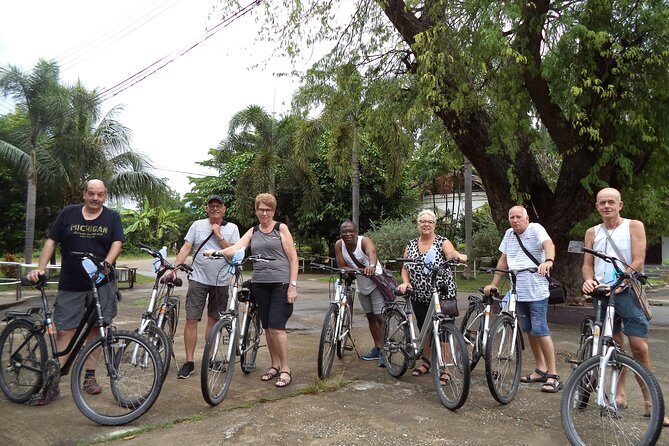
Guides can make or break a bike tour, and this one seems to have strong personalities leading the day.
You might get Eye, who was praised for being funny and for guiding with a lot of practical context. Another name that comes up is Wit, described as a former monk himself, which adds depth to the temple and Buddhism explanation parts of the route. You might also meet Wei, who was noted for bike guidance plus clear, engaging information during stops.
Even with different personalities, the consistent thread is that the day isn’t only about transportation. The guide connects what you see—ruins, Buddha statuary, markets, school routines, and crafts—into one storyline.
Price and value: is $40.75 a fair deal?
At $40.75 per person for about 4 hours, the price looks reasonable once you tally what you get. You’re paying for:
- A professional local guide
- Bike and helmet
- Snacks and bottled water
- A light Thai meal and additional refreshments
- Insurance
If you’ve tried to cobble together a similar half-day yourself, the costs add up fast: bike rental, fuel/taxi rides between scattered stops, admission costs, and then food. This tour packages all of it in one schedule, with the bonus of an organized route.
Also, the tour includes free admission at two listed stops—Wiang Kum Kam and Nam Thong Fresh Market. That doesn’t cover everything, but it reduces the “extra cost surprises” that sometimes happen on tours.
Group discounts are mentioned too, which can improve the value if you’re traveling with friends.
Who should book this bike tour, and who might skip it
This tour suits you if you want:
- A half-day activity that feels like you left the center
- A guided route that hits multiple cultural stops in one morning/afternoon block
- Included food, so you’re not hunting for lunch between temples and studios
- A relaxed pace with breaks and chances to ask questions
You might skip it if:
- You want a deeper time commitment than 4 hours (this is a sampler, not an all-day immersion)
- Your hotel location makes the meeting point hard to reach (since there’s no hotel pickup)
- You’re not comfortable with a group format (maximum 50, but it’s still shared time)
It’s also noted that private tours with children under 11 can only be booked directly by phone, which is something to plan early if your family situation includes younger kids.
Should you book the Half-Day Colors of Chiang Mai Biking Tour?
If your goal is a practical, culturally focused half-day with real stops—ruins, temples, market tasting, school, pottery, and a meaningful disability-care visit—this is a strong pick. The included food and drinks help you actually enjoy the ride, and the guided explanations make the religious and craft parts land better than a self-guided walk.
Book it if you can get yourself to ThailandBiking on time and you’re okay with a temple-appropriate outfit check. Skip it if you need hotel pickup convenience or if you’re looking for a long, slow day with zero structure. For most first-time Chiang Mai visitors, though, this one is a solid way to see a different side without burning your entire day in transit.
FAQ
How long is the Half-Day Colors of Chiang Mai Biking Tour?
It runs for about 4 hours.
How much does the tour cost?
The price is $40.75 per person.
What’s included in the price?
It includes beverages, bottled water, lunch and snacks, use of a bicycle and helmet, a professional local guide, and insurance.
Is hotel pickup or drop-off included?
No. Hotel pickup and drop-off are not included. The tour starts and ends back at the meeting point.
Where does the tour start?
The meeting point is ThailandBiking – Chiang Mai Branch, Baan Nai Fun 1, 135/157, Soi 7-9, Tambon Pa Daet, Amphoe Mueang Chiang Mai, Chang Wat Chiang Mai 50100, Thailand.
What are the main stops on the itinerary?
The listed stops include Wiang Kum Kam, Wat Pa Ngio, and Nam Thong Fresh Market. The tour also includes visits tied to a former leper colony that shelters people with physical disabilities, an elementary school for hill tribes, and a pottery studio.
Do I need to pay admission tickets at the stops?
Admission tickets are listed as free at Wiang Kum Kam and Nam Thong Fresh Market. The Wat Pa Ngio stop is included as part of the route.
What should I wear for temple visits?
Dress appropriately when visiting temples.
How big is the group?
The tour has a maximum of 50 travelers.
Can I get a refund if I cancel?
Free cancellation is available. You can cancel up to 24 hours in advance for a full refund. If you cancel less than 24 hours before the start time, the amount paid won’t be refunded.