REVIEW · CHIANG MAI
Guided Chiang Mai City Night Tour by EV Tram
Book on Viator →Operated by Touring Center · Bookable on Viator
Night temples hit different at 6 pm. This guided EV tram city night tour is a relaxed way to get your bearings, with a guide connecting what you see to how people live, believe, and celebrate in Chiang Mai. I love the calmer, quieter ride the electric tram gives you at night, and I love how the stops are chosen for local context, not just postcard views. A possible catch: the pacing is unhurried, but each temple and market stop is still time-boxed, so bring comfy shoes if you’re fine with short walking stretches.
In This Review
- Key things to know before you go
- Getting Oriented: Start at Three Kings Monument (6:00 pm, small group)
- Why the EV Tram Matters for a Chiang Mai Night Tour
- Three Kings Monument: The City Pillar Story You’ll Keep Seeing
- Wat Chiang Man: Oldest Lanna-Style Chedi with Elephant Buttresses
- Wat Lok Molee: Wooden Temple Complex and Terracotta Sculptures
- Chang Puek Gate and the Night Market Dinner Zone
- Wat Pa Pao and Wat Nong Kham: Tai Yai and Burmese-Shan Temple Styles
- Warorot Market and Tha Phae Gate: Everyday Chiang Mai Outside the Temple Loop
- Chiang Mai Gate Night Market: Street Food Focus with Included Admission
- Wat Chedi Luang Varavihara: The Biggest Stupa and the City Pillar Link
- Wat Phra Singh: Northern-Style Chapel Beauty in Night Lighting
- Price and Value: What You Get for About $27.43 per Person
- Should You Book This EV Tram Chiang Mai City Night Tour?
- FAQ
- What is the duration of the EV Tram Chiang Mai City Night Tour?
- Where does the tour start and end?
- Is the EV tram ride included in the price?
- What about admissions—are temple tickets included?
- Is pickup and drop-off included?
- What time does the tour begin?
Key things to know before you go
- Electric EV tram at night: less noise, less exhaust, and an easy way to cover ground.
- Temples plus everyday markets: you’ll see ceremonial spaces and daily food-shopping streets.
- A guide who explains the why: you get the story behind major Lanna sites as you pass them.
- Snack-and-drink foodie portion: included refreshment helps you sample without over-planning.
- Small group size (max 12 people): easier to ask questions and hear the guide.
- Smart casual dress code: plan for temple-appropriate, covered looks.
Getting Oriented: Start at Three Kings Monument (6:00 pm, small group)
This tour starts at Three Kings Monument on Prapokklao Road (meeting point listed right at the monument area), and it runs from 6:00 pm for about 2 hours. The timing is ideal because you’re catching Chiang Mai when daylight crowds thin out, but the city is still awake enough for night markets and evening temple lighting.
I like that it’s not built around racing to landmark after landmark. Instead, the route feels like a practical evening introduction: you visit key temple areas, you pass through gate and wall territory, and you finish where the food energy is strongest. With a maximum of 12 people, you’re less likely to get swept along like luggage.
One more thing that matters: the tour ends back at the meeting point. If you want to hop to another area after, you can plan your next step without needing a pickup puzzle. Dress is smart casual—think comfortable clothes that also work for temple visits.
You can also read our reviews of more guided tours in Chiang Mai
Why the EV Tram Matters for a Chiang Mai Night Tour
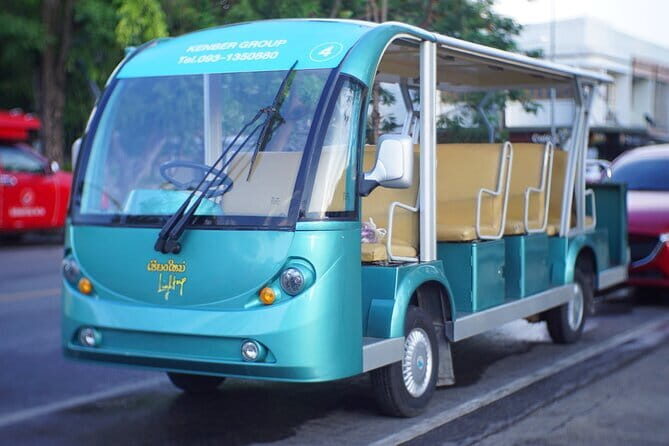
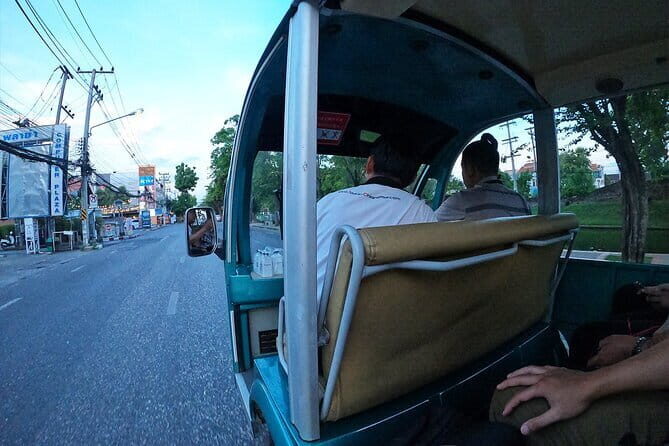
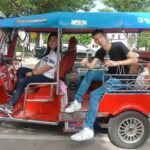
An EV tram sounds like a novelty until you feel it. At night in Chiang Mai, traffic noise and fumes can turn a city stroll into an endurance test. The electric tram changes the mood. You still get out and walk, but the ride segments help keep the evening calm and focused.
This also makes the experience feel more “city-paced” and less like a constant scramble. Because the tour is about orientation and everyday life, not speed-running sights, the tram fits the style. You’re able to slow down just enough to listen, look, and ask questions—especially when you’re learning what each place meant historically and how it shows up in daily beliefs.
And since the tour includes the EV tram, you’re not juggling extra transport costs while you’re trying to enjoy the evening.
Three Kings Monument: The City Pillar Story You’ll Keep Seeing
Your evening begins with a short history briefing around Three Kings Monument. This is a strong starting point because it frames Chiang Mai’s identity early on. The tour connects the area to the city pillar called Inthakin, said to have been erected in 1296 by King Mangrai. That detail matters, because the city pillar theme doesn’t stop here—you’ll meet it again later.
From there, you hop on the tram to start moving through the temple route. Even if you’re not a history nerd, that setup helps. You’ll start noticing how places relate to power, protection, Buddhism, and community life—not just architecture.
Wat Chiang Man: Oldest Lanna-Style Chedi with Elephant Buttresses
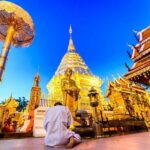
Next up is Wat Chiang Man, described as the oldest temple in the Lanna style. The standout feature is the chedi supported by rows of elephant-shaped buttresses. At night, temple silhouettes and the geometry of the chedi become easier to read—especially if you like photos that don’t look like everyone else’s.
The time here is short, but it’s long enough to catch the main visual. I also appreciate that the tour doesn’t treat temples like checkpoints. Even at this early stage, the guide’s explanations help you understand what you’re looking at, instead of just pointing and moving.
Admission is listed as free here, which helps keep the value feeling straightforward.
Wat Lok Molee: Wooden Temple Complex and Terracotta Sculptures
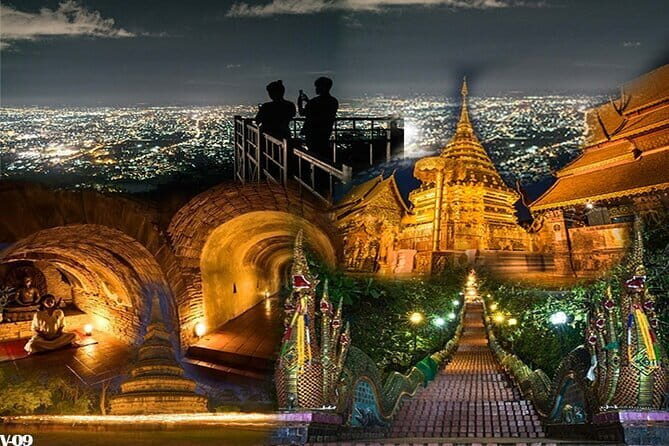
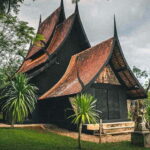
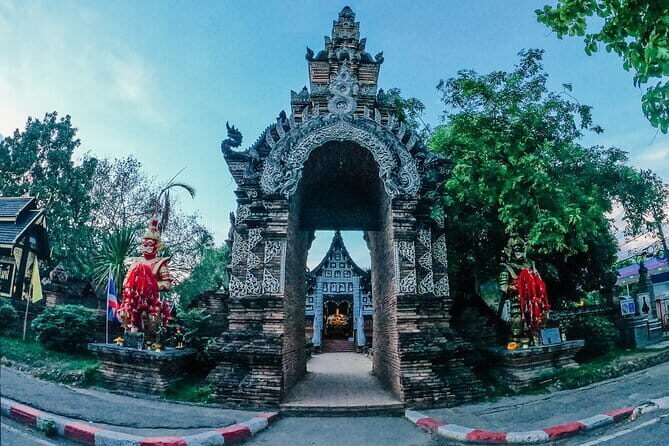
Then you head to Wat Lok Molee, described as a handsome wooden complex dotted with terracotta sculptures. This is one of the notable Lanna-era temple settings outside the old city walls, and the tour adds a specific historical thread: it’s thought to have been founded in the 14th century for monks from Burma.
That connection gives you a bigger picture. Chiang Mai’s religious culture didn’t evolve in isolation, and this stop is a good example of how regional ties shaped temples and monastic communities. You’ll likely spot the visual character first, and then the story makes the details feel intentional rather than decorative.
This one gets a bit more time than the quickest stop, so you can look slowly. The pacing stays relaxed.
You can also read our reviews of more city tours in Chiang Mai
Chang Puek Gate and the Night Market Dinner Zone
After the temple sequence, the route transitions toward the city’s street-food rhythm. The tour heads to Chang Puek Gate, described as the northern gate of the old city with ruins of the old wall area. Here, you’ll find a night market focused on street food and dinner options.
This is a smart shift in the itinerary. You go from sacred spaces to social life. And because you’re learning the city’s layout in the process, the gate stop helps you understand where the evening energy comes from and why certain areas become food magnets.
A practical note: this is one of the places where you’ll probably spend most of your attention outside of temple photos. Keep your phone charged. Night streets move fast, and you’ll want a quick way to re-find the group if you step away for a moment.
Wat Pa Pao and Wat Nong Kham: Tai Yai and Burmese-Shan Temple Styles
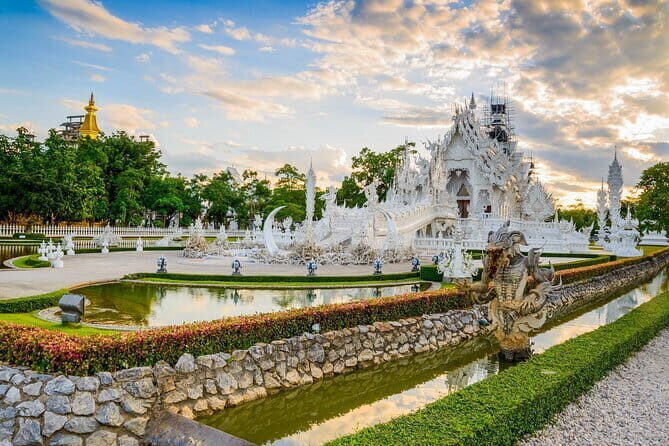
The tour then adds two temple stops with a clear cultural angle.
Wat Pa Pao is identified as the first temple of the Ngiaw (or Tai Yai) in Chiang Mai. That’s exactly the kind of detail that makes a tour worth paying for. You’re not just seeing a building—you’re being told why a community planted roots here.
Then comes Wat Nong Kham, singled out as a special Buddhist temple with Burmese-Shan temple styles. This is where Chiang Mai’s regional influences feel tangible. If you’re the type who likes to understand how cultures mingle over centuries, you’ll likely enjoy this portion more than a classic “see the big famous one” route.
Both stops are part of the unhurried flow—short enough to keep momentum, long enough to register the distinctive styles.
Warorot Market and Tha Phae Gate: Everyday Chiang Mai Outside the Temple Loop
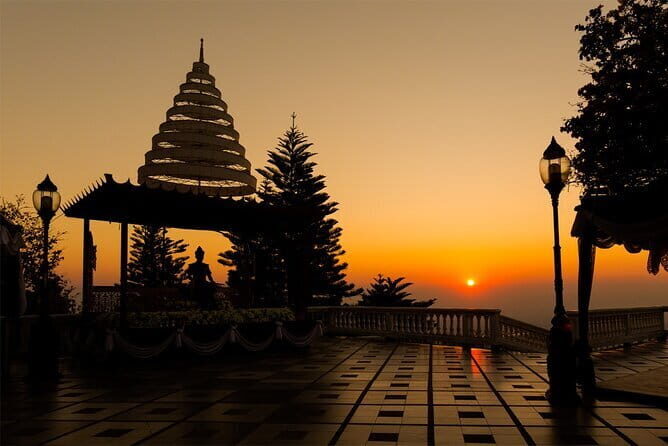
Next you shift into “real life” territory with Warorot Market, described as the biggest local fresh market in Chiang Mai. This is where you get a chance to look at what locals buy and sell—fresh products and other items offered to the people of the city.
Even if you don’t plan to shop, this is a valuable contrast. Temples show beliefs. Markets show routines. They’re both part of the same worldview—just on different streets.
The tour then passes through Tha Phae Gate, described as the main center of Chiang Mai’s public city activities and festivals. The gate area can feel like a city stage: not just transport or architecture, but the place where events gather and attention concentrates.
This is a good segment for photos too, as long as you move with the flow of people and keep the group meeting point in mind.
Chiang Mai Gate Night Market: Street Food Focus with Included Admission
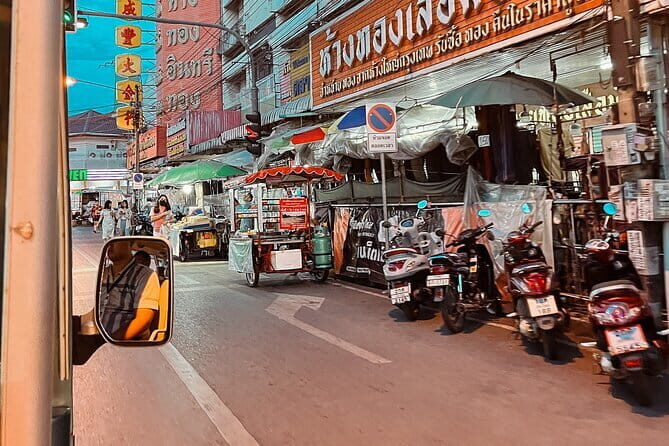
Later, you reach Chiang Mai Gate Night Market. This is where the tour narrows into a foodie-friendly focus, with time reserved to enjoy the street food scene. Admission here is listed as included, and this stop gets about 25 minutes.
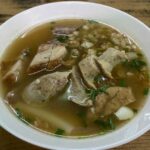
Also included as part of the foodie angle: the tour mentions some snack and drinks during the food-focused portion and bottled water. Translation: you can taste without needing to pre-plan every purchase.
I find this style works best when you don’t overthink. Pick a couple of small items, watch what’s moving fastest, and let your guide’s explanations help you decide what’s worth your attention. If you’re sensitive to spice, it’s still smart to ask what to expect before taking a big bite.
Wat Chedi Luang Varavihara: The Biggest Stupa and the City Pillar Link
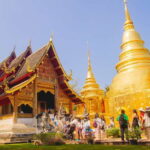
One of the major architectural highlights is Wat Chedi Luang Varavihara. The tour frames it as the temple of the biggest stupa and explains a key link: it also housed the city pillar together with the Tripiṭaka (Buddhist scriptures). Even if you only take in a portion of that, the story raises your awareness of why this complex matters.
This stop has admission included and a listed visit time of about 10 minutes. That’s not enough for a full sit-down visit, but it is enough for the big visuals and the meaning behind them. And because the tour is already setting up the Inthakin pillar earlier, this later connection lands better.
If you like night photography, this is one of those stops where the lighting and the scale can make your photos look different from daytime shots—calmer skies often help too.
Wat Phra Singh: Northern-Style Chapel Beauty in Night Lighting
The final temple stop is Wat Phra Singh, described as having the most beautiful architecture in Northern style, reflected from the chapel. That wording points to a visual identity the tour wants you to notice: the Northern style details and the way the chapel’s character shows up in the overall look.
Again, the tour keeps a steady pace, so think of this as a final “aha” moment rather than a long exploration. If you still want more time at any of the places, note what you liked most, then come back later in your free time.
Price and Value: What You Get for About $27.43 per Person
At $27.43 per person, this tour sits in the category of tours that feel fair when you look at what’s bundled. You’re paying for:
- EV tram during the trip
- a professional English-speaking guide
- admission fees for the sites listed as included
- snack and drinks during the foodie part
- bottled water
- travel accident insurance
Some temple admissions are listed as free (like Wat Chiang Man and Wat Lok Molee), so the guide and transport value become especially important. You’re not just buying access to a building. You’re buying the ability to understand what you’re seeing as you walk through it.
Two practical value points: first, the maximum 12 people keeps the experience from turning into an overcrowded scramble. Second, the tour uses a mobile ticket, which saves time when you’re trying to meet up and start moving.
Timing-wise, it’s often booked around 36 days in advance, so if you’re visiting during a busy stretch, reserving ahead is a smart move. Cancellation is free up to 24 hours before the start, which gives you breathing room if plans shift.
Should You Book This EV Tram Chiang Mai City Night Tour?
I’d book it if you’re in Chiang Mai for the first time and want a fast, meaningful orientation that doesn’t feel chaotic. The EV tram format helps keep the night calm, and the itinerary balances temples with markets and gate areas, so you see more than just religious architecture.
It’s also a good choice if you care about context. The guide explains what each place is connected to—like the Inthakin city pillar theme, the Tai Yai link at Wat Pa Pao, and the Burmese-Shan style at Wat Nong Kham. That kind of storytelling makes the city feel understandable instead of random.
The main reason to hesitate is if you hate walking or you want longer time in markets and temples. This is an effective sampler with set stop durations, not an all-night free stroll.
If you want a first evening that helps you plan the rest of your Chiang Mai days, this is a strong fit.
FAQ
What is the duration of the EV Tram Chiang Mai City Night Tour?
The tour runs for about 2 hours.
Where does the tour start and end?
It starts at Three Kings Monument and ends back at the same meeting point.
Is the EV tram ride included in the price?
Yes. EV tram during the trip is included.
What about admissions—are temple tickets included?
All admission fees listed for the trip are included, and some stops are described as free admission.
Is pickup and drop-off included?
No. Pick up and drop off service is optional, and it costs THB 500 for a location within 5 km from the city center.
What time does the tour begin?
The start time is 6:00 pm.