REVIEW · CHIANG MAI
Cooking Evening Class Chiang Mai Visit Organic Garden and Market
Book on Viator →Operated by Siam Garden Cooking School · Bookable on Viator
Thai cooking tastes different when you buy the ingredients first. This evening class in Chiang Mai pairs a local market walk and an organic garden visit with a hands-on lesson at Siam Garden Cooking School.
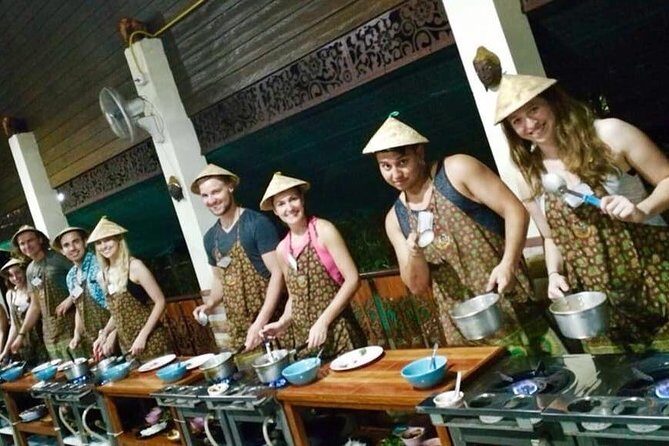
I especially like that you cook in a structured way with one person per wok and guidance from hosts like Gift and assistants such as Fonnie, so the experience feels fun and doable. You’re not just watching either—you’re making a full set of dishes and eating them.
One thing to consider: parts of the prep can be streamlined, so if you’re hunting for super technical, ingredient-by-ingredient training, you may want a more in-depth class option.
In This Review
- Key Highlights at a Glance
- A Market-First Cooking Class That Teaches the Real Thai Starting Point
- Organic Garden Time: Herbs and Plants You Can Actually Visualize
- Siam Garden Cooking School: Your Wok, Your Menu, Your Pace
- The Six Dishes You’ll Cook (and the Flavor Logic Behind Them)
- Hands-On vs. Prepped: What You’ll Learn and What Might Feel Limited
- Eating the Results: Fresh, Filling, and Built for Takeaway
- Price and Value: Why $13-ish Feels Like a Good Deal in Chiang Mai
- Who Should Book This Cooking Class (and Who Should Consider Another Style)
- Practical Tips Before Your Evening Starts
- Should You Book This Evening Market and Cooking Class?
- FAQ
- What is the duration of the cooking class?
- Does the price include hotel pickup?
- What dishes will I cook?
- Are ingredients included?
- Can I request vegetarian, vegan, or gluten-free options?
- Is alcohol included?
Key Highlights at a Glance
- Hotel pickup in Chiang Mai Oldtown plus an easy evening schedule that ends around 19:30
- Market + organic garden so you learn how Thai ingredients actually show up on plates
- Choose your own menu for each dish across 6 categories (appetizer, curry paste, curry, stir-fry, soup, dessert)
- Make curry paste yourself with a mortar and pestle (not just mixed sauces)
- Eat what you cook in air-conditioning or under a garden pavilion, with a take-away option
- Full-color online recipe book + photo albums, plus free Wi‑Fi
A Market-First Cooking Class That Teaches the Real Thai Starting Point
This is the kind of cooking class that makes sense right away. You begin with a walk through ingredients, not a lecture in a classroom. It’s a simple order that helps everything click once you’re back at the school with your cutting board.
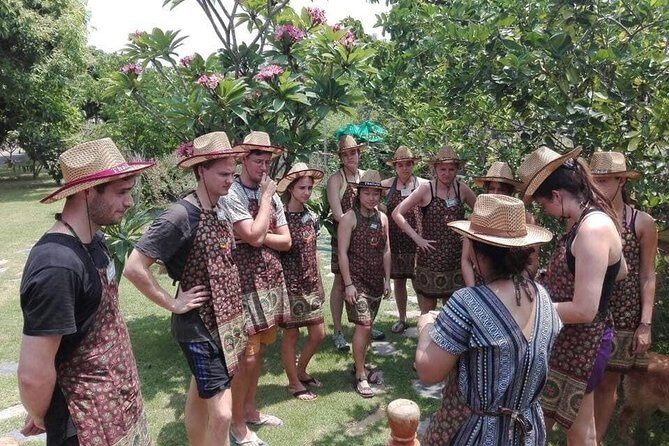
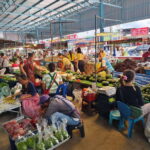
The market stop is where I think most visitors get the biggest payoff per hour. Thai cooking often hinges on balancing sour, salty, sweet, and heat—and that starts with knowing what to look for. You’ll see the building blocks: herbs, aromatics, fruits, and staples that show up in curry pastes and stir-fries.
A practical benefit for you: when you learn what an ingredient looks like in the market, you can shop smarter later. Even if you never cook at home, you’ll be able to read menus and understand what makes a dish Thai. That’s travel knowledge you’ll use on your next meal.
You can also read our reviews of more shopping tours in Chiang Mai

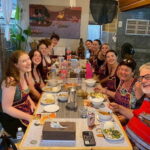
Organic Garden Time: Herbs and Plants You Can Actually Visualize
After the market, you head to the cooking school and then to the organic garden area. This is more than a photo stop. The point is to connect plants with flavor and with what you’ll cook later.
In the garden, the instructors and staff explain what herbs are used and why they matter. One of the standout themes from the experience is learning the difference between herb options and familiar plants back home. It helps you understand why certain Thai dishes taste the way they do, not just that they include green stuff.
You also get that calm, green pause before the noise of cooking. A few parts of the experience are intentionally relaxed—like having an outdoor feel in the garden areas—so the class doesn’t feel like a rush-through.
Siam Garden Cooking School: Your Wok, Your Menu, Your Pace
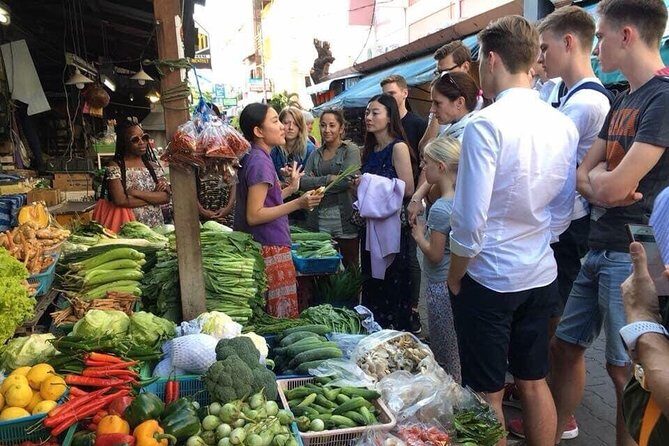
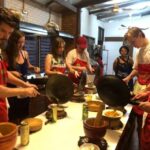
When you arrive at Siam Garden Cooking School, the setup is built for hands-on cooking. You’ll be assigned a station where you can cook your own dishes, and that matters. Cooking classes get frustrating when everyone shares one pot or spends half their time waiting.
The structure here is clear: you choose dishes across 6 menu categories, with the option to pick meat style and spice level. You can request vegetarian, vegan, or gluten-free menus too, as long as you select that on the day. If you have allergies, the school notes they can accommodate—so you’ll want to tell them what you need before you start.
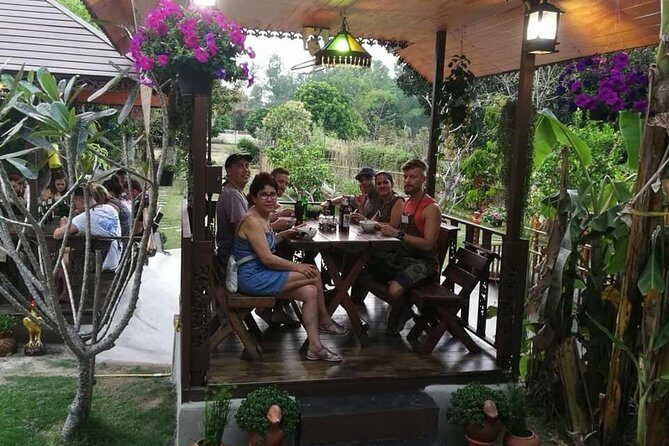
Dining options are also part of the design. You can eat in a Chiang Mai–styled dining room with air-conditioning, or eat in an open-air pavilion by the garden. On a hot Chiang Mai evening, having both options is a real quality-of-life upgrade.
The Six Dishes You’ll Cook (and the Flavor Logic Behind Them)
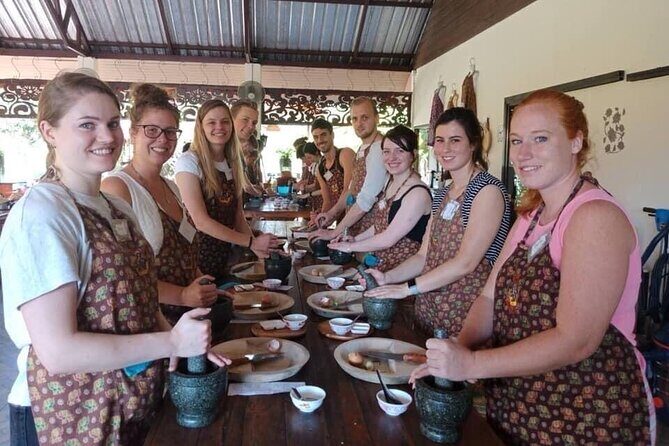
This class covers six categories, and that range is why it works well for both beginners and curious food fans. The dishes aren’t random. They’re chosen to hit the core Thai flavor patterns you’ll recognize in real restaurants.
Here’s what you’ll cook:
- Appetizer
- Curry paste (made by you)
- Curry
- Stir-fried dish
- Soup
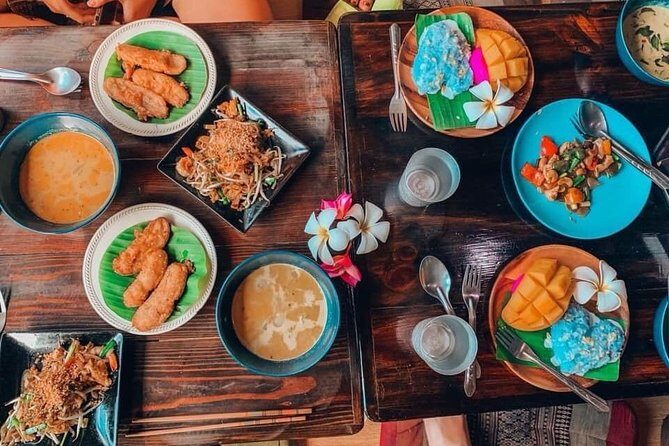
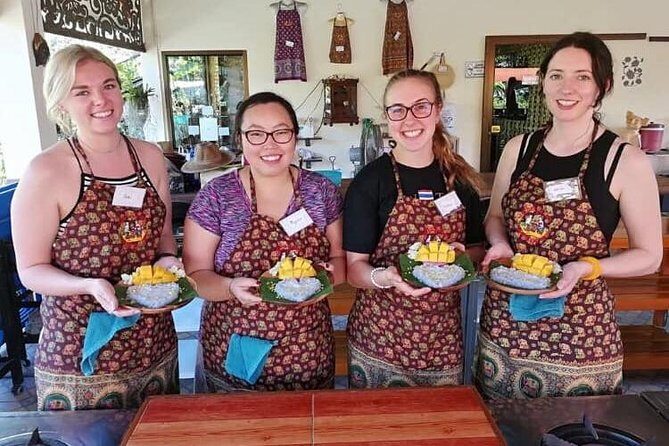
- Dessert, with a strong focus on sticky rice for mango sticky rice
One review highlights Tom Yum soup and mango sticky rice, and those two are perfect examples of what you’re aiming for. Tom Yum teaches sour and aromatic balance—often with citrus and herbs. Mango sticky rice is the sweet finale that shows Thai dessert technique without being complicated.
The big moment for a lot of people is the curry paste. Making curry paste is where Thai cooking feels most real, because it’s about grinding aromatics and spices into a flavor base. You won’t get the same result from bottled paste, and you’ll understand why once you’ve done it yourself.
You also get control over heat. You can make your food spicy or mild, so it’s easier to enjoy the flavors without turning dinner into a fire drill.
Hands-On vs. Prepped: What You’ll Learn and What Might Feel Limited
Let’s talk honestly about the teaching style. The experience is efficient and organized, and that sometimes means some ingredients are already prepared to keep the class moving. That’s not unusual in a multi-dish class, especially when everyone is cooking at once.
So, what do you learn most clearly?
- How Thai dishes come together in a practical sequence
- How flavor decisions connect to ingredients (especially herbs and aromatics)
- How to cook each dish without needing a background in Thai techniques
What might feel less satisfying if you’re an advanced cook?
- You may not spend as much time on fine technical details like the smallest knife methods or ultra-deep ingredient theory.
- A “mass produced exercise” feeling can happen in any large, fast-paced class, even when the food is great.
The upside is that staff like Gift and the team often help you along as you cook, and they’ll check if you want more spice. The experience is designed to keep you cooking, not standing around. For most people, that’s exactly what you want.
You can also read our reviews of more tours and experiences in Chiang Mai


Eating the Results: Fresh, Filling, and Built for Takeaway

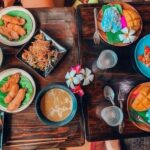
This is one of the best parts: you eat what you cook. That sounds basic, but it’s a huge value lever. Many cooking classes teach and then send you home with a sad sample plate.
Here, you’ll eat your food in either the air-conditioned dining room or the outdoor pavilion. Then you can take food away if you want. This is especially useful if you’re sharing with family, or if you want one less meal to plan later during your trip.
Also, you’ll likely leave genuinely full. The class is built around multiple dishes—so by the time dessert lands, it feels like you’ve completed a mini Thai feast. It’s an easy evening activity that also doubles as dinner.
Price and Value: Why $13-ish Feels Like a Good Deal in Chiang Mai
At about $13 per person, this class is priced to be accessible, and you get a lot of included value. You’re not only paying for cooking. You’re paying for three “assets” that normally cost extra in Thailand: ingredients, instruction, and local transportation between stops.
What’s included that matters most for value:
- Fresh ingredients
- Market and organic garden visits
- English-speaking instructor
- Curry paste tools experience via mortar-and-pestle setup
- Free Wi‑Fi
- Full color online recipe book plus photo albums
- Pickup/transport from/to hotel in Chiang Mai Oldtown
You also get a practical fairness factor: the class is designed so everyone cooks their own dishes across the menu categories. With up to around 15 people, it stays personal enough that you’re not just an audience member.
One more value note: the class emphasizes choice across 6 menus. More variety in dishes usually means you’re more likely to cook something you actually want to eat, not just whatever is scheduled.
Who Should Book This Cooking Class (and Who Should Consider Another Style)
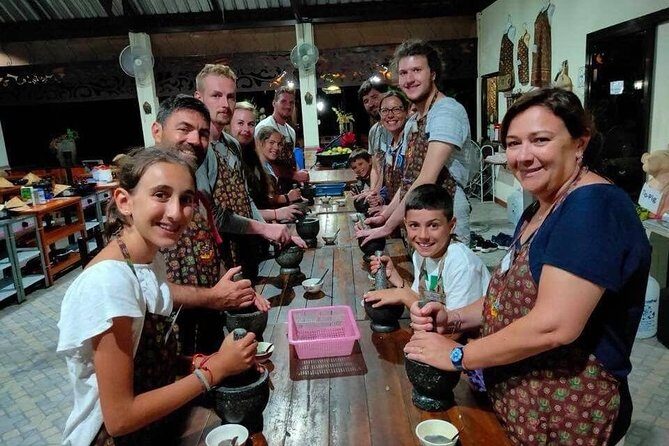
This is a strong fit if you want an authentic Thai meal experience without needing to be a chef. It’s beginner-friendly because the structure is clear and the staff guide you step by step. It’s also family-friendly in practice; one example involved a 13-year-old and the class worked well at a novice level.
You should also consider it if you care about ingredients. The market stop and garden visit make it easier to understand what Thai cooks mean when they talk about herbs, aromatics, and balance.
Who might not love it?
- If you’re an advanced cook who wants deeper technique and more time per dish, the class’s efficiency may feel a bit rushed.
- If you’re very sensitive to heat, you’ll want to start by choosing a mild spice option.
- If you’re traveling with infants or small children, note the experience states visitor/infant isn’t available and gives specific rules for infants and children under 6.
Practical Tips Before Your Evening Starts
A few small things can make your evening smoother.
First, plan for a late afternoon start. Pickup begins around 14:30, and the market and garden stops run you into the cooking block, with the class wrapping around 19:30. That timing is great because you end with a full dinner, but it also means you should skip long commitments right before pickup.
Second, think about transport. Pickup is included for Chiang Mai Oldtown, but if your hotel is outside the pickup range, you might be directed to a general pickup point in the city center. One person found the transfer drive a bit longer than expected, so if you’re staying farther out, I’d ask what the pickup timeline looks like.
Third, be ready for weather. The class requires good weather. If it’s canceled for poor conditions, you’ll be offered a different date or a refund.
Finally, dress for hands-on cooking. You’ll be at a cooking station, likely for a while, and you’ll want comfortable shoes and breathable clothes for Chiang Mai humidity.
Should You Book This Evening Market and Cooking Class?
Yes—if you want a practical, authentic Thai experience with real takeaways. I think it’s a great choice because you learn ingredients first (market), connect them to plants (organic garden), and then turn them into full dishes you actually eat (six categories with curry paste and mango sticky rice).
Book it if:
- you want hands-on cooking with a clear structure
- you like the idea of choosing your own dishes across the 6 categories
- you want an evening that ends with dinner in a comfortable setting (air-conditioning or the pavilion)
Consider another option if:
- you’re chasing super technical instruction and lots of slow, detailed prep work
- you need a class designed specifically around deep technique rather than making a complete set of dishes efficiently
If you’re on your first or second trip to Chiang Mai and want one activity that makes your Thai food understanding jump a level, this is a smart pick.
FAQ
What is the duration of the cooking class?
The evening course runs for about 4 hours 30 minutes and typically finishes around 19:30 (the exact finish time can vary slightly by group).
Does the price include hotel pickup?
Yes. Transport from/to the hotel in Chiang Mai Oldtown is included, and pickup starts around 14:30.
What dishes will I cook?
You cook six menu categories: an appetizer, curry paste, curry, stir-fried dish, soup, and dessert. You also learn sticky rice for mango sticky rice.
Are ingredients included?
Yes. The experience includes all fresh ingredients for cooking, plus each person gets their own wok and can make curry paste using a mortar setup.
Can I request vegetarian, vegan, or gluten-free options?
Yes. The class offers vegetarian, vegan, and gluten-free menu options, and you should inform the staff during the day of the class about your needs.
Is alcohol included?
No. Alcoholic beverages are available to purchase, but they’re not included in the price.