REVIEW · CHIANG MAI
Chiangma: Wat ban den, Blue Temple & Sticky Waterfall.
Book on GetYourGuide →Operated by KiKi CM Tour. · Bookable on GetYourGuide
Two temples and a waterfall in one trip. I like this route because it mixes Lanna temple architecture with hands-on limestone fun at Bua Thong. The star is Wat Ban Den’s twelve zodiac pagodas, the kind of detail you keep staring at after the buses have moved on.
What you’ll really remember is the Sticky Waterfall part. You can climb the limestone rocks with better grip than you’d expect, then take a short trail toward the water’s origin at the Seven-Colored Fountain. The main drawback: it’s outdoors, so you’ll deal with sun and warm footing on a slightly slippery limestone surface.
In This Review
- Key things that make this tour worth your time
- A short 4-hour loop from Chiang Mai
- Wat Ban Den in Mae Taeng: zodiac pagodas and Lanna detail
- Temple etiquette that actually keeps things smooth
- Bua Thong Sticky Waterfall: limestone climbing with guide help
- The Seven-Colored Fountain trail: birds, shade, and a sacred origin
- What “small group up to 8” changes in real life
- Transfers and pacing: the schedule that keeps it fun
- Price and value: why $57 can make sense
- Who should book this tour, and who should skip it
- Should you book Chiangma: Wat Ban Den & Sticky Waterfall?
- FAQ
- How long is the tour?
- Do I get picked up in Chiang Mai city?
- Is the guide available in English?
- What should I wear for Wat Ban Den?
- What’s the climbing like at the sticky waterfall?
- Is there a place to swim at the waterfall?
- What’s not included in the price?
Key things that make this tour worth your time
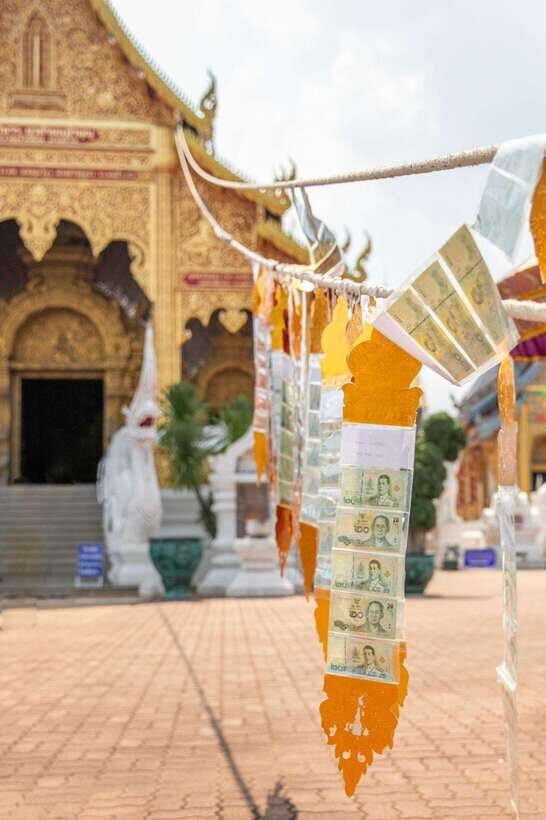
- Twelve zodiac pagodas at Wat Ban Den, decorated with colorful mosaics and intricate carvings
- Lanna architecture you can actually look at, including the Ubosot with Buddha statues and teaching murals
- Sticky limestone climbing at Bua Thong, with a guide there to help with footing
- A short forest walk toward the Seven-Colored Fountain, with birdsong along the way
- Small group size (up to 8), which makes the pace feel calm instead of rushed
A short 4-hour loop from Chiang Mai
This is a compact tour designed for people who don’t want to burn a whole day driving around. You’ll start with pickup in Chiang Mai (hotel, bus station, or airport), then head out in a car with a driver and an English guide.
In total, the experience fits into about 4 hours, with real time at the two main stops and transfers in between. The temple visit is about 1 hour, and the waterfall time is about 1.5 hours. That timing matters: it’s long enough to slow down and look closely, but short enough that you still feel like you made smart use of your afternoon or morning.
Bring a simple travel mindset for this one. You’re doing photos, walking, and climbing. It’s not a sit-down show. And because it’s outdoors at Bua Thong, plan around heat and sun with sunscreen, sunglasses, or an umbrella.
You can also read our reviews of more tours and experiences in Chiang Mai.



Wat Ban Den in Mae Taeng: zodiac pagodas and Lanna detail
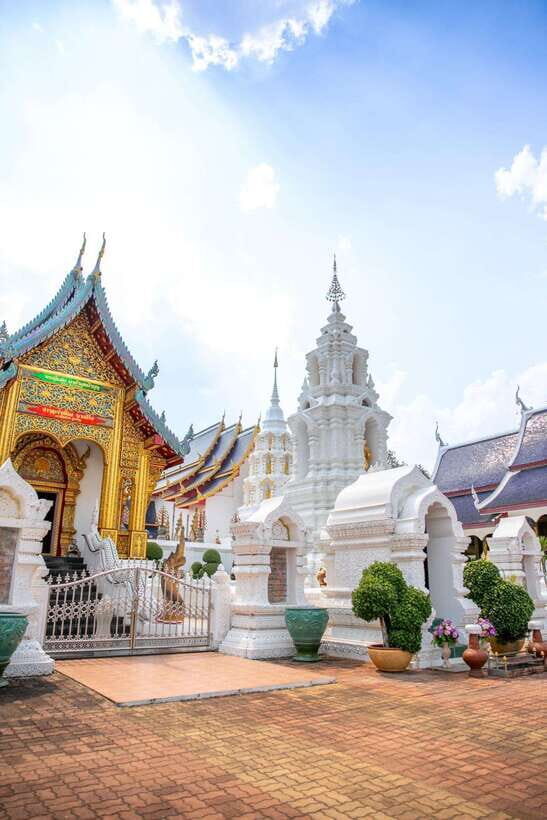
Wat Ban Den (also known as Wat Bandensali Si Mueang Kaen) is in the Mae Taeng district of Chiang Mai Province. If you like temples that feel more like a living design project than a single landmark, this place clicks fast.
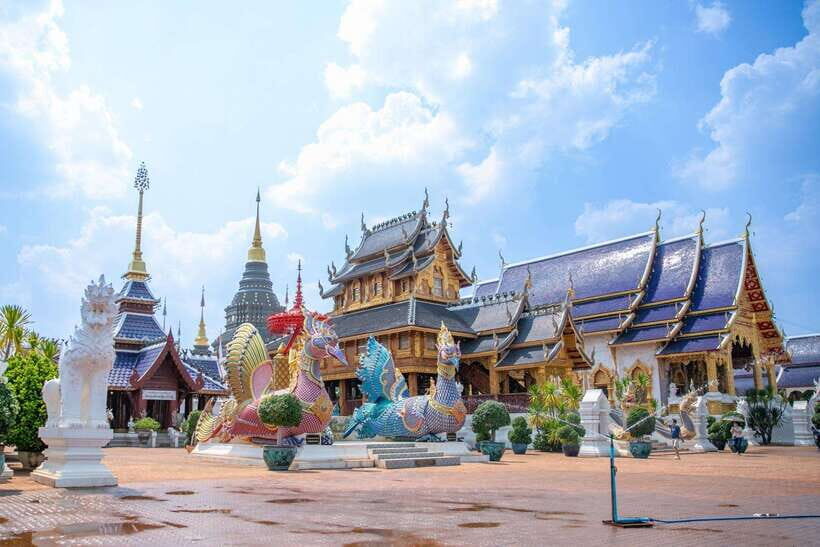
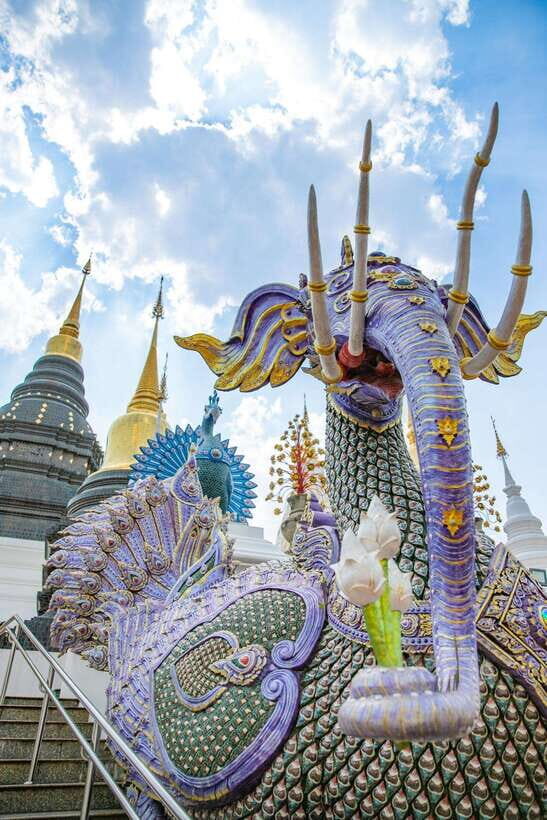
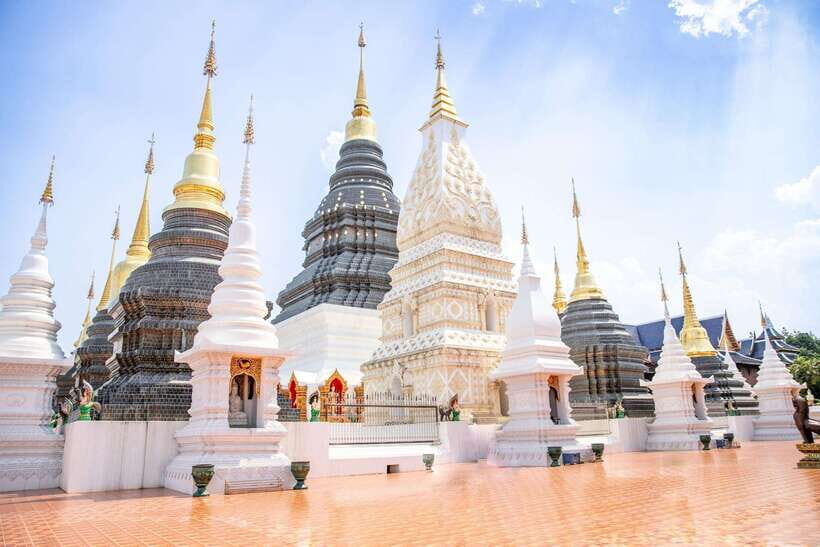
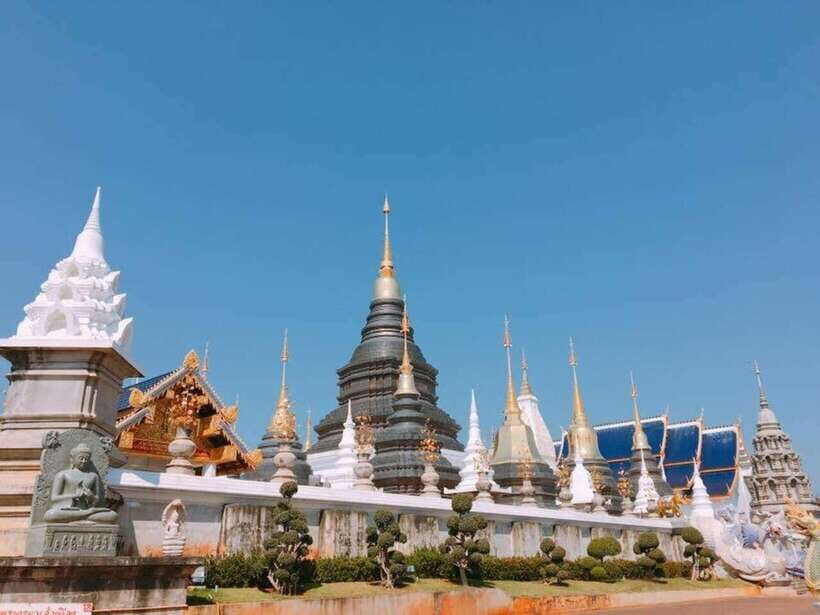
The headline attraction is the cluster of twelve zodiac pagodas. Each pagoda represents a sign of the Chinese zodiac, and they’re covered in colorful mosaics and detailed carvings. This is one of those sights where you’ll want to photograph from multiple angles, because the decoration is layered and the shapes change as you move.
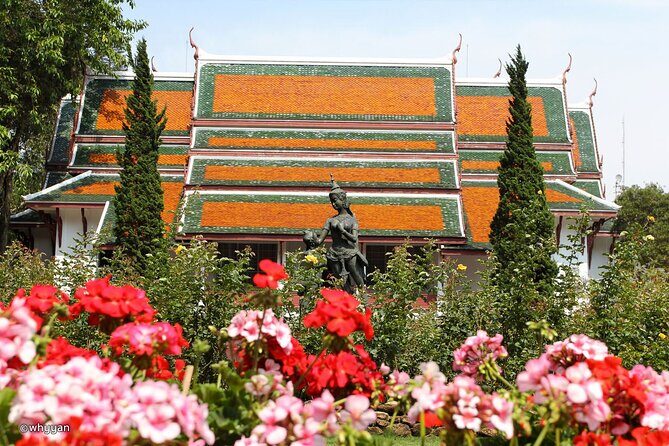
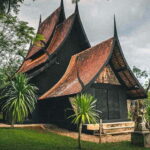
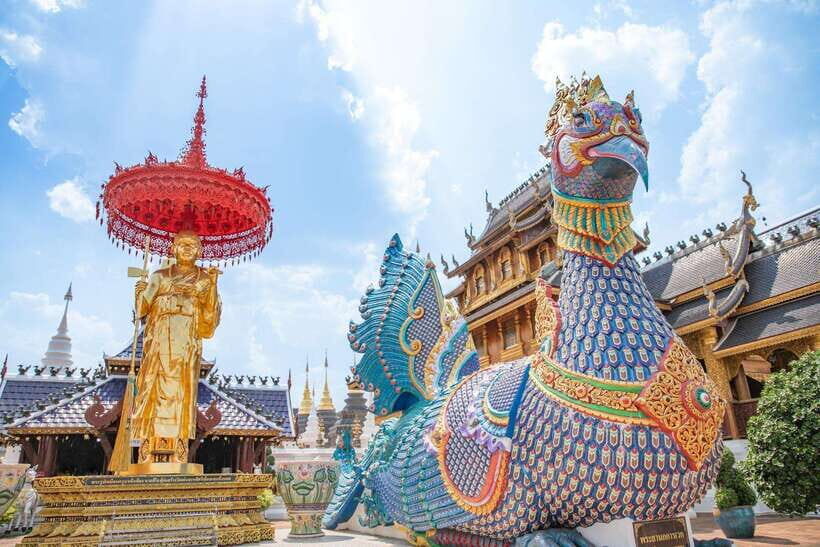
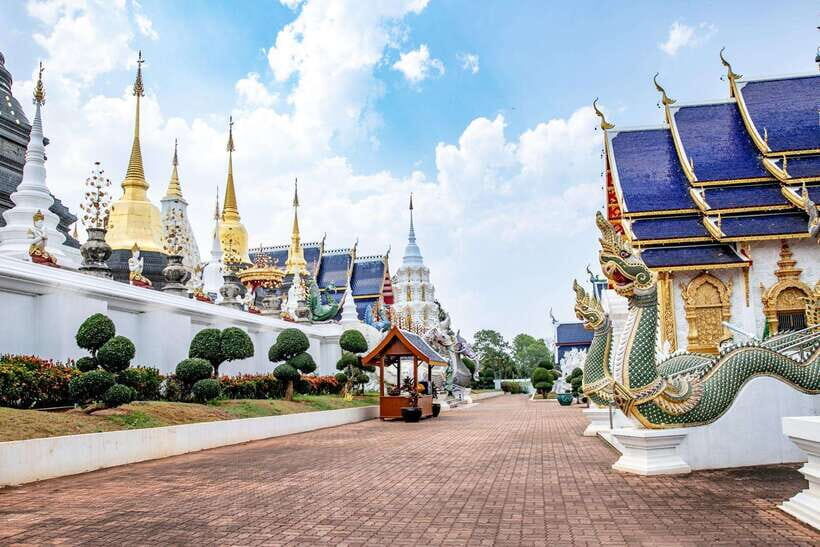
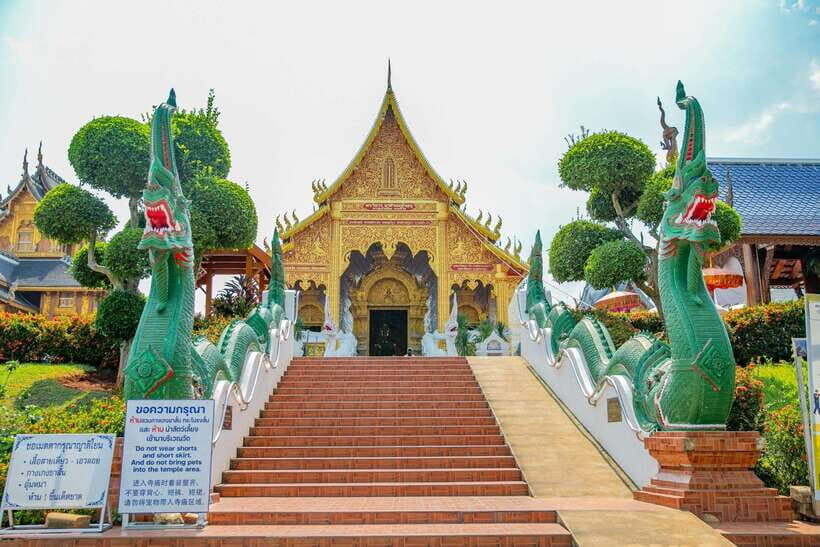
Beyond the pagodas, the complex shows Lanna architecture: curved rooflines, ornate gables, and intricate woodwork. The main hall (the Ubosot) is where you’ll find sacred Buddha statues and murals connected to Buddhist teachings. Even if you don’t read Thai, you can still appreciate the way the art is arranged for storytelling—figures, scenes, and message-based layout.
One practical note: this tour includes a temple walk, not just a quick glance. So go in ready to look closely, not just to collect a checklist of highlights.
Temple etiquette that actually keeps things smooth
Wat Ban Den is a religious site, so dress rules are part of the experience, not an optional add-on. Before you go in, you’ll want clothing that covers your shoulders and knees.
At the waterfall area (not the temple), ladies are also advised to bring a cloth to cover your shoulders. It’s a good idea to bring the same cloth for both stops anyway. Pack it small—something light you can throw on fast.
If you’re the kind of person who hates being told what to wear, here’s the good news: the rules are simple and straightforward. Having the right clothing prevents awkwardness at the entrance and helps you enjoy the time instead of thinking about your outfit.
Also plan for the sun. Even though the temple stop isn’t extreme hiking, you’ll still be walking outside in daytime heat at some point during the day.
Bua Thong Sticky Waterfall: limestone climbing with guide help
Then you move from temple calm into the kind of active travel that makes your arms and shoes feel alive. Bua Thong Sticky Waterfalls is known for limestone rock surfaces that feel grippy—so you can climb the rocks with far better traction than you’d expect.
Here’s what to expect in plain terms:
- You’ll be on limestone with some slick spots, but it’s generally manageable.
- The surface is described as slightly slippery, and the guide can help you navigate safely.
- You’re likely to get a little wet, but it’s not set up like a soaking water park.
The overall vibe is playful, like gecko hands and feet, except you’re doing it with Thai safety instincts and a guide paying attention to where you place your hands and feet.
There’s also a swimming pool at the bottom if you want to cool off. If you do, bring a swimsuit to change into and consider water shoes if you have them. If not, just wear normal clothes you don’t mind getting splashed a bit, and you can even walk barefoot at the waterfall area if you’re comfortable.
If you’re worried about getting covered in water, aim for a mindset of light adventure: enjoy the climb, take breaks, and let the guide set the pace.
The Seven-Colored Fountain trail: birds, shade, and a sacred origin
One of the smartest parts of this whole experience is the short hike you can take at the waterfall site. If you’re interested in reaching the origin area—where the waterfall’s water comes from—you’ll find a small hiking trail that winds through trees.
As you make your way to the Seven-Colored Fountain, the setting shifts. You trade rock-grip climbing for softer forest time. The sound can change too: you may hear birds singing while you walk.
There’s one key rule here: the fountain area is sacred. That means keep your respectful tone and dress appropriately. For ladies, that cloth to cover shoulders is especially relevant for this stop.
Also, remember what this hike is. It’s not a long trek. It’s a quick, nature-focused walk that adds meaning to the waterfall. Instead of treating the climb as the whole point, it helps you see the water’s source—and that makes the waterfall feel more connected to the place.




What “small group up to 8” changes in real life
Group size isn’t a marketing detail here—it affects your day. With a small group limited to 8, you’re less likely to feel herded. At the temple, it means you can take your time admiring the carvings and mosaics. At the waterfall, it means the guide can better watch footing and help you position yourself safely on limestone.
The tour also runs with scheduled transfers between stops, so you’re not trying to problem-solve transport on your own. You get a car with a driver, and you’re back to your original return point in Chiang Mai after the final transfer.
One more human touch: on quiet days, the guides can pay close attention. For example, guides like Didi and Peter have handled very personal pacing and even shared photos and videos by AirDrop at the end on small-group days. That kind of photo-sharing isn’t something I’d assume every time, but it’s the kind of helpful service you might experience when the group is light.
Transfers and pacing: the schedule that keeps it fun
This trip is short, so pacing matters. You’ll have:
- A transfer time of about 1 hour from Chiang Mai to the first stop
- About 1 hour for Wat Ban Den sightseeing with a guide
- About 30 minutes transfer to the sticky waterfall area
- About 1.5 hours at Bua Thong
- About 80 minutes to return to Chiang Mai
Because it’s tight, you don’t want to plan extra stops or long detours on your own that day. The benefit is you also don’t need to overthink logistics. Your guide and driver handle the driving and timing, while you focus on the experience.
Also, with temple time and climbing time both included, you should come ready for mixed effort: some walking, some stairs/ground movement at the temple, then climbing at the waterfall. If you want the most comfortable experience, wear shoes you can trust on limestone.
Price and value: why $57 can make sense
At $57 per person for a total 4-hour outing, the value comes from three things: guided time, included transfers, and no-hassle logistics.
You get:
- An English guide
- A car with driver
- Hotel transfer service in Chiang Mai city
- Drinking water
You also don’t pay separately for the driving piece, which can cost time and energy if you try to stitch it together yourself. Since you’re doing two different locations in one short trip, the guided structure usually makes the day smoother.
What you’ll need to budget for yourself:
- Food (not included)
- Any personal shopping or extras
If you’re the type who hates spending vacation time figuring out transport and timing, the price is easier to justify. If you’re comfortable DIY-ing a temple and waterfall separately, it might feel expensive. But the guided visit and the climbing help are the parts that often make this tour worth it.
Who should book this tour, and who should skip it
This is a great fit if you want a balanced day: culture plus a physical activity that’s fun rather than punishing. You’ll enjoy it if you like:
- Temple architecture with lots of small details
- Photo opportunities at structured viewpoints like the zodiac pagodas
- A waterfall that lets you climb instead of just watch
It’s less ideal if:
- You hate any climbing or you want a completely low-effort experience at the waterfall
- You’re not comfortable with outdoor sun and walking
- You want a long, slow nature day rather than a short, focused loop
If you’re traveling solo, this kind of small-group tour can be especially efficient. If you’re with friends or family, the group size helps everyone keep together without feeling trapped.
Should you book Chiangma: Wat Ban Den & Sticky Waterfall?
If your ideal Chiang Mai day includes Wat Ban Den’s zodiac pagodas and you’re curious enough to try climbing the limestone at Bua Thong, I’d say this tour is a strong booking choice. The big win is the mix: you get a temple visit that rewards close looking, then you get a waterfall experience that rewards active curiosity.
Before you book, check one thing: your comfort with sun and slightly slippery surfaces. If you’re prepared—light clothing that fits temple rules, plus sun protection and footwear you trust—you’ll have a fun, memorable half-day that doesn’t sprawl into a whole day.
FAQ
How long is the tour?
The tour is about 4 hours total.
Do I get picked up in Chiang Mai city?
Yes. Pickup is included in Chiang Mai city, and pickup can also be arranged from the bus station or airport.
Is the guide available in English?
Yes, the live tour guide speaks English.
What should I wear for Wat Ban Den?
You’ll want clothing that covers your shoulders and knees before entering the temple area.
What’s the climbing like at the sticky waterfall?
The limestone can be sticky and is described as slightly slippery, but the guide can help you. You can climb without getting too wet.
Is there a place to swim at the waterfall?
There is a small swimming pool at the bottom. If you want to swim, bring a swimsuit to change into.
What’s not included in the price?
Food and any personal expenses are not included. The tour includes drinking water.