REVIEW · CHIANG MAI
Chiang Mai Paradise Full-Day Cycling Adventure Tour
Book on Viator →Operated by Chiang Mai Biking · Bookable on Viator
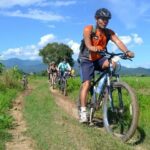
Eight hours on wheels, and Chiang Mai feels human. You’ll pedal out past the city into Ping River scenery, traditional communities, and temple stops where you can actually see paper garlands being made.
I love two things most: the small-group feel that keeps the day personal, and the fact that food is part of the plan with snacks, drinks, and a Thai lunch built in.
One consideration: there’s no hotel pickup, so you’ll need to get yourself to the meeting point, and this is a full-day ride that’s best with moderate fitness.
In This Review
- Key takeaways before you pedal out
- Eight Hours That Trade City Noise for Rice Fields
- The Route Feel: Flat Enough to Enjoy, Long Enough to Feel Like a Day
- Meet at the Shop, Then Head Out: What the Morning Really Looks Like
- Baan Tawai Craft Stop: Short, Local, and Easy to Fit Into the Day
- Temple Stop and Paper Garlands: A Culture Moment You Can See Up Close
- Farming Lessons on Two Wheels: Rice Paddies, Vegetable Fields, and Mushrooms
- Lunch and Snacks in a Neighborhood Setting
- Ancient Ruins, a Centuries-Old Chedi, and a Fresh Market Stop
- Bikes, Helmet, Insurance, and the Guide That Makes the Day Work
- Price and Value: Why $81.24 Can Make Sense
- Who Should Book This Bike Day (and Who Might Skip It)
- Should You Book the Chiang Mai Paradise Full-Day Cycling Adventure?
- FAQ
- How long is the Chiang Mai Paradise full-day cycling tour?
- What time does the tour start?
- Where do I meet the tour?
- Is hotel pickup included?
- Are bicycles and helmets provided?
- Is lunch and drinking water included?
- What fitness level is needed?
- How big is the group?
- What do I need to provide for insurance?
Key takeaways before you pedal out
- Ping River ride: great views early on, with regular chances to pause and take it in.
- Buddhist temple paper-garland making: a hands-on cultural stop, not a quick photo and gone.
- Thai farming education: you’ll hear about traditional farming and mushroom cultivation along the way.
- Baan Tawai craft village: a short, practical stop for wood and handicrafts (admission is free; about 15 minutes).
- Centuries-old chedi + fresh market: you’ll end the day with real local bustle and browsing.
- Guide-led pacing with included refreshments: water/soft drinks plus snacks keep the day from dragging.
Eight Hours That Trade City Noise for Rice Fields
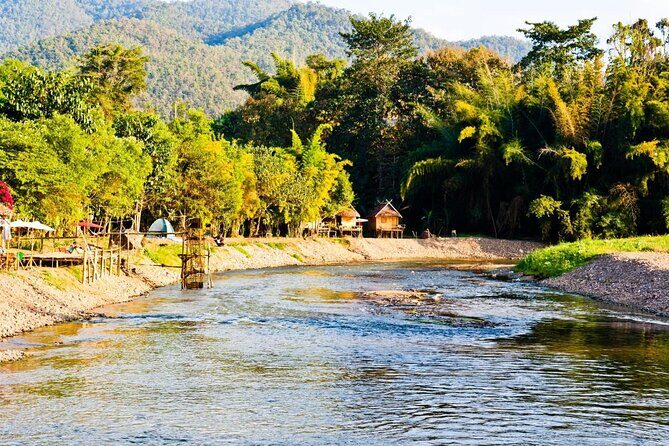
This is the kind of day trip that feels like you changed locations, not just activities. You start in Chiang Mai, then roll along the Ping River toward villages, fields, and temple life where people are doing the same work they’ve done for generations. If you’ve had enough temples stacked next to each other, this format gives you breathing room.
I like the balance here: culture stops are woven into the ride, so you’re not stuck on a bus for hours. And because it’s a small-group experience (capped overall at 50), the guide can keep things moving at a human pace and still answer questions.
The day isn’t about crushing miles. It’s about rhythm—pedal, pause, snack, learn, repeat—so you return with photos and stories that actually connect.
You can also read our reviews of more cycling tours in Chiang Mai

The Route Feel: Flat Enough to Enjoy, Long Enough to Feel Like a Day
Expect about 8 hours from start to finish. The ride begins at 9:00 am and ends back at the same meeting point, so you don’t need to plan a separate drop-off.
The physical side is the part you should take seriously, just not overly dramatic. The tour is aimed at people with moderate fitness, and the terrain is described as flat in at least one firsthand account. Still, it’s a full day on a bike, so you’ll want comfortable clothing and a willingness to ride steadily for hours.
If you like “active sightseeing,” this works well. If you want a short morning loop, you’ll probably feel like the day is too long. If you’re coming in after a heavy night out, you might treat this as a recovery day on purpose.
Meet at the Shop, Then Head Out: What the Morning Really Looks Like
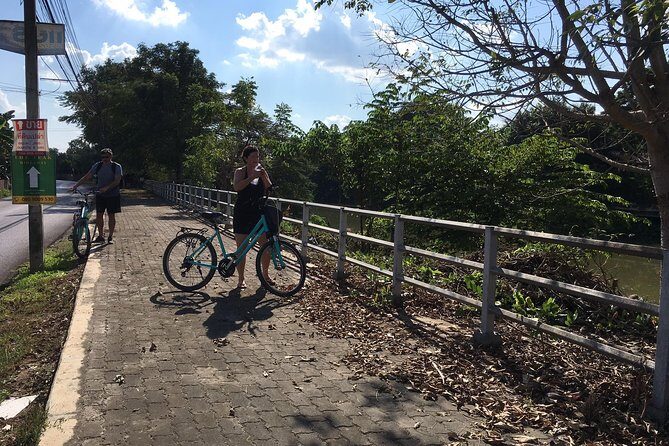
You’ll start at ThailandBiking – Chiang Mai Branch, at Baan Nai Fun 1, 135/157, Soi 7-9, Tambon Pa Daet, Amphoe Mueang Chiang Mai. It’s also noted as being near public transportation, which matters because there’s no hotel pickup.
That lack of pickup is the main morning complication. If you’re staying outside the main areas, plan your route early and give yourself cushion time. Once you’re there, things move efficiently—bicycle and helmet rental is included, so you’re not hunting gear in the morning.
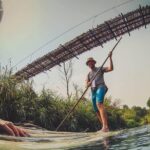
A lot of the tour’s charm starts immediately with the ride along the Ping River. The early scenery helps you shift out of city mode, and the guide typically uses these first stretches to set expectations: how the day will flow, where the culture stops sit in the schedule, and what to watch for along the route.
Baan Tawai Craft Stop: Short, Local, and Easy to Fit Into the Day

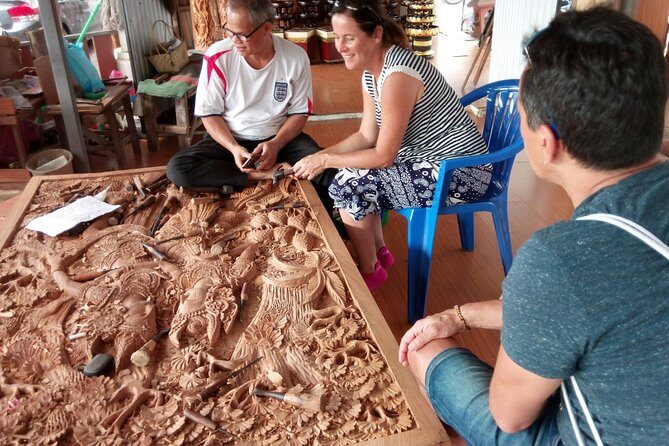
One of the clearest, easiest-to-handle stops is Baan Tawai Village, focused on wood and handicrafts. It’s listed as about 15 minutes, with free admission and an “in-and-out” feel.
This is a good pause if you like crafts but don’t want a full detour. You can browse quickly, look at how items are made, and get a sense of the materials and design styles without losing too much riding time.
The drawback is simple: if you’re hoping for a deep workshop experience, this is more of a viewing-and-briefing stop than a hands-on class. Still, for a full-day ride that already includes farming and temple culture, the short village break keeps the day balanced.
Temple Stop and Paper Garlands: A Culture Moment You Can See Up Close
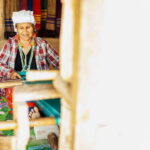
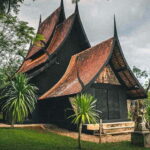
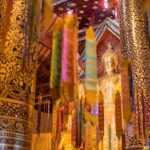
The standout cultural element is a Buddhist temple stop where villagers make traditional paper garlands. This isn’t described as distant or abstract. You’re watching a real process—something made for religious and community use—so it lands differently than a temple visit where you just look around.
This kind of stop works especially well on a bike day because it slows you down naturally. You’ve been moving through fields and roads; then suddenly you’re standing still in a place where people have a routine and a craft.
Guides are a big part of making these moments meaningful. Past experiences highlight guides such as Wit, Wii, Ting Tong, and Deaw being praised for being friendly and engaging, and for connecting the dots between everyday life and Buddhism. You may hear stories that explain why religious practices show up in ordinary community settings, not just “tourist places.”
You can also read our reviews of more tours and experiences in Chiang Mai




Farming Lessons on Two Wheels: Rice Paddies, Vegetable Fields, and Mushrooms
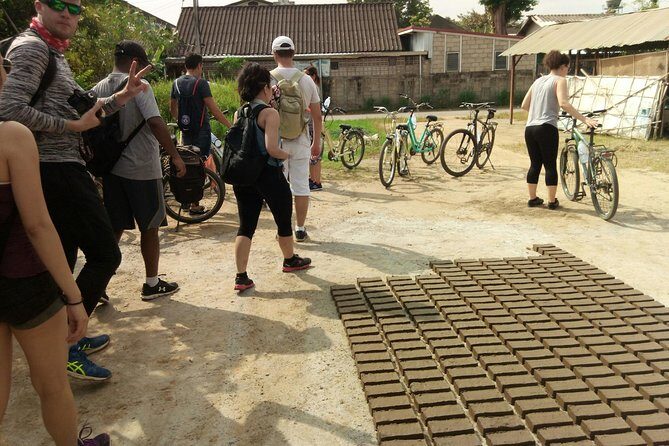
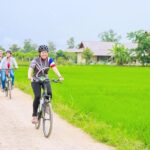
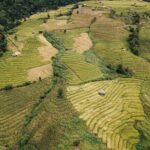
The tour’s theme is agriculture, and it’s built into the route rather than added at the end. You’ll ride through traditional communities and see rice paddies and orchards, then continue into areas described with gently rolling fields and bamboo areas.
What makes it more than scenery is the way farming is explained. You’ll learn about Thai farming and mushroom cultivation, which is a neat detail because it points to food systems beyond the obvious rice-and-street-snack image people sometimes carry.
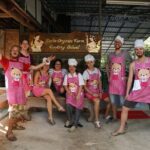
A few firsthand accounts also mention stops tied to family-run food making, like a rice cracker operation where you can sample local treats. That fits the overall style here: food isn’t just eaten; it’s understood.
The farming part of the day is also a good mental break. Even if you’re not a “nature person,” it’s easier to pay attention when the guide is talking about how people work and grow food nearby. You’ll start noticing details you’d normally ride past.
Lunch and Snacks in a Neighborhood Setting
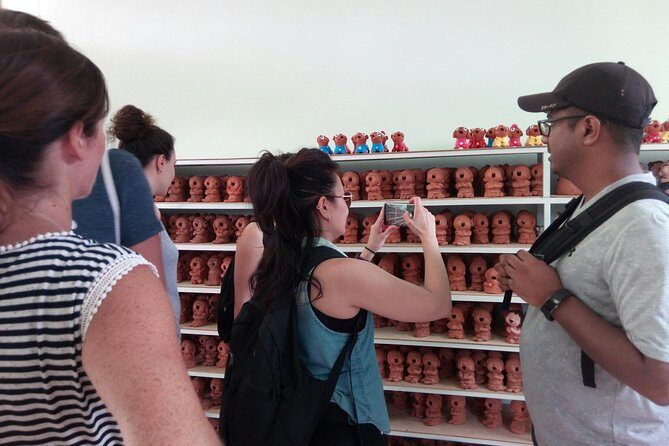
This tour builds in snacks and beverages, plus lunch. That matters because you’re on a bike schedule. When food is planned, you don’t end up spending the middle of the day hunting down something open, cheap, and safe to eat.
Lunch is described as being at a neighborhood restaurant, which tends to feel less like a staged tourist meal and more like you’re briefly joining the local day. You’ll also have water or soft drinks during the ride, which helps you stay comfortable during longer stretches.
One of the underrated perks is the rhythm: you’re given time to stop for refreshments instead of being dragged onward the second your legs start to complain. For a full-day ride, that pacing can mean the difference between a “nice experience” and a “I’d do this again.”
Ancient Ruins, a Centuries-Old Chedi, and a Fresh Market Stop
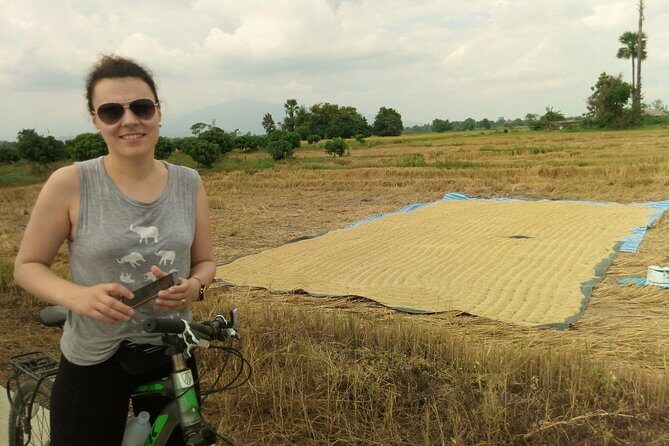
As the day rolls on, the stops get more “Thailand in one glance”—religion, ruins, and daily market life.
The schedule includes an ancient city/ruins stop. Even though the exact site details aren’t spelled out here, the point is clear: you’ll get a break from farming roads into a place where you can slow down and look at older structures and remnants.
Then comes a centuries-old chedi, giving you another anchor for the day’s cultural side. After hours in the countryside, this kind of monument stop helps you connect what you saw on the ride to why temples and community spaces matter in Thai daily life.
To finish, you’ll visit a fresh market. It’s described as a “bustling” market in the overall concept, but I’d call it simply busy in real terms: color, movement, and lots of smells. It’s a good ending because it gives you browsing time without requiring you to keep pedaling afterward.
Bikes, Helmet, Insurance, and the Guide That Makes the Day Work
You don’t have to bring a bike. Bicycle and helmet rental are included, and you’ll also have insurance tied to the tour. For insurance, you’re asked to provide names of all participants and date of birth, so have that info ready when you book.
That might feel like admin, but it’s also part of why this kind of tour runs smoothly. It signals the operator is set up to handle the day properly, rather than treating it like a casual ride.
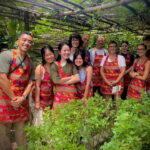
The guide is the biggest variable in any bike tour. The best parts of this experience show up repeatedly: guides described as caring, friendly, funny, and good at turning “what you see” into “why it matters.” Past names linked with great experiences include Mr. Wee, Mr. Wit, Wit, Wii, and leaders like Ting Tong and Deaw.
And that matters for you because it changes your day. With the right guide, you’re not just collecting sights; you’re collecting context—how people farm, how Buddhism shows up in daily life, and how food and community connect.
Price and Value: Why $81.24 Can Make Sense
At $81.24 per person, this tour is positioned as a mid-range full-day activity in Chiang Mai. What makes it feel like good value is that several costs that often add up elsewhere are bundled in:
- Bike + helmet rental
- Lunch
- Snacks and beverages (including water or soft drinks)
- Guide-led route
- Insurance
- A full-day structure with multiple culture stops
If you try to build a similar day yourself, you’d likely spend time piecing together transport, paying for a guide, and covering meals. You might save money in theory, but you’d trade away the easy flow and the “someone else handles it” convenience.
Also, it’s booked fairly ahead on average (around 61 days), which usually means the day is popular. That’s often a good sign, as long as you’re booking for the right reasons: you want active, countryside travel with real cultural stops—not a city checklist.
Who Should Book This Bike Day (and Who Might Skip It)
You’ll probably love this tour if you:
- Want countryside Chiang Mai without getting stuck in a long van all day
- Like food and culture that connect to how people actually live
- Prefer a flat-feeling ride over technical biking
- Appreciate a guide who talks through farming, Buddhism, and daily life
You might skip it if:
- You need hotel pickup and your schedule is tight in the morning
- You’re looking for extreme biking, lots of steep climbs, or a mountain-bike style day
- You’re not comfortable with an 8-hour activity even if the terrain is easier
One more practical note: the tour runs for a full day, so pack for comfort. Comfortable shoes, sun protection, and a small layer for cooler moments (especially if you’re there in the cooler season) can make the difference between enjoying the ride and counting minutes.
Should You Book the Chiang Mai Paradise Full-Day Cycling Adventure?
I’d book this if you want your Chiang Mai trip to include more than temples and markets—you want the “how people live” part, delivered in a way that’s active but not punishing. The combination of Ping River views, temple craft (paper garlands), farming lessons including mushrooms, and a real-feeling lunch stop is a strong mix for one ticket.
If your biggest priority is a super-relaxed city day, or you rely on pickup services, then choose another option. But if you’re okay meeting at the shop and you want an honest slice of northern Thai life on two wheels, this is the kind of day that tends to land well.
FAQ
How long is the Chiang Mai Paradise full-day cycling tour?
It runs for about 8 hours.
What time does the tour start?
The start time is 9:00 am.
Where do I meet the tour?
You meet at ThailandBiking – Chiang Mai Branch, Baan Nai Fun 1, 135/157, Soi 7-9, Tambon Pa Daet, Amphoe Mueang Chiang Mai, Chang Wat Chiang Mai 50100, Thailand.
Is hotel pickup included?
No. Hotel pickup and drop-off are not included, and the tour ends back at the meeting point.
Are bicycles and helmets provided?
Yes. Bicycle and helmet rental are included.
Is lunch and drinking water included?
Yes. Lunch is included, along with snacks and beverages. Water or soft drinks are provided during the excursion.
What fitness level is needed?
Travelers should have a moderate physical fitness level.
How big is the group?
This tour/activity has a maximum of 50 travelers.
What do I need to provide for insurance?
You’ll be asked to provide the names of all participants and their date of birth.