REVIEW · CHIANG MAI
Chiang Mai: One-Day Trekking Adventure in Doi Inthanon Area
Book on GetYourGuide →Operated by Chiang Mai Thailand Tour · Bookable on GetYourGuide
A one-day trek can still feel wild. This trip blends jungle trails, hilltribe village visits, and four waterfalls without making you spend the whole day on a bus. Two things I love about it: you get real cultural time with the Karen and Shan communities, and you also earn your lunch with a proper hike and forest quiet. The one drawback to consider is that it’s physically demanding, and if your group is large, it can get loud enough to make guide explanations harder to catch.
You start early, meet your English-speaking guide, and move from market stop to mountain trails at a steady pace. After village time, the day turns into a practical mix of hiking, resting, and swimming—so it’s not just scenery, it’s a full-on nature break. I particularly like how the route is built around waterfalls and a long day outdoors (about 6–7 hours of trekking time). One more consideration: it does not include the twin pagodas or the highest mountain point, so if those are your must-dos, you’ll want a different option.
In This Review
- Key highlights at a glance
- How this one-day Doi Inthanon area trek really feels
- Getting started: pickup, market stop, and how to be ready
- Trekking into Karen hilltribe country: walking, views, and village time
- Four waterfalls in one day: why this route is built for cooling down
- Lunch at the waterfall: what you get and how to make it pleasant
- Afternoon trek to a Shan village: quieter paths, more hidden moments
- Timing and stamina: what 6–7 hours of trekking means for you
- Price and value: is $77 a fair deal for a full day?
- What to bring (and what will save you)
- Eco-tourism and community respect: how to act on the trail
- Who this trek suits best (and who should skip it)
- Small downside that can matter: group size and noise
- So, should you book this one-day trekking adventure?
- FAQ
- Is pickup included?
- How long is the tour?
- What’s included in the price?
- Are the twin pagodas and the highest mountain point included?
- How many waterfalls do we visit?
- Do I need to bring water or drinks?
Key highlights at a glance
- Karen and Shan village visits that give you cultural context alongside the hiking
- Four waterfalls in one day, including time to cool off with a swim
- About 6–7 hours of trekking, with jungle paths plus mountain views along the way
- Lunch at a waterfall area, with a relaxed break after walking hard
- Eco-tourism and local-community focus, plus reminders to respect the environment
How this one-day Doi Inthanon area trek really feels
This is the kind of trip that works because it stays concentrated. You’re not traveling for days and hoping the “highlight” shows up. Instead, you spend one full day moving through the kind of green country Chiang Mai hikers go looking for: forest trails, farmlands, and mountain views that show up as you climb.
The best part is that the day has rhythm. Morning energy. Midday waterfall reset. Afternoon village-and-trail wandering. You’re not stuck waiting around, and you’re not rushing every minute either.
And the culture piece isn’t treated like a quick checkbox. You’ll have time to visit a Karen hilltribe village first, then later a Shan village. That sequence matters. It lets you notice differences in village life and village surroundings while the hiking is still part of your day, not something you do after a cultural stop.
You can also read our reviews of more hiking tours in Chiang Mai

Getting started: pickup, market stop, and how to be ready
You’ll get picked up from your hotel or guesthouse in the 7:00–7:30 AM window. Then the drive begins with a local market stop about 40 minutes in—plus another short drive after that to the trekking start point.
Here’s why the market stop is useful to you. You can buy what you forgot or what you want extra of: drinks, snacks, or personal supplies. Since water or drinks aren’t included, this is the moment to top up. If you hate carrying a heavy bottle, buy what you’ll drink today, not what you might drink “someday.”
Practical move: if you know you’ll need sunscreen or insect repellent, buy it before you get stuck trekking without it. You’ll be outside all day.
Trekking into Karen hilltribe country: walking, views, and village time
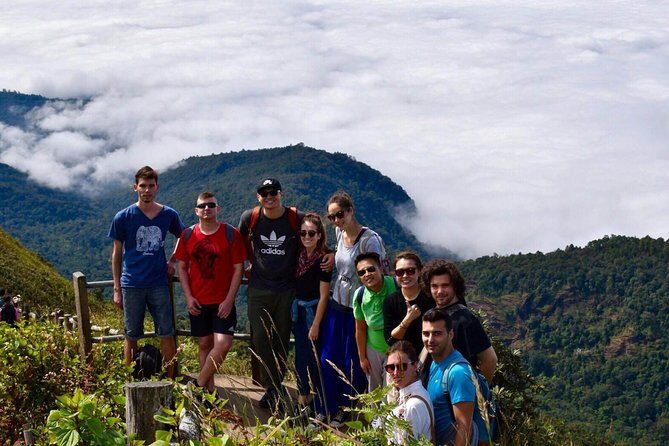
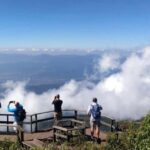
Once you start walking, you’re on lush jungle trails and scenic farmlands. Mountain views show up along the route, which helps break up the hiking grind. It’s not only “walk, walk, walk.” The landscape changes as you go.
The first major cultural moment comes at a remote Karen hilltribe village. You’ll explore there and get a true glimpse into daily life and culture rather than a staged show. This is the kind of stop that feels better when you’re not rushing. Give yourself permission to slow down, ask questions if your guide invites it, and watch how people use their space.
One thing I’d keep in mind: village time is still part of an active day. You’re not dressing for a museum visit—you’re walking in the heat, with insects, and with the basics of a hiking day all around you.
Four waterfalls in one day: why this route is built for cooling down
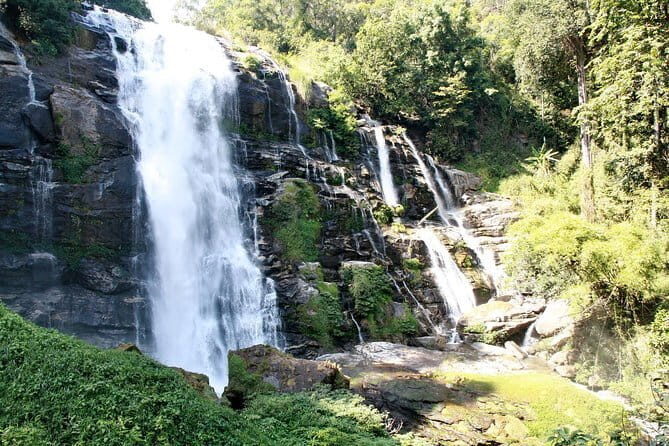
This trip is designed around water. You’ll visit four hidden waterfalls across the day, not just one “wow” spot and then back to trekking.
The first big payoff comes when you trek to a beautiful waterfall where lunch happens. This is where the day gives you one of the best perks: you get time to relax, eat, and then take a refreshing swim in the natural waterfall area.
That lunch-and-swim combo is smart for two reasons:
- You refuel at the moment you naturally want to stop.
- You cool down before the next stretch of hiking, instead of just powering through.
Swimwear and a towel are basically non-optional for comfort, because you’ll be tempted to jump in if the water looks inviting.
Also, expect the waterfalls to be spread through the route. You’ll keep moving after lunch, with more jungle paths and additional waterfall moments along the way. It’s not one long hike to one fixed location. It’s a series of breaks you earn.
Lunch at the waterfall: what you get and how to make it pleasant
Lunch is included, and it happens around the waterfall stop where you also have swim time. For many hikers, this is the moment the day shifts from “work” to “reward.” The air feels different when you’re near moving water, and the breaks help your legs reset for the afternoon trek.
To make the most of it, bring the right clothing rhythm:
- You’ll want quick-dry layers if you swim.
- You’ll also want a change of clothes ready for after, because being damp in the afternoon can feel colder than you expect once you start walking again.
If you don’t swim, you’ll still likely spend time around the waterfall area. So even a dry lunch still benefits from packing for a wet environment.





Afternoon trek to a Shan village: quieter paths, more hidden moments
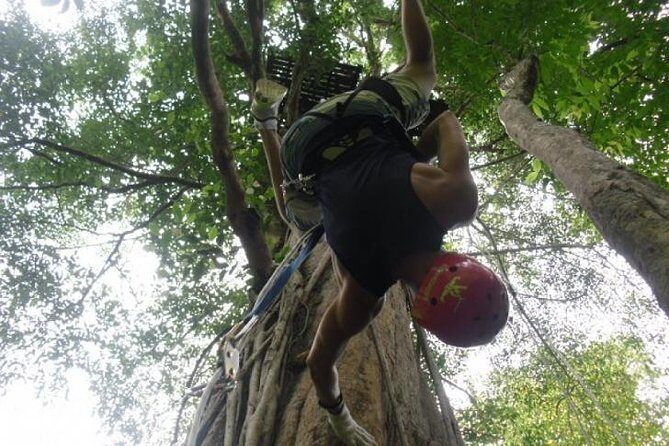
After lunch, the day continues toward a Shan village. The path runs through serene jungle sections, and you’ll pass hidden waterfalls along the way.
This part of the trek is often where you’ll feel the contrast of the trip. In the morning, you’re learning and exploring Karen village life. After lunch, you shift into a slower noticing mode: the sound of water, smaller trail details, and the pacing of the afternoon.
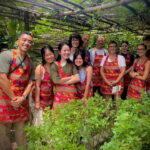
One of the nicest small bonuses from guides on hikes like this is plant knowledge and practical observations. In previous experiences with this style of guide, I’ve seen how much fun it is when a guide points out plants and explains how they’re used—like medicinal uses, food-related uses, and even how some leaves or plants can make funny sounds. If that happens on your day, lean in. It’s the kind of detail you can’t pick up from a photo.
Timing and stamina: what 6–7 hours of trekking means for you
You should plan for about 6–7 hours of trekking time in total, even though the day itself runs from morning pickup to return around 6:00 PM.
That’s long enough that your gear choices matter. Hiking shoes help, not because you need mountaineering gear, but because you’re moving through natural surfaces that can get slippery and uneven. Long pants and long-sleeved shirts also help you handle insects and sun exposure.
If you’re a strong hiker and you like structured days, you’ll probably love this format. If you’re the type who gets sore fast, be honest with yourself and don’t treat this as a casual stroll.
Price and value: is $77 a fair deal for a full day?
At $77 per person for a one-day outing, the value comes from several things that are hard to replicate on your own in a short timeframe.
You’re paying for:
- Hotel pickup and drop-off (so you’re not dealing with logistics)
- An English-speaking guide
- Lunch included
- Insurance
- A system for luggage storage
- The full transportation day tied to a route that includes villages and multiple waterfall stops
The practical question is whether you’d spend similar money on separate transport, a guide for trekking, and a lunch that also happens at a waterfall spot. For most people, the answer is no. Even if you find local transport, putting together the village visits plus the trekking route plus the waterfall pacing is the hard part.
Where the “value” doesn’t cover everything is also clear: things like the high mountain point and the twin pagodas aren’t included. So if your priority is the top viewpoints of Doi Inthanon specifically, you might feel like the day is “missing” that piece.
What to bring (and what will save you)
This day has sun, insects, and water. Pack for that reality.
Bring:
- Sunglasses and sun hat
- Swimwear, plus towel for after
- Change of clothes
- Camera
- Hiking shoes
- Sunscreen and insect repellent
- Long-sleeved shirt and long pants (or hiking pants)
- Personal medication
I’d also suggest you keep a simple mindset: protect yourself from sun and bites first, then think about comfort. A great waterfall can’t fix a bad sunburn or a bug bite that won’t let you sleep.
Eco-tourism and community respect: how to act on the trail
The tour supports local communities and promotes eco-tourism. That’s not just wording. It’s a reminder that your experience relies on people and places that don’t want to be treated like a theme park.
Simple rules that help:
- Stay with your guide and follow the route.
- Don’t treat wildlife or plants like props.
- Be mindful of village rules and privacy during village visits.
- If you swim, rinse off and avoid leaving trash behind.
This kind of day feels best when you act like a guest, not like a consumer.
Who this trek suits best (and who should skip it)
This tour fits hikers who want a nature-packed day with culture and waterfalls, without turning it into a multi-day expedition. If you enjoy jungle trails, don’t mind a long walking day, and like learning from a guide, you’ll likely have a great time.
It’s not suitable for:
- Children under 5 years
- People over 264 lbs (120 kg)
- People over 70 years
Also, if you mainly want the big Doi Inthanon “top hits” like the twin pagodas or the highest mountain point, you’ll probably feel disappointed. Those aren’t part of this plan.
Small downside that can matter: group size and noise
One practical thing to watch for: group size. On a long trail with multiple stops, a large group can mean more noise. If the forest is loud, it can become harder to focus on guide explanations and small details—especially during plant and culture talks.
This isn’t a reason to avoid the tour. It’s just a heads-up to manage your expectations. If you like quiet, you might want to aim for a day when your group feels smaller (when possible) or be ready to tune out the chatter during the quiet stretches.
So, should you book this one-day trekking adventure?
If you want one day in Chiang Mai that mixes waterfalls, village culture, and serious fresh-air walking, I think this is a strong choice. The price is reasonable for what you get—transport, an English guide, lunch, and a route that includes multiple waterfall breaks. The fact that you can swim during the day is a bonus that many short treks don’t include.
Skip it if your top priority is the twin pagodas or the highest mountain point, because you won’t get those here. Also, be honest about your fitness. This is a full-day hike with about 6–7 hours trekking.
If you’re ready for sweat, jungle shade, and the kind of day where the best memories come from small trail moments, then yes—book it.
FAQ
Is pickup included?
Yes. You’re picked up from your hotel or guesthouse in Chiang Mai.
How long is the tour?
It’s a one-day experience with trekking time of about 6–7 hours, and you return to Chiang Mai around 6:00 PM.
What’s included in the price?
Included items are transportation (pickup and drop-off), lunch, insurance, an English-speaking guide, and luggage storage.
Are the twin pagodas and the highest mountain point included?
No. The high mountain point and the twin pagoda (King and Queen Pagoda) are not included.
How many waterfalls do we visit?
You’ll visit 4 waterfalls during the day.
Do I need to bring water or drinks?
Water and drinks aren’t included, so it’s smart to buy what you need at the market stop or bring it with you.