REVIEW · CHIANG MAI
Chiang Mai Fields of Gold Cycling Tour
Book on GetYourGuide →Operated by Trailhead Thailand · Bookable on GetYourGuide
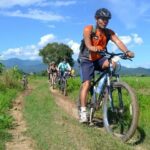
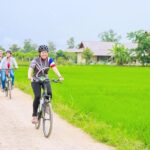
Rice fields and bikes. A great combo.
This Chiang Mai Fields of Gold Cycling Tour is interesting because it trades temple-view timing for Lanna village life and countryside riding, with that special seasonal moment when fields can turn gold. I especially like that you’re not crammed into a huge group, and the tour includes premium bikes plus safety gear so you can focus on the day instead of figuring out equipment.
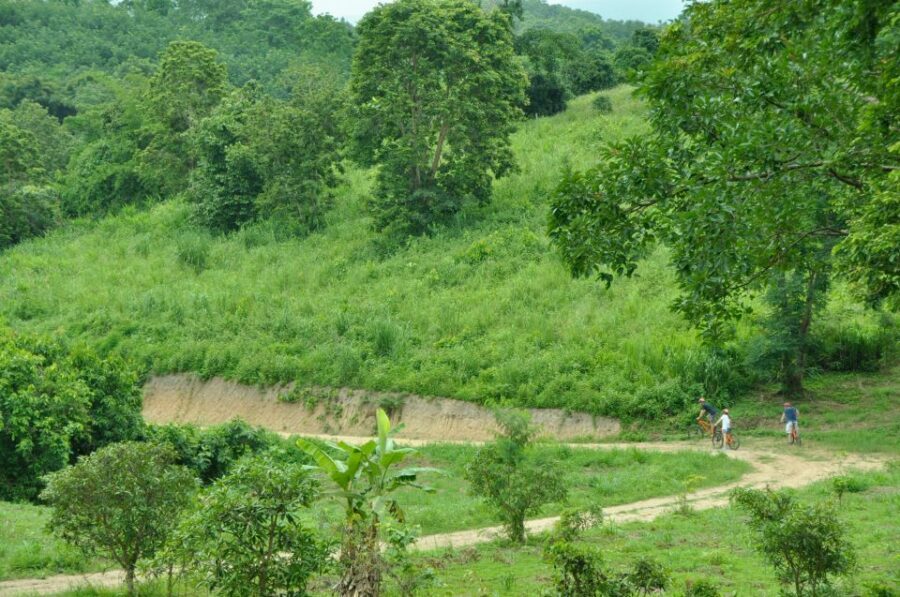
The ride is also not just “pretty road.” You’ll cover up to 36 km with mixed paved and dirt double track, so even though it’s suitable for people with limited experience, it still asks your body to pay attention on uneven sections.
In This Review
- Key Things To Know Before You Pedal
- Why This Chiang Mai Cycling Tour Feels More Like Rural Life
- Distance, Elevation, and Terrain: What Your Legs Will Notice
- The Lanna Village Stops and Snack Breaks
- Rice-Field Timing: When It Really Looks Like Gold
- National Park Time: Why You’ll Want the Included Entrance
- Your Bike, Safety Gear, and Comfort Setup
- The 8-Hour Flow: Pickup, Riding, Snacks, Lunch, and Return
- Price and Value: Is $64 a Fair Deal?
- Who This Tour Is Best For (and Who Should Skip It)
- Should You Book Chiang Mai Fields of Gold Cycling Tour?
- FAQ
- How long is the Chiang Mai Fields of Gold Cycling Tour?
- What distance and elevation will I cycle?
- What kind of terrain is included?
- Is this tour suitable for beginners?
- What cycling gear is included?
- Is lunch and drinks included?
- What language will the guide speak?
- What should I bring for the ride?
- Who should not book this tour?
Key Things To Know Before You Pedal
- Small group (max 9 people) means you get more personal guidance and less waiting around.
- 8-hour day, up to 36 km with 289 m elevation gain is manageable, but not a flat cruise.
- Season matters for Fields of Gold: October–December can look iridescent gold, while other months are greener.
- Safety gear is included: helmet plus knee pads, elbow pads, gloves, and a hydration pack.
- You’ll ride with a pro guide (Thai and English) and there’s an option for a full face helmet on request.
- Lunch, snacks, and drinks are part of the package, not something you have to hunt down.
Why This Chiang Mai Cycling Tour Feels More Like Rural Life
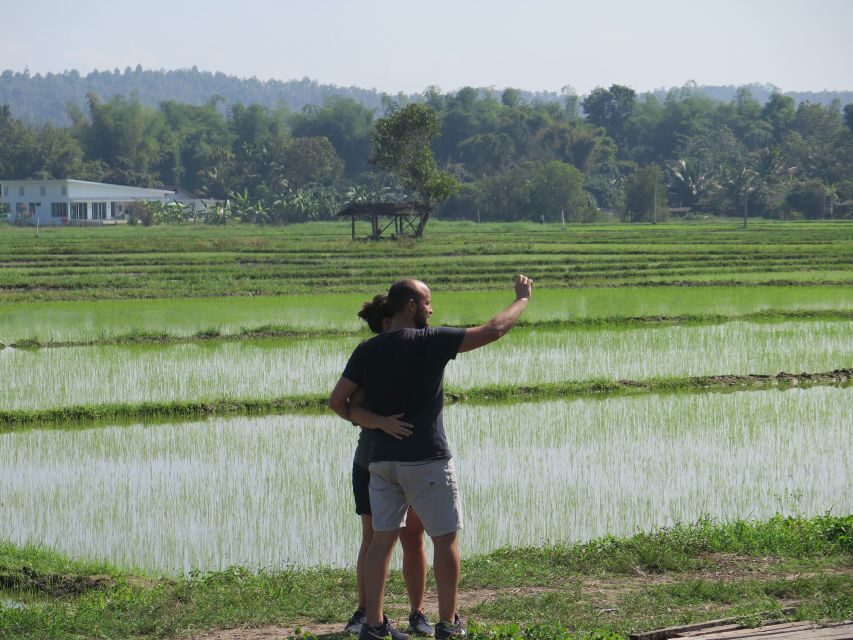
If your idea of Chiang Mai is temples and markets, this tour gives you a different angle. You ride out to the outskirts, where the rhythm is slower and the scenery stays real: rice fields, rural paths, and everyday Lanna village surroundings.
Two things make it work well for most people. First, the ride is framed around traditional Lanna life rather than just landmarks. Second, the tour is built for comfort and confidence: premium bike, fitted equipment, and a guide who can keep things smooth in both Thai and English. One review specifically noted the bikes were new-ish and adjusted to rider size, and that kind of attention matters when you’re riding for hours.
A quick reality check: if you’re coming strictly for a golden-rice photo, timing matters. The “gold” look is tied to October–December. In early March, the fields shift back to a brilliant green, which is still beautiful, just not the same color story.
You can also read our reviews of more cycling tours in Chiang Mai

Distance, Elevation, and Terrain: What Your Legs Will Notice
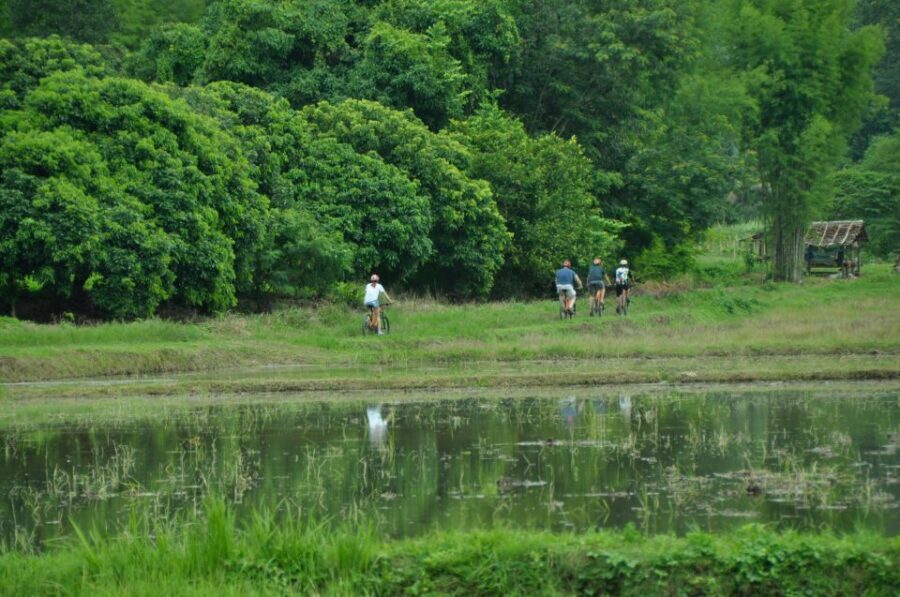
This is an 8-hour experience with a maximum distance of 36 km and 289 meters of elevation gain. That elevation isn’t extreme, but it adds up over a full day, especially on dirt sections where you ride a bit more carefully.
The terrain is a mix:
- paved road
- dirt double track
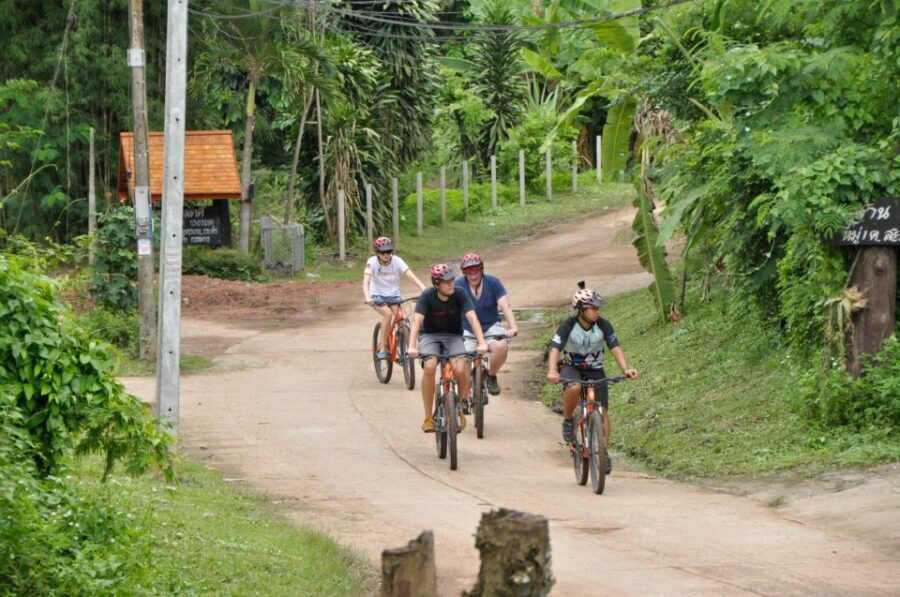
That mix is why this tour is a good “first real cycling day” for beginners. You get enough paved time to find a rhythm, then dirt time to add a bit of challenge and Thai-country texture. The drawback is simple: dirt double track can feel a little loose or uneven under tire. You don’t need to be a racer, but you should be comfortable riding at a steady pace and adjusting your balance.
The Lanna Village Stops and Snack Breaks
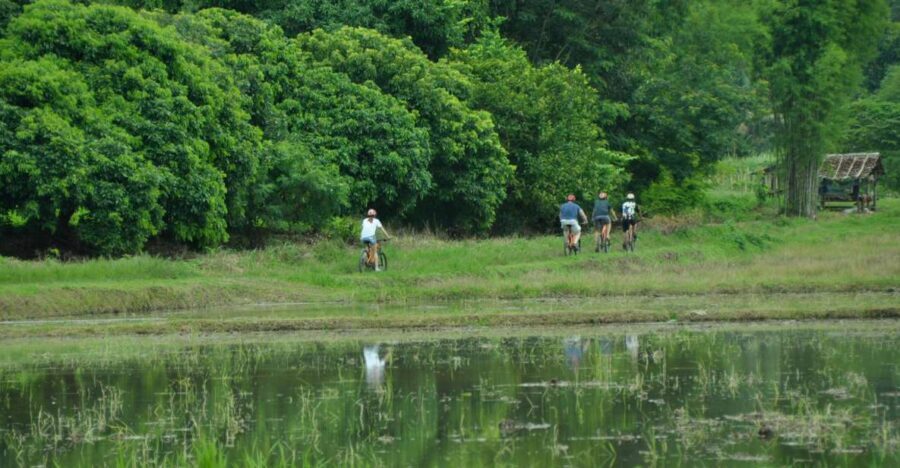
The highlights put Lanna villages front and center, and that’s where the tour earns its name. Instead of only looking at rural life from afar, you cycle in a way that lets you feel part of it. Expect time along the route that focuses on traditional ways of living—exact details of each stop can vary, but the intent is consistent: rural Lanna, not just views from a bus.
Then there’s the food factor. The tour includes sampling local fruits and snacks along the way. This is one of those small inclusions that actually changes your whole experience. When you’re cycling, you’re working a bit, and a snack break keeps the day from turning into a steady grind. It also helps you connect with the local side of the countryside instead of only thinking about distance.
From a practical angle, eat and drink early in your ride. Don’t wait until you’re tired. The hydration pack in the gear setup makes it easier to sip regularly.
Rice-Field Timing: When It Really Looks Like Gold
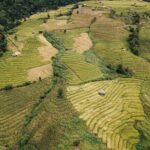
The “Fields of Gold” promise is tied to a season. Between October and December, rice fields can turn iridescent gold. That’s your best window for the most dramatic color.
If you’re going outside that period, don’t panic. Early March is a perfect example from a review: the fields weren’t golden, but they were brilliant green and still looked great. In other words, you’re not wasting your time—you’re just shifting the mood.
So I recommend you decide what you want most:
- If you want the gold photos, plan for October–December.
- If you want the countryside atmosphere and don’t care as much about color, you can still have a strong experience any time the fields are in good shape.
Either way, cycling gives you better “you are here” access than a stop-and-go drive.
National Park Time: Why You’ll Want the Included Entrance
An entrance fee to the National park is included, so at some point your ride goes through or past park areas. Even without a list of specific named viewpoints, the practical value is clear: it’s one reason the route feels more structured than just riding in random roads.
Why does that matter?
- Routes in protected areas often mean quieter riding with less traffic pressure.
- It supports the “countryside + culture” goal of the day, not just exercise for exercise’s sake.
You’ll also appreciate the included lunch and drinks later in the day. Cycling + a real meal is better than trying to piece something together once you’re tired.


Your Bike, Safety Gear, and Comfort Setup
This tour leans into safety and comfort. You get a premium quality bike plus a helmet, knee pads, elbow pads, gloves, and a hydration pack. Full face helmets are available upon request, which is a helpful option if you’re more cautious or your comfort level prefers more coverage.
A detail worth noting: one rider mentioned the bikes were adjusted to their size, which makes a big difference on longer rides. If your seat height and reach are wrong, you’ll feel it by hour two.
What to bring to make the gear work for you:
- comfortable shoes
- comfortable clothes
- sunscreen and sunglasses
And consider a compact camera. The ride through rice fields and rural village scenery gives you plenty of chances for photos that feel less like postcards and more like real moments.
If you’re sensitive to sun, plan for it. Riding outdoors for hours means you’ll be exposed even if you’re not going hard.
The 8-Hour Flow: Pickup, Riding, Snacks, Lunch, and Return
The timing is simple and built around a full-day rhythm. You’re picked up and dropped off at your accommodation for the 8-hour ride. In real life, that means you can avoid wasting energy on transport logistics and spend it on the road.
A likely day flow looks like this:
- Meet the guide and get fitted on your bike
- Ride out from Chiang Mai into the surrounding countryside
- Cycle through rural Lanna areas with snack and fruit stops
- Spend some time in/near National park terrain
- Take a proper break for lunch, plus snacks and drinks included
- Return ride back to Chiang Mai and get dropped off at your place
I like this structure because it reduces decision fatigue. You don’t have to track where food is, which roads to take, or how to pace yourself for the day. Your guide handles the route and keeps the group together.
Also, the group is capped at 9 people. That helps prevent the “everyone rides away at once” problem. One review noted there was a companion vehicle available if needed, which is the kind of safety net that helps you relax and enjoy the ride.
Price and Value: Is $64 a Fair Deal?
At $64 per person for an 8-hour tour, this is a value-heavy package for a few reasons.
First, you’re paying for more than cycling. You get:
- a premium bike
- insurance
- full riding safety gear
- a pro guide
- entrance fee to the National park
- lunch, snacks, and drinks
If you were to price those things separately in Chiang Mai—especially a guided route with park access and a full gear kit—this starts to look like more than a “bike rental day.”
Second, the small group size (max 9) adds value. More personal attention is worth paying for, especially if you’re not a hard-core cyclist.
So who is this best value for? People who want a day outdoors without having to plan everything. If you already have your own bike and love doing route research, you might find cheaper DIY options. But if you want a guided ride that covers safety, food, and park entry, this price is reasonable.
Who This Tour Is Best For (and Who Should Skip It)
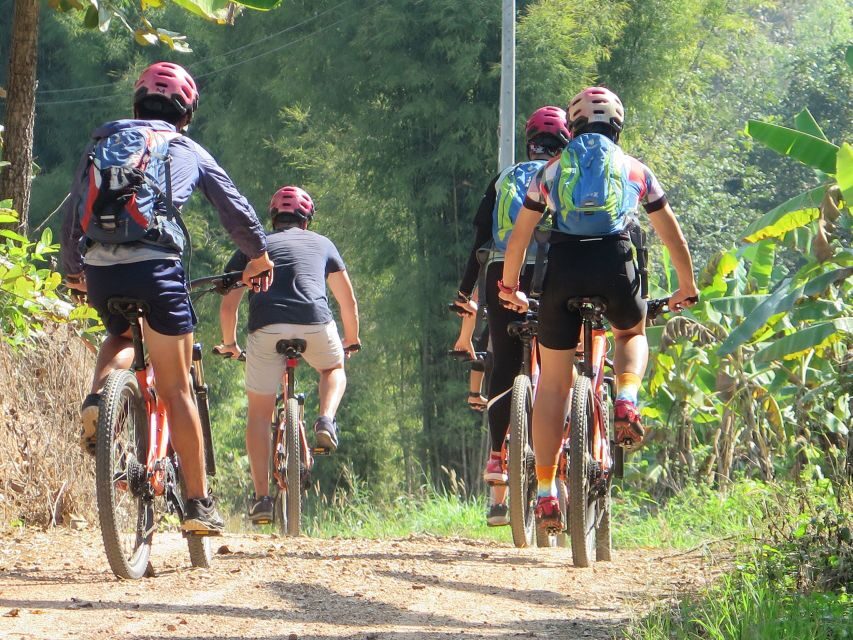
This tour is suitable for anyone, including people with limited cycling experience. That’s important. The distance and the gear support make it approachable, and the ride mix (paved + dirt double track) helps you learn the feel without going full technical.
It’s a strong fit if you want:
- a more local countryside experience around Chiang Mai
- a day that includes food and breaks, not just “ride until you crash”
- small-group guidance and an equipment setup handled for you
It’s not suitable for:
- pregnant women
- people with mobility impairments
- people under 4 ft 6 in (140 cm)
So if you’re traveling with kids, measure first. That 140 cm rule matters.
Should You Book Chiang Mai Fields of Gold Cycling Tour?
I’d book it if you want a guided, small-group cycling day that mixes rural Lanna life with seasonal rice-field scenery—and you value having the gear, lunch, and route handled for you. The inclusion of safety pads, gloves, hydration, and a helmet makes it feel thoughtfully put together, not like a bare-minimum bike outing.
Skip it if your top priority is a hard-challenge endurance ride. This isn’t built for maximum suffering. The elevation and distance are real, but the day is designed to be doable for beginners and mixed fitness levels.
If you’re planning around the gold color, aim for October–December. If you’re outside those months, go anyway for the countryside and village atmosphere—you’ll still get a beautiful ride, just with greener fields.
FAQ
How long is the Chiang Mai Fields of Gold Cycling Tour?
It lasts 8 hours.
What distance and elevation will I cycle?
The maximum distance is 36 kilometers, with 289 meters of elevation gain.
What kind of terrain is included?
You’ll ride on a combination of paved road and dirt double track.
Is this tour suitable for beginners?
Yes. It is suitable for anyone, including people with limited cycling experience.
What cycling gear is included?
You’ll receive a premium quality bike, a helmet (full face helmets are available upon request), knee pads, elbow pads, gloves, and a hydration pack.
Is lunch and drinks included?
Yes. Lunch, snacks, and drinks are included.
What language will the guide speak?
The live tour guide speaks Thai and English.
What should I bring for the ride?
Bring comfortable shoes and comfortable clothes. You should also bring sunscreen and sunglasses, and it’s recommended to bring a compact camera.
Who should not book this tour?
It is not suitable for pregnant women, people with mobility impairments, or anyone under 140 cm tall.