REVIEW · CHIANG MAI
Chiang Mai City Culture Bicycle Ride
Book on GetYourGuide →Operated by Recreational Bangkok Biking · Bookable on GetYourGuide
Chiang Mai is easier to understand from the seat of a bike. This half-day ride threads quiet lanes and small back roads through major landmarks like Wat Chedi Luang and Wat Phra Singh, plus a silversmith stop and markets where locals are actually going about their day. The best part is how smoothly the guide links what you see to what it meant in the city’s past, especially the temple details and craft work.
I really like that you cover a solid 25 km without it feeling like a full-day grind, and that the tour builds in food and shopping-free culture time (including a Thai meal/snack). One thing to plan for: you’ll be visiting temples, so you must wear long pants—shorts and short skirts are not allowed.
In This Review
- Key highlights at a glance
- Why cycling Chiang Mai’s old center beats walking
- The opening pedal: what to expect before your first temple stop
- Temple trio: Wat Chedi Luang, Wat Prasingh, and Wat Phra Singh
- The Silver Temple and the silversmith pause
- Markets and the China Town feel: flower stalls and alley life
- The river crossing and the local market snack stop
- Price and what you actually get for $43
- Who this bicycle ride suits best (and who should think twice)
- Should you book Chiang Mai City Culture Bicycle Ride?
- FAQ
- How long is the Chiang Mai City Culture Bicycle Ride?
- How far do you cycle?
- Where does the tour start and end?
- What’s included in the price?
- What temples and areas are visited?
- What should I wear for the tour?
- Is the tour available for solo travelers?
Key highlights at a glance
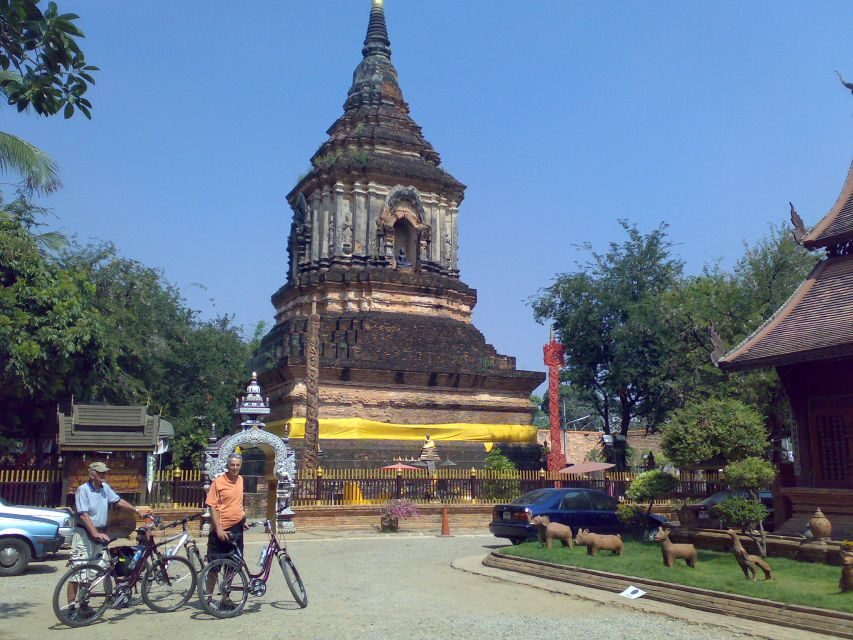
- Wat Chedi Luang, Wat Phra Singh, and Wat Prasingh on one ride route
- Silversmith stop + the adjacent Silver Temple for craft and restoration details
- 25 km on quiet roads and lanes through the center, not just along main streets
- China Town of Chiang Mai and a fresh/flower market stop
- A local market with time to sample exotic fruits and/or snacks
- Small-group pace with an English-speaking guide (plus Thai and Dutch)
Why cycling Chiang Mai’s old center beats walking
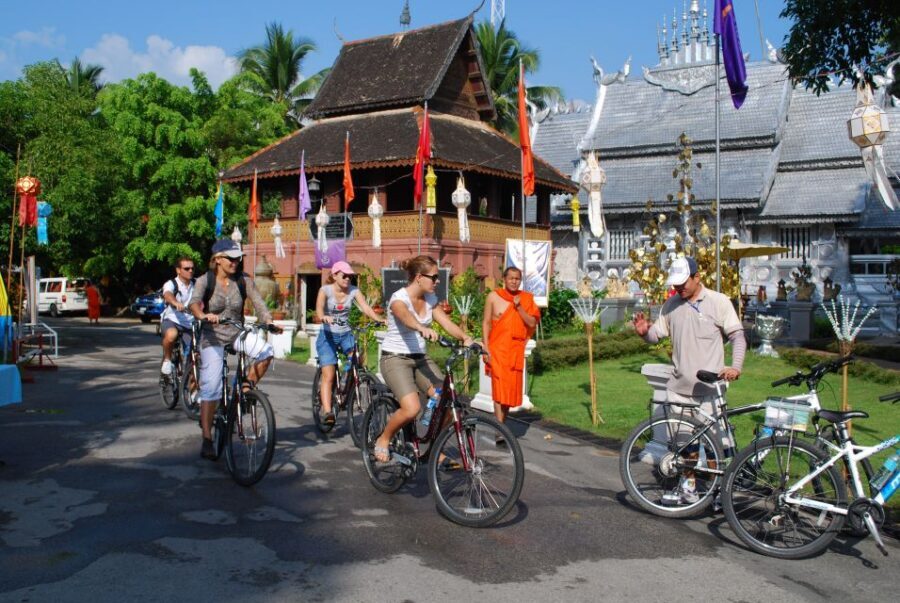
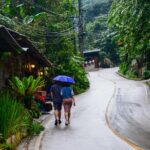
The biggest reason this works is simple: a bike lets you move like a local while still seeing the details you’d miss on a bus or at speed. Chiang Mai’s historic core has lots of lanes—some narrow, some busy-looking, and some that feel tucked away. On this route, you spend most of the time on smaller roads and alleys around the cultural center, so the ride feels like you’re threading through real neighborhoods rather than just hopping between big sights.
I also like that the pacing is set for culture, not cardio. You’re on the bike for about 4.5 hours covering roughly 25 km, which is a meaningful distance but still comfortable for a half day. The guide keeps the stops logical: temples in one stretch, then markets and food, then back toward where you started. That structure matters because it turns scattered sights into one story.
One more practical win: you don’t have to keep refreshing your bearings every time you turn a corner. The route is designed as a loop—start at Recreational Chiang Mai Biking and return there—so you get the freedom of cycling without the stress of navigation.
You can also read our reviews of more city tours in Chiang Mai
The opening pedal: what to expect before your first temple stop
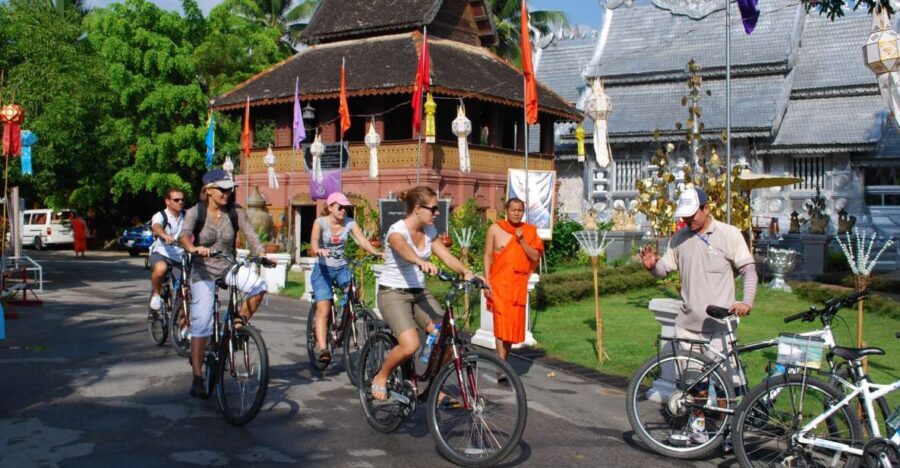
Your tour starts at Recreational Chiang Mai Biking, and you’ll bike from there through the city center area. You get a bicycle and helmet, plus an English-speaking guide (also available in Thai and Dutch). Entrance fees are included, along with water or soft drinks and a Thai meal/snack.
That matters because it removes the usual friction of temple-hopping. In many places, you spend half your time figuring out tickets, figuring out where to go next, and trying to understand what you’re looking at. Here, the guide is built into the experience from the first minutes, so you can focus on the sights and how the city’s layout influences what you see.
From a comfort standpoint, you’ll want to show up ready for stop-and-go time. Even with a bike, temples mean pauses, uneven footpaths in places, and time spent standing to read details or watch what monks and artisans are doing. Plan on wearing long pants from the start, since that’s required for temple visits. If you’re traveling with lighter clothing, consider bringing a long, breathable option so you’re not stuck changing later.
Temple trio: Wat Chedi Luang, Wat Prasingh, and Wat Phra Singh
This is the core of the cultural loop, and it’s chosen well because each temple gives a different angle on Chiang Mai’s religious identity.
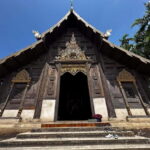
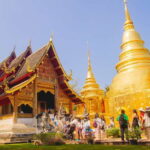
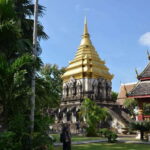
Wat Chedi Luang is where the tour begins the temple circuit at the city center. The temple complex traces back to the 14th century, and it’s especially famous because the Emerald Buddha once lived here. Around 1545, a Laotian king took it to Luang Prabang. Today, you can find the Emerald Buddha in Bangkok at Wat Phra Kaew. When you hear that chain of movement, it gives Chiang Mai’s landmark a bigger regional context than just local architecture.
Next you’ll head to Wat Phra Singh, which the tour describes as the most visited and beautiful temple of Chiang Mai. The temple is named for an important Buddha statue inside: Phra Buddha Sihing. That detail helps you look past the pretty buildings and understand that the temple’s identity is tied to the statues it houses.
Then the route also includes Wat Prasingh. Even if you’re not chasing “most famous” sites only, these temples are valuable because they show how belief, art, and community life overlap. You’ll see them as places where people still gather, not just photo stops.
The catch is etiquette. You need to dress appropriately for temple visits, and the tour explicitly prohibits shorts and short skirts. If you ignore that, you’ll lose time at best, or be turned away at worst.
The Silver Temple and the silversmith pause
One of the most memorable parts is the stop that’s not a temple first: a visit to a silversmith who fabricates jewelry in different shapes and sizes. The tour notes this is sorry, no shopping, so you can watch the process without feeling pulled into a purchase conversation.
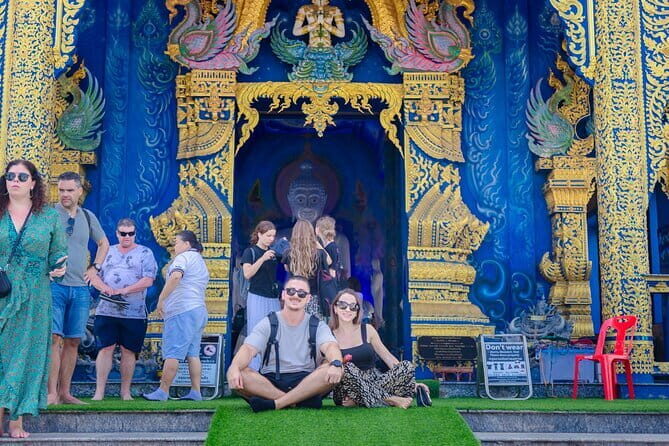
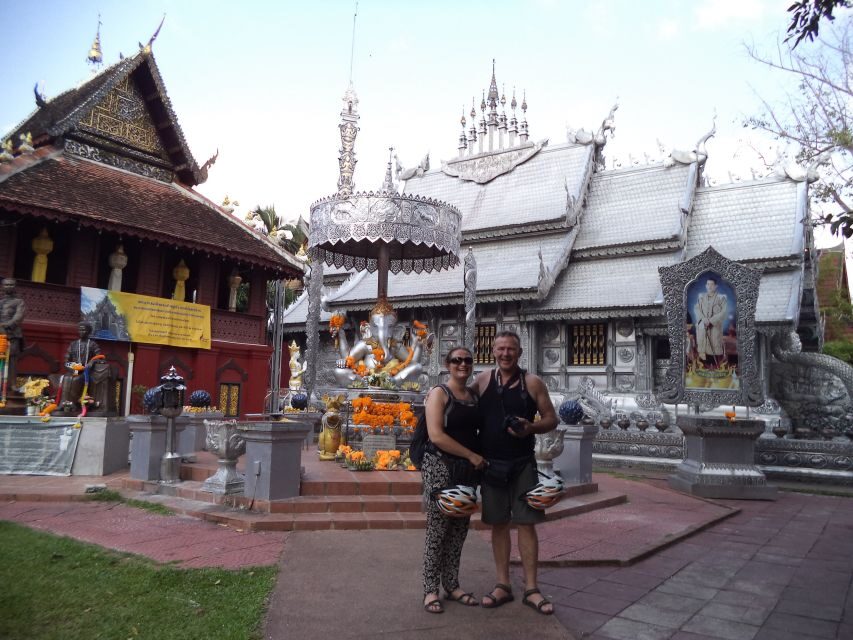
Right next door is the Silver Temple, where monks are described as keeping busy making decorations of alloy used for renovation. Even without shopping, this is a strong cultural stop because you’re seeing how materials and crafts connect to daily religious life and restoration work. It’s also a helpful break in the rhythm of temple-to-temple walking: you shift from architecture and statues to hands-on making.
What I like here is that it gives you a clearer picture of why Chiang Mai has a reputation for silver and craftsmanship. The city’s temple life isn’t frozen in time—it’s actively maintained, and the work has a human face.
If you’re the kind of traveler who likes explanations, this stop tends to deliver, since the guide can point out what’s happening and why it matters to the temple’s ongoing upkeep.
Markets and the China Town feel: flower stalls and alley life
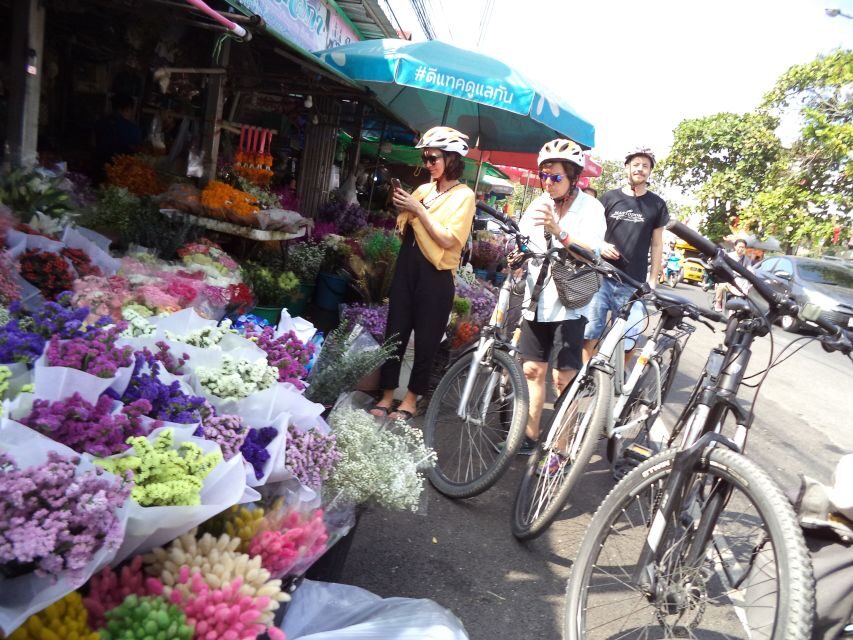
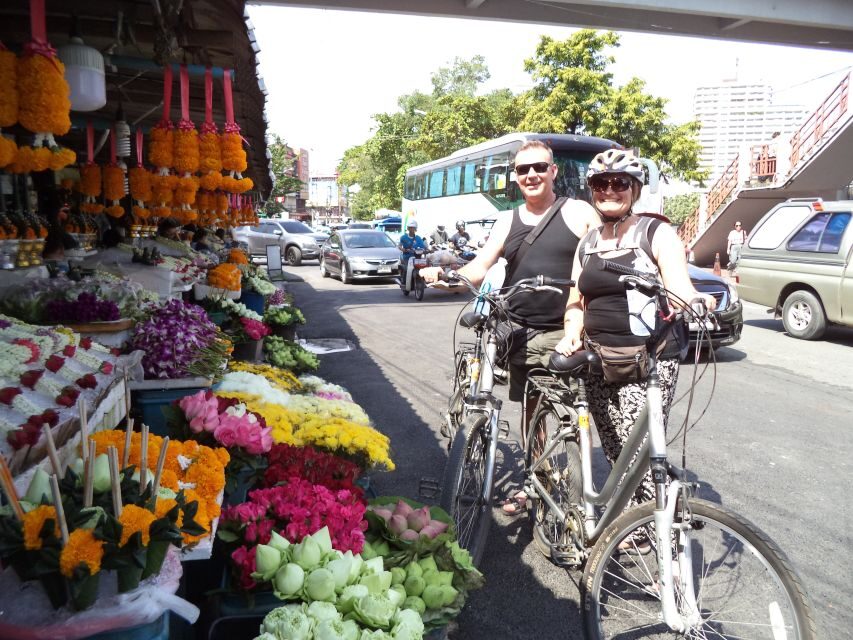
After the temples, the tour shifts into neighborhood texture: China Town of Chiang Mai and a fresh and flower market stop. The description is specific on purpose—this isn’t just a generic market stop where you wander and hope.
You’ll pass through areas where you can see local patterns: stalls, street-level activity, and everyday motion. The tour emphasizes that you’re cycling through lanes and alleyways where local people continue their daily activities. That’s the difference between a tourist market and the kind of market that helps you understand how the city works.
The flower market is a standout because it’s seasonal and sensory. Even if you don’t buy anything, you’ll see Northern-style choices in blooms and arrangements. It’s also a nice photo break, but more importantly, it gives your brain a switch from temple details to color and commerce.
And then there’s the China Town segment: the tour frames it as a specific area within the city center loop. That matters because it helps you place what you’re seeing geographically. Instead of randomly passing buildings, you get a sense that you’re moving through distinct cultural zones.



The river crossing and the local market snack stop
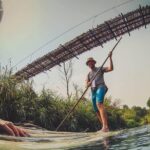
One part of the route that feels particularly practical is the time set aside at a local market after cycling and crossing the river. Here you get another refreshment break, with more explanation from the guide and time to taste exotic fruits and/or local snacks.
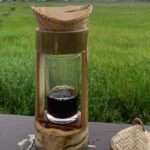
This is where the tour becomes more than “ride + see.” Food stops help you slow down just enough to absorb what you’ve passed. You also get to try small bites that you might not choose on your own—especially if you’re not sure what’s safe or what’s typical for Chiang Mai.
The duration and structure help too. This isn’t a quick drive-by. You’re told you’ll have time for tasting and explanations, which means you can ask questions about what you’re eating and what you should look for later.
From a value angle, this stop is included in the deal through the Thai meal/snack, plus water or soft drinks. So you don’t get whiplash from paying extra whenever you feel hungry.
Price and what you actually get for $43
At $43 per person for about 4.5 hours, the price is best judged by what’s included—not just the bike ride itself. You get:
- Bicycle and helmet
- English-speaking guide (plus Thai and Dutch)
- Entrance fees
- Thai meal/snack
- Water or soft drinks
- Insurance
That package is what makes the tour good value. Temple entrances add up fast in Thailand, and if you’re traveling independently, you’d pay for transport between stops plus pay your own way into each site. Here, the guide stitches it together and the entrances are already covered.
Also, you’re not just seeing “temples in general.” You’re visiting multiple named sites tied to clear stories: the Emerald Buddha’s earlier connection to Wat Chedi Luang, the Phra Buddha Sihing at Wat Phra Singh, and the crafting/restoration angle at the Silver Temple and silversmith stop.
For most people, the real win is saving energy and time. Instead of coordinating tickets, transit, and a route that respects temple etiquette, you get a ready-made cultural circuit. If you’re short on time in Chiang Mai, this type of guided half day is one of the more efficient ways to get a meaningful slice of the city.
Who this bicycle ride suits best (and who should think twice)
This tour is a strong fit if you:
- Want to see major temple landmarks without spending all day on your feet
- Like guides who explain what you’re seeing and help you connect dots between history, religion, and daily life
- Enjoy markets and want a structured snack/fuit-tasting moment
- Prefer small-group pacing on quiet lanes rather than only main streets
In the reviews, the guide experience is clearly a standout. Guides like Dong and Deo are praised for humor, storytelling, and careful bike handling—exactly the kind of traits that help on narrow streets and in traffic-adjacent areas.
You may want to think twice if you strongly dislike:
- Temple dress rules (you’ll need long pants; shorts and short skirts are not allowed)
- Any cycling in mixed streets, even though the route is described as quiet roads and small lanes
- Tours where shopping isn’t the goal (the silversmith stop explicitly indicates no shopping)
If you’re already comfortable with etiquette and you want culture that feels like a moving city walk, this ride is a great match.
Should you book Chiang Mai City Culture Bicycle Ride?
Yes, if you want an efficient, well-rounded introduction to Chiang Mai’s central sights. This is one of those tours that gives you both the headline temples and the everyday city feel: craft work at the silversmith/Silver Temple, markets including the flower area tied to China Town, and a practical snack stop with time to taste local food.
Don’t book it if your number one priority is lounging or deep museum time. This is about moving through the city—25 km in 4.5 hours—so plan for stops, walking at temples, and dressing appropriately.
If you’re on a first trip and want a guided route that actually makes sense, I’d book this one and then use the rest of your time to revisit your favorite temple or market area at a slower pace.
FAQ
How long is the Chiang Mai City Culture Bicycle Ride?
The tour lasts about 4.5 hours.
How far do you cycle?
The ride covers about 25 km.
Where does the tour start and end?
You meet your guide at Recreational Chiang Mai Biking, and the tour ends back at the meeting point.
What’s included in the price?
It includes a bicycle and helmet, an English-speaking guide (also Thai and Dutch), entrance fees, a Thai meal/snack, water or soft drinks, and insurance.
What temples and areas are visited?
The tour includes stops at Wat Chedi Luang, Wat Prasingh, Wat Srisuphan, China Town, and local markets. It also includes a silversmith visit and the adjacent Silver Temple.
What should I wear for the tour?
You need to dress appropriately for temples. The tour says to bring long pants, and shorts and short skirts are not allowed.
Is the tour available for solo travelers?
Solo travelers are welcome, but the tour only operates with a minimum of 2 participants. If that minimum isn’t reached, the provider may offer a different time-slot/day or cancel your reservation.