REVIEW · CHIANG MAI
CHIANG MAI ELEPHANT VILLAGE SANCTUARY JUNGLE ADVENTURE
Book on GetYourGuide →Operated by Elephant Village Sanctuary · Bookable on GetYourGuide
A jungle morning is a great way to start Chiang Mai. This 6-hour trip pairs a Karen village visit with close, gentle elephant time in the jungle, plus rice-field views and a short waterfall break. I like it because the day keeps the focus on care and behavior—not tricks. You’ll meet the Karen family behind the sanctuary and spend time seeing elephants in their natural home.
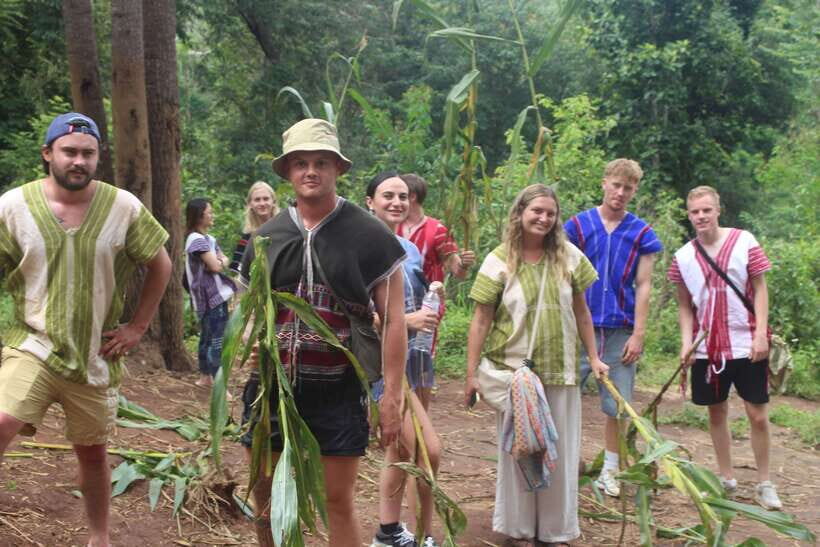
I especially like two parts: first, you get small-group elephant interaction under mahouts’ supervision, with direct contact that’s meant to be low-stress for the elephants. Second, you’ll step into village life in Dok Ko Ki—walk the rice fields, try traditional Karen outfits, and enjoy a local lunch prepared by Ken’s family.
One thing to think about before you book: the description comes with clear rules (no flash photos, no alcohol/drugs, no elephant riding), and one low rating raised concerns about whether the details match expectations. If you’re picky about what counts as close access or what the day looks like, read the rules carefully and ask the operator what you should expect.
In This Review
- Key points to know before you go
- A Karen village and jungle elephant day outside the city
- The price question: is $48 worth it?
- The morning pickup and the drive that sets the tone
- What you’re likely to notice during the drive
- Market stop and scenic views: a quick look at local everyday life
- A small consideration
- Wildlife viewing block: where the jungle experience happens
- Karen village life before you meet the elephants
- Meeting the elephants: close contact, careful supervision
- Rules that shape your experience (and protect the animals)
- What “gentle” looks like in real time
- Waterfall cooling down and elephants in the river
- Why this part is more than a break
- Lunch with Ken’s family: where the day feels personal
- A practical tip for lunch day
- The small free-time window: use it wisely
- Scenic drive back to Chiang Mai
- Who this tour is best for
- Things to bring and rules you must follow
- One small planning note
- Safety and comfort: what the tour includes
- About that mixed rating: how to book smart
- Should you book Chiang Mai Elephant Village Sanctuary Jungle Adventure?
- FAQ
- How long is the Chiang Mai Elephant Village Sanctuary Jungle Adventure?
- What time is pickup, and where do I wait?
- How much does it cost?
- What’s included in the tour price?
- Can I ride the elephants?
- Are flash photos allowed?
- What should I bring?
- Are children allowed if they are not with a parent or guardian?
Key points to know before you go
- Jungle-first elephant setup: elephants are kept in their jungle home rather than in a show-style setting
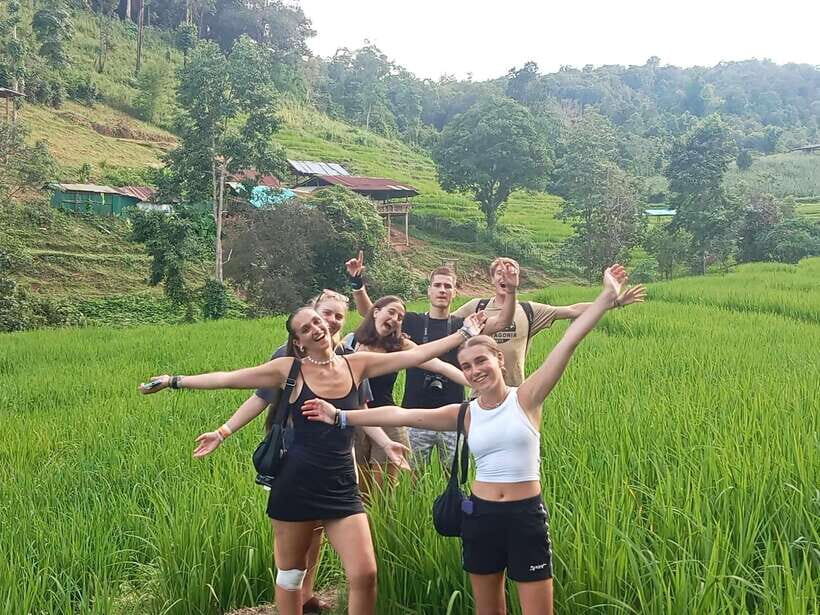
- Karen village walk in Dok Ko Ki: rice fields, everyday life, and friendly family hospitality
- Ken Palasu guides the morning: you’ll get a humorous briefing plus elephant facts during the day
- No-riding, low-impact contact: you interact with elephants with mahout supervision and no animal riding
- Waterfall cooling break: a short trek to swim or cool off, plus elephants playing in the river afterward
- Everything bundled in: pickup/drop-off, lunch, insurance, bottled water, and even shower facilities
A Karen village and jungle elephant day outside the city
This is the kind of Chiang Mai tour that feels like it leaves the tourist bubble early. You’re picked up in the morning and driven out of town, watching the city give way to hills, farms, and village life around Chiang Mai Province. That change matters because it sets expectations: this isn’t just a quick photo stop. It’s a full day that moves with the rhythm of rural northern Thailand.
The heart of the experience is simple. You go to the Dok Ko Ki Karen village, then head into the jungle area where the elephants live. You’re not there to ride. You’re there to watch, learn, and spend time around animals that are handled with care.
You can also read our reviews of more tours and experiences in Chiang Mai.



The price question: is $48 worth it?
At $48 per person for a 6-hour outing, the value comes from what’s included. You’re getting hotel pickup and drop-off, an English-speaking guide/owner (Ken Palasu), insurance, bottled water, lunch, and shower facilities. The fee also goes toward elephant upkeep after expenses, which matters if you care about where the money actually ends up.
If you’ve been seeing cheaper elephant tours that bundle in a ride or a quick feed-and-run, this one is more time and more structure for the price. The main trade-off is that the schedule is activity-heavy and includes rules that limit what you can do with cameras and with alcohol.
The morning pickup and the drive that sets the tone
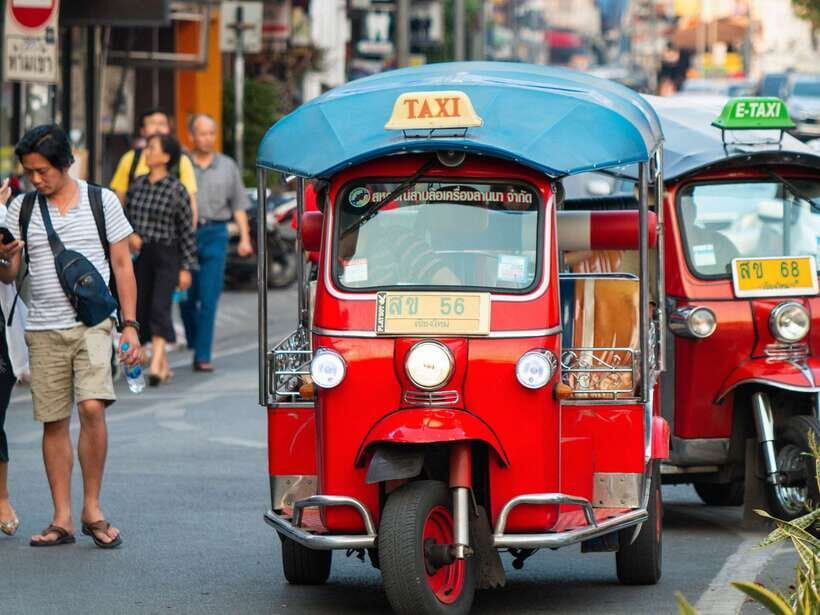
Your day starts with pickup from your hotel. You’ll want to be ready because pickup is at 7:30 am at the hotel reception. The driver looks for you in the lobby near reception, so it’s worth doing the simple thing: confirm your pick-up by email after you arrive in Thailand, ideally 48 hours ahead, using the contact provided by the operator.
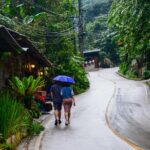
The ride out of Chiang Mai is part of the experience. You’ll get scenic views as you move from urban edges toward mountain scenery and greener areas. Along the way, you’ll also see how Thai people live in the outskirts, which is one of those details that only becomes obvious when you’re driving past it for real.
What you’re likely to notice during the drive
- Green rice fields and village homes as the city thins out
- Changes in environment as you climb toward the mountains
- Dial differences—many people speak a northern Thai dialect, depending on where you stop
This matters because you’ll feel less like you’re visiting a set and more like you’re being shown a region.
Market stop and scenic views: a quick look at local everyday life
One part of the itinerary includes a stop for a food market and about 50 minutes of scenic driving. This isn’t framed as a shopping spree. It’s more of a quick window into local routines—what people buy for daily meals and how a market feels in the morning when life is moving.
If you enjoy travel photography, this is where you’ll likely get your early shots: small stalls, ingredients laid out for cooking, and the kind of everyday scenes that don’t require a ticket.

A small consideration
Markets can be sweaty, and you’re still early in the day. So if you’re the type who gets annoyed easily by crowds or heat, plan to keep your expectations low and focused on quick observations.
Wildlife viewing block: where the jungle experience happens

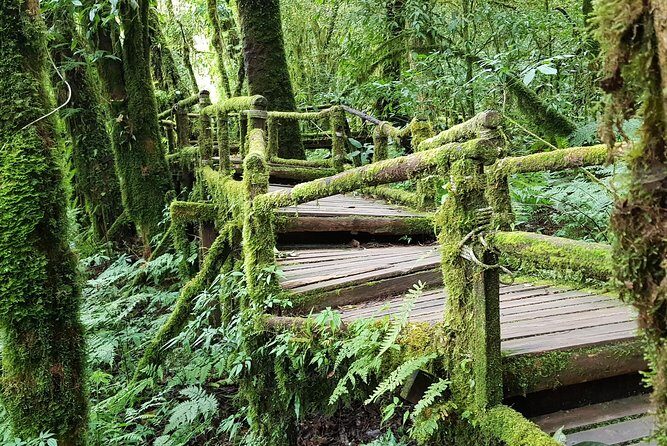
After the market and scenic drive, the schedule includes a long 3-hour wildlife viewing window. This is where the core of the day usually comes together: you leave the main roads, arrive near the Karen village (Dok Ko Ki), and then shift into jungle time.
The sanctuary area is set up so you do not expect elephants immediately the way you might at a roadside show. Their home is in the jungle. That approach is important, because it changes your mindset. You’re not counting on constant spectacle. You’re waiting, watching, and letting the day unfold.
Karen village life before you meet the elephants
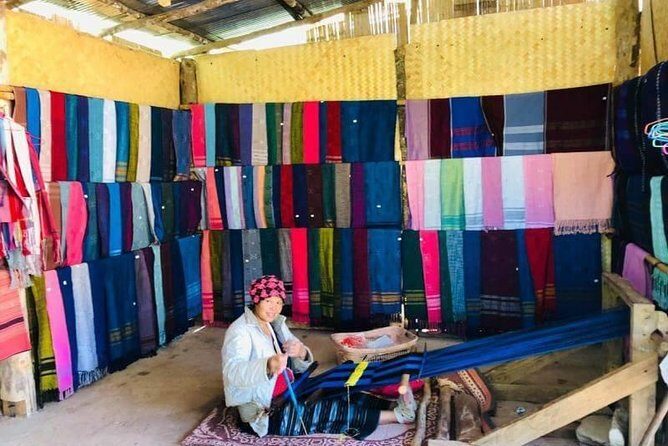
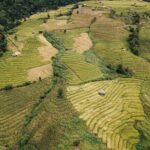
Once you arrive at Dok Ko Ki, you’ll walk through rice fields toward your meeting place. During this part of the day, you’ll see village life and get time to take videos and pictures.
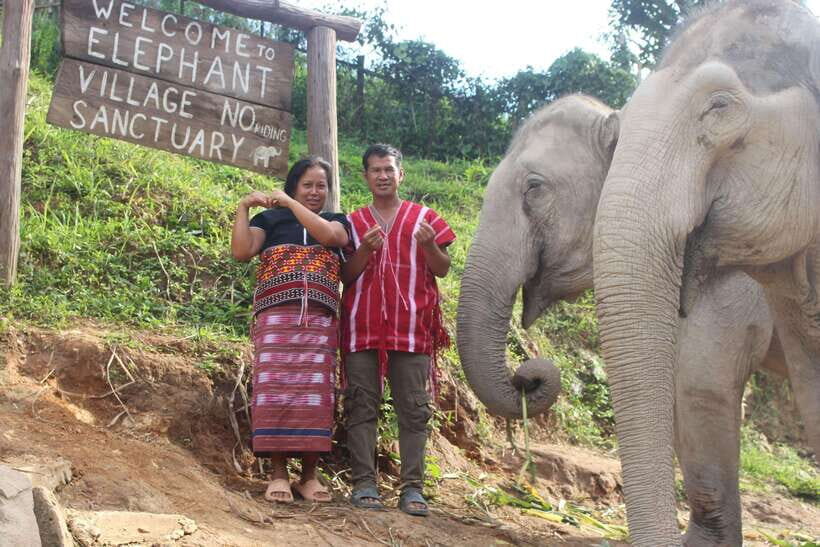
Then comes a key moment: a short, humorous briefing by the owner, Ken Palasu. This isn’t only speechmaking. The briefing includes elephant facts you may not have heard before, plus a bit about the family, the village, and how the elephants are cared for.
After that, you change into traditional Karen outfits. These outfits are meant to keep your clothes clean during the activity—practical for anyone worried about muddy walking or jungle humidity.
Meeting the elephants: close contact, careful supervision
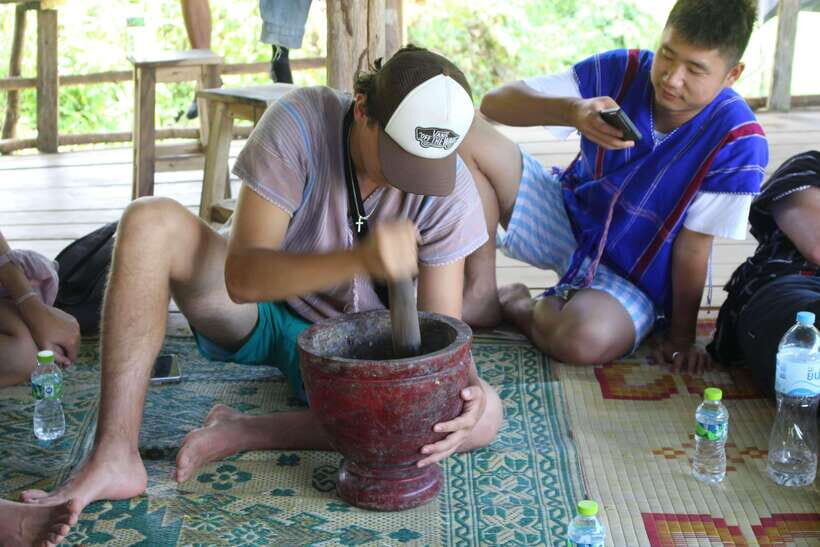
Then you meet the elephants.
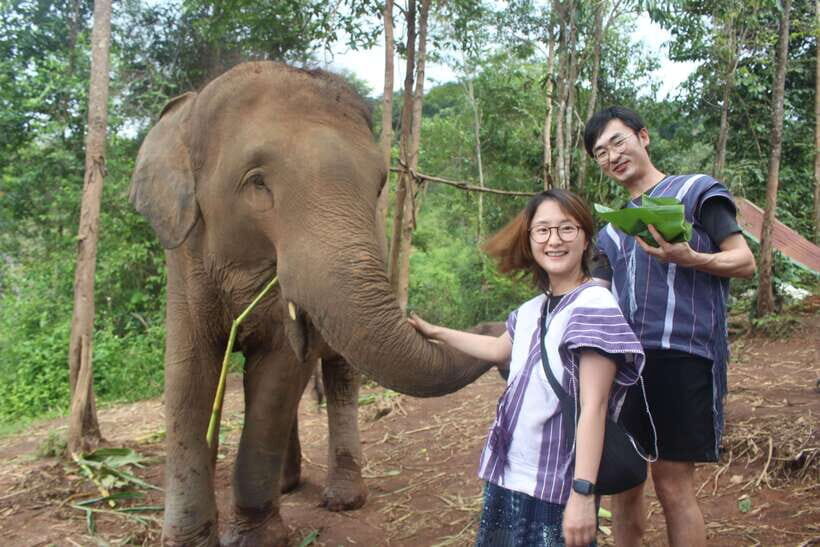
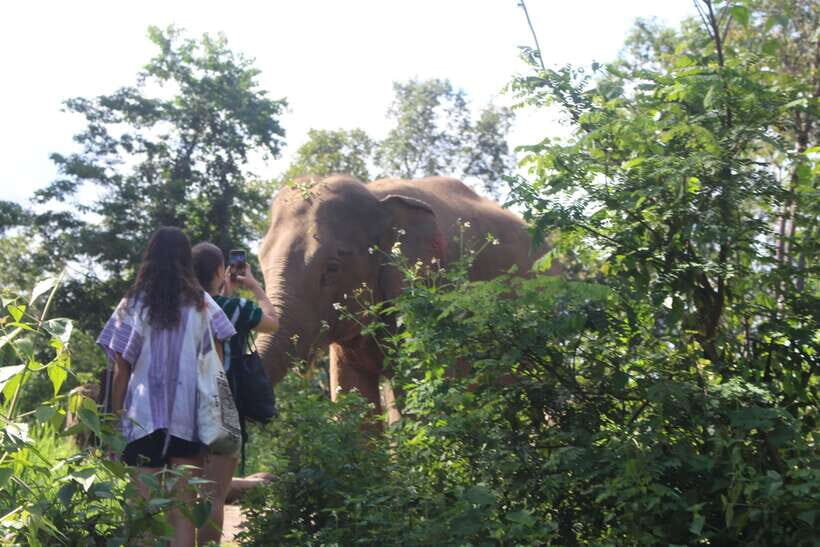
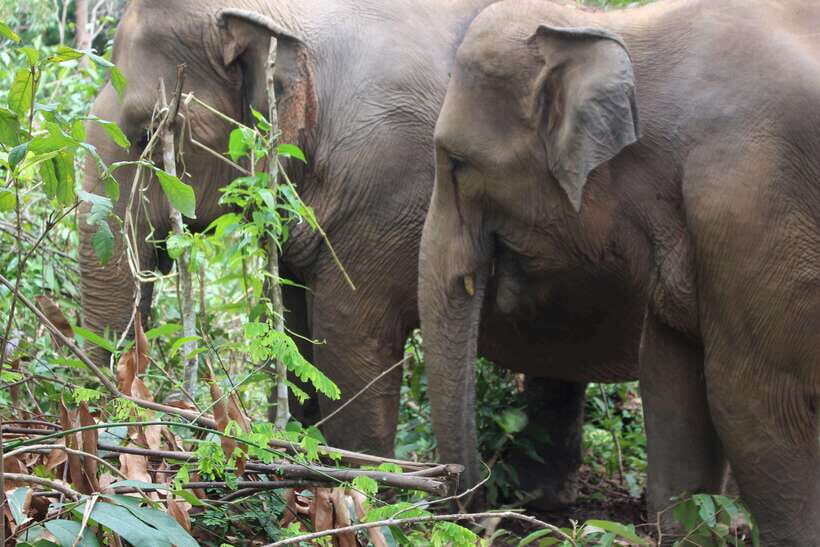
You’ll watch them feasting on lush foliage and occasionally showing playful behavior. The day is designed so you can get up close and feel their gentle nature, but always with mahouts supervising and small groups keeping interactions manageable.
This is one of the most praised parts for a reason: it’s direct contact without the usual circus-style pressure. You’re not being rushed onto a routine. You’re learning elephant behavior by being present around them.
Rules that shape your experience (and protect the animals)
This is also where the tour rules matter most. No elephant riding is allowed, and there are clear boundaries around how you behave. The activity prohibits intoxication and alcohol/drugs, and it also bans making noise. Flash photography is specifically not allowed.
If you love photos, that can be a letdown. But it’s also a sign the sanctuary is trying to avoid overstimulation.
What “gentle” looks like in real time
You’ll likely notice elephants can be curious and relaxed, and they may come and go based on what they want to do in the moment. In this kind of setup, the goal is low-stress contact, not forced performance.
One more practical detail: the tour includes additional elephant food, so you’ll see how feeding fits into the day—again, under supervision.
Waterfall cooling down and elephants in the river
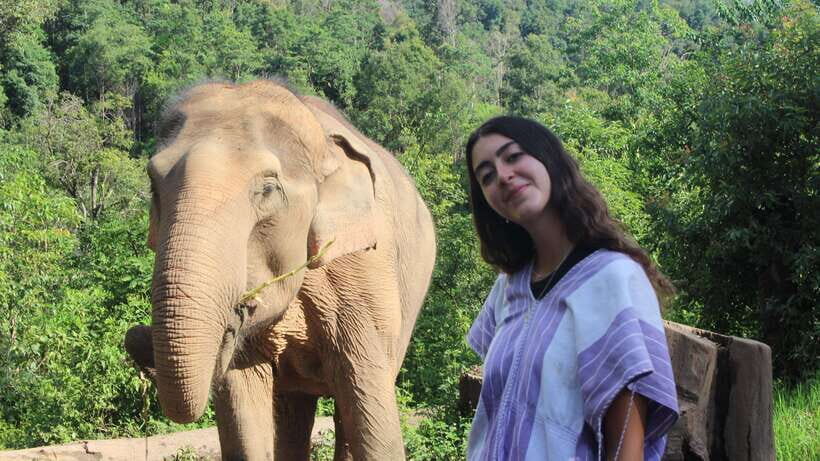
Next on the day is a short trek to a waterfall, where you can cool off and swim in the pool. This is a welcome break, especially if the jungle and rice-field walking leaves you warm and dusty.
Then you head back toward elephant time again. The elephants are nearby, and you get another chance to observe them as they frolic in the river. You may even help them clean themselves when they voluntarily come to the water.
Why this part is more than a break
The waterfall and river segment does two useful things for your understanding. First, it shows how elephants behave naturally when water is around. Second, it shifts you from watching from a distance to participating in a calmer routine—cleaning that fits elephant needs rather than a staged activity.
Lunch with Ken’s family: where the day feels personal
After the elephant-and-water parts, you’ll get a lunch prepared by Ken’s family. It’s included, and there’s also time for sharing stories and laughing with your fellow adventurers.
In tours like this, lunch can either feel like a filler meal or a meaningful pause. Here, it’s connected to the family hosting the sanctuary and village visit. That connection is what makes it more than just food.
A practical tip for lunch day
You’ll be active for hours, so eat like you mean it. Drink the bottled water included, and if you’re sensitive to spicy food, pay attention to what’s being served.
The small free-time window: use it wisely
Your itinerary includes a short 30-minute free time block. That’s not a big chunk of time, so plan to use it for what you actually need—rest, photos, or getting yourself back together before the final scenic drive home.
Because shower facilities are included, it’s worth considering whether you’ll want to rinse off before you head back to your hotel. The tour doesn’t spell out exactly when showers happen, but it’s a smart inclusion for a jungle day.
Scenic drive back to Chiang Mai
After lunch and the jungle portion, the schedule includes another scenic drive segment—about 50 minutes—before you return to Chiang Mai.
This final drive matters because it closes the loop. You’ll be able to process what you saw: elephants in their jungle setting, a real village walk in Dok Ko Ki, and that shift in environment from city to mountains and rice fields.
And then you’re back in town for your evening plans.
Who this tour is best for
I think this is a strong fit for travelers who:
- Want a real village stop rather than only a wildlife show
- Prefer no-riding elephant experiences and rules that reduce chaos
- Like hands-on moments—outfit changing, walking rice fields, and time at the waterfall
- Enjoy guides who actually talk and explain things, not just escort you around
It’s less ideal for travelers who:
- Expect a fast, constant stream of elephants on demand
- Need lots of free time to wander on their own
- Want flash photography or a party atmosphere (both are not allowed)
Things to bring and rules you must follow
What to bring:
- Personal medication
Not allowed:
- Intoxication
- Flash photography
- Alcohol and drugs
- Unaccompanied minors
- Making noise
- Making fire
- Nudity
Also not allowed: riding the animals.
One small planning note
Even if you pack light, plan for a day outdoors: you’ll walk in rice fields and do a jungle trek to a waterfall. You’ll also be in clothes where cleanliness matters, which is why the traditional Karen outfit is provided.
Safety and comfort: what the tour includes
This activity includes insurance, bottled water, pickup/drop-off, and a guide/owner in English. It also includes shower facilities, which is a big comfort win after river and waterfall time.
The structure of the day—small groups, supervision by mahouts, and a focus on elephants’ well-being—also reduces the usual stress of animal interactions. Your biggest challenge will be personal: keep calm, follow instructions, and don’t treat this like a performance for your camera roll.
About that mixed rating: how to book smart
The overall rating is not perfect. There’s at least one very low score complaining about descriptions not being truthful enough. That doesn’t mean the whole day is bad, but it is a flag.
So do this: before you go, make sure you understand exactly what you’re signing up for. Confirm that the experience matches what you want—especially around elephant access level, photography limits, and the no-riding rule. If you’re unsure, email the operator (the address is provided) once you’re in Thailand and ask what the day looks like in practice.
If you want a calm, careful sanctuary-style visit, this tour can be a good match.
Should you book Chiang Mai Elephant Village Sanctuary Jungle Adventure?
Book it if you want a structured day that connects elephants with Karen village life—rice fields, jungle walking, waterfall cooling time, and lunch with the family that runs it. The included items (pickup, lunch, elephant upkeep fee, insurance, showers) also help you feel like you’re not paying extra for essentials.
Skip or ask extra questions if you:
- Expect elephants constantly on view
- Want to ride elephants (this is not allowed)
- Need flash photography or plan to drink alcohol (both are not allowed)
- Have very specific expectations about what close access looks like in a sanctuary setting
If your idea of a good animal experience is calm, supervised, and respectful, this is the kind of Chiang Mai day that can stick with you long after you’re back home.
FAQ
How long is the Chiang Mai Elephant Village Sanctuary Jungle Adventure?
The tour duration is 6 hours.
What time is pickup, and where do I wait?
Pickup is at 7:30 am at your hotel reception. Wait in the hotel lobby near the reception area so the driver can find you.
How much does it cost?
The price is $48 per person.
What’s included in the tour price?
It includes pickup and drop-off at your hotel, transportation to and from the village, an English-speaking guide/owner (Ken Palasu), insurance, bottled water, a local lunch, traditional Karen outfit, additional elephant food, shower facilities, and the tour fee goes toward elephant upkeep after expenses.
Can I ride the elephants?
No. Riding the animals is not allowed.
Are flash photos allowed?
No. Flash photography is not allowed.
What should I bring?
Bring personal medication.
Are children allowed if they are not with a parent or guardian?
No. Unaccompanied minors are not allowed.