REVIEW · CHIANG MAI
Chiang Mai: Tuk-Tuk Evening Tour with Temples & Street Foods
Book on GetYourGuide →Operated by TripGuru Thailand · Bookable on GetYourGuide
If you like night markets, this tour makes it easy. You’re out after dark in a tuk-tuk, then you mix temple beauty with real street-food energy.
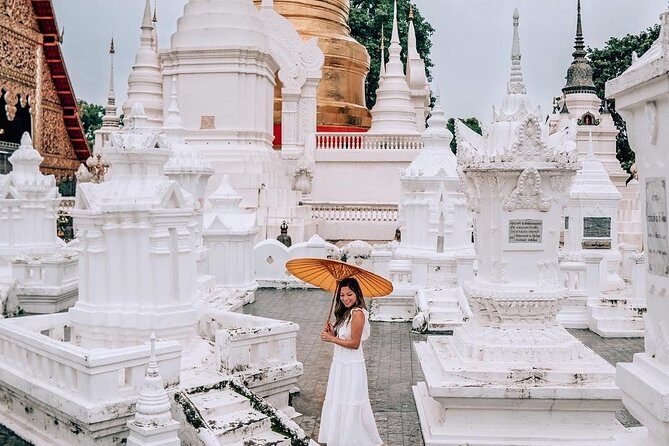
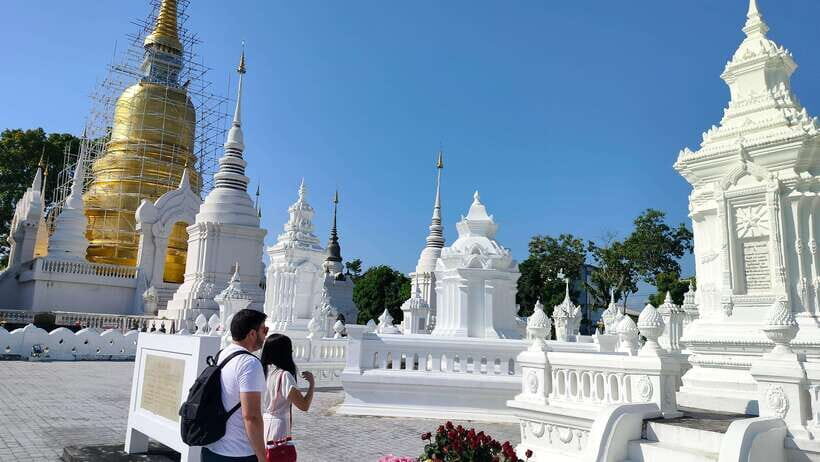
I especially like the pairing of Wat Suan Dok (white chedis and a huge golden pagoda) with the older, calmer Wat Lok Moli. It keeps the evening from turning into only eating and no learning.
One consideration: some temple entrances have strict dress rules (no bare shoulders, knees, and so on). Pack a scarf or cover-up and bring cash for food you’ll buy on your own.
In This Review
- Key Things That Make This Tour Worth Your Time
- Night Tuk-Tuk Value: Four Hours, Temples, and Night Markets
- Getting Around After Dark: Pickup, Timing, and What to Expect
- Wat Suan Dok: White Chedis and a Golden Pagoda You Can’t Miss
- Wat Lok Moli: Teakwood Pavilion, Lanna Style, and Royal Ashes
- The Old City Drive: History Between Stops
- Chang Phuak Gate Night Market: Where the Evening Turns Into Food
- Warorot and Ton Lam Yai: More Stalls, Different Flavors
- Street Food Strategy That Actually Works With This Schedule
- GSTC-Certified and Low-Impact: Carbon Offsets and Water
- Guide Quality Is the Real Secret Sauce Here
- Who Should Book (and Who Might Skip This Night Plan)
- Should You Book This Chiang Mai Tuk-Tuk Evening Tour?
- FAQ
- Is street food included in the tour price?
- What temples does the tour include?
- How long is the tuk-tuk evening tour?
- What’s the group size?
- Do I need cash for the markets?
- Where does hotel pickup happen?
- What if my hotel is outside the pickup area?
- What should I wear to visit the temples?
- Is the tour low-impact or responsible?
- Who shouldn’t take this tour?
Key Things That Make This Tour Worth Your Time
- A night tuk-tuk ride that gives you a fast feel for Chiang Mai’s Old City walls and moat after dark
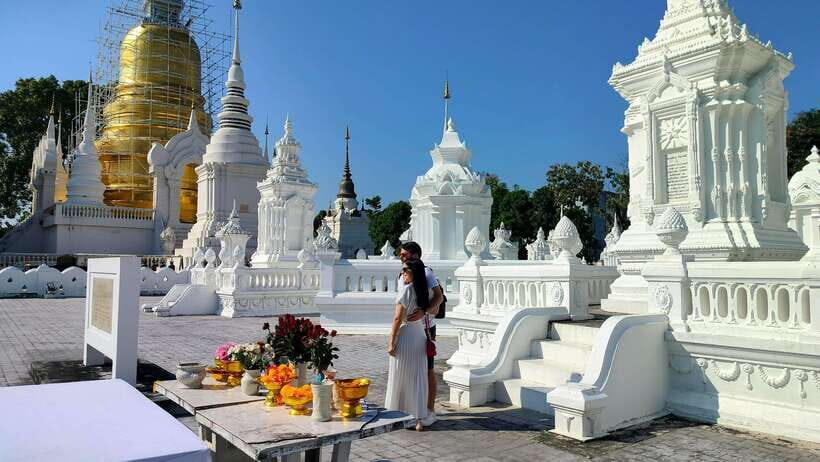
- Wat Suan Dok’s white chedis plus a Sri Lankan-style golden pagoda said to rise 48 meters
- Wat Lok Moli’s massive restored chedi with a Buddha image and ashes connected to the Mengrai dynasty
- Three market stops timed for strolling and sampling, starting at Chang Phuak Gate
- Guide-led food hunting, so you’re not stuck staring at stalls like a confused tourist
- GSTC-certified, low-impact touring with water and carbon emissions offset credits included
Night Tuk-Tuk Value: Four Hours, Temples, and Night Markets
This is a practical evening plan for Chiang Mai. You get transport, a guide, and temple entry fees wrapped into one 4-hour block, so you’re not spending your night bargaining over rides or hunting ticket counters in the dark.
The big win is the mix: temples first, markets second. In Chiang Mai, night walking can turn into chaos fast. Here, you start with structured stops, then you end where the fun really happens—open-air food stalls and casual street life.
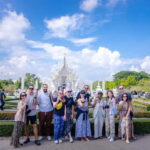
You also don’t lose time on big-group logistics. The tour is small, capped at 4 participants, and you’ll have a private tuk-tuk for your group. That matters because it keeps the pace human and lets the guide steer you toward what to eat instead of making you guess.
Price-wise at $64 per person, it’s not a “cheap” add-on, but it’s fair for what’s included: hotel pickup and drop-off (from select areas), a live guide, private tuk-tuk, entry fees for two temples, water, and carbon emissions offset credits. Since street food isn’t included, you’re still budgeting a bit for dinner—but you’re paying for the experience planning too, not just rides and tickets.
You can also read our reviews of more evening experiences in Chiang Mai
Getting Around After Dark: Pickup, Timing, and What to Expect
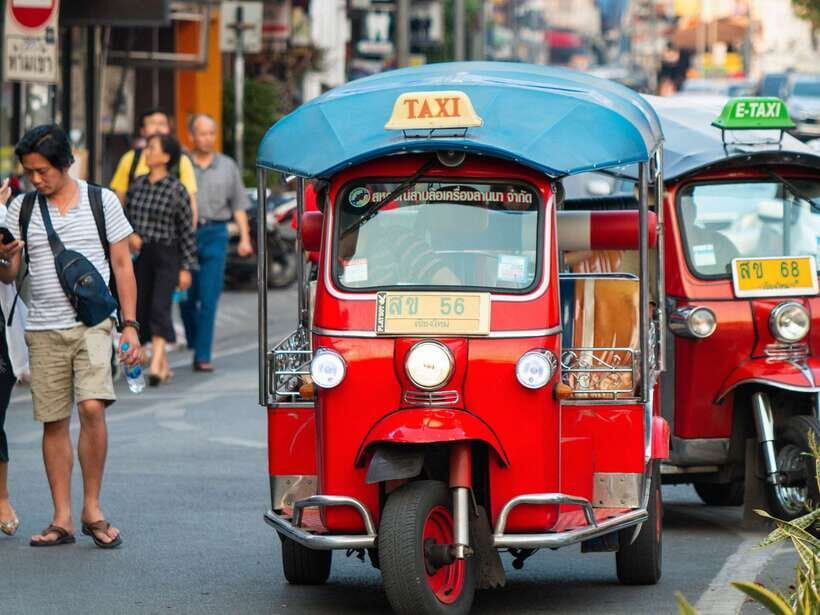
Your evening starts with pickup from select Chiang Mai areas—mostly within 2 km of Thapae Gate and surrounding Old City wall zones—so you’re not doing a long trek across town before anything fun begins. If you’re outside the free pickup area, the meet point is Tha Phae Gate in front of McDonald’s.
Once you’re in the tuk-tuk, expect around 45 minutes of driving. This isn’t a long countryside scenic loop. It’s city viewing—historic walls, the moat, and getting your bearings fast, before you start visiting temples and walking through markets.
Bring comfortable shoes because your day will not be “just riding.” You’ll be walking around temple grounds and then strolling market lanes with cooking going on around you. Add insect repellent, especially since you’ll be outside during evening hours.
Wat Suan Dok: White Chedis and a Golden Pagoda You Can’t Miss
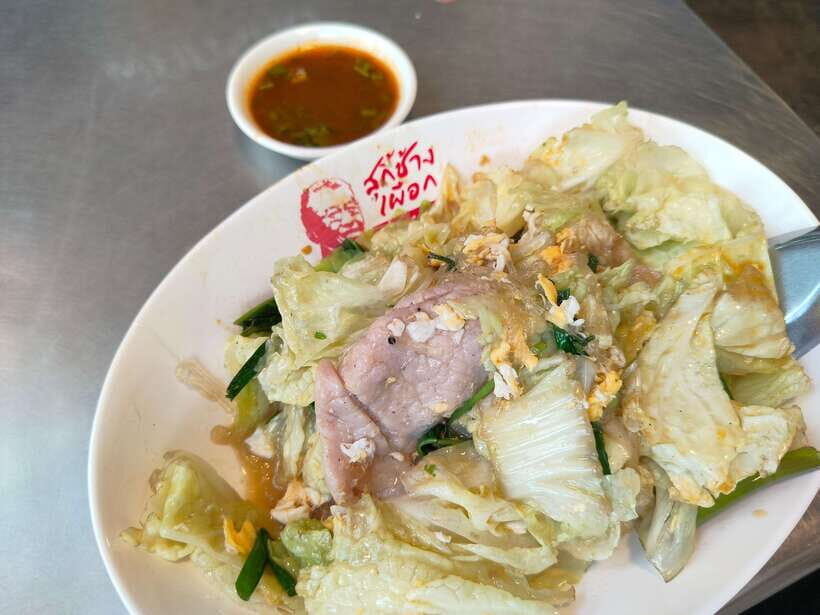
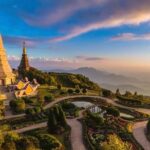
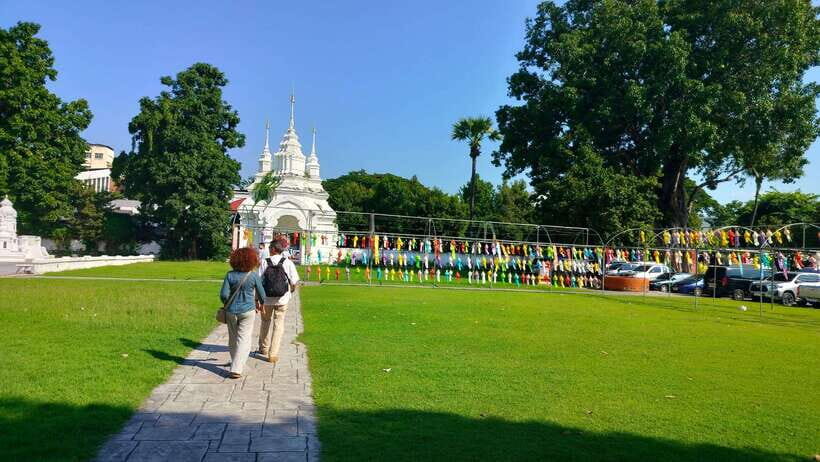
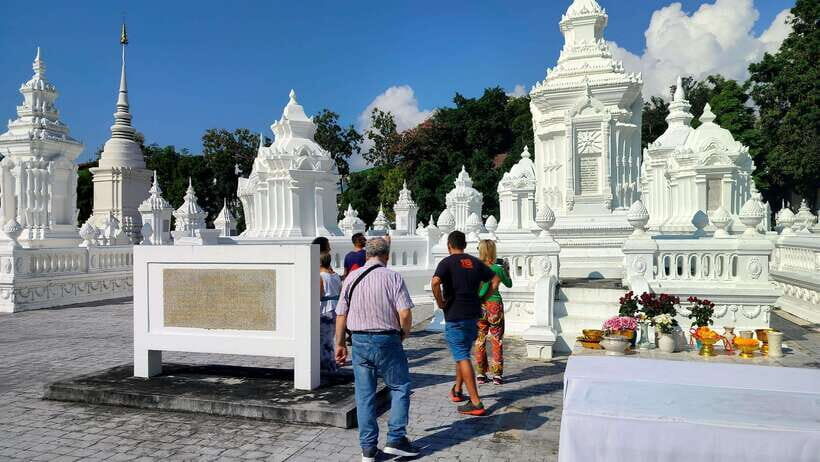
Wat Suan Dok is the kind of temple stop that makes the whole trip feel worth it. It’s known for the dramatic visual punch of numerous white chedis and a striking golden pagoda.
Before you even get into the details, there’s meaning in the name: Wat Suan Dok translates as flower garden temple, tied to the area’s earlier use as a royal flower garden. That’s the sort of context your guide can connect to what you’re seeing, and it makes the buildings feel less random and more intentional.
What you’ll notice here:
- A set of sacred, white chedis that visually anchor the temple complex
- A 48-meter golden pagoda, built in the Sri Lankan style
- A sacred Buddha relic described as the shoulder bone of Buddha himself
You’ve only got about 30 minutes here, so you won’t be doing a slow, hour-long museum tour. Instead, you get a concentrated look at the most important sights, plus enough time to take photos without feeling rushed by constant moving. If you’re the type who likes to read every sign, you may want to focus on the main structures and ask your guide what’s most important to look for.
Dress code matters. Some sites won’t allow revealing shoulders, underarms, back, or knees. A scarf is listed as a bring-along item for a reason—use it for temple entrances.
Wat Lok Moli: Teakwood Pavilion, Lanna Style, and Royal Ashes
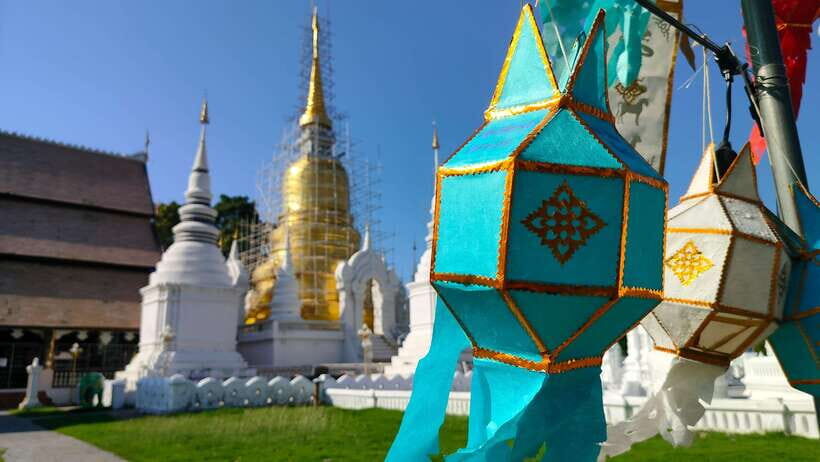
Wat Lok Moli is the older, older-feeling counterpart. This temple dates to the 14th century, and it doesn’t try to compete with volume or flash. It feels more like a place where you slow down naturally.
You’ll spend around 20 minutes here, but it’s packed with identity. The headline is the massive restored chedi featuring a Buddha image. The details go further: the chedi also contains ashes of kings from the Mengrai dynasty. That kind of information changes how you look at a structure. It’s not just pretty architecture—it’s part of dynastic memory.
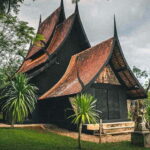
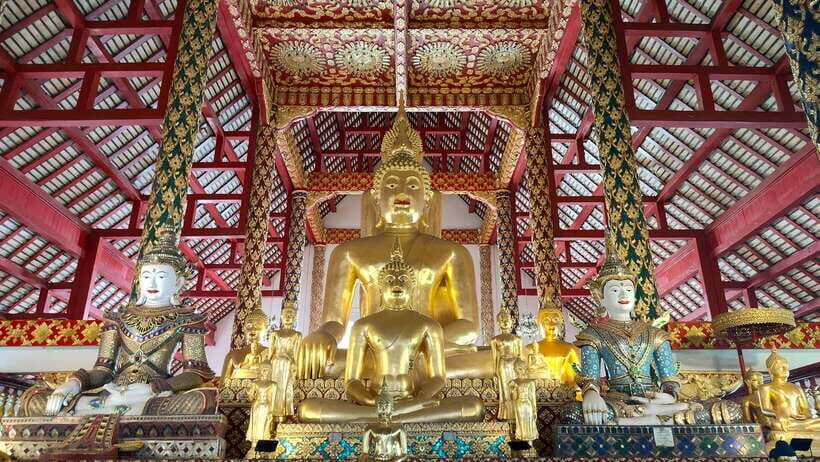
There’s also a teak wood pavilion and a Lanna-style Buddhist monastery area. Lanna style is what ties Chiang Mai’s temple look to its local identity, and this stop gives you a sense of that aesthetic without turning into a lecture.
Since this is a short stop, your best move is simple: let the guide point you to what to photograph and what to listen for. If you try to independently inspect everything, you’ll end up feeling like you’re speeding through. With a small group, the guide can usually adjust the pace to your questions.
The Old City Drive: History Between Stops
Between temples, the tuk-tuk ride is part transportation and part story. You’ll be driving through the historic heart of Chiang Mai, including the walls and moat of the Old City.
Your guide shares how Chiang Mai was once the capital of the Lanna Kingdom, later falling under Burmese control, then regaining independence with help connected to the King of Thonburi. You don’t have to memorize dates to benefit here. The point is atmosphere: you’re seeing the city’s layout while someone connects it to why it looks the way it does.
This is one of those “small things that make a night trip better” moments. Instead of treating the drive as wasted time, it helps you understand what you’re moving past.



Chang Phuak Gate Night Market: Where the Evening Turns Into Food
After temple time, the tour shifts gears toward walking and eating energy. Your first market stop is Chang Phuak Gate, with about 30 minutes on the ground.
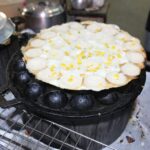
Chang Phuak Gate Night Market is open-air, and you’ll see hawkers cooking up food right in front of you. The smell hit can be quick and intense, but you’re there with a plan: the guide helps you locate favorite local dishes, so you’re not spending your limited time reading menus you can’t fully translate.
This is also a good point to manage expectations: street food is not included, and additional drinks aren’t included either. Plan on paying for what you order. That said, having a guide makes the difference between random snacking and actually eating local specialties you didn’t know to look for.
Warorot and Ton Lam Yai: More Stalls, Different Flavors
From Chang Phuak Gate, you’ll also pass by and spend time at other market areas, including Warorot Market and Ton Lam Yai Flower Market.
These are timed for strolling rather than deep shopping. That’s smart. Night markets in Chiang Mai are fun, but they’re also easy to overspend time and money in if you let the night run your schedule.
Ton Lam Yai adds an extra angle because it’s associated with flowers, so the vibe can feel different from a pure food lane. Warorot brings the heavier night-market feel back in.
Since this is still part of a 4-hour tour, keep your focus tight: pick 1–2 food items you want most, and leave space for later tastes. If you order too much early, you’ll feel full by the time you reach the other stalls.
Street Food Strategy That Actually Works With This Schedule
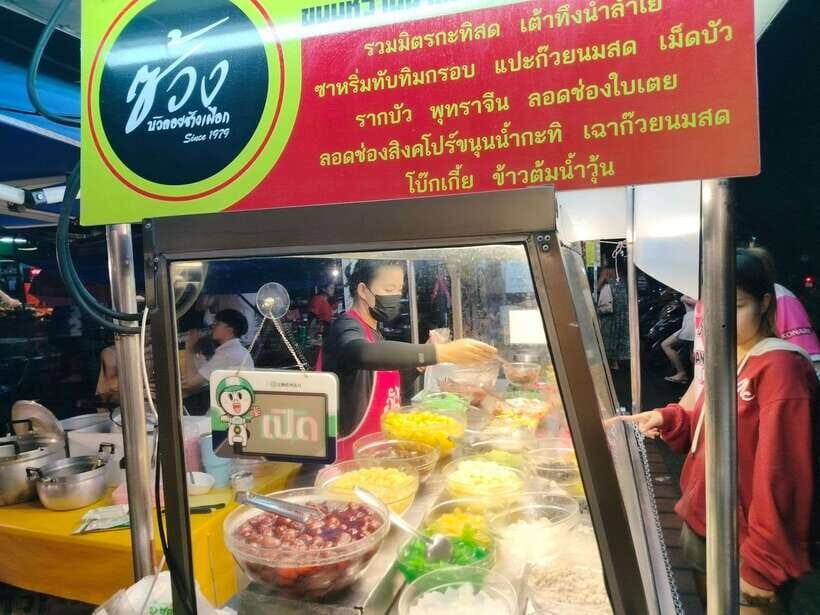
Here’s the simple approach I recommend for this kind of tour: arrive hungry, but don’t go wild until you’ve asked your guide what to try. The guide is there to point you toward what’s good and what’s worth your money.
Also bring cash. It’s explicitly listed, and night market purchases are easier when you’re not hunting for ATMs mid-stroll.
With the limited time, you’re better off choosing:
- One savory street snack you can grab fast
- One sweet or drinkable treat if the line and setup look good
- A second bite only if your first choice is a winner
The tour is also built so your driver and guide can help you find places to eat, and the best outcomes usually happen when you’re willing to say yes to suggestions. In the guide talent pool for this experience, names like Cookie, Gnana, Pim, Leo, and Lily show up in the information you might receive, and they’re repeatedly praised for clear explanations and steering people toward good food picks. One guide (Lily) has even been noted for cheerful Thai-song entertainment, which tells you the energy level tends to stay friendly.
GSTC-Certified and Low-Impact: Carbon Offsets and Water
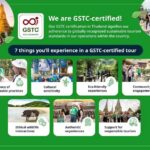
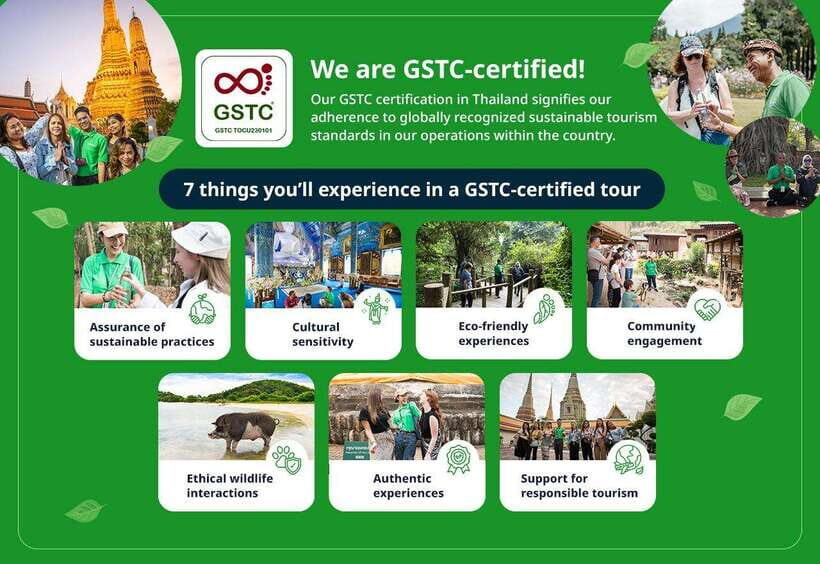
This is not a “do whatever, as much as possible” night tour. It’s presented as a responsible option, including GSTC-certified practices and carbon emissions offset credits.
You also get water provided, and the description specifically mentions water in glass bottles. That’s a small detail, but it matters for comfort and waste reduction during an evening where you’ll likely be out walking and driving.
Will offsets make Chiang Mai cleaner by themselves? No. But when you’re comparing tours, it’s a meaningful signal that the operator is thinking about impact rather than only stacking stops.
Guide Quality Is the Real Secret Sauce Here
Temples are temples. Markets are markets. The guide is the difference between a tour that feels like transportation and one that feels like direction.
Across the guide names tied to this experience—like Cookie, Pim, Leo, and Lily—the consistent theme in the provided details is clear, helpful explanation and making time for your pace. You’re not just shuffled from place to place. You’re meant to understand what you’re looking at and how to enjoy the food stops without second-guessing.
English and Thai are listed for live guiding, which is helpful if you’re comfortable asking questions. If you’re the type who likes short explanations rather than long lectures, you’ll likely appreciate this setup: temple facts during temple time, food guidance during market time, all tied to what you’re seeing right now.
Who Should Book (and Who Might Skip This Night Plan)
This tour suits you if you want a compact, guided evening that combines:
- Temple highlights with meaningful context
- Night market strolling without planning stress
- A tuk-tuk ride that adds fun right away
It also helps if you’re okay with moderate walking and short site visits. The tour description notes a moderate fitness level is recommended, and you’ll be switching between driving and walking.
It may not fit you if you have mobility impairments, are pregnant, have heart problems, or have respiratory issues. That’s not a moral judgment—it’s about how the experience is structured and the physical nature of temple grounds and walking at night.
Should You Book This Chiang Mai Tuk-Tuk Evening Tour?
I think this is a smart booking when you want maximum payoff in a single evening. The temples are real and specific—Wat Suan Dok with its white chedis and golden pagoda, plus Wat Lok Moli with its Mengrai-dynasty connection—and the night market stops give you a genuine slice of local life.
Book it if:
- You like temples but don’t want a half-day marathon
- You want market food help, not just a self-guided walk
- You appreciate a small group and private tuk-tuk ride
Skip it if:
- You want street food to be fully included
- You hate dress-code constraints (because you’ll need shoulders/knees covered for some entrances)
- You need accessibility accommodations beyond what’s described
If you’re curious, this tour is one of those “do it early in your trip” ideas. You’ll get orientation fast, learn how the city is laid out, and then you can use that momentum for the rest of your Chiang Mai evenings.
FAQ
Is street food included in the tour price?
Street food is not included. You’ll have time to buy and eat snacks at the night markets, and you should plan on paying out of pocket.
What temples does the tour include?
The tour includes visits to Wat Suan Dok and Wat Lok Moli, and both temple entrance fees are included.
How long is the tuk-tuk evening tour?
The tour lasts 4 hours total.
What’s the group size?
It’s a small group limited to 4 participants.
Do I need cash for the markets?
Yes. Cash is listed as something to bring, and street food and additional drinks are not included.
Where does hotel pickup happen?
Pickup is offered from select Chiang Mai areas, including major areas within a 2 km radius of Thapae Gate and surrounding Old City wall zones. Pickup is only from hotels or registered accommodations.
What if my hotel is outside the pickup area?
If your hotel is outside the free pickup area, the meeting point is Tha Phae Gate in Chiang Mai Old City in front of McDonald’s. The guide holds a TripGuru sign.
What should I wear to visit the temples?
Some sites have strict dress codes. Clothes should not reveal shoulders, underarms, back, or knees. A scarf and long pants are recommended.
Is the tour low-impact or responsible?
Yes. It’s described as GSTC-certified, includes water, and offers carbon emissions offset credits for each tour.
Who shouldn’t take this tour?
The tour is not suitable for pregnant women, people with mobility impairments, people with heart problems, or people with respiratory issues. A moderate fitness level is recommended.