REVIEW · CHIANG MAI
Chiang Mai: Doi Suthep, Wat Umong, and Pha Lat Sunrise Tour
Book on GetYourGuide →Operated by TripGuru Thailand · Bookable on GetYourGuide
Sunrise climbs beat the Chiang Mai crowds. On this half-day route, I love the early-morning hush at Wat Phrat That Doi Suthep and the mood shift to quiet nature at Wat Pha Lat. One catch: you’re going up 309 steps, so plan for cold hands, warm sun, and temple-appropriate clothing.
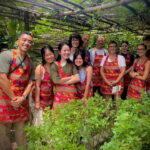
What makes this tour feel worth the money is how smoothly it’s run and how much your guide can explain. Guides like Happy, Peter, and James Bond are mentioned for their first-hand monastic perspective and calm, story-rich teaching, and you’ll ride in an A/C van with pickup. I also like the GSTC-certified responsible travel approach, with bottled water in glass and carbon-offset credits included, so you’re not just sightseeing.
In This Review
- Key highlights worth waking up for
- Sunrise over Chiang Mai: why this tour works as a morning reset
- Doi Suthep steps and the big view: what to expect at Wat Phra That
- Kruba Srivichai Monument: a golden pause with monastic context
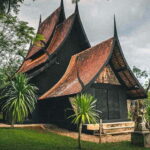
- Wat Pha Lat in the jungle: why the hidden-temple vibe matters
- Wat Umong’s tunnels and 1297 roots: the underground temple moment
- Price and value: what $32 gets you (and why it’s not just cheap)
- Pickup, meeting point, and the small-group feel that changes everything
- Responsible travel that doesn’t feel like a lecture
- What to wear and bring: the small details that prevent stress
- Who this tour suits best (and who should reconsider)
- Should you book the Chiang Mai Doi Suthep, Wat Umong, and Pha Lat Sunrise Tour?
- FAQ
- How long is the tour?
- How much does it cost?
- What’s included in the price?
- Where do I meet the guide if I choose the meeting point option?
- Is pickup available from inside Chiang Mai’s Old City area?
- What language is the tour guide?
- What should I wear and bring?
Key highlights worth waking up for
- Wat Phrat That Doi Suthep at sunrise with a clear view over Chiang Mai and morning temple atmosphere
- 309-step climb that pays off fast once the view opens up
- Kruba Srivichai Monument plus context about monastic life before you head deeper into the hills
- Wat Pha Lat (Hidden Temple) in the jungle, a quieter stop with serene statues and shrines
- Wat Umong’s tunnels and 1297-era temple features, for a totally different style of temple visit
- Low-impact touches: glass bottled water and carbon emissions offset credits, wrapped in a GSTC-certified format
Sunrise over Chiang Mai: why this tour works as a morning reset
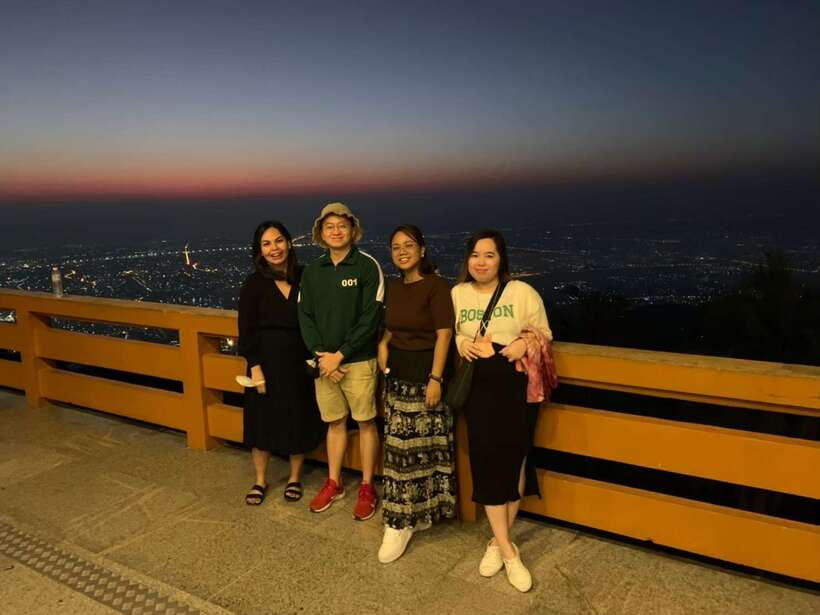
Chiang Mai can get loud fast. This tour flips the timing so you see the important places before the city’s full day mode kicks in. You’ll start early enough that Doi Suthep feels almost like it’s for you—less about traffic and crowds, more about stillness and light.
And the itinerary is built like a mood ladder. You begin with a classic high-temple sunrise moment, then you move into monuments and history, and finally you end somewhere that feels tucked away in trees. That change of scenery is one reason the tour sticks in your memory.
If you want a sunrise that’s actually enjoyable (not just a rushed checkmark), this is the right format.
You can also read our reviews of more tours and experiences in Chiang Mai
Doi Suthep steps and the big view: what to expect at Wat Phra That
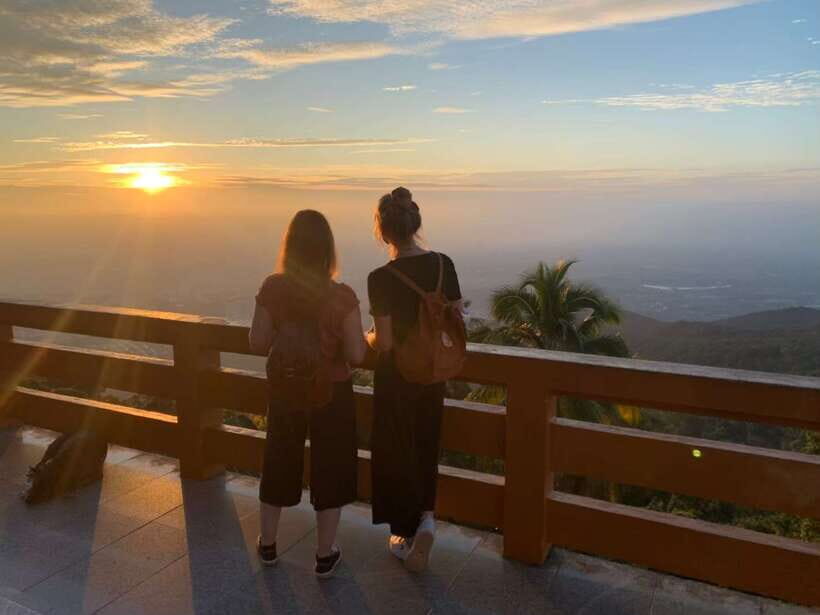
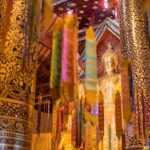
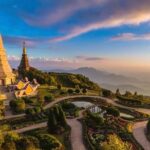
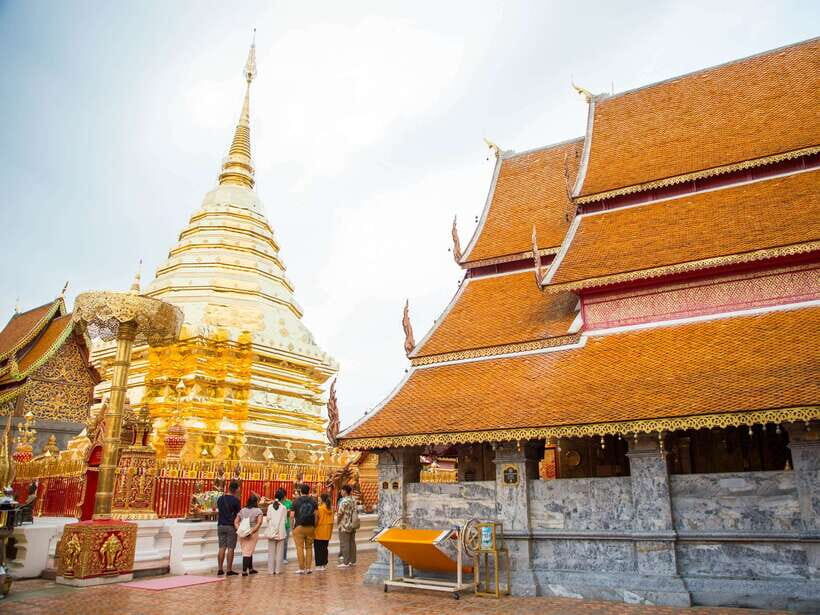
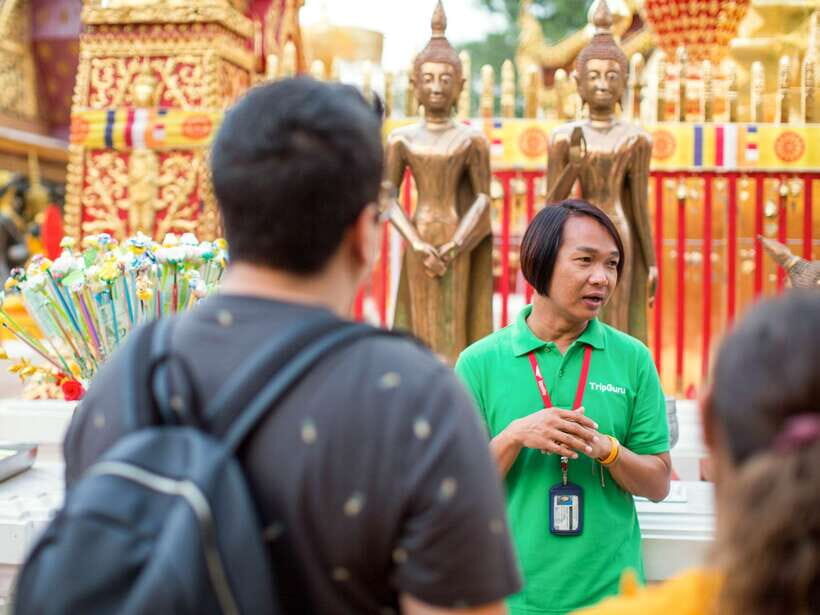
Wat Phrat That Doi Suthep is the headline stop for a reason. You’ll climb the famous staircase—309 steps—with your guide, and the reward is the temple setting plus the view stretching over Chiang Mai.
Sunrise changes the whole experience. In early light, the golden tones look different, shadows soften, and the city looks calmer from above. Guides also tend to time your viewing so you’re in the right spots when the light hits and the sky starts to shift.
Practical side: plan for the physical part. Even if you’re fit, the stairs are still stairs at dawn. Wear shoes you trust, not sandals. If you’re bringing a camera, think ahead: you’ll want both hands free for stairs, and then you’ll want steady framing once you reach the viewing areas.
Also note the temple rules. You’ll be in sacred spaces where certain clothing isn’t allowed. More on that later, but it matters here because you’re moving from vehicle to stairs to prayer areas without much time to change.
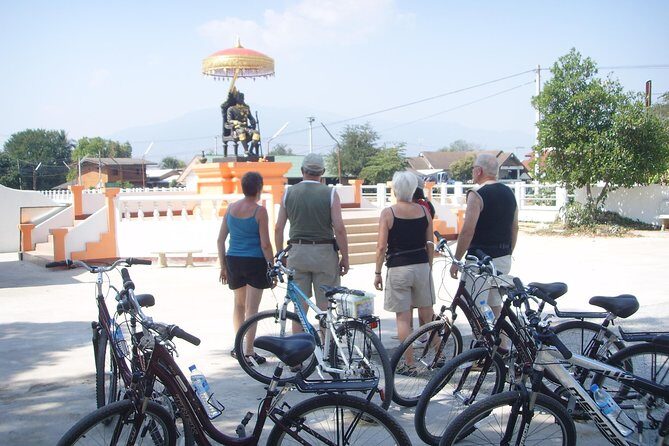
Kruba Srivichai Monument: a golden pause with monastic context
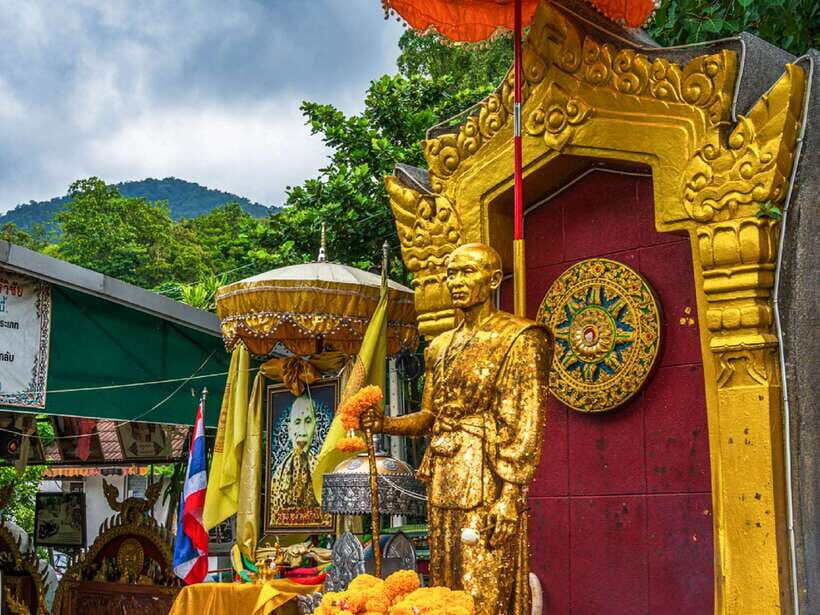
After Doi Suthep, the tour slows down. You’ll stop at the Kruba Srivichai Monument, built around a golden presence that’s hard to miss once you’re close. This isn’t just a photo stop; the guide’s role here is to connect what you’re seeing to the lives of Thai monks and the cultural meaning behind the site.
This segment is useful if you like understanding what you’re looking at. Instead of piling more temples back-to-back, you get a point of reflection and a bit more grounding. It helps the rest of the morning make sense, especially once you head toward places that feel more secluded.
It’s also a good moment to catch your breath. The tour is active, but it isn’t all sprinting. This stop gives you a little breathing room before you shift into jungle quiet.
Wat Pha Lat in the jungle: why the hidden-temple vibe matters
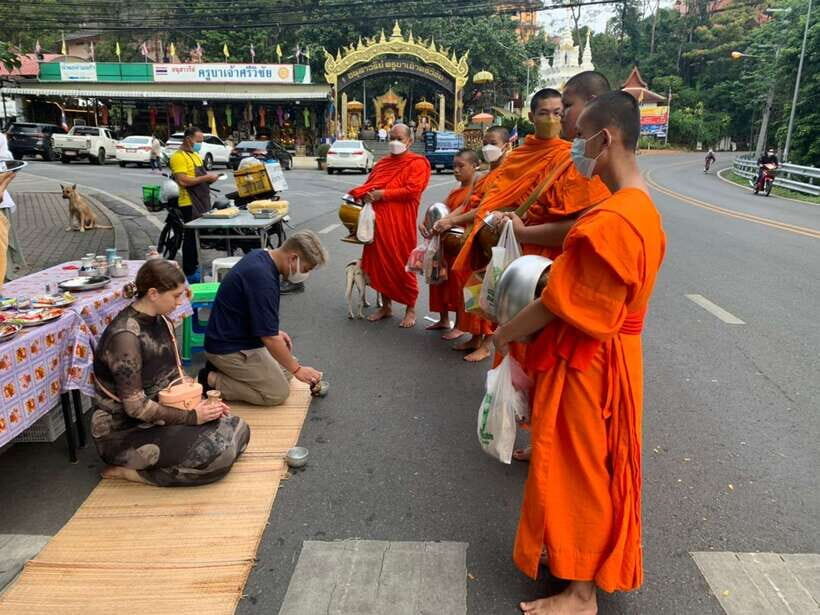
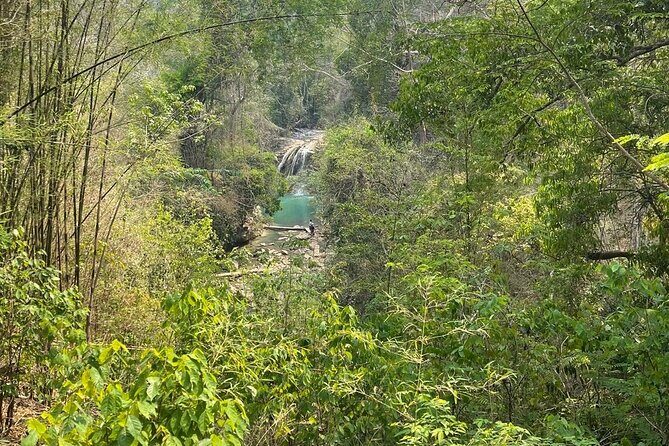
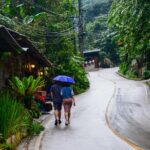
Then the route takes a noticeable turn. You’ll make your way through lush areas to Wat Pha Lat, described as a hidden temple. Here, the feel changes from high-mountain temple tourism to something calmer and more nature-focused.
This is where the tour earns extra points for variety. You’re not just repeating the same temple style over and over. Instead, you see serene statues, shrines, and surroundings that feel like part of the experience, not scenery you pass through.
A word of real-world caution: sometimes things change. One traveler had Wat Pha Lat closed and the guide adjusted the plan in advance. That’s not something you can control, so go in with flexible expectations and rely on your guide to handle the situation smoothly.
If you’re the kind of person who likes atmosphere—quiet corners, slower moments, and photos that don’t look like every other temple album—this is the stop you’ll probably remember most.
Wat Umong’s tunnels and 1297 roots: the underground temple moment
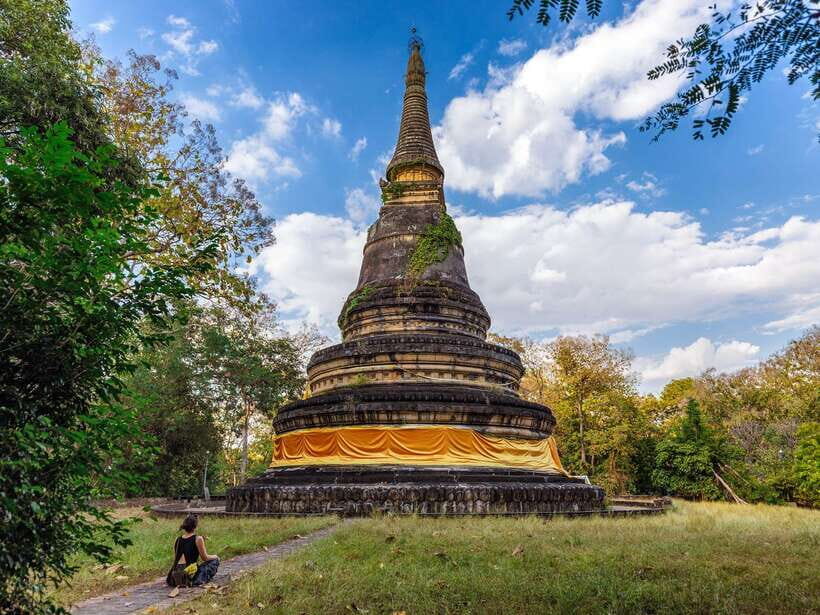
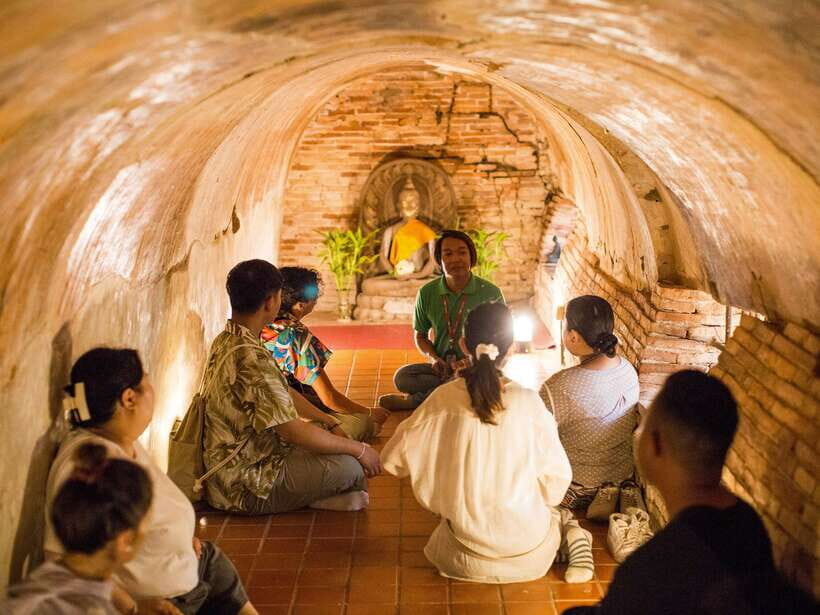
To finish, you’ll go to Wat Umong, a temple that dates back to 1297. It’s known not just for its architecture, but for the forest setting and the underground tunnels that make it feel unlike the other major temple experiences in Chiang Mai.
This is a great last stop because it adds “texture.” Doi Suthep is a stair-and-view moment. Wat Pha Lat is jungle calm. Wat Umong gives you something physical and spatial: tunnels, forest paths, and temple features that you explore more than you simply look at from one angle.
There’s also an architecture payoff. You’ll have time to observe the temple elements, including the chedi. If you’re tired of only chasing the tallest pagodas, this feels refreshing.
And since it’s near the end of the morning, it works well even if you’re a little temple-fatigued. It keeps your brain engaged because you’re moving through a different kind of space.



Price and value: what $32 gets you (and why it’s not just cheap)
At $32 per person, the tour pricing is low for what you get in a half-day format. You’re paying for more than entry fees and a guide—you’re also buying time savings and convenience.
Here’s the value breakdown:
- Hotel pickup and drop-off reduces hassle, especially early in the day
- Air-conditioned transportation matters when you’re going out before the sun is fully up
- Entry fees are included, so you’re not doing last-minute calculations at temples
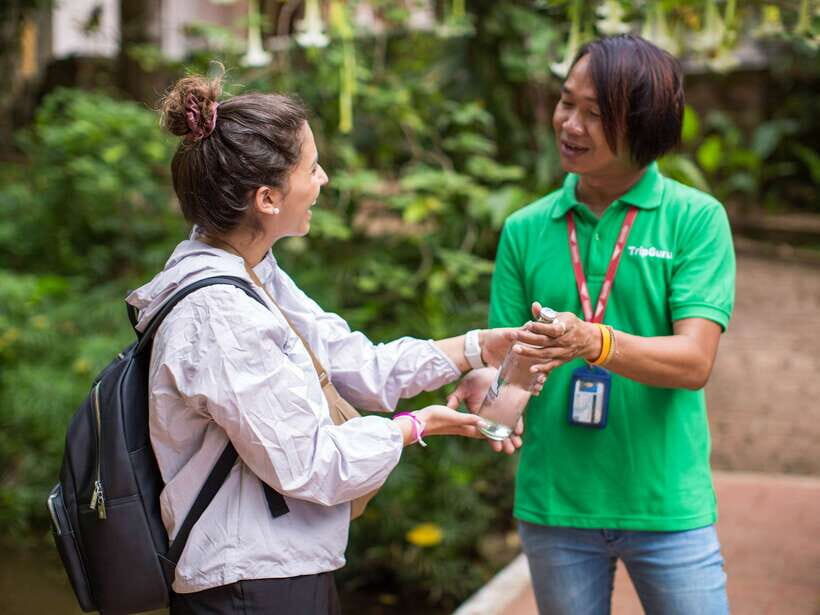
- A glass bottle of drinking water is provided, which is a small comfort when you’ve been climbing and walking
- Carbon emissions offset credits are included, aligning with a responsible-tour model you can feel good about
If you’ve done temple days before, you already know the hidden costs: transport time, tickets, and guide time. This package keeps you from piecing everything together on your own.
It’s also a good fit for travelers who want structure. When you’re tired from early wake-ups, a smooth route beats a DIY scramble.
Pickup, meeting point, and the small-group feel that changes everything
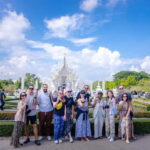
This tour runs with small groups when available, and that detail matters. Smaller groups mean fewer delays, more guide attention, and a better chance of enjoying sunrise without being herded around.
Pickup is optional, and the pickup zones are limited to major downtown areas within about 5 km of the Tha Pae Gate / Old City area. For safety and traffic-law reasons, pickup is only from hotels or registered accommodations, not from random roadside spots or shopping malls.
If you’re using the meeting point option, go to Tha Pae Gate (in front of McDonald’s). Your guide will be holding a TripGuru sign, and you should be there about 10 minutes before pickup time.
One more tip: your team emails you the evening before to confirm the pick-up time and meeting point. So keep an eye on your inbox the night before, even if you’re the kind of person who usually ignores email.
Responsible travel that doesn’t feel like a lecture
I appreciate when “responsible travel” shows up as real choices, not just slogans. This tour includes a GSTC-certified approach and makes a few specific moves:
- Water in glass bottles
- Carbon emissions offset credits included for every tour
That matters to me because it’s not hard to add these things into a tour’s operating system. It’s harder to make them part of the experience while still keeping the day smooth and comfortable.
In other words: you get the temples, and you also get the sense that the tour operator is thinking about the footprint.
What to wear and bring: the small details that prevent stress
Temple morning goes best when you pack for two things: stairs and restrictions.
What to wear:
- Comfortable shoes (you’ll thank yourself on the climb)
- Clothing that doesn’t reveal shoulders, underarms, back, and knees in locations where restrictions apply
- Avoid shorts, short skirts, and sleeveless shirts
What to bring:
- Sunglasses, hat, sunscreen
- Insect repellent
- Camera
- Cash (especially useful for optional offerings)
- And a light layer can help if the morning feels chilly
Here’s a practical mindset: treat this like you’re going to several sacred places in one morning. That means covering up, moving slowly through prayer areas, and keeping your shoulders and knees sorted from the start.
Who this tour suits best (and who should reconsider)
This is a great fit if you:
- Want a sunrise experience that’s worth the early start
- Like learning the meaning behind temples, not just taking pictures
- Prefer a small-group day with a guide who can explain what you’re seeing
- Enjoy a route with variety: high-temple view, golden monument context, jungle calm, and underground tunnels
You might reconsider if:
- You don’t handle stair climbing well (the 309 steps are part of the experience)
- You want a late-morning start and a slower pace with no temple dress rules
- You’re hoping for a single “must-see” temple day only—this tour is designed as a multi-stop cultural morning
Should you book the Chiang Mai Doi Suthep, Wat Umong, and Pha Lat Sunrise Tour?
Yes, if you want one morning in Chiang Mai that feels both spiritual and efficient. The sunrise timing at Wat Phrat That Doi Suthep, the shift to Wat Pha Lat in the jungle, and the ending at Wat Umong create a satisfying arc that doesn’t feel repetitive.
Book it sooner rather than later if you’re traveling peak season, because small-group spots can go fast. And if you’re worried about early mornings, remember: the day is structured around being done and back at your hotel in time for breakfast.
One last decision helper: if you care about value, this tour has it. For $32, you get guide time, transport, entry fees, water, and responsible-tour touches—without you having to stitch everything together yourself.
If that sounds like your kind of morning—sunrise, history, nature, and tunnels—then this is a solid choice for Chiang Mai.
FAQ
How long is the tour?
The tour is listed as 4 hours.
How much does it cost?
It costs $32 per person.
What’s included in the price?
Hotel pickup and drop-off (if selected), A/C transportation, a tour guide, entry fees, a glass bottle of drinking water, and carbon emissions offset credits.
Where do I meet the guide if I choose the meeting point option?
Meet at Tha Pae Gate in front of McDonald’s. The guide will be holding a TripGuru sign.
Is pickup available from inside Chiang Mai’s Old City area?
Pickup is available from major downtown areas within a 5 km radius of Tha Pae Gate / Old City Wall and nearby roads, but only from hotels or registered accommodations.
What language is the tour guide?
The live tour guide is available in English and Spanish.
What should I wear and bring?
Wear comfortable shoes and clothing that covers shoulders and knees. Bring sunglasses, a hat, sunscreen, insect repellent, a camera, and cash. Shorts and sleeveless shirts are not allowed.