REVIEW · CHIANG MAI
Chiang Mai: Elephant Sanctuary, Monk Trail & Doi Suthep Tour
Book on GetYourGuide →Operated by PON ELEPHANT (THAILAND) CO., LTD. · Bookable on GetYourGuide
Elephants, temples, and a real hike day. What makes this tour fun is the combo: Wat Pha Lat for a quiet forest-and-monk trail start, then ethical elephant care at Pon Elephant Thailand with feeding and river bathing. I also like how the day is structured so you’re not sprinting between stops. One heads-up: the monk-trail portion can get muddy or slippery, and it’s a longer day than a half-day tour.
I’m a fan of tours that teach while you walk. Here, you’ll get an English guide who connects what you’re seeing—monks, temple details, and Thai elephants—with practical context you can actually use. Guides such as Sumit or Paul are often singled out for history and for making temple prayers make sense, so the visits feel less like photo stops and more like cultural understanding.
Logistics are mostly straightforward: you ride a van out of Chiang Mai, spend hours in nature and at the temple, then head to the elephant camp. You’ll want to pack smart. The tour includes shower rooms and toilets at the elephant camp, but you still need your own swimwear and a change of clothes—otherwise river time becomes a problem.
In This Review
- Key things that make this day work
- Wat Pha Lat first: monk trail calm before the crowds
- Pon Elephant Thailand: ethical elephant care you can feel good about
- River bathing time: go ready, not brave
- Wat Phra That Doi Suthep: golden pagoda views plus prayer guidance
- Monks and blessings: sometimes part of the day
- Thai lunch after elephants: what’s included and what to watch
- Transport and timing: a long day that doesn’t feel frantic
- Price and value: what $57 buys you (and when it’s a bargain)
- What to pack for temple walks and river bathing
- Who this tour suits best (and who should skip)
- Should you book this full-day Chiang Mai combo?
- FAQ
- How long is the Chiang Mai Temple, Nature & Elephant Sanctuary tour?
- Is elephant riding included?
- Do I need to wear specific clothes for the temple stops?
- What activities do I do at Pon Elephant Thailand?
- Is lunch included?
- Do I get hotel pickup in Chiang Mai?
- What if plans change at the last minute?
Key things that make this day work
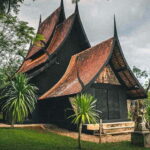
- Wat Pha Lat’s wood-and-water details: wooden tunnel, ordained trees, and a calm stream area that sets the tone for the whole day
- Pon Elephant Thailand is ride-free: elephant riding is prohibited, with hands-on feeding, walking, and bathing instead
- You get temple guidance, not just entry: help with what to notice at Doi Suthep and how to pray properly
- A full day, but not rushed: the schedule gives time at the big sites and still leaves room for questions
- Food is included and local: after the elephant time, you eat a homemade Thai meal with seasonal fruit and desserts
Wat Pha Lat first: monk trail calm before the crowds
The day starts with a van ride out of Chiang Mai and then you step into the slower rhythm at Wat Pha Lat. This stop is less about big tourist spectacle and more about setting your brain to neutral. The trail through the jungle feels like a breather—birds, shade, and a little bit of that “why am I in a rush?” feeling.
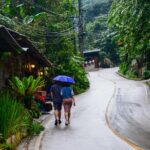
The main reason I like starting here: it’s a nature-and-spiritual blend. You’ll walk a forest path and reach the temple area, and you’ll notice the little features that make Wat Pha Lat feel special for meditation retreats. Think of the wooden tunnel, ordained trees, and a tranquil stream area. These details matter because they teach you how the space is meant to be used: quietly, intentionally, and at a walking pace.
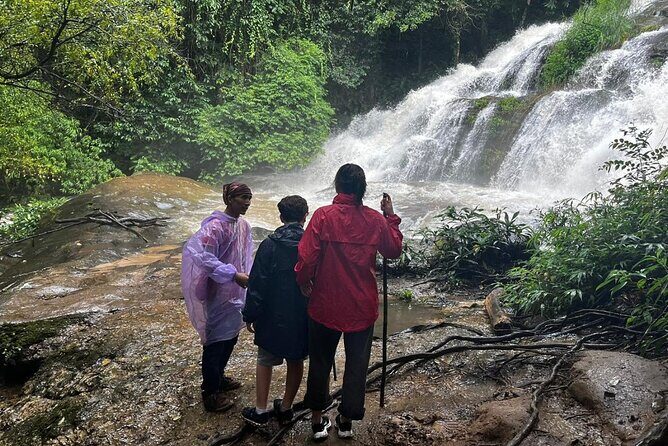
Practical note: the hike portion is listed as about 40 minutes, and the terrain can vary. Some travelers found the end-of-day walking downhill less fun when it’s muddy, so treat this as a real walk, not a stroll. Wear comfortable shoes and don’t plan to keep them clean. If you’re the type who hates getting dirty, you’ll want to bring flip-flops for the elephant portion afterward, or at least stash a towel.
You can also read our reviews of more tours and experiences in Chiang Mai.



Pon Elephant Thailand: ethical elephant care you can feel good about
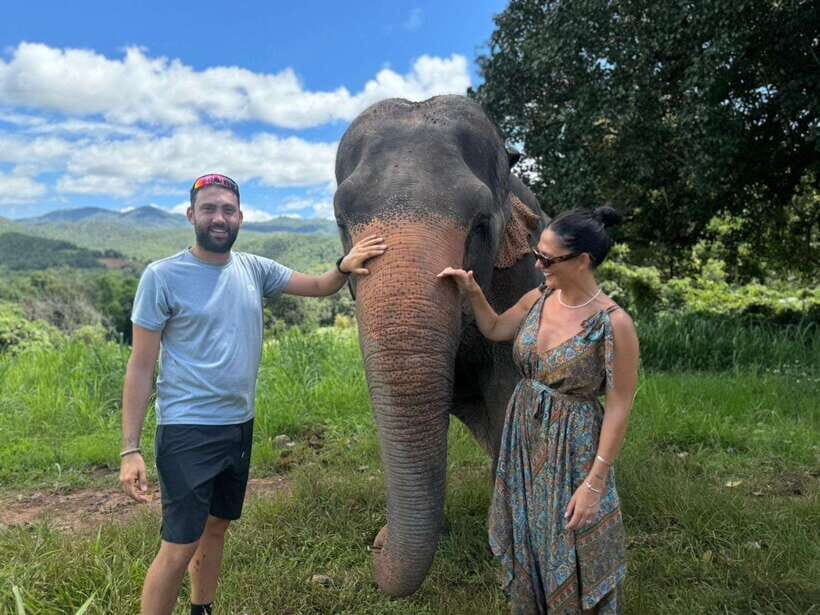
Pon Elephant Thailand is in Mae Wang District, and the elephant part of the day is the emotional center of the tour. The focus here is on learning and respectful interaction rather than tricks for photos.
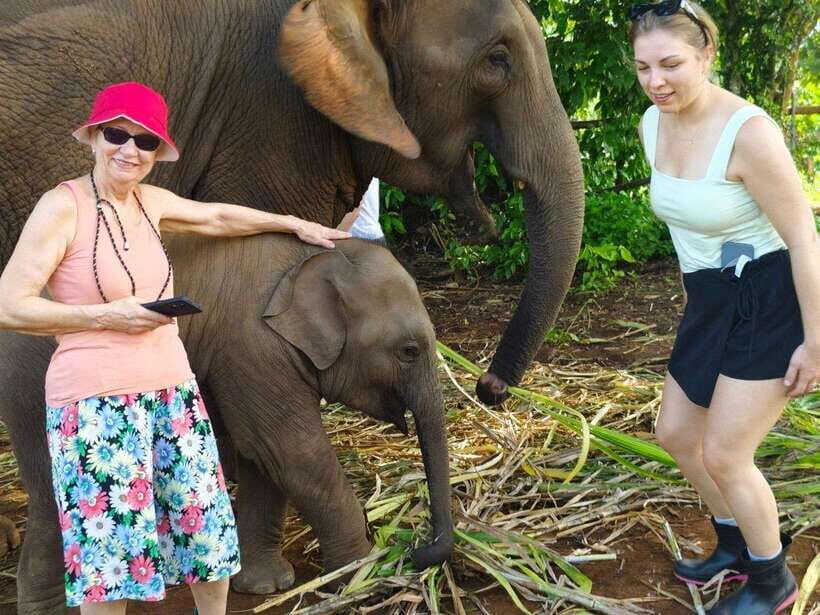
You’ll spend around 3.5 hours at the camp, with activities that typically include:
- learning about the history and behavior of Thai elephants
- feeding the elephants
- walking alongside them through the forest
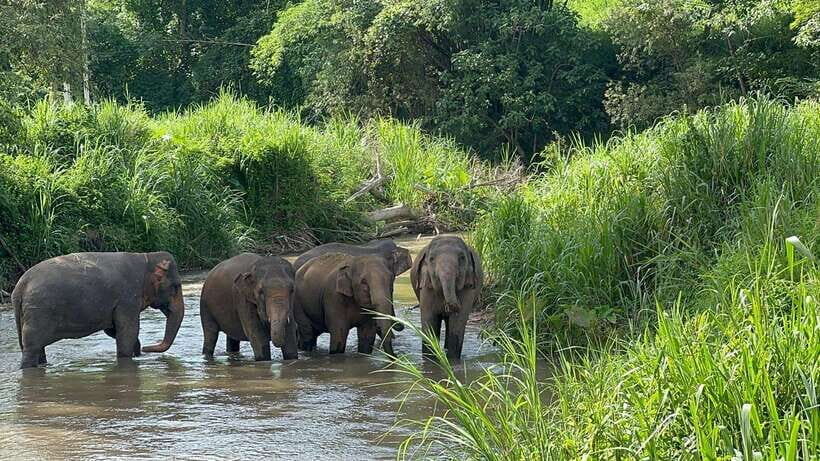
- bathing them in a river
- making medicine balls to nourish them
The big ethical point for me is simple: there’s no elephant riding, and the tour states elephants are not forced to perform activities. That changes the tone. You’re not waiting for a performance; you’re learning how elephants move, pause, and respond in a natural-feeling setting.
Also, you’ll likely be reminded to keep your expectations realistic. The elephants aren’t going to act like they’re on a schedule for you, and that’s a good thing. The best moments tend to happen when you watch instead of chase.
River bathing time: go ready, not brave
Bathing is one of the most memorable parts, but it needs planning. The tour advises bringing swimwear, a change of clothes, and a towel. Shower rooms and toilets are available, which is great, but the comfort comes from being prepared before you get wet and muddy.
If you’re worried about personal comfort, bring:
- a dry layer for after bathing
- flip-flops for camp walking
- insect repellent (the jungle is still the jungle)
One more practical detail: the tour includes food for feeding elephants, so you don’t need to bring anything for that part.
Wat Phra That Doi Suthep: golden pagoda views plus prayer guidance
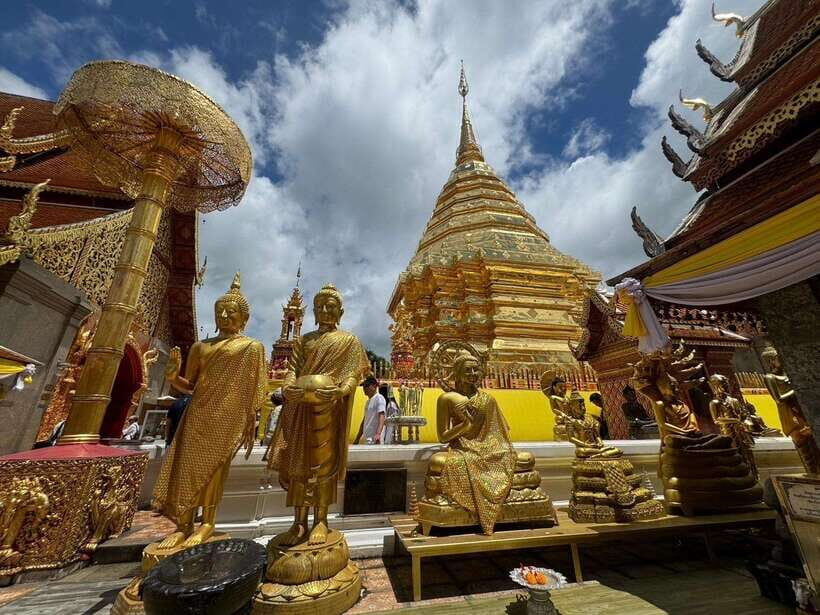
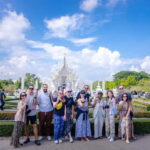
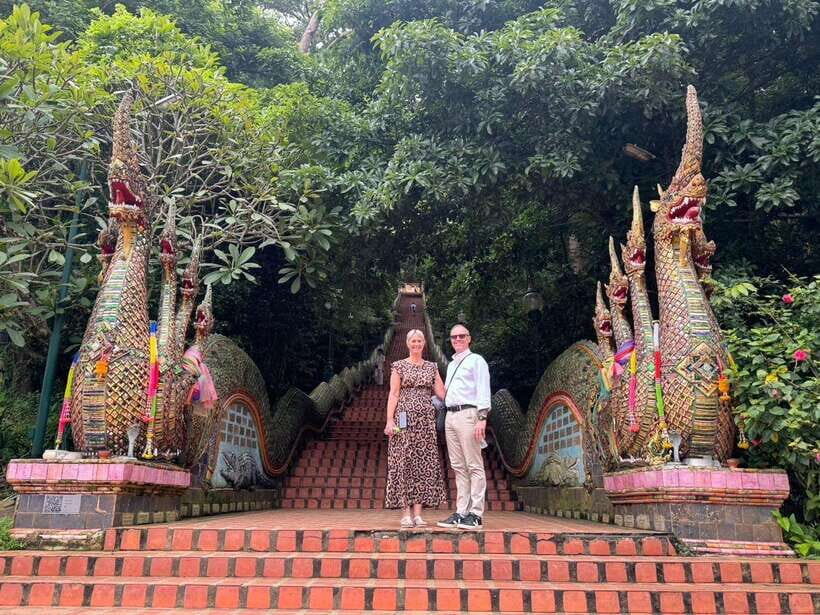
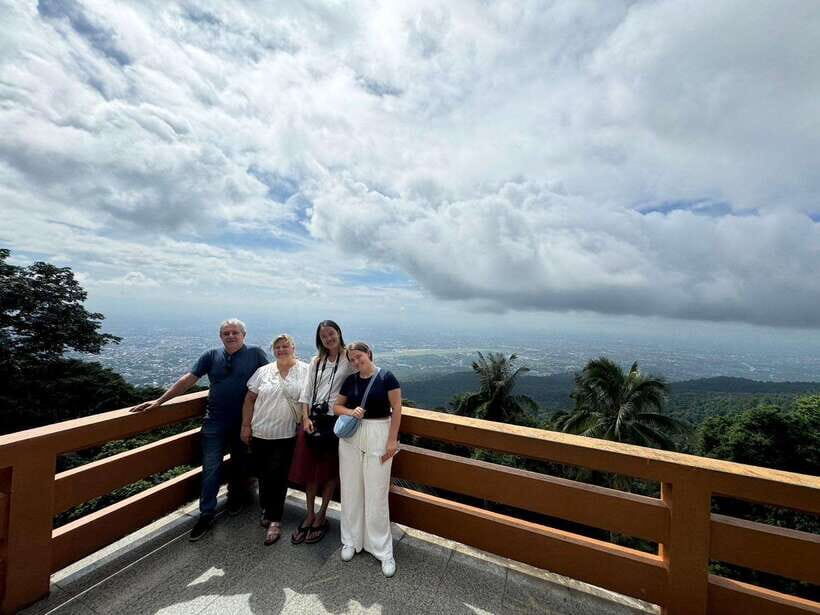
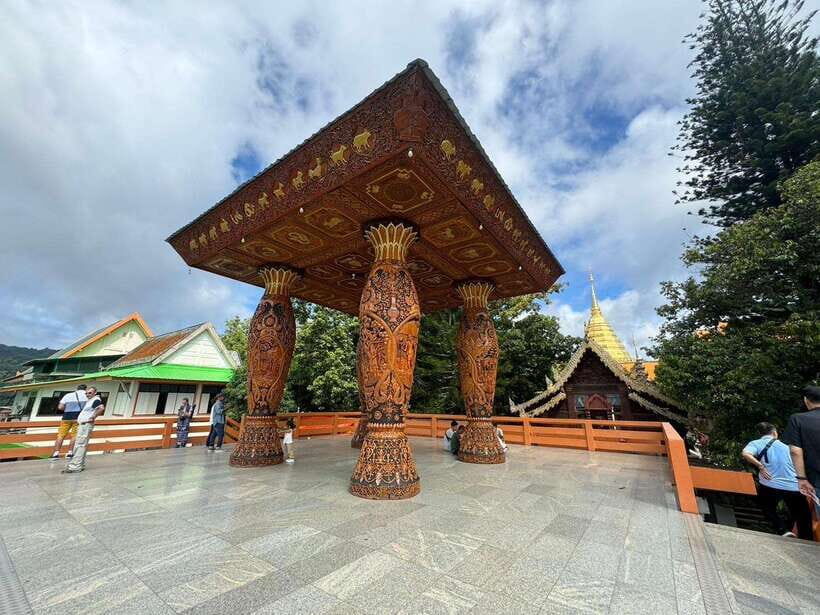
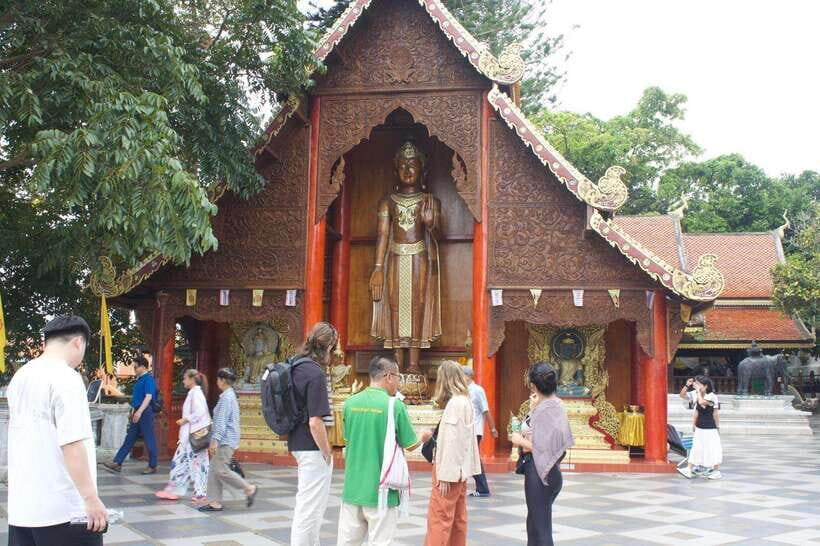
After the elephant camp, you head to one of Chiang Mai’s most iconic temple areas: Wat Phra That Doi Suthep. The temple sits atop Doi Suthep mountain, and even before you reach the main spots, you can feel the change in setting. The golden pagoda is the obvious focal point, but the surrounding terrace details are what make it worth slowing down.
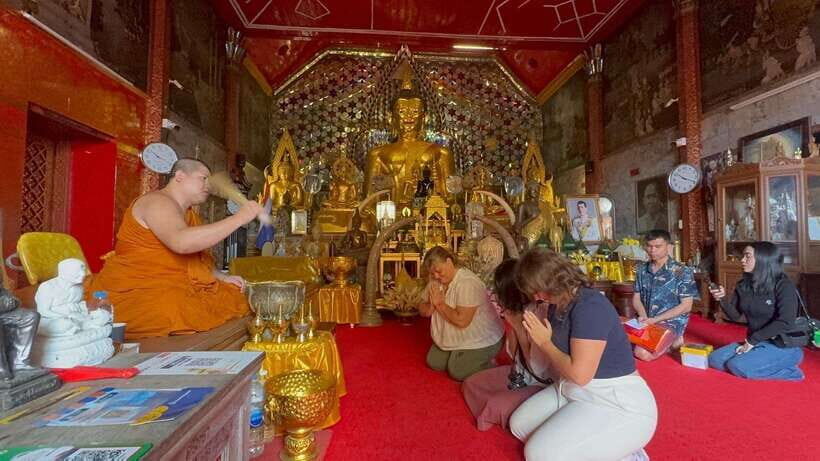
You’ll spend about 1.5 hours here, with time to explore the temple halls and the terrace areas that include shrines, fruit trees, and rock gardens. The day’s guide support is what turns this visit from sightseeing into understanding. Some guides are known for explaining how to pray properly at the site, which helps you participate in a respectful way instead of just copying gestures.
You should also plan for the reality of being on a mountain. The tour information warns it isn’t suitable for people afraid of heights, and that makes sense: you’re in temple zones with elevated views and steps. If that makes you uncomfortable, consider your comfort level before booking.
Monks and blessings: sometimes part of the day
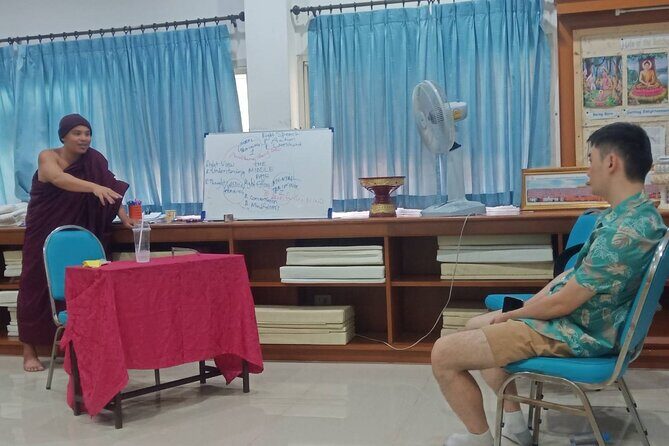
One traveler noted that their guide took them inside to meet monks and receive a blessing. The tour data doesn’t guarantee this for everyone, but it does suggest your guide may try to add a meaningful cultural moment when possible. Either way, you’ll have plenty to do just by following your guide’s cues on temple etiquette and what to look for.


Thai lunch after elephants: what’s included and what to watch
Food matters on full-day tours, and this one builds in a real meal. After elephant care, you’ll have an authentic Thai meal provided by a local family. It’s paired with fresh seasonal fruits and local desserts. That’s a nice shift from the usual outside-the-bus restaurant stop.
Still, balance matters. One person said lunch was cold and not great, even though vegetables and fruits were included. Translation: you’ll probably be fine, but if you’re picky about temperature and texture, mentally prepare that it might not be served hot like a restaurant you pick yourself.
If you tend to get snacky, this is where you can make life easier by bringing a simple personal snack—just something small. The tour includes water and lunch, so you’re not forced into buying food, but having backup comfort can help.
Transport and timing: a long day that doesn’t feel frantic
The schedule is built around realistic travel times:
- you’ll get a van ride out from central Chiang Mai
- around 20 minutes between major stops at several points
- a longer transfer to the elephant camp and then back
In practice, many people report a full day running roughly from the morning pickup through mid-afternoon return (for example, around 5 pm). Even when your exact pickup time varies by option, the pacing feels like: walk, change focus, eat, then temple views and a final trail bit.
Why this matters: you don’t want a day where you’re always waiting. Here, the tour fills the time with structured activities rather than long empty transfers. The transport gets high scores for comfort, and it’s a van setup—so you’re not white-knuckling a tiny vehicle down winding roads.
One small comfort tip: if you’re prone to motion sickness, the tour lists it as not suitable for people with motion sickness, so take that seriously. The roads around Doi Suthep and the route to Mae Wang can be curvy.
Price and value: what $57 buys you (and when it’s a bargain)
At $57 per person for a full day, the value comes from what’s included:
- hotel transfers to and from Chiang Mai city center only
- an English guide
- drinking water and lunch
- food for feeding elephants
- entry tickets
- shower rooms and toilets at the camp
- travel accident insurance
Not included are towel and a change of clothes, but those are easy to pack and, honestly, essential for elephant bathing anyway.
Here’s how I’d judge value for you: this price feels like a bargain if you want one-day convenience without organizing separate temple and elephant logistics. You’re paying for time efficiency (transport), cultural context (English guide), and a real structured elephant program.
If you already plan to do temples on your own and you only want to watch elephants from a distance, you might feel less of the value. But if you want the full mix—forest trail, Doi Suthep, and hands-on elephant care—this is priced like a tour that tries to give you a complete Chiang Mai day.
What to pack for temple walks and river bathing
This is where people win or lose comfort. The tour lists a solid packing list, and you should treat it as your checklist.
Bring:
- comfortable shoes for walking and the monk trail
- hiking shoes if you have them (especially if it rained)
- swimwear for bathing at the elephant camp
- change of clothes and a towel
- sunscreen and insect repellent
- comfortable clothes that can get dirty
- flip-flops for camp and after-bathing moments
- cash (for personal purchases if you want them)
- a passport copy if needed (passport itself is mentioned as accepted for the record)
Also remember temple etiquette: dress properly with knees and shoulders covered. That’s not just politeness; it helps you feel comfortable when you’re walking temple grounds and getting guidance from your guide.
Who this tour suits best (and who should skip)
This is a strong match if you want:
- a hands-on ethical elephant experience (feeding, walking, bathing) without riding
- a cultural temple day with explanations, not just entry tickets
- a nature-walk start at Wat Pha Lat
- a full-day plan that covers major Chiang Mai highlights in one go
It’s not a good match if you have:
- back problems, heart problems, epilepsy, altitude sickness, or recent surgeries (listed as not suitable)
- mobility impairments or wheelchair use
- strong fear of heights (Doi Suthep is on a mountain)
- low fitness or motion sickness
- animal allergies
If you’re pregnant, the tour is listed as not suitable. And if you’re traveling with very young kids, note that it’s not suitable for children under 2 (and babies under 1 are also noted as not suitable).
Should you book this full-day Chiang Mai combo?
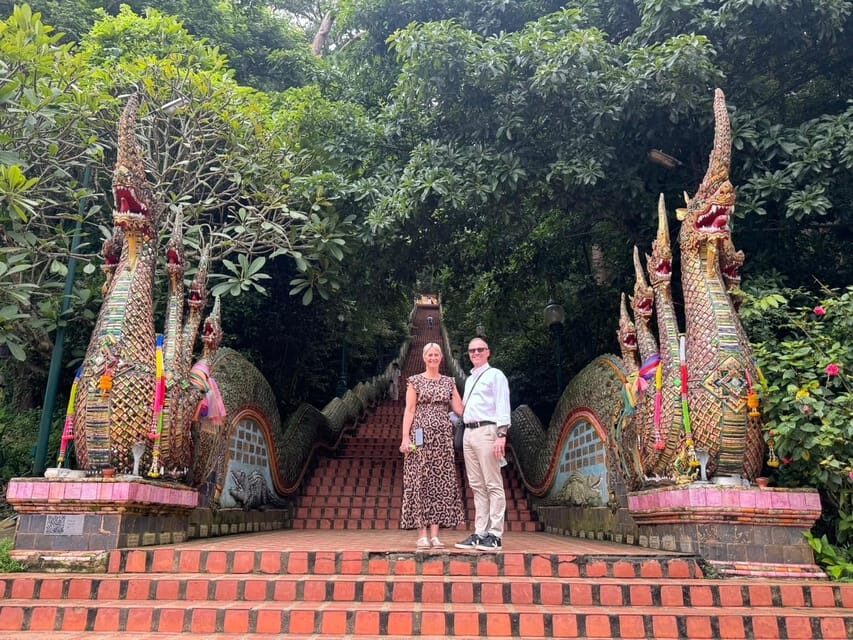
I’d book this when you want one day that hits three goals: nature, temples, and ethical elephant care. The mix works because each part resets the vibe—forest calm at Wat Pha Lat, emotionally powerful elephant care at Pon, and then the big spiritual payoff at Doi Suthep.
Book it especially if you care about elephants and you don’t want riding included. Book it also if you enjoy learning while you walk, since the guide role is central to how temple time and elephant time feel.
Skip or choose another option if heights make you anxious, if you’re not comfortable with muddy walking, or if you want a short and easy day. This is a full-day plan for people who like to be out and active.
FAQ
How long is the Chiang Mai Temple, Nature & Elephant Sanctuary tour?
It runs for 1 day.
Is elephant riding included?
No. Elephant riding is prohibited on this tour.
Do I need to wear specific clothes for the temple stops?
Yes. You should dress properly with knees and shoulders covered.
What activities do I do at Pon Elephant Thailand?
You’ll participate in elephant care activities such as feeding, walking alongside the elephants through the forest, and bathing them in a river. You’ll also make medicine balls to nourish the elephants.
Is lunch included?
Yes. Drinking water and lunch are included, and the meal after the elephant time is described as authentic Thai food from a local family, with seasonal fruit and local desserts.
Do I get hotel pickup in Chiang Mai?
Hotel transfers are included to and from Chiang Mai city center only. Pickup is optional, with staff showing a sign at the lobby, or you can meet at the meeting point where the Pon Elephant Thailand sign is used.
What if plans change at the last minute?
You can cancel up to 24 hours in advance for a full refund.