REVIEW · CHIANG MAI
Chiang Mai: Day for Elephant Observation Only Half-day Trip
Book on GetYourGuide →Operated by Living Green Elephant Sanctuary Chiang Mai and Chonburi · Bookable on GetYourGuide
Elephants, but no tricks. At Big Boy Elephant Sanctuary near Doi Inthanon National Park, you get ethical observation and a Pad Thai lunch you actually make yourself. It’s a half-day shaped experience that feels simple, calm, and meaningful.
Two things I really love: the sanctuary’s strict no-control approach (no riding, no forcing movements), and the fact that you feed and learn up close without the usual showy gimmicks. One drawback to know up front: this is observation plus caring tasks, not a hands-on cuddle-fest—plus you’ll spend time outdoors and in transit.
If you have a guide like Su, you’ll get the story behind the rules. Su’s English is clear, and he keeps it light while sharing real details about elephant behavior and care for older or unwell elephants. Bring good shoes and insect repellent, and you’ll be happy you did.
In This Review
- Key Things You’ll Notice Right Away
- Big Boy Sanctuary and the No-Control Rules You’ll Feel in Person
- Your Day in Chiang Mai: Pickup Timing and a Real 6–7 Hour Window
- Elephant Education Briefing: The Rules, the Why, and the Health Stories
- Preparing Elephant Food: Natural Materials and the Feeling of Purpose
- Ethical Feeding Experience: Vitamin Balls, Close Watching, No Touch
- Elephant Observation in Lush Hills: Photos Without the Forced Pose
- Making Pad Thai for Lunch: A Real Cooking Workshop, Not a Bonus Add-On
- Price and Value: Why About $46 Can Feel Fair Here
- Who This Trip Fits Best (And Who Should Rethink It)
- Practical Tips That Make the Day Easier
- Should You Book This Elephant Observation and Pad Thai Day?
- FAQ
- How long is the trip?
- Where does the elephant activity take place?
- Is elephant riding included?
- Can I touch the elephants?
- What is included besides elephant observation?
- Are flash photos allowed?
- What should I bring?
- Is this trip suitable for everyone?
- Can I change plans after booking?
Key Things You’ll Notice Right Away
- No riding, no controlled walking, no mandatory bathing means elephants move on their own.
- Feeding from a respectful distance lets you get close for watching without touching.
- Vitamin ball making and feeding feels practical, not performative.
- A real Pad Thai workshop turns lunch into part of the experience.
- Small-group feel keeps the day from getting noisy or rushed.
- Stories with Su add context on health, habits, and why care matters.
Big Boy Sanctuary and the No-Control Rules You’ll Feel in Person
Here’s the vibe shift that matters: at Big Boy, the elephants are not treated like a tour prop. The center follows a proud “no control” policy. That means no elephant riding. No controlled walking where people steer them like pets. No mandatory bathing. And nobody commands elephants to do what the schedule wants.
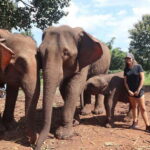
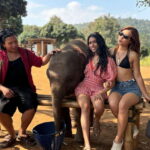
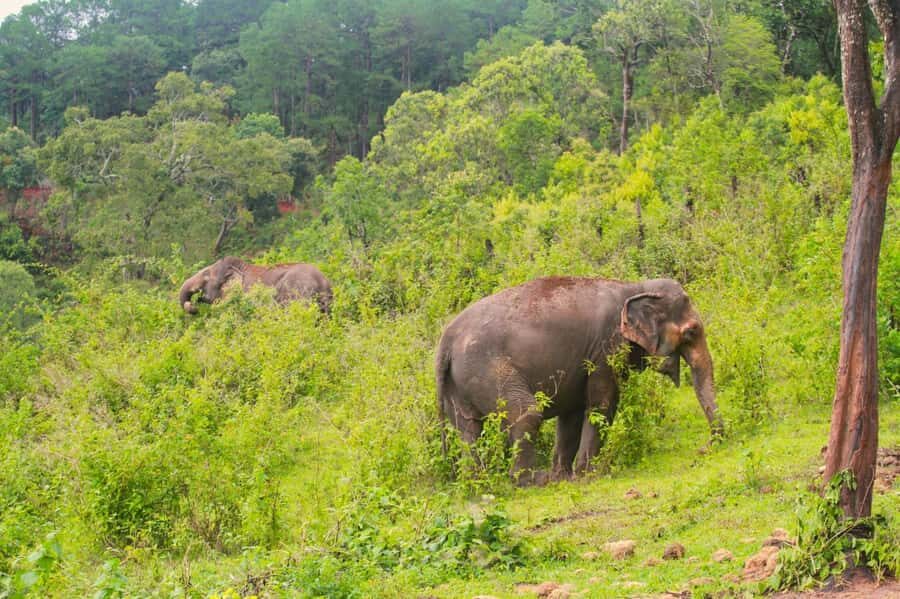
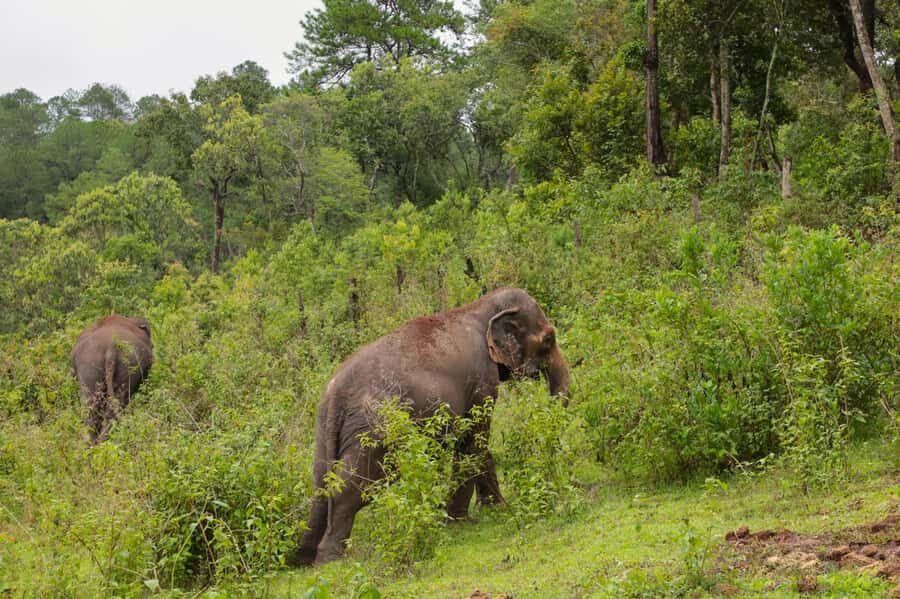
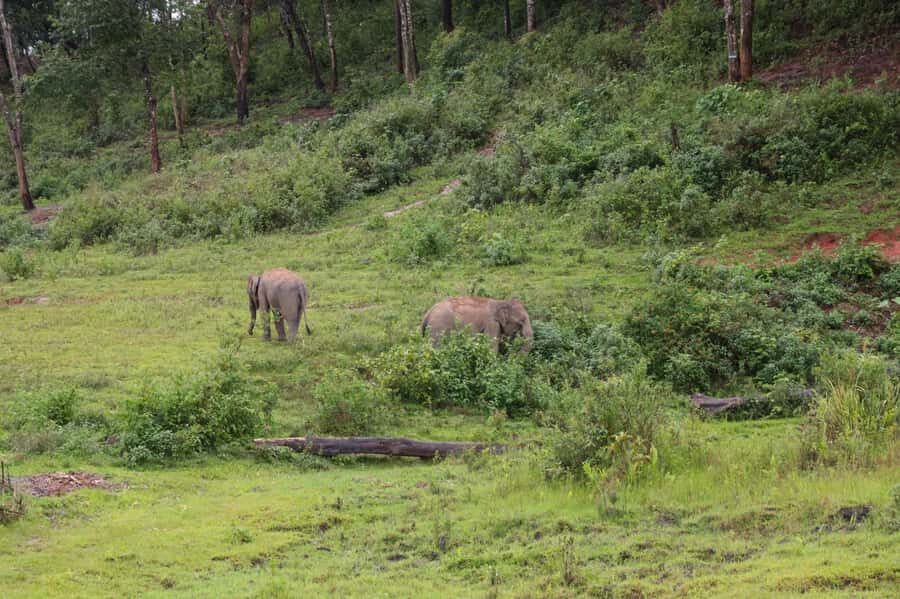
You feel this immediately in how the day runs. There’s a lot of watching—elephants eating, moving, and staying together like a family. You’re not waiting for a cue. You’re learning the rhythm of a real group: pause, wander, nibble, play, rest, repeat.
This is also why I like the ethical focus so much. Many elephant experiences teach you more about the humans running the show than the animals themselves. Big Boy points you back to the animals. You’ll still have structured activities, but they’re built around care and observation rather than control.
You can also read our reviews of more tours and experiences in Chiang Mai
Your Day in Chiang Mai: Pickup Timing and a Real 6–7 Hour Window
The trip is sold as a half-day option, but the total time in your day is usually longer because the schedule includes hotel pickup and the drive to the sanctuary area near Doi Inthanon National Park.
You’ll choose one of two general session windows:
- Morning session: listed as 07:00–14:30
- Afternoon session: listed as 11:00–18:30
Your program duration is about 6–7 hours, and that includes transportation, which can vary based on local traffic. The pickup time on your voucher is only for reference. The exact time gets confirmed the day before based on your hotel and group count.
That matters because this kind of trip lives and dies by your comfort level with travel time. If you plan a second activity for the same day, keep it flexible. If you like long days with a payoff, you’ll probably enjoy the pace.
Elephant Education Briefing: The Rules, the Why, and the Health Stories
Once you’re picked up and you’re on the way, you’ll start with an elephant education briefing. This is not just a lecture. It sets expectations for how you’ll observe and interact during the feeding parts.
This sanctuary emphasizes “natural living” as much as possible. So the briefing explains what you can do and what you shouldn’t. You’ll learn the practical meaning behind the no-control rules—how controlling behavior can stress animals, and why the sanctuary tries to avoid forcing elephants into unnatural routines.
It also helps to get human context from people with real experience, and that’s where Su shines. In the stories you’ll hear, you’ll get details about elephant behavior and health, including what proper care looks like for elderly or sick elephants. That kind of knowledge changes how you watch. You stop thinking only about photos and start noticing body language, eating patterns, and group dynamics.
Preparing Elephant Food: Natural Materials and the Feeling of Purpose
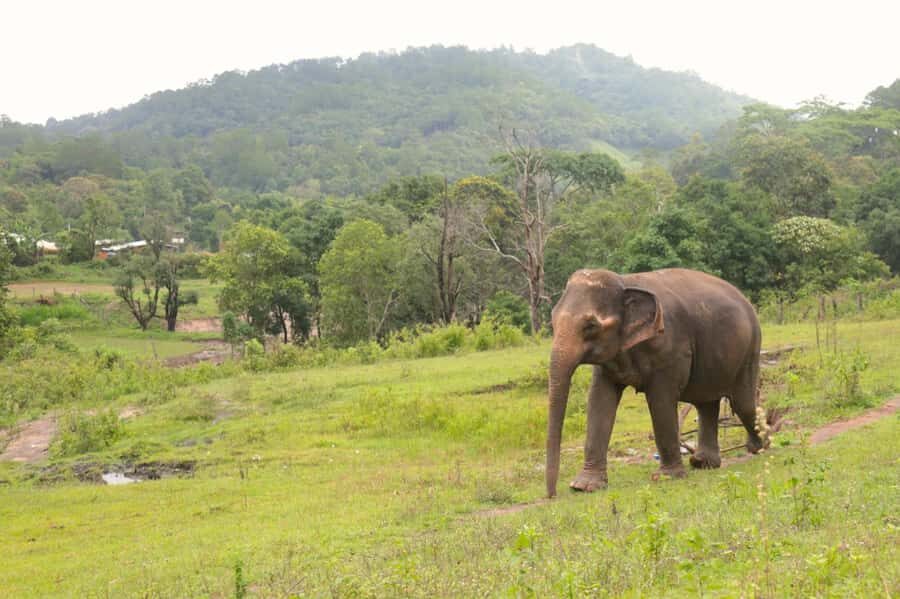
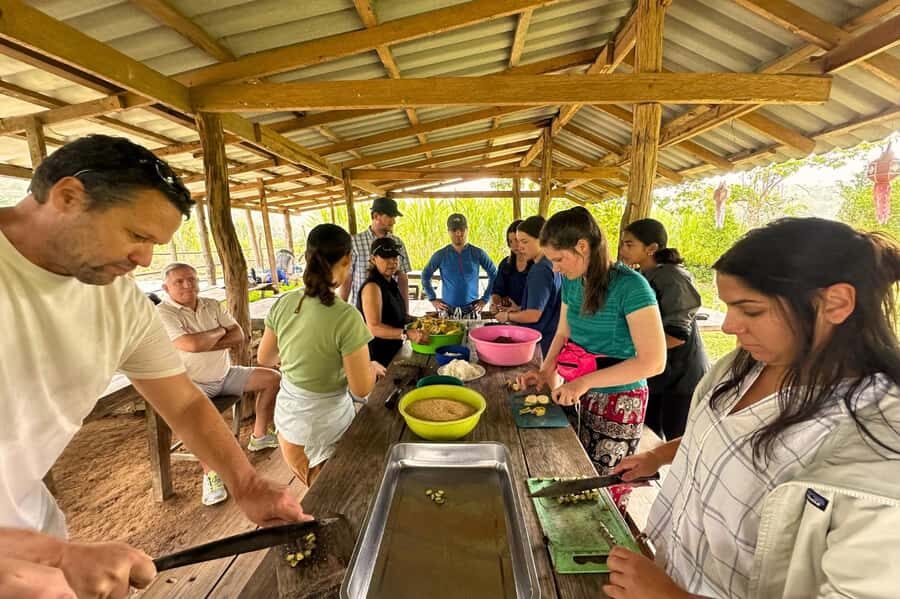
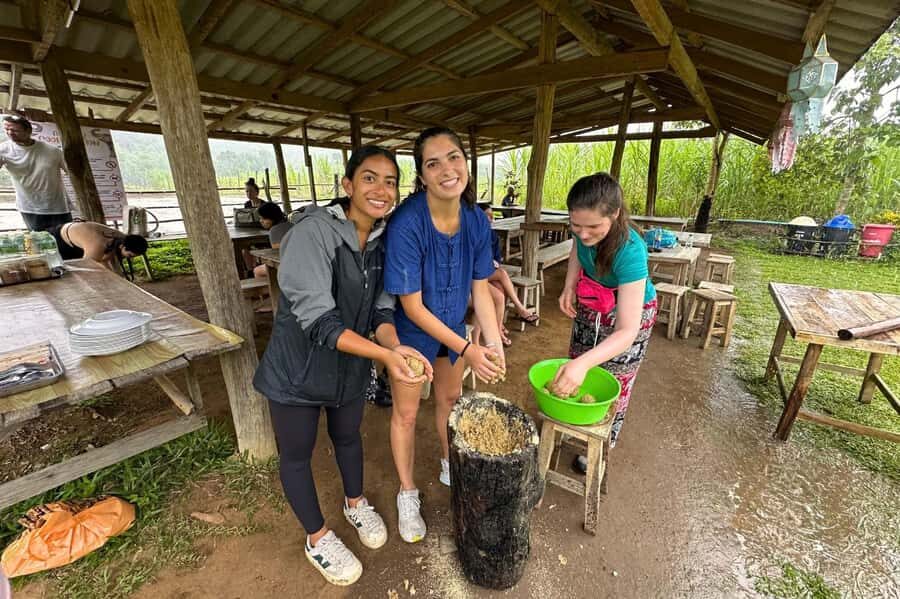
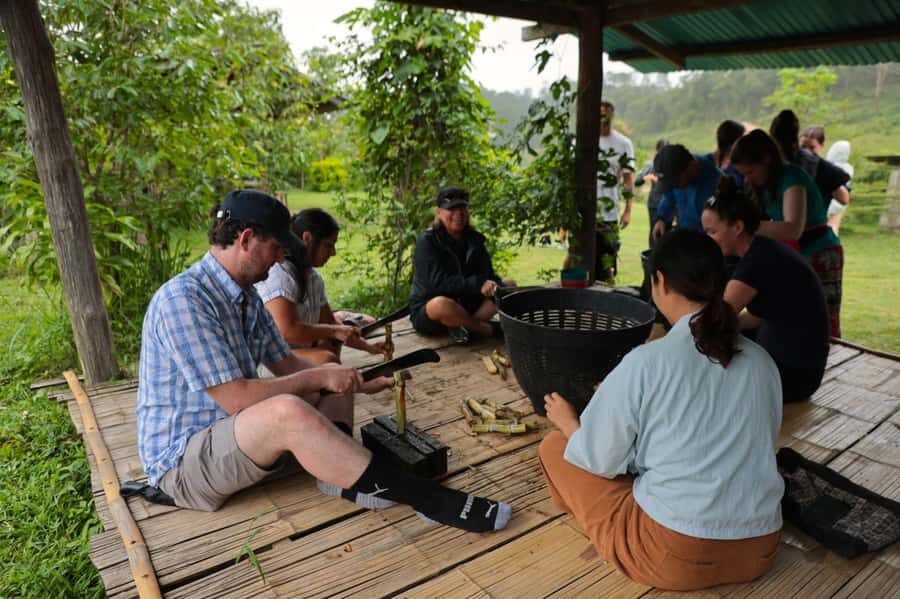
A big part of the day is the work you do before feeding. You’ll help prepare elephant food using natural materials. It’s a hands-on step, but it stays in the lane of care. You’re not trying to “perform” for the camera. You’re making meal components that support a real feeding routine.
You’ll also take part in habitat care activities and learn what those tasks are for. The goal is to keep the environment supportive for the elephants, not to stage interactions for visitors.
If you like activities that have meaning, this section delivers. It’s not just watching from a viewpoint. You’re part of the process, and you’ll see what you prepared afterward.
Practical note: this part can involve outdoor work and standing. Wear shoes you can trust.
Ethical Feeding Experience: Vitamin Balls, Close Watching, No Touch
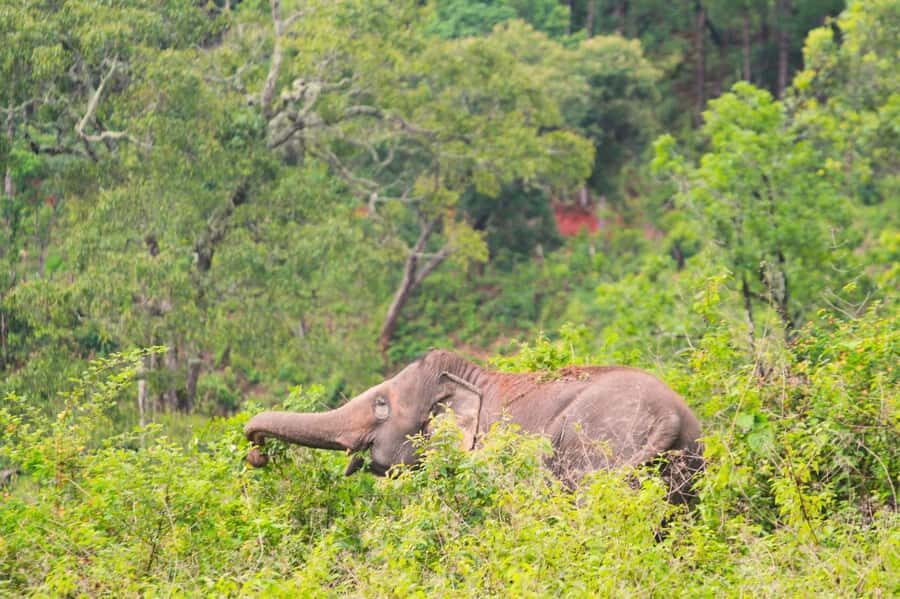
Now the moment most people really book for: the elephant feeding experience.
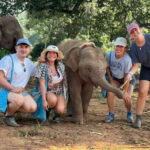
You’ll feed the elephants up close, with a strong emphasis on safety and distance. Importantly, the sanctuary rules are strict about touch. The elephants are not for petting. You’ll observe, and you’ll offer food, but you keep your hands to yourself.
You’ll also do vitamin ball feeding. In practice, you’ll help with preparation—often described as medicine balls or vitamin balls—then you’ll watch the elephants react as they eat. The best part is that the eating looks natural. They don’t look like they’re performing. They look like they’re eating.
What makes this section worth your time is the balance: you get close enough to feel connected, but the experience still respects the elephants as wild animals under care.
And you’ll likely notice that the elephants roam and behave like a group: adults keeping an eye on things, smaller movements within the group, and plenty of just…being elephants.
You can also read our reviews of more tours and experiences in Chiang Mai


Elephant Observation in Lush Hills: Photos Without the Forced Pose
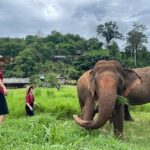
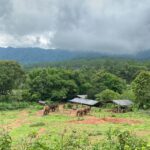
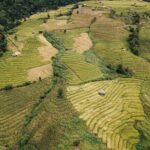
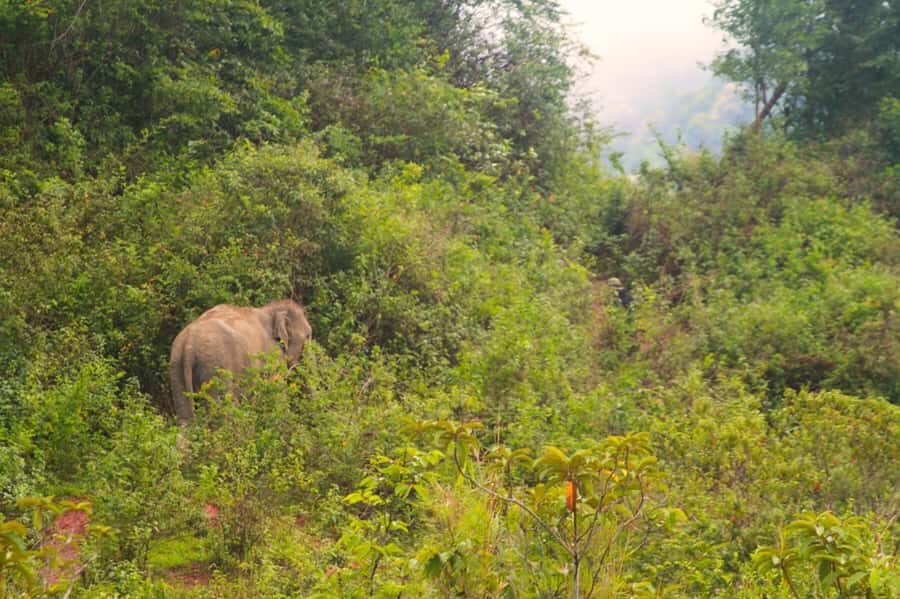
The setting is in the mountains near Doi Inthanon National Park, with lush hills and a stream area that adds a calm soundtrack to the day. This is part of why the sanctuary experience feels peaceful instead of stressful.
You’ll get photo opportunities—up close observation for cameras, without turning the day into a circus. You’ll also follow the photography rules: no flash photography and no smoking.
The no-flash part might sound small, but it matters. It keeps the day calmer for both elephants and guides. And since elephants react to light and sudden disturbances, it protects the focus of the visit: letting animals be themselves.
If you love animal watching, you’ll get plenty of chances to capture behavior—eating patterns, social closeness, and moments of play.
Making Pad Thai for Lunch: A Real Cooking Workshop, Not a Bonus Add-On
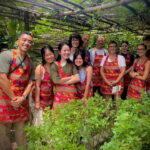
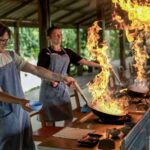
Then you eat the reward. You’ll join an authentic Pad Thai cooking workshop, guided by local culinary experts. The cooking style is presented as a family recipe handed down over generations.
This matters because it’s not just a quick demo. You’ll learn the steps and make your own Pad Thai, then enjoy it for lunch. You’ll also see how the elephant-feeding day connects to food preparation as a theme: natural ingredients, careful handling, and a shared sense of responsibility.
In the process, you might also encounter other food prep components, like preparing bamboo shoots, depending on how the session flows.
Even if you’re not a big cooking person, this part helps anchor the day. It gives you a break from outdoor heat and gives you something tasty to take home in your memory, not just in your camera roll.
Price and Value: Why About $46 Can Feel Fair Here
The price is about $46 per person. That could sound either high or low depending on what you expect.
Here’s what makes it feel like good value: your money supports (1) elephant observation in a natural setting, (2) conversations with elephant experts, (3) feeding-related activities including vitamin ball feeding, and (4) an actual Pad Thai cooking workshop where lunch is part of the experience.
Many cheaper elephant options often pay for entertainment style: rides, forced tricks, and heavy human control. Big Boy’s core promise is different. You’re paying for a model that prioritizes animal welfare and learning. That tends to cost more to operate, because you’re not trying to “maximize minutes per animal” through handling.
Also, you’re not getting a short bus ride and a single photo moment. The day includes education, food prep tasks, and a meal you make yourself. That makes the time feel purposeful.
Still, if your top priority is being able to touch or ride elephants, this won’t match that fantasy. This experience is about watching and caring at a respectful distance.
Who This Trip Fits Best (And Who Should Rethink It)
This is a great match if you want ethical tourism you can actually understand with your eyes and your hands. If you care about conservation, and you like structured learning (briefing, feeding, care tasks) paired with calm observation, you’ll likely enjoy it a lot.
It may not be right for everyone. It’s not suitable for:
- Pregnant women
- People with back problems
- People with mobility impairments
That’s important because you’ll likely do some standing, walking on outdoor terrain, and moving around during the day and feeding sections. Even if the pace is friendly, the environment is outdoors and the day can be physically demanding.
If you have a medical condition, think hard and plan carefully. A “no-touch, no-riding” experience still requires normal body movement to participate fully.
Practical Tips That Make the Day Easier
Do these and you’ll have a smoother time.
- Bring insect repellent. The sanctuary setting includes outdoor time and likely bug exposure.
- Wear comfortable shoes designed for walking. You don’t want slippery sandals if the ground is uneven.
- Use a sun hat and outdoor clothing. You’ll be outside for parts of the program.
- Bring a refillable water bottle so you can stay hydrated between activities.
- Plan for camera time, but follow the rule: no flash photography.
Also, arrive on time. Your schedule depends on pickup and the flow of the day, and elephant-focused programs don’t work well when people are late and everyone has to wait.
Should You Book This Elephant Observation and Pad Thai Day?
Book it if you want to see elephants in a way that respects them: no riding, no controlled walking, no forced bathing, and no command-based tricks. You’ll get real education, practical feeding tasks, and a Pad Thai cooking workshop that turns lunch into a highlight rather than an afterthought.
Skip it if you’re mainly looking for hands-on contact, riding, or highly performative interactions. Big Boy’s whole point is that the elephants should live naturally.
If you’re on the fence, here’s a simple test: can you enjoy a day where your job is to watch quietly and help with simple care? If yes, this trip is a strong choice for Chiang Mai.
FAQ
How long is the trip?
The program duration is about 6–7 hours, and it includes transportation time from Chiang Mai. The morning and afternoon session windows are listed, but the exact pickup time is confirmed the day before.
Where does the elephant activity take place?
The experience is at Big Boy Elephant Sanctuary near Doi Inthanon National Park in Chiang Mai Province.
Is elephant riding included?
No. The sanctuary follows a no riding policy.
Can I touch the elephants?
The experience is set up so you can feed and observe while respecting the sanctuary’s rules, and touching is not part of the experience.
What is included besides elephant observation?
You also do elephant food preparation and ethical feeding, vitamin ball feeding, habitat care activities, and an authentic Pad Thai cooking workshop with lunch.
Are flash photos allowed?
No. Flash photography is not allowed.
What should I bring?
Bring comfortable shoes, a sun hat, a camera, and insect repellent. A refillable water bottle is also recommended.
Is this trip suitable for everyone?
It is not suitable for pregnant women, people with back problems, or people with mobility impairments.
Can I change plans after booking?
You can cancel up to 24 hours in advance for a full refund, and you can reserve and pay later to keep your plans flexible.