REVIEW · CHIANG MAI
Chiang Mai: 15 km Leisure River Kayaking at Mae Ngat forest
Book on GetYourGuide →Operated by CHIANG MAI MOUNTAIN BIKING & KAYAKS · Bookable on GetYourGuide
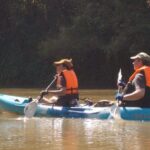
One of the best ways to slow down in Chiang Mai is water. This 15 km kayak day along the Mae Ping keeps you away from modern noise, with rural riverbanks, birds, and a final stretch inside the Mae Taeng Forest Reserve where the canopy shades you like a natural roof. I especially liked how relaxed the pace feels once you’re in rhythm, and I appreciated that the guides are safety-focused (first aid/CPR trained) and genuinely patient with beginners. The main thing to consider is that the actual distance can be shorter than the headline 15 km, depending on the day’s run and timing.
If you’re looking for nature you can touch, this delivers. You’ll paddle past fishermen and farmers, then stop for lunch on the riverbank before heading to the shaded end point. The day runs like a well-timed outdoor circuit—transport out from town, practice, then paddling—so it stays easy even if you’re not an experienced kayaker.
In This Review
- Quick Answers Before You Go: Key Points
- Why 15 km on the Mae Ping Feels Like a Reset
- Hotel Pickup to Chur Lare Bridge: How the Timing Works
- Safety Briefing and Kayak Skills: You Control the Boat
- Paddling the Ping River: Birds, Fishermen, and Real River Life
- The Riverbank Lunch Stop at Heuan Bua Chan Fresh Coffee
- Mae Taeng Forest Reserve: Where Shade Changes the Mood
- Gear, Support Truck, and the Little Comforts That Help
- Price and Value: What You’re Really Paying For
- What to Pack: Avoid the Wet-Clothes Regret
- Who This Kayaking Trip Suits Best
- Should You Book This Chiang Mai River Kayaking Day?
- FAQ
- How long does the kayaking experience take?
- Where do you pick me up in Chiang Mai?
- What happens before we start paddling?
- Do I use a single or double kayak?
- What languages do the instructors speak?
- Is lunch included, and is it suitable for vegetarians or vegans?
- What fees are not included?
- What should I bring?
- Is there free cancellation and reserve & pay later?
- Is this activity wheelchair accessible?
Quick Answers Before You Go: Key Points
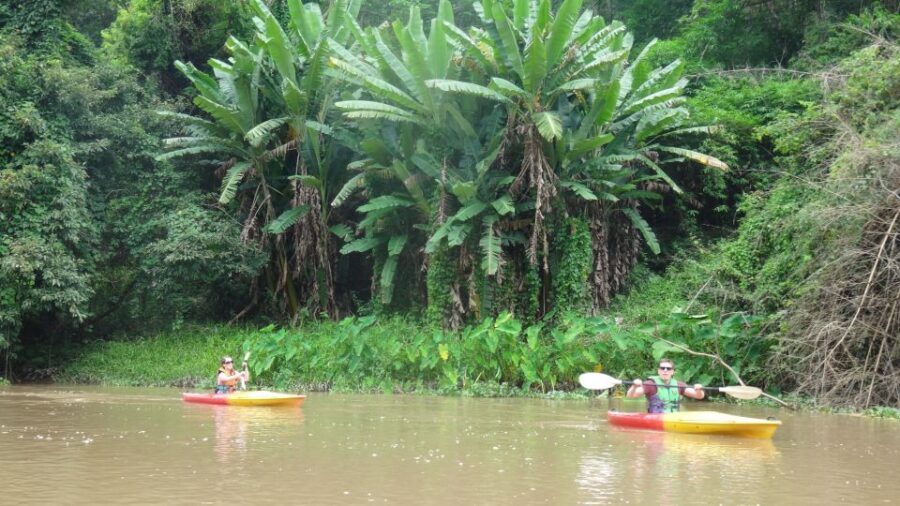
- 15 km on the Mae Ping with a chance to cool off in clean river water
- English, German, and Thai guidance, plus a safety-first briefing before you start
- Hard-shell single or double kayaks and you control your own boat
- Rural scenery without city distractions, including birds and occasional fisherman sightings
- Lunch on the riverbank with vegetarian and vegan options available
- A support truck follows along, helping with valuable storage while you paddle
Why 15 km on the Mae Ping Feels Like a Reset
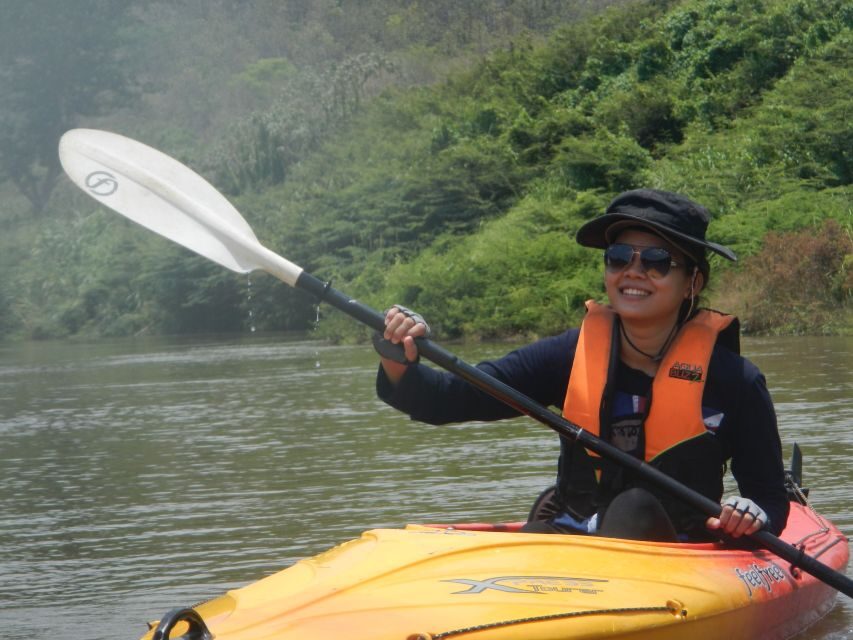
This isn’t a dramatic, white-knuckle river day. It’s a “float and pay attention” kind of outing, where your job is simple: paddle when needed, look around often, and enjoy the long stretches of quiet.
The route is built around the Mae Ping River section flowing through protected natural areas. As you move, the world narrows to what’s on the water: the rhythm of strokes, the sound of birds, and the way tree shade shifts across the kayak. That tranquil vantage point is the real draw—especially if you’ve spent days bouncing between markets and temples and you want a break that feels different.
Wildlife tends to show up best when you slow down. The riverbanks are known for native and migrating birds, and you may also notice human life tied to the water—like fishermen working their net and farmers herding water buffaloes. It’s not “touristy wildlife viewing.” It’s more like being close enough to see daily routines in a place that still feels rural.
The other big value is the final paddling feel. In the Mae Taeng Forest Reserve, overhanging trees create shade overhead, so even a warm day becomes more comfortable. It’s a small detail, but it changes the experience from sightseeing into something quieter and more meditative.
You can also read our reviews of more tours and experiences in Chiang Mai

Hotel Pickup to Chur Lare Bridge: How the Timing Works
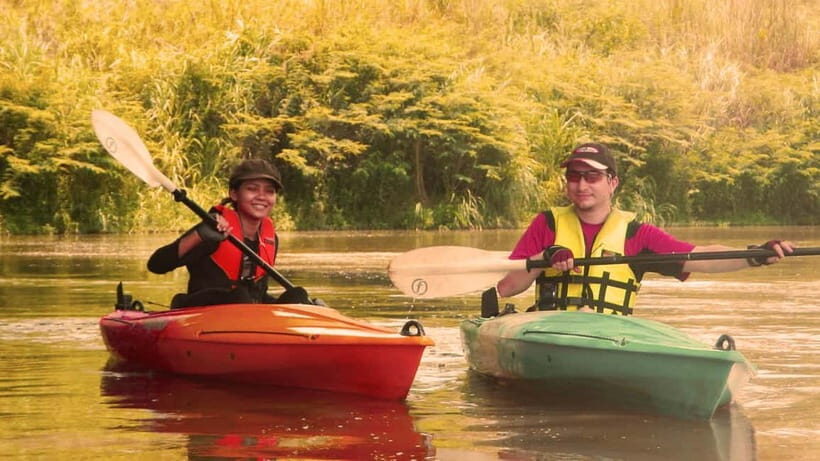
Your day starts with pickup from your hotel in central Chiang Mai. The main transport is an air-conditioned van, with 4×4 SUVs for smaller groups. From there, you’ll transfer toward the paddling area with a mix of driving legs that total about 1 hour after an initial short ride.
Once you reach the start area, the schedule tightens up. You’ll do a safety briefing first, then head into the kayak training and orientation. The paddling portion itself runs about 3 hours, beginning around Chur Lare Bridge. That matters because it frames the day: you’re not just dropped into the river for a quick spin. You get time to learn your kayak setup, then you paddle long enough to feel like you actually went somewhere.
One detail I appreciate for planning: the day is listed as wheelchair accessible. The route involves getting into kayaks and being on the river, so I can’t promise how easy it will be for every situation, but it’s at least something the operator states. If you need specific accommodations, it’s worth asking directly before you go.
Safety Briefing and Kayak Skills: You Control the Boat
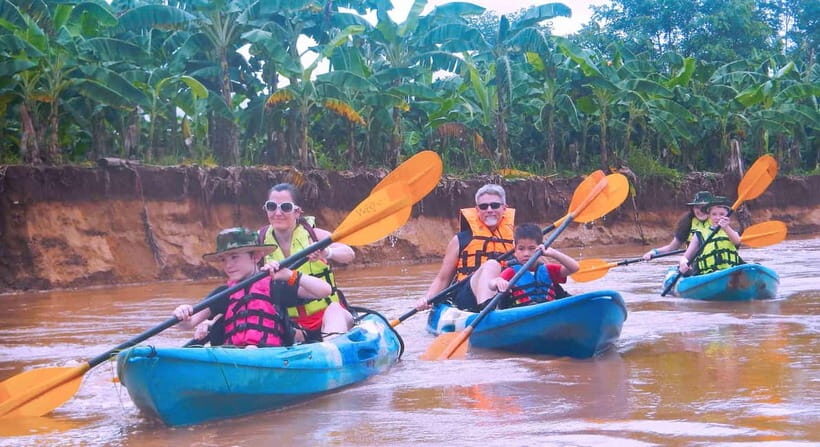
Before you push off, you’ll get guidance from professional instructors. The team includes instructors certified in first aid and CPR, and you’re guided by Chiang Mai’s No.1 Professional Kayaking guides (their team branding, as listed).
You’ll start with paddling instructions and then a short practice period so you can get comfortable in a single or double kayak. The overall vibe is: safety and calm. You aren’t expected to “figure it out” mid-river.
A fun and useful bonus is that you’ll get a Google Earth orientation plus a kayak briefing at the pro-shop. Even if you’re not a tech person, it helps you connect what you’re seeing on the ground with where you’re headed on the water. When you understand the plan, you spend less mental energy worrying and more time watching the river.
You also should know the simple principle: you’re the captain of your own boat. That sounds obvious, but it changes the feeling of the day. Instead of being dragged along by someone else’s pace, you set your effort and relax into the strokes you’re comfortable with.
Paddling the Ping River: Birds, Fishermen, and Real River Life
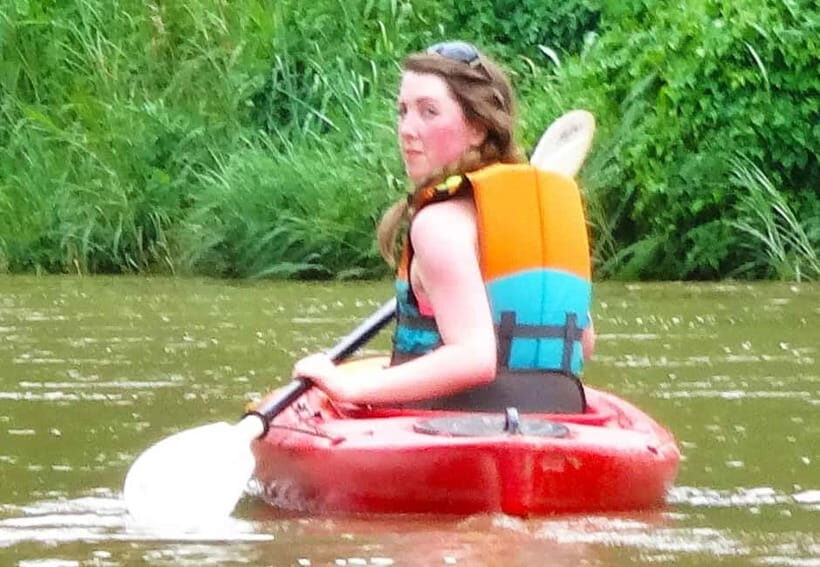
After training, the river experience begins. You float through sections associated with Mae Taeng Forest, and part of the charm is the lack of modern civilization. Instead of seeing roads or buildings at every turn, you’re more likely to notice the details of rural river life.
Here’s what to look for as you paddle:
- Fishermen sometimes casting nets from the bank
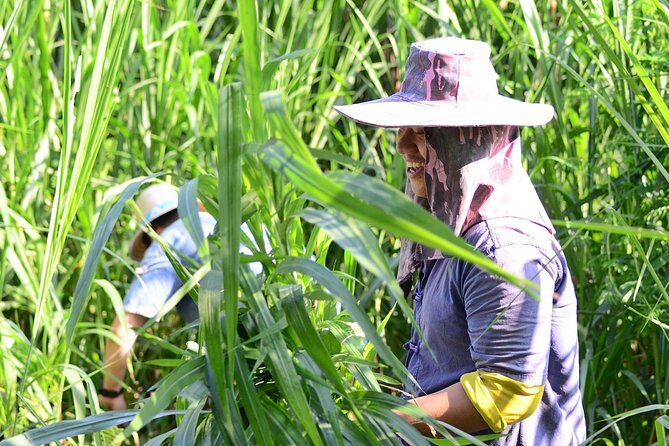
- Farmers moving and tending water buffaloes
- Native and migrating birds that thrive in the protected region
I like that these aren’t forced “scenes.” You’re not stopping every ten minutes just for a photo moment. You can paddle at an easy pace and still catch surprises when the timing is right.
Another highlight is the chance to swim in clean river water. That’s not something I’d treat as guaranteed at all times, but it’s part of what the experience is built around. If you bring extra dry clothes (you should), you can treat it as an option rather than a risk.
Paddling itself is also part of the scenery. On a calmer river day, your attention drifts naturally. You start noticing how tree cover changes the light, how the bank curves, and how your strokes feel when you slow down. It’s one of those experiences where the “work” is minimal, but the payoff is emotional—less stress, more presence.
The Riverbank Lunch Stop at Heuan Bua Chan Fresh Coffee
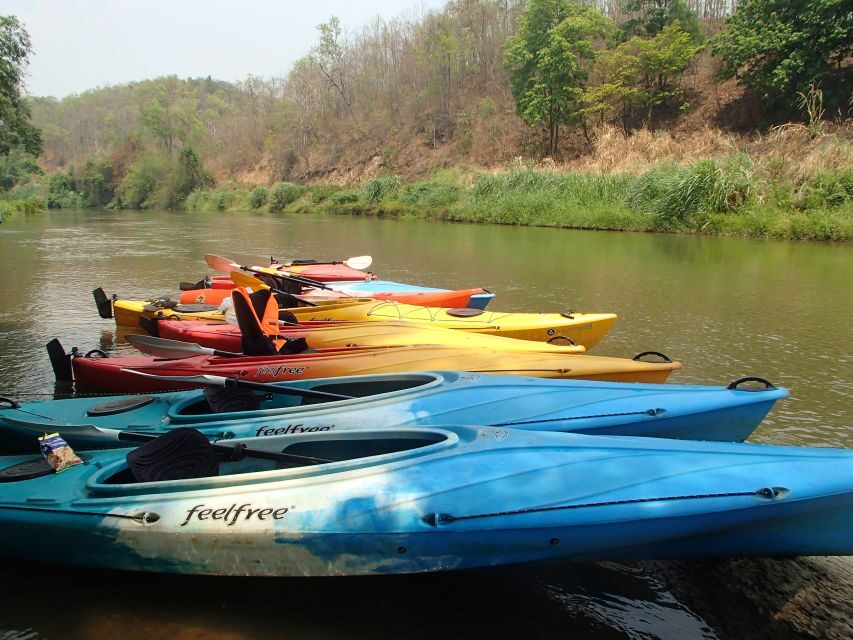
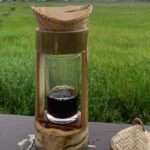
Midday you’ll stop for lunch on the riverbank at เฮือนบัวจันทร์กาแฟสด (Heuan Bua Chan Fresh Coffee). The lunch timing is about 1 hour, which gives you more than just a quick bite.
One reason this stop works is the setting. Eating near the water keeps the day from feeling like a break in the middle of travel. You can stretch, cool off, and reset your energy while the river stays the background soundtrack.
Lunch is provided with vegetarian and vegan options. It’s at the Mango Plantation Restaurant (as listed), so you’ll have that clear confirmation on what’s available.
After lunch, you continue paddling toward the final destination in the Mae Taeng Forest Reserve. The shade becomes part of the rhythm—paddling, then drifting under overhanging trees where the air feels cooler and quieter.





Mae Taeng Forest Reserve: Where Shade Changes the Mood
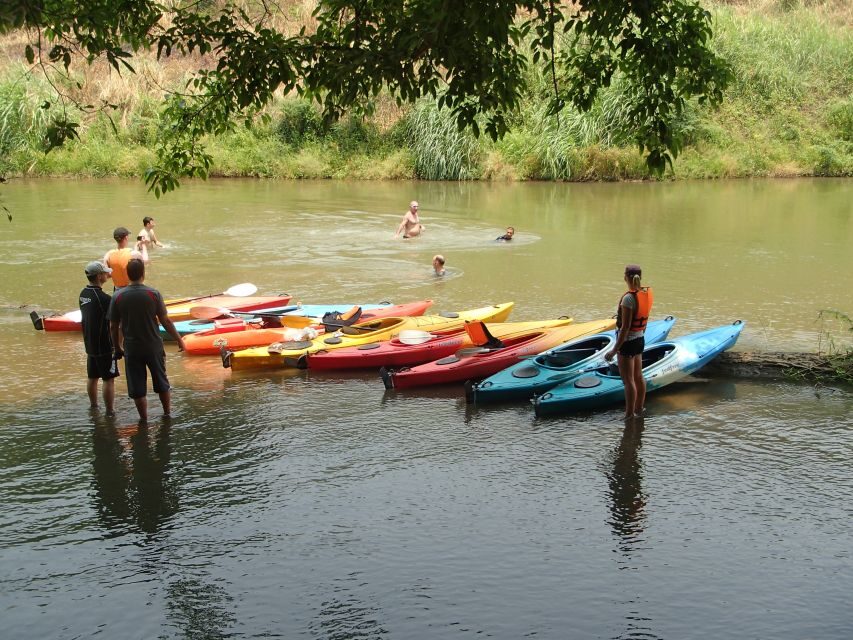
The last segment is where this day often turns from “nice outing” into “I’m glad I came.” The Mae Taeng Forest Reserve end point features a canopy of overhanging trees that offers shade.
That canopy effect matters more than you might think. It changes how long you’ll want to stay on the water, how tired you feel, and how much you notice what’s around you. In full sun, your attention gets pulled toward heat management. Under shade, you can actually watch the bank details: birds on branches, patterns along the waterline, and the way the forest edge feels alive.
If you’re sensitive to sun, this is another reason to bring your sunscreen and cap even if you expect shade—because the day includes training and paddling time before you reach the more shaded final zone.
Also, keep a flexible mindset about distance. One booking feedback example noted they only did about half of the 15 km. That doesn’t mean anything is broken—it may reflect real-world conditions, timing, or how the route is run that day. If 15 km is a hard requirement for you, assume it could vary.
Gear, Support Truck, and the Little Comforts That Help
The equipment is part of the value here. You’ll use top-quality hard-shell single or double kayaks, with a guide escort to help you keep control.
If you worry about your stuff getting soaked, there’s a helpful system: a support truck follows the route and includes secure storage for your valuables. That means you’re not forced to awkwardly hold everything on your lap for hours.
You’ll also have hydration covered. Water for hydration packs and bottled water are available throughout the event. That’s a practical detail that often separates a smooth day from one where everyone feels worn out.
Transportation also helps. An air-conditioned van isn’t just comfort—it’s energy management. After kayaking, you’ll appreciate not having to sit in heat for the return leg.
One more thing I respect: the day is organized enough that you can focus on kayaking rather than logistics chaos. From pickup to practice to paddling to lunch to return, it flows like a planned outing instead of a grab-bag tour.
Price and Value: What You’re Really Paying For
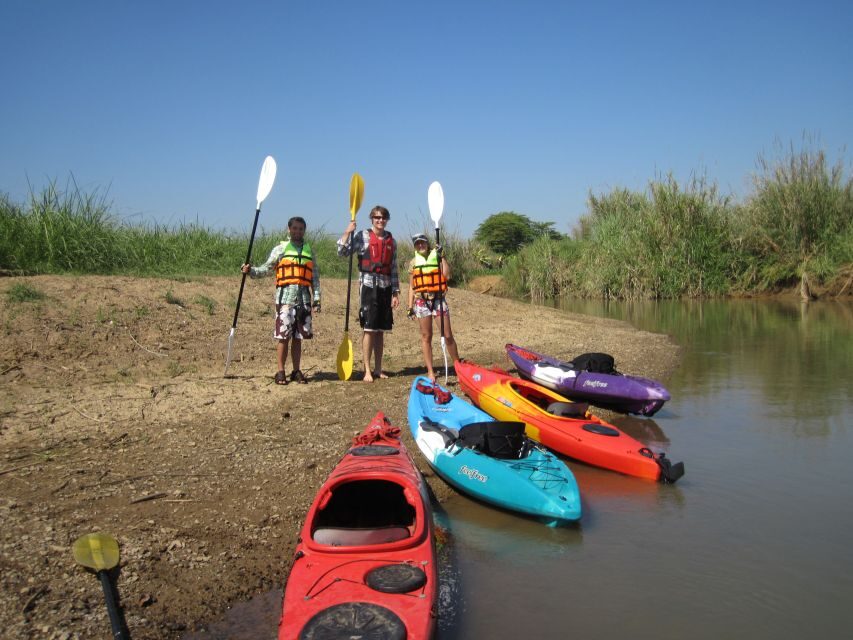
At $62 per person for a 1-day experience, you’re paying for more than a kayak rental. Your cost covers:
- Professional escort and safety briefing
- Hard-shell kayaks (single or double)
- Lunch with vegetarian and vegan options
- Transport from central Chiang Mai by van/SUV
- Hydration support
- A support truck that follows for secure storage
What’s not included is important: the river fee and insurance (150 baht). You’ll want to have passport details available at check-in. That extra cost is modest compared to the overall package, but it’s still real money—so budget for it when you calculate your total trip costs.
So is it good value? For me, the “yes” is based on risk reduction and structure. With trained guides, first aid/CPR coverage, and a support truck, you get a calmer experience than DIY kayaking—especially if it’s your first time. If you want a simple nature day without turning it into a project, this is priced in a way that makes sense.
What to Pack: Avoid the Wet-Clothes Regret
This trip is short, but the water is real. Bring:
- An extra set of dry clothes
- Sunscreen
- A cap
You’ll also want to plan for getting splashed during paddling and any swim opportunity. The “extra dry clothes” tip is the kind of thing you only fully appreciate after you’re already wet, so do yourself a favor and pack early.
If you’re traveling light, think of the dry clothes as your after-kayak insurance. You’ll thank yourself on the drive back to Chiang Mai.
Who This Kayaking Trip Suits Best
This is a strong fit if:
- You want unspoiled nature without rough conditions
- You’d like to see rural riverbank life (fishermen, farmers, buffaloes)
- You’re okay with a calm pace and want time to watch birds
- You prefer guided comfort over self-planning
It’s also a good choice for mixed skill groups. Even if you’re new, you get practice and instruction before you paddle for real. And if you already kayak, you may still enjoy the structure—especially the way the day is paced around lunch and the shaded end point.
On the flip side, if you’re chasing a specific athletic target—like completing exactly 15 km no matter what—keep the possibility of shorter distance in mind. Nature days can shift, and this one may adjust to match conditions and timing.
Should You Book This Chiang Mai River Kayaking Day?
Book it if you want a guided, low-stress way to experience the Mae Ping and reach the Mae Taeng Forest Reserve with proper safety support, solid gear, and a real lunch stop. The combination of rural scenery, bird watching, and a shaded end segment makes it feel like more than a simple paddle.
Skip it or ask extra questions before you commit if completing the full 15 km is non-negotiable for you, or if you have specific accessibility needs that might be impacted by getting into and out of a kayak.
FAQ
How long does the kayaking experience take?
The experience runs for 1 day, with about 3 hours of kayaking during the main river segment.
Where do you pick me up in Chiang Mai?
Pickup is included from your hotel in Chiang Mai city center.
What happens before we start paddling?
You’ll receive paddling instructions and a safety briefing, then practice briefly so you can learn how to kayak before starting your river adventure.
Do I use a single or double kayak?
You’ll be provided with top-quality hard-shell single or double kayaks, depending on what you choose and how the group is set up.
What languages do the instructors speak?
Instructors guide the activity in English, German, and Thai.
Is lunch included, and is it suitable for vegetarians or vegans?
Yes. Lunch is included, and vegetarian and vegan options are available at the Mango Plantation Restaurant.
What fees are not included?
The river fee and insurance are not included. The additional cost is 150 baht, and you’ll need passport details available at check-in.
What should I bring?
Bring an extra set of dry clothes, sunscreen, and a cap.
Is there free cancellation and reserve & pay later?
Yes. You can cancel up to 24 hours in advance for a full refund, and you can reserve now & pay later.
Is this activity wheelchair accessible?
Wheelchair accessibility is listed for this experience, but you should still consider how getting into the kayak and being on the river will work for your specific situation.