REVIEW · CHIANG MAI
Half-day with CHIANGMAI ELEPHANT CARE program (12pm-6pm.)
Book on GetYourGuide →Operated by CHIANGMAI ELEPHANT CARE_ · Bookable on GetYourGuide
Elephants up close can be tricky. This half-day at Chiangmai Elephant Care feels calm and ethical, with hands-on elephant care (feeding, touching, and walking) plus plenty of explanation. One thing to consider: the schedule starts at noon and includes a long drive each way, so this is not a good fit if you want a quick, no-logistics morning.
I like that the day is built around the elephants’ comfort first. You get hotel pickup around 12–12:30, a drive to the Maetang area, and a structured flow that moves from briefing to lunch to interaction—no chaos, no rushing. Guides like Tong Cruise and Ford show up in the stories with the same theme: you leave with clearer facts about elephants and Thai elephant culture, not just photos.
Because the program says activities are based on the elephants’ happy mood, some parts may shift. For example, elephant bathing might be skipped if weather or conditions aren’t right, and that’s actually a good sign the staff isn’t forcing it.
In This Review
- Key things I’d mark on your map
- The 12pm-6pm flow and the Maetang drive
- Arrival at Chiangmai Elephant Care: uniforms, lunch, and the do-not-do briefing
- The elephant interaction block: feeding, touch, walking, and learning in plain language
- Making herbal medicine balls: a hands-on care task, not a gimmick
- River bathing and brushing: when it happens and when it won’t
- Tour guides and the small-group feel: Tong Cruise and Ford
- Value check: what $54 buys you (and why it feels fair)
- Who should book this and who should skip it
- Quick tips so your day feels smooth
- Should you book Chiangmai Elephant Care?
- FAQ
- What time is pickup for this half-day tour?
- How long does the tour last?
- Where is the sanctuary located?
- Is lunch included?
- What elephant activities are included in the experience?
- Do you bathe the elephants?
- How much does it cost, and what’s included in that price?
Key things I’d mark on your map
- Hotel pickup at 12pm-ish: you’re collected from your hotel lobby and whisked to the Maetang area.
- Uniforms + clear elephant rules: you change into provided gear and get told what to do and not do.
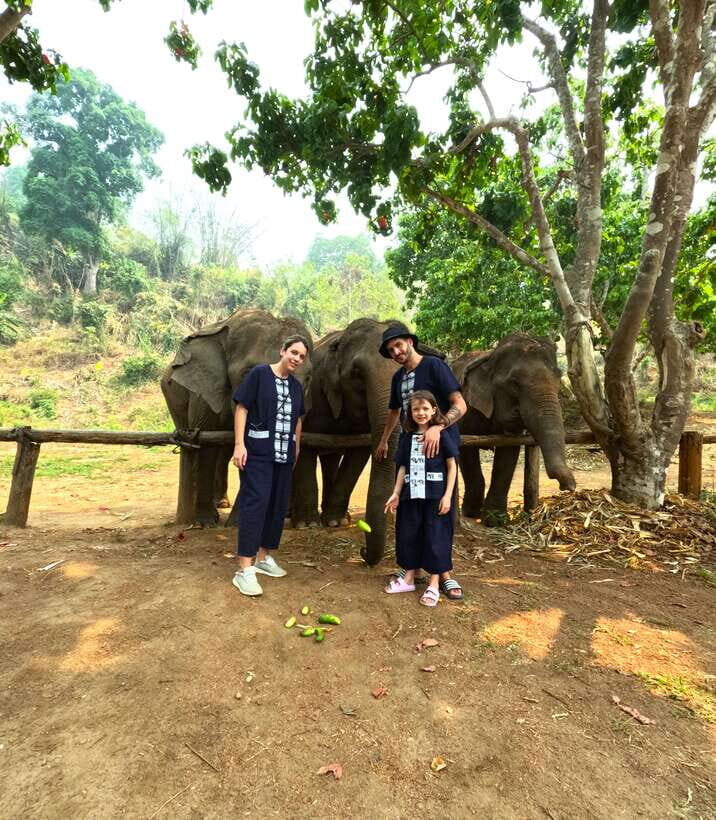
- 2 hours of close interaction: feeding, touch and pat, observing, and walking with photo time.
- Hands-on herbal medicine balls: you’ll help make a digestion-support “supplement” ball.
- River bathing and brushing (sometimes): scheduled, but tied to the elephants’ comfort.
- A real half-day rhythm: shower, change clothes, then back to the city around/before 6pm.
The 12pm-6pm flow and the Maetang drive
This tour runs 6 hours, but it doesn’t feel like a “tour that starts and ends at the camp.” It starts in your hotel lobby. Pickup is typically around 12:00–12:30, and the ride can include stops for 2–3 hotels since it’s a shared join tour. Plan for that: you might not be the first in the van.
The drive to the Maetang area is about 80 minutes to 1 hour 15 minutes one way. That matters because it frames the whole experience. When you arrive, you’ll have the mental shift from city time to animal time, and you’ll be ready for lunch and the briefing without feeling like you’re sprinting.
For your bearings, the tour info provides a Google Maps pin: 7MCWQXJC+63W. Even if the normal plan is hotel pickup, I still like having a reference point in case you need to confirm the area.
Return pickup timing is around or before 6pm. So this works well as an “activity day” that still leaves you energy for dinner and an evening walk in Chiang Mai—assuming you’re not too wiped from the midday start.
Practical note: since bathing may happen later in the day, bring yourself with the expectation that you might end up wet or needing a change. The camp includes shower and changing facilities as part of the flow.
You can also read our reviews of more tours and experiences in Chiang Mai

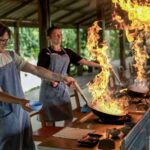
Arrival at Chiangmai Elephant Care: uniforms, lunch, and the do-not-do briefing
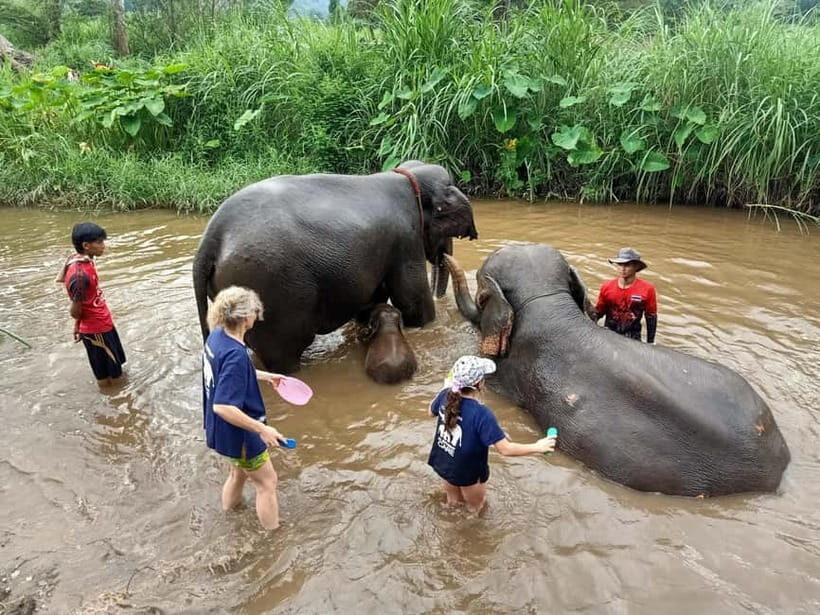
When you reach the camp, the first step is getting you into the right setup. You change into provided uniforms for the activities. That’s more than convenience—it helps keep the interaction consistent and reduces the odds that someone shows up with the wrong gear or clothing for close contact.
Next comes lunch, and it’s not a sad add-on. You’ll get about 30 minutes for a home-cooked lunch plus fruits and drinking water. The tour is designed so you’re fueled before the elephant interaction, which is smart. Elephant days can get long, and you don’t want the “I’m hungry” problem showing up mid-briefing.
Then the staff introduces what you’ll do and—just as important—what you should not do with the elephants. This is the part that helps the whole visit feel respectful. The program is explicit that elephant activities are done based on their happy state, so your job is to follow the guidance and read the situation rather than forcing your own pace.
I also like that the day is structured. You’re not dropped into a random enclosure with a guide who’s half-speaking over noise. You get the basic rules up front, then you enter a 2-hour interaction block where you actually know how to behave.
This order matters: lunch first, expectations second, then interaction. It keeps you present for the animals instead of thinking about what comes next.
The elephant interaction block: feeding, touch, walking, and learning in plain language
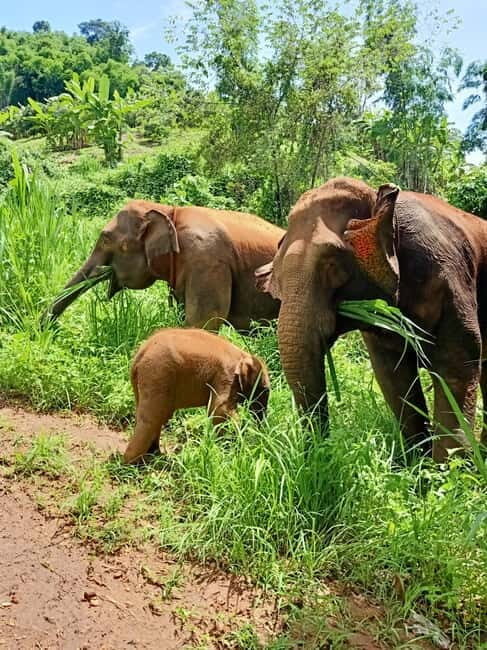
The heart of the day is the guided elephant interaction, about 2 hours. This is where the experience earns its reputation for being more than a quick photo stop.
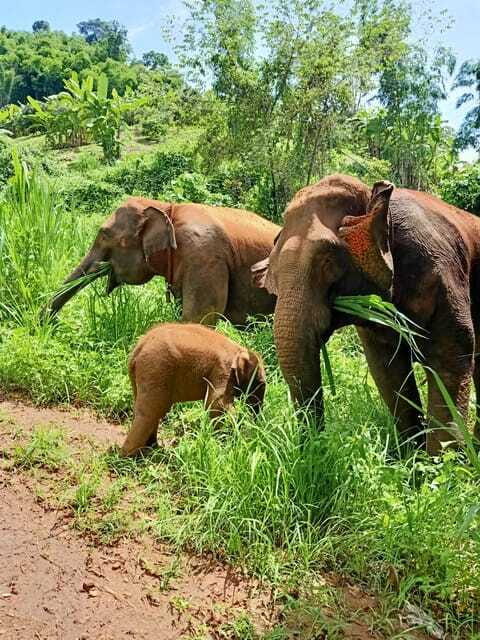
You’ll start with feeding. The program includes foods for elephants, and you’ll feed them closely—plus there’s a strong emphasis on touching and patting. That close contact is the reason people love this style of sanctuary: you’re not just looking from a distance. You’re participating in the daily care routine, with staff guiding the distance and pace.
You’ll also get time for observing and interacting. Part of the value here is education. The day includes information and facts about elephants, delivered by an English-speaking tour guide. People highlight that the guides don’t just talk about facts—they connect elephants to Thai culture and how caretakers think about day-to-day well-being.
Then there’s walking with elephants and photo opportunities. The program doesn’t frame this like a forced “pose.” Instead, it treats the walking as part of shared space—something you do while the elephants move naturally around the grounds.
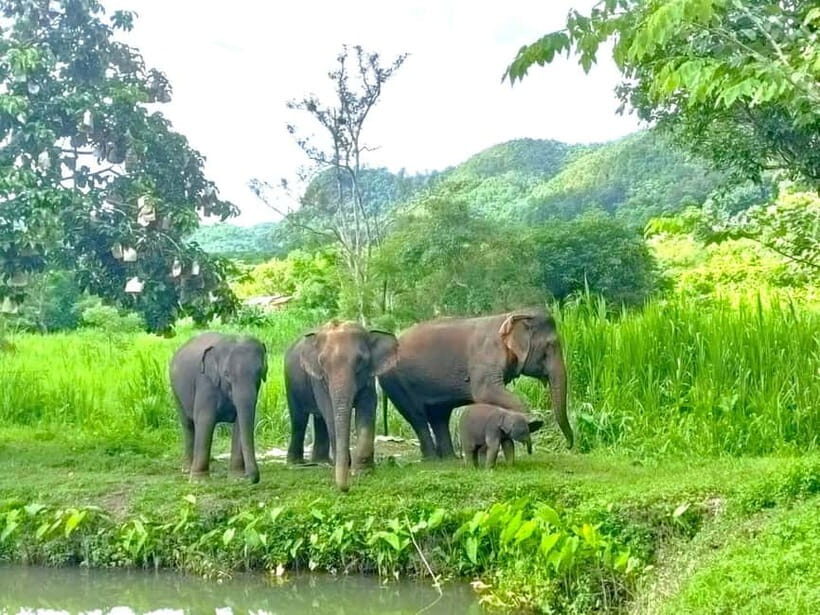
Two elephants-and-keepers details show up in the stories: in one described setup there were two adult females and a baby male, and each elephant had a keeper with them around the clock. That aligns with what the program repeatedly stresses: the interaction is based on the elephants’ comfort, not human control.
What I think you should watch for: when a sanctuary feels ethical, the staff’s energy is calm. The elephants set the pace. If your experience includes gentle guidance and space for the animals to choose what they do, you’re getting the right kind of close encounter.
Making herbal medicine balls: a hands-on care task, not a gimmick
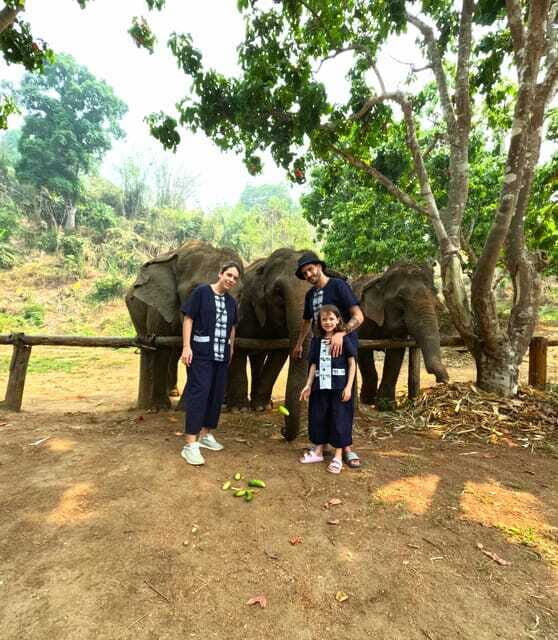
One of the most memorable parts is the activity where you make a supplement herbal medicine ball. You’ll learn how it supports the elephants’ health and digestion, then you help prepare the ball and feed it as part of the routine.
This is the kind of task that turns the day from entertainment into education. You’re not only watching elephants do elephant things—you’re participating in a care step that caretakers use to help their health.
And because it’s “make + feed,” you’re engaged in a focused way. That’s good for adults who want more meaning, and it’s also good for kids who might get bored with long lectures.
The tour description frames it as herbal medicine ball support to keep the elephants healthy. That’s enough information to understand why it exists. You don’t need extra scientific detail to appreciate the purpose: it’s part of responsible feeding and health maintenance.
From the experience stories, the vibe is that staff explain what you’re doing and why, and they don’t rush you through it. If you like practical activities—something your hands do—that alone can be worth the price.
River bathing and brushing: when it happens and when it won’t
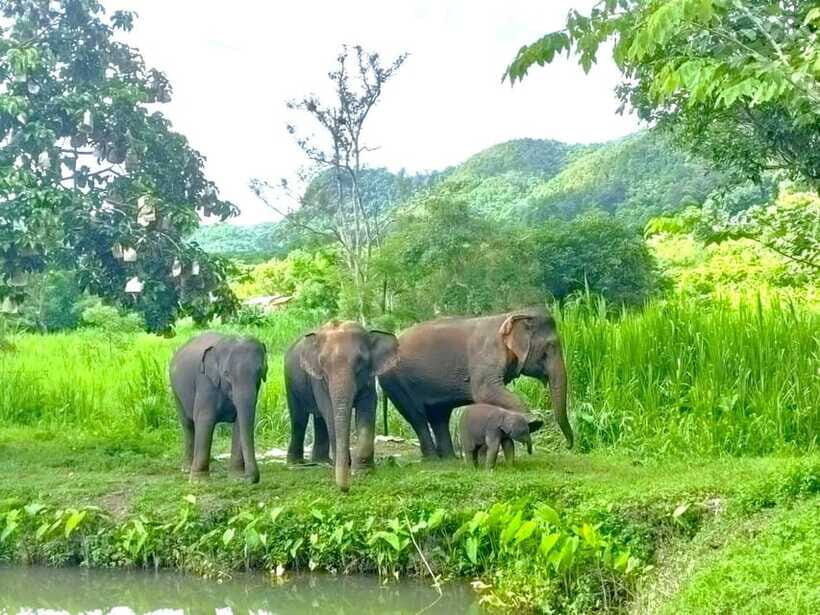
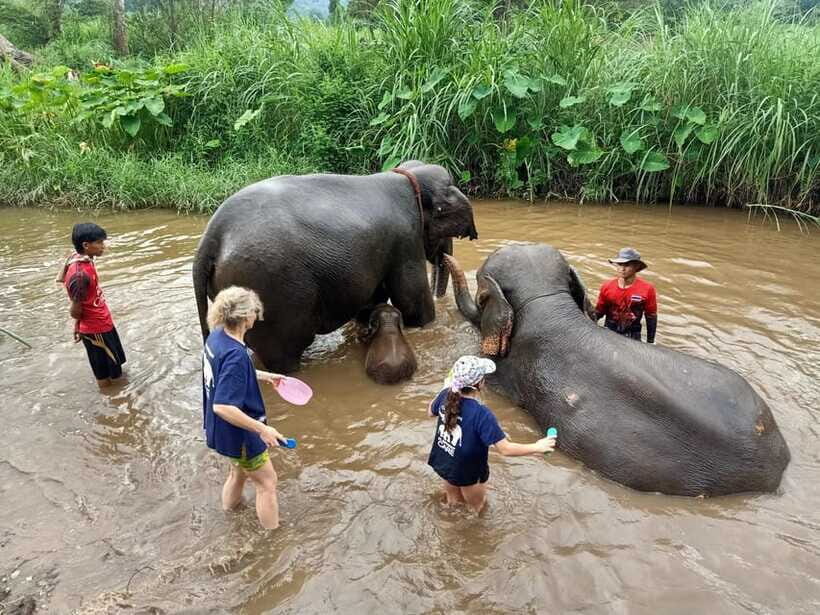
Yes, the itinerary includes elephant bathing in the river. The plan is to bathe and brush the elephants in the river as part of the day’s flow.
But the program also states a key condition: all elephant activities are based on their happy. That means bathing can be skipped if the elephants don’t want it or if conditions aren’t suitable. In one example, rain earlier in the morning meant bathing didn’t happen. That might sound like a letdown—until you realize it’s the opposite of a forced show.
So think of bathing as included, but not guaranteed. Your odds are better when the weather cooperates and the elephants seem receptive. Either way, you’ll still do the other care activities: feeding, herbal medicine balls, observing, and walking.
If bathing does happen, plan for wet time. The camp also includes facilities to take a shower and change clothes later, which helps you feel human again before heading back to the city.
There’s also something psychologically important about this segment. The bathing isn’t just “look how cute.” It’s part of keeping elephants clean and cared for, and it shows you how routines work in a sanctuary-style setting.





Tour guides and the small-group feel: Tong Cruise and Ford
The experience is guided in English, and guide quality comes up again and again. Names you’ll see in the stories include Tong Cruise and Ford, both praised for energy and for making the information click.
What matters isn’t just that the guide can talk. It’s how they connect elephant behavior to real-life care. In the stories, people mention feeling educated not only about the elephants but also about culture. That’s a big difference between a “watch elephants” trip and a “understand elephants” trip.
Small-group time also helps. When you’re not fighting for attention, you can ask questions. Some experiences describe having plenty of time to learn and clarify what the elephants eat, how they behave, and how caretakers respond to them.
If you’re the kind of traveler who hates being rushed—this style tends to be gentle. The guide keeps the day moving, but the elephant interaction stays grounded in calm behavior and consent-based activity flow.
Value check: what $54 buys you (and why it feels fair)
At $54 per person, this is one of those tours that can feel either expensive or fair—depending on what you compare it to.
Here’s what you actually get for that price:
- a ticket to enter Chiangmai Elephant Care
- an English-speaking tour guide
- foods for elephants
- uniforms for the activities
- day tour insurance
- home-cooked lunch plus fruits and drinking water
- pickup and return transport (shared join tour)
When you total those pieces, the value makes more sense. You’re paying for a guided, structured experience plus included meals and transport, not just “entry” to a yard with elephants.
Also, the transport is described as highly rated, with 100% perfect scores from reviewers. That’s not a small detail. On animal-focused days, reliable transport can make the schedule feel smooth instead of stressful.
And the other hidden value is time structure. You’re in the interaction block for about 2 hours, not 15 minutes. You make herbal medicine balls. You’re taught rules. You get to bathe/brush when conditions allow. That adds up.
Balanced take: this is not a “sit in a car, then touch one elephant for 30 seconds” experience. You’ll spend real time learning, interacting, and following care guidance. If you want a quick hit of photos only, you might feel it’s more work than you expected.
Who should book this and who should skip it
This tour is a strong match if you want an elephant encounter that feels centered on care. It’s also a good choice if you’re traveling with kids, since some stories mention children enjoying the day in a secure, non-chaotic environment.
It’s also ideal for people who care about ethics and can appreciate a setup where elephants aren’t pushed into constant performance. The program’s wording and the described experience emphasize a “happy first” approach—meaning staff guide the experience without forcing the animals into unnatural behavior.
Where it may not fit:
- If you hate long vans, the 80-minute to 1h15 drive each way will be the hardest part.
- If you’re very set on guaranteed river bathing, remember it can be skipped depending on conditions and elephant comfort.
- If you prefer a full-day itinerary packed with multiple stops, this is strictly a half-day format.
If you’re deciding between this kind of sanctuary-style half-day and a more generic elephant stop, you’ll likely appreciate the added education and care activities here.
Quick tips so your day feels smooth
You can’t control the elephants’ mood, but you can control your readiness.
- Wear clothes you’re okay getting wet in case river bathing happens.
- Listen carefully during the briefing about what you should do and what you should not do. That briefing is part of why the experience stays respectful.
- Give yourself a buffer for the shower and changing time before heading back to the city.
- If you’re curious, ask questions during the education parts—this tour is designed for learning, not just watching.
And don’t underestimate the midday start. Plan your morning in Chiang Mai so you’re not rushed into pickup.
Should you book Chiangmai Elephant Care?
I’d book this if you want a close elephant experience with a calm, care-based rhythm: feeding, touching and patting, walking, and the herbal medicine ball activity, plus bathing when conditions allow. The combination of included lunch, transport, guide, and insurance makes the $54 price feel more like a full half-day package than an extra-cost add-on.
Skip it if you need a guaranteed “every activity, no changes” plan, or if you’re hoping for a short, low-effort photo session. The day is gentle and structured, and that works best when you’re willing to follow the flow and trust the elephants’ pace.
If your priority is ethical interaction and real learning, this program fits that goal.
FAQ
What time is pickup for this half-day tour?
Pickup is usually around 12:00–12:30 from your hotel lobby. It may include stops at 2–3 hotels since it’s a join tour.
How long does the tour last?
The total duration is about 6 hours, running from 12pm to 6pm.
Where is the sanctuary located?
The tour information provides a Google Maps reference point: 7MCWQXJC+63W. The drive takes you to the Maetang area.
Is lunch included?
Yes. You get a home-cooked lunch plus fruits and drinking water, with about 30 minutes for the meal.
What elephant activities are included in the experience?
You’ll do elephant interaction time that includes feeding, observing, touching and patting, and walking with photo opportunities. The program also includes making herbal medicine balls.
Do you bathe the elephants?
Yes, elephant bathing and brushing in the river is part of the plan, but it follows the elephants’ happy state, so it may not always happen depending on conditions.
How much does it cost, and what’s included in that price?
The price is $54 per person. Included are the Chiangmai Elephant Care ticket, an English-speaking guide, elephant foods, uniforms, day tour insurance, home-made lunch, fruits, and drinking water, plus pickup/return transport.