REVIEW · CHIANG MAI
Half Day tour Suan Dok Temple, Umong temple & Doi Suthep Temple
Book on Viator →Operated by AP Good@travel · Bookable on Viator
Three temples, one focused half day.
This route is a smart way to understand Chiang Mai Buddhism, because you get Wat Suan Dok’s relics plus the quieter Wat Umong tunnels and forest meditation before the big finale at Doi Suthep. I like that the pacing is realistic for a 4–5 hour outing, and you’re not just snapping photos—you’re getting the meaning behind what you see. One thing to consider: Doi Suthep is a hilltop stop, so you’ll want comfortable shoes and patience with the climb and traffic around the mountaintop area.
I also appreciate the human scale here. It’s a private tour with your own group, and the guide is English speaking with a TAT license. Plus, pickup and drop-off are included inside the city area, so you don’t burn time figuring out transport.
If you’re sensitive to heat or want a lot of free roaming time, plan for a guided flow. Each temple stop is timed—enough to see the highlights, not enough to wander for hours on your own.
In This Review
- Key Points You’ll Feel Immediately
- Why This Half-Day Temple Trio Works So Well
- A quick note on value
- Wat Suan Dok: Relics, Whitewashed Mausoleums, and a Clear Start
- Possible drawback
- Wat Umong: Tunnels, Forest Meditation, and a Quieter Kind of Awe
- Possible drawback
- Wat Phra That Doi Suthep: The Big Temple, the Meaning, and the Hilltop View Factor
- Why Doi Suthep is the right finale
- Logistics That Actually Matter: Pickup, Transport, Tickets, and What’s Included
- Dress code tip (don’t wing it)
- Food, Drinks, and Halal or Vegetarian Options
- Who This Tour Suits Best
- Should You Book This Temple Tour?
- FAQ
- How long is the Suan Dok, Umong, and Doi Suthep temple tour?
- Is hotel pickup and drop-off included?
- What temples are included?
- Are admission tickets included?
- Does the tour include transportation and a guide?
- Are vegetarian or halal options available?
- What should I wear for the temple visits?
Key Points You’ll Feel Immediately
- Private guide and your own group means you can ask questions as you go, not after the fact
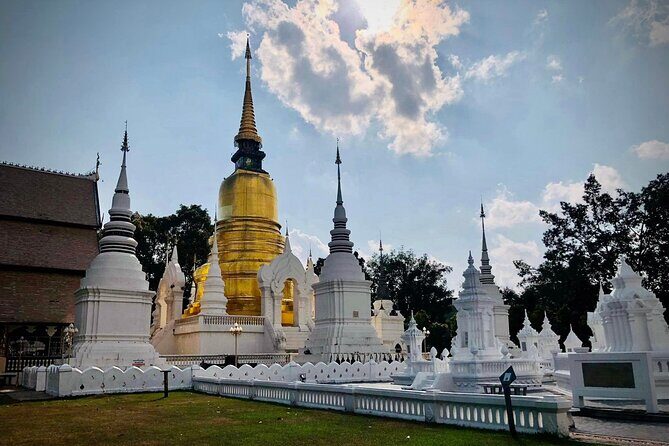
- Wat Suan Dok’s late-14th-century pagoda and relic focus gives you an anchor for the whole day
- Wat Umong’s tunnel statues and the site’s meditation history are a totally different vibe than the main temple areas
- Doi Suthep dates to 1373 and is one of northern Thailand’s most important worship sites
- Tickets, bottled water, and hotel pickup (inside city area) help this tour run smoothly for a fair price
Why This Half-Day Temple Trio Works So Well
A half day in Chiang Mai can vanish fast if you’re bouncing between places on your own. This tour is built around three temples that feel different from each other, but still connected by the Buddhist story. That matters because you’ll understand what you’re looking at instead of treating every landmark like a separate postcard.
The format is practical: private transportation by air-conditioned car or minivan, an English speaking TAT-licensed guide, and admission tickets included at each stop. The time window is about 4 to 5 hours, so it fits neatly between day markets and dinner plans.
You’ll also travel with a driver and guide who handle the busy stuff—where to park, when to move on, and how to keep the day flowing. That’s a big deal on temple days because the area around Doi Suthep can get busy, and getting stuck mid-route is a buzzkill. The tour’s group size is your own, so the experience stays calm and responsive.
You can also read our reviews of more tours and experiences in Chiang Mai.



A quick note on value
At $83.99 per person, this isn’t the cheapest option in Chiang Mai. But when you factor in private transport, a licensed English guide, tickets at all stops, bottled water, and hotel pickup within the city area, the math starts to make sense. You’re paying for speed, context, and fewer hassles—not just entry fees.
Wat Suan Dok: Relics, Whitewashed Mausoleums, and a Clear Start
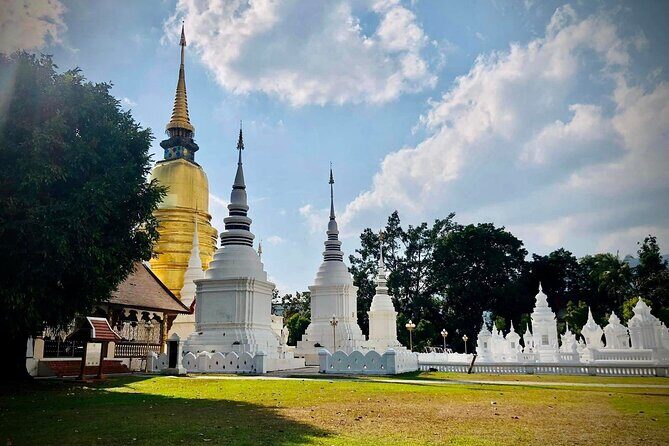
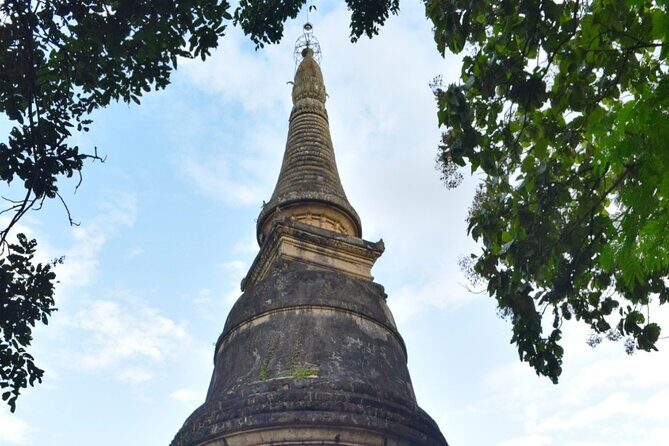
Your first stop sets the tone. Wat Suan Dok traces back to the late 14th century, and it’s more than a pretty temple complex. It’s a place where the architecture and the objects you’ll see are tied to the idea of religious continuity.
This is where you’ll get one of the biggest “why should I care” moments of the day: the temple houses the principal pagoda that enshrines the Buddha’s relics. Even if you’ve seen gold chedis before, the relic focus helps you connect the dots. You’re not only looking at ornamentation. You’re seeing a temple built around reverence and tradition.
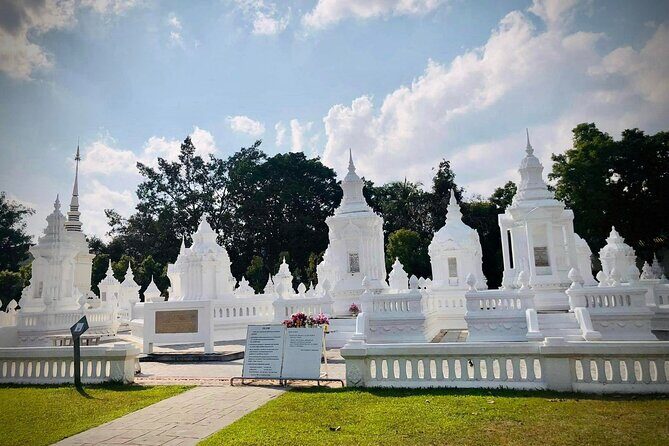
Another detail worth paying attention to: there’s a garden of whitewashed mausoleums within the complex. It’s visually striking and also meaningful. The color and arrangement make the space feel orderly and intentional, which helps you slow down and notice patterns rather than rushing for the next photo.
The best way to enjoy Suan Dok in the allotted time
- Arrive ready to look at the main pagoda area first. It’s the anchor of what makes this temple important.
- Don’t skip the smaller structures. The complexity here is part of the point, and the guide can point out what matters most.
Possible drawback
Suan Dok is a first stop, which means you’ll be at it before you’re fully warmed up to the temple rules and rhythms. Keep an eye on dress requirements right from the start, because the tour expects temple-appropriate clothing.
Wat Umong: Tunnels, Forest Meditation, and a Quieter Kind of Awe
Then you shift gears. Wat Umong doesn’t feel like a typical “tourist temple circuit” stop. This one has a history that explains why it feels a little different in the best way.
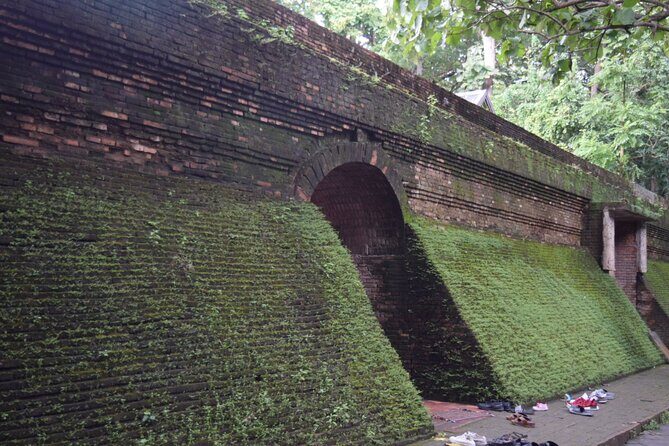
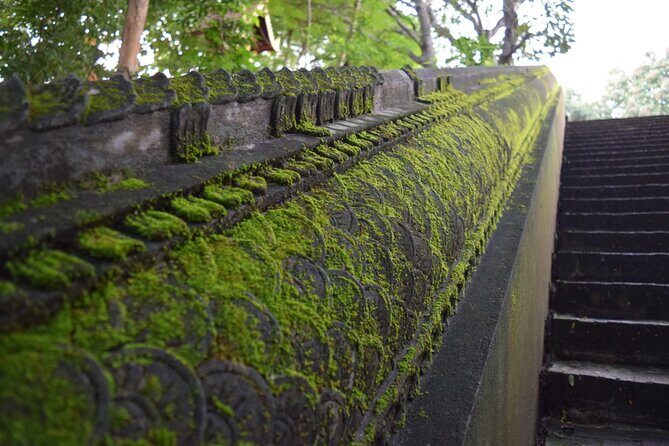
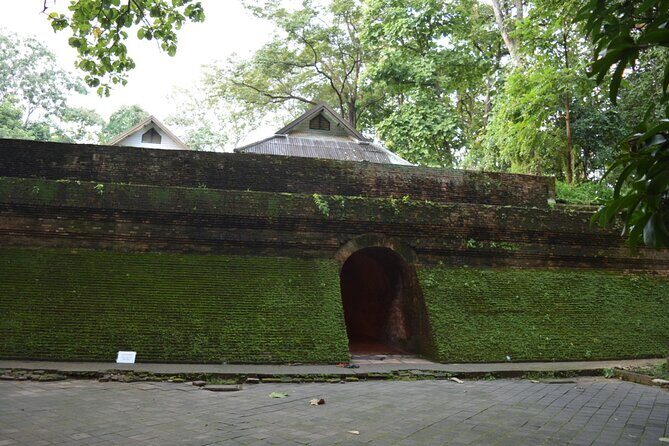
Here’s the key storyline: the temple was abandoned during the 15th century, then restored in 1948 and reopened as a center for meditation and Buddhist teachings. That restoration detail matters because it tells you this place wasn’t frozen in time. It was brought back with a purpose for practicing, not just sightseeing.
And the setting supports that mood. Wat Umong sits in a forested area, so you feel like you’re moving through a calmer pocket of the city rather than a fully open temple square. If you want contrast from the busier city temples, this stop delivers.
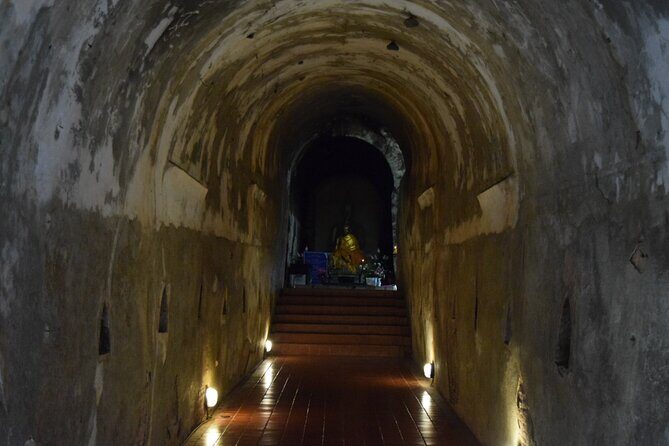
One of the tour’s standout features is what you’ll see in the tunnels and gardens: Buddhist statues positioned within the tunnel setting. It’s a memorable way to experience religious art—more intimate, more atmospheric, and less “look at the main hall” than other temples.
How to get the most out of Umong
- Treat the tunnels like a slow walk. The experience is in the way the statues appear as you move through.
- Ask your guide why the restoration and meditation focus changed the temple’s role. That context makes the statues feel purposeful.


Possible drawback
Because this stop is both forested and timed, you may not get the slowest, longest wandering experience. If you love hours of independent temple exploring, you’ll still enjoy Umong, but you may feel slightly time-pressed.
Wat Phra That Doi Suthep: The Big Temple, the Meaning, and the Hilltop View Factor
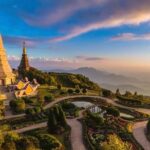
The final stop is the reason most people come to this area: Wat Phra That Doi Suthep. It’s one of northern Thailand’s most important temples, and it sits near the top of Doi Suthep (Mount Suthep).
This temple isn’t just admired for beauty. It’s a living place of worship, and the age gives it weight. The tour focuses on the fact that it dates back to 1373, when the first chedi was built. Knowing that timeline helps you understand why people come here for religious reasons, not only for views.
As for what you’ll actually experience: expect a major temple atmosphere—more scale and more visual impact than the earlier stops. You’ll spend about 1 hour 30 minutes here, which is plenty of time to see the key areas without feeling rushed like a quick drive-by.
Practical advice for Doi Suthep
- Wear shoes you can trust on uneven ground. The hilltop setting can mean slippery steps in some conditions.
- Plan to be flexible with movement. A famous temple area draws crowds and traffic, and you’ll rely on your guide to manage the pacing.
Why Doi Suthep is the right finale
Suan Dok gives you relic context. Umong gives you meditation context. Doi Suthep combines the two into a single major worship destination. By the time you reach the top, the day feels like a guided story rather than a checklist.
Logistics That Actually Matter: Pickup, Transport, Tickets, and What’s Included
This is one of the tours where the small logistics help your day feel calm.
You get hotel pickup and drop-off inside Chiang Mai’s city area, plus private transportation in an air-conditioned car or minivan with a licensed driver. That means you avoid the awkward part of temple travel—trying to coordinate your own route up and down the hill with changing traffic.
Tickets are included for each stop, and you’ll also receive bottled water during the day. There’s travel accident insurance, which is a nice layer of reassurance for any trip that includes getting in and out of vehicles multiple times.
You’ll also get a mobile ticket, and the tour offers group discounts depending on your booking situation.
One detail you should take seriously before you book: you’re asked for passport information—name, number, expiry, and country—for all participants. Even if this is a normal tourist experience, it’s part of their confirmation process, so get your details lined up early.
Dress code tip (don’t wing it)
The tour specifically recommends a T-shirt with short sleeves and long trousers for temple visits. If you show up in shorts, you might have to deal with rental options or restrictions. Save that energy—bring something easy and comfortable.
Food, Drinks, and Halal or Vegetarian Options
This tour includes the temple program and bottled water, but it does not include alcohol or soft drinks. So if you’re the type who likes to have a cold drink during stops, plan to purchase it separately.
The good news: vegetarian and halal options are available if you advise at booking. The key word is advise at booking, meaning you’ll want to request it early so the provider can note it for your group.
Dietary specifics can also be shared in advance, which helps if you have allergies or strong preferences.
Who This Tour Suits Best
I think this tour is a strong fit if you want:
- a guided temple day without long transit headaches
- a mix of major and lesser-known sites (Suan Dok and Umong are the quieter brains of the operation)
- an English guide you can ask questions of, since the focus is on history and Buddhist meaning, not just directions
It’s also a great choice if you’re only in Chiang Mai briefly. With a 4–5 hour time window, you can still do a market, a cooking class, or a night out without feeling like you sacrificed the whole day.
If you’re traveling with someone who likes both culture and photos, this route works because each stop has a different look and feel: relic pagoda vibes, tunnel meditation vibes, and the hilltop worship vibe.
Should You Book This Temple Tour?
Book it if you want a high-structure half day with a private guide, tickets included, and three temples that build a clear story. The best part for me is that the route isn’t just “go see the biggest temple.” It’s Suan Dok first (relics and historical anchors), Umong second (meditation history and tunnel statues), then Doi Suthep (major worship site and skyline importance).
Skip or reconsider if you:
- hate guided time limits and want hours of wandering at one site
- don’t want a hilltop temple element in your schedule
- might struggle with the recommended temple clothing
FAQ
How long is the Suan Dok, Umong, and Doi Suthep temple tour?
The tour runs about 4 to 5 hours total.
Is hotel pickup and drop-off included?
Yes, pickup and drop-off are included if you’re within the city area. Pickup outside the city area is not included.
What temples are included?
You’ll visit Wat Suan Dok, Wat Umong, and Wat Phra That Doi Suthep.
Are admission tickets included?
Yes, admission tickets are included for each temple stop.
Does the tour include transportation and a guide?
Yes. You get private transportation in an air-conditioned vehicle with a licensed driver, and an English speaking tour guide with TAT license.
Are vegetarian or halal options available?
Vegetarian and halal options are available if you advise at the time of booking.
What should I wear for the temple visits?
The tour recommends temple-appropriate clothing, such as a T-shirt with short sleeves and long trousers.