REVIEW · CHIANG MAI
Half-Day Thai Cooking Class on a Local Farm Near Chiang Mai
Book on GetYourGuide →Operated by Smile Organic Farm Cooking School · Bookable on GetYourGuide
Cooking on a Chiang Mai farm feels different. You’ll start with a local market, tour an organic farm outside the city, and then cook Thai classics in a hands-on workshop for a full 6 hours.
I love the practical side: you don’t just eat Thai food, you learn how the flavors get built. I also love the farm touches, like walking through the herb garden and picking seasonal fruit such as longans or mangoes.
One consideration: it’s a 6-hour morning or afternoon experience, so it’s not a quick stop if you’re trying to pack in lots of other plans the same day.
In This Review
- Key highlights at a glance
- From pickup to a market where you learn to shop
- Wandering the organic farm herb garden (this is where the flavor starts)
- Fruit picking season: longans vs. mangoes
- The cooking class: from curry paste to spring rolls
- A quick note on what you’ll taste (and why it matters)
- Pool-side downtime: your farm break after the work
- Price and value: $28 for real skills, not just a meal
- What kind of traveler should book this?
- Little things that make the day smoother
- Should you book Smile Organic Farm Cooking School?
- FAQ
- What dishes will I learn to cook?
- Is the cooking class taught in English?
- Do I pick fruit during the experience?
- Which fruits are picked at different times of year?
- How long is the experience?
- Is hotel pickup included?
- What’s included in the price?
- Do I need to bring anything?
- Is there an option to book and pay later?
- Is free cancellation available?
Key highlights at a glance
- Market start: Learn how to choose ingredients before you ever step into the kitchen.
- Organic herb garden walk: See the plants behind the dishes you’ll make.
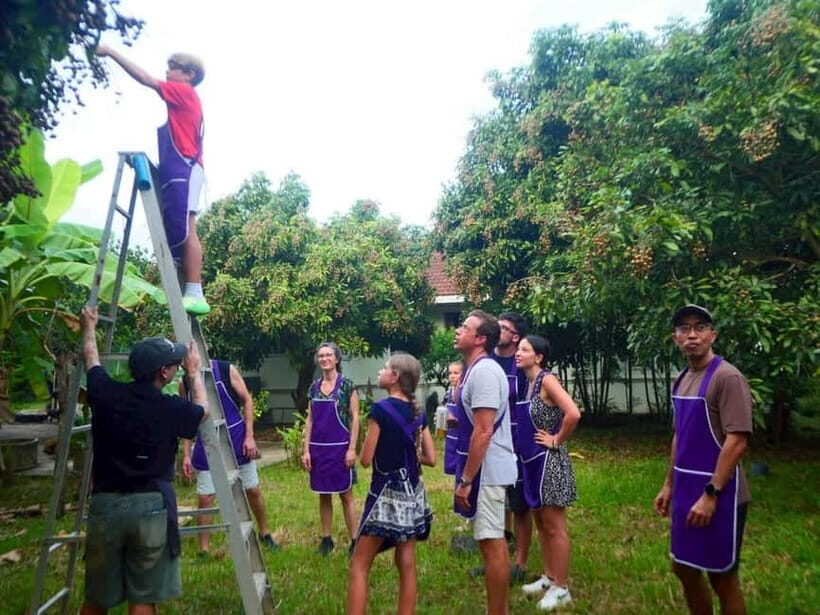
- Seasonal fruit picking: Longans (July–August) and mangoes (March–May), depending on the time of year.
- Real Thai cooking practice: Curry paste, curry, stir-fry, soup, and spring rolls, not just watching.
- Pool-side chill: Relax by the swimming pool after the cooking part.
- English instruction: An English-speaking instructor keeps things clear and hands-on, with support when you need it.
From pickup to a market where you learn to shop
This class runs either a morning session or an afternoon session, and your day starts with hotel pickup. The pickup window is 8:00–8:30am for mornings and 3:00–3:30pm for evenings, and they collect guests within about a 3-kilometer radius of Chiang Mai Old City. That matters because it keeps things low-stress. You show up, you hop in the air-conditioned vehicle, and the day moves.
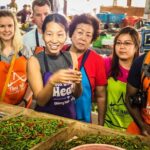
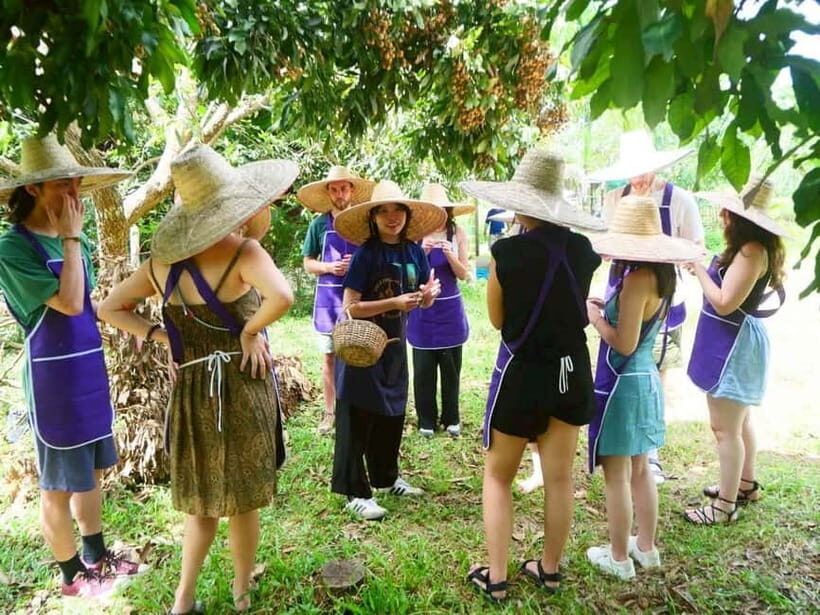
The first real lesson begins at a local market. This isn’t a showy tour. You’ll walk, look closely, and learn what Thai cooking actually depends on—fresh ingredients, smart selection, and the way different items change the flavor of your finished dish. I like this approach because it makes the cooking class more than a cooking class. It turns into an ingredient education you can use later.
If you’ve ever tried to recreate Thai dishes at home and wondered why yours taste “off,” this is where the answer starts. Thai flavor is built early—aroma, balance, and texture—not just from the final sauce.
You can also read our reviews of more cooking classes in Chiang Mai


Wandering the organic farm herb garden (this is where the flavor starts)
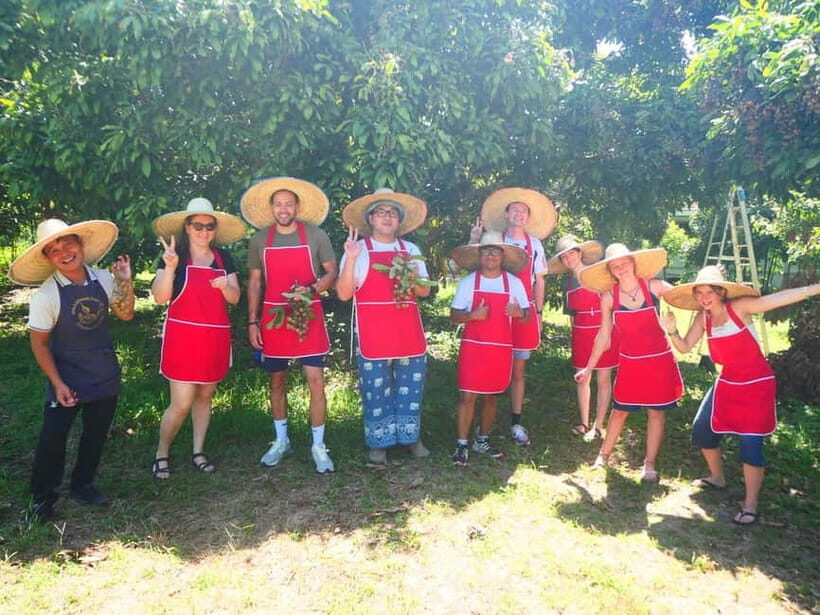
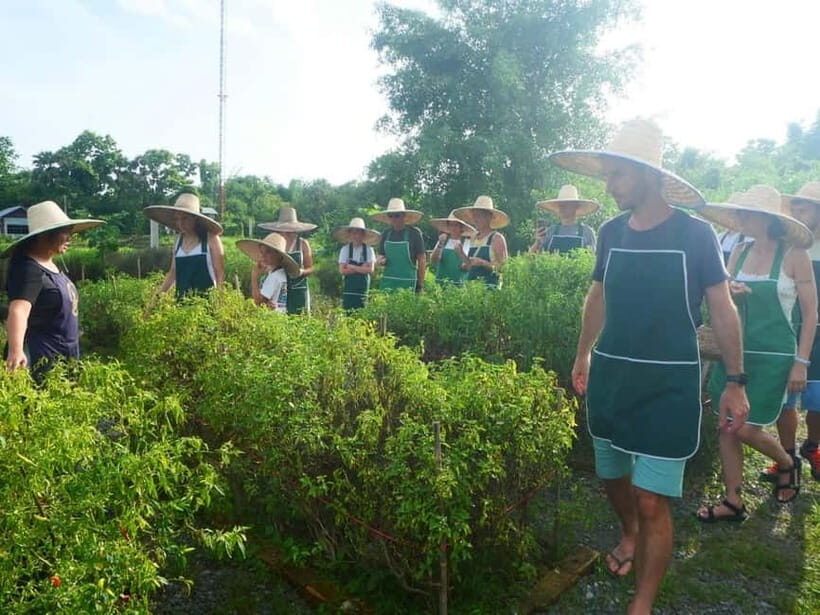
After the market, you head back to the farm for a stroll through the herb garden. This part is short, but it’s worth paying attention to. You’re not just strolling through greenery for photos. You’re seeing the kinds of herbs and ingredients that show up later in the cooking process.
The farm is run as an organic cooking school, and the garden walk helps you connect the dots. When you later crush, chop, and cook, it feels less random. You can almost “see” the plant you used and understand why it tastes the way it does.
A nice perk here is the pacing. You’re not rushed from one step to the next. You get time to look, ask questions, and reset your brain from city market energy to calm farm focus.
Fruit picking season: longans vs. mangoes
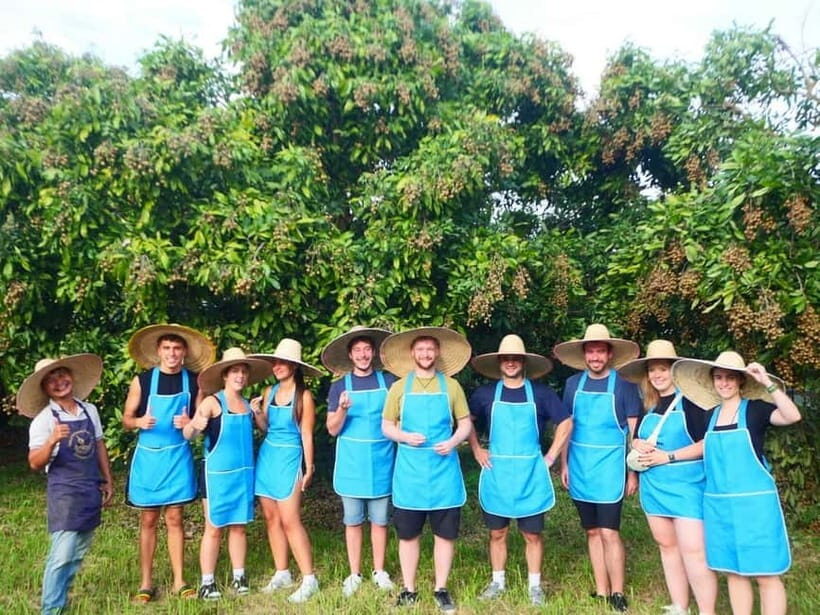
One of the most fun parts is getting to pick fruit directly from the trees. The specific fruit depends on the season:
- Longans (July–August)
- Mangoes (March–May)
Even if you don’t end up using the fruit in the cooking class, the picking itself adds a real sense of place. It also makes you think about seasonality, which is a big deal in Thai cooking. Flavors change with time of year, and Thai cooks work with what’s fresh and available.
If you’re going outside those months, don’t assume you’ll pick the same fruit. But you’ll still be getting the farm experience element—the “this is where ingredients come from” moment.
The cooking class: from curry paste to spring rolls
Now for the main event: the hands-on cooking workshop. This is where you stop being a spectator and become the cook. The class covers a lineup of classic Thai dishes and key Thai techniques, including:
- Curry paste
- Curry
- Stir-fry
- Soup
- Spring rolls
And you’ll also learn standout favorites like Pad Thai and Tom Yum Goong (spicy prawn soup).
Here’s why this approach is so valuable. Thai cooking often starts with a paste or base—something aromatic that sets the tone for everything else. If you learn curry paste properly, you’re not just following instructions; you’re learning how flavors build in steps.
You’ll be working with ingredients provided for the class, so you’re not hunting down Thai staples on your own. And since the instructor teaches in English, you can ask questions and follow along without guessing.
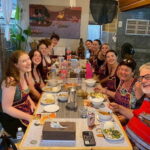
One thing I really take seriously on cooking classes is whether the kitchen work actually feels manageable. Based on how the experience is run—plus how helpful the guide is—you’re not left flailing. A reviewer specifically praised Louna for being friendly, smiling, and helping whenever needed, and that matches the vibe you want from a farm kitchen: relaxed, supportive, and practical.
You’ll likely spend a chunk of your time cooking, tasting, and adjusting. Expect to do more than one dish, and expect the session to feel like a steady run from ingredients to finished plates.
A quick note on what you’ll taste (and why it matters)
Thai flavors aren’t just about spice. You’re balancing salty, sour, sweet, and aromatic notes. Tom Yum Goong is a great example: it’s not only heat. It’s tangy, fragrant, and punchy—made by combining the right sour and herbal elements early.
And Pad Thai isn’t just “noodles with sauce.” If you learn the right approach, it becomes stir-fried with the correct texture and balance instead of a clumpy, syrupy mess. Getting hands-on makes a difference because you see what the food should look like as you cook.
You can also read our reviews of more tours and experiences in Chiang Mai


Pool-side downtime: your farm break after the work
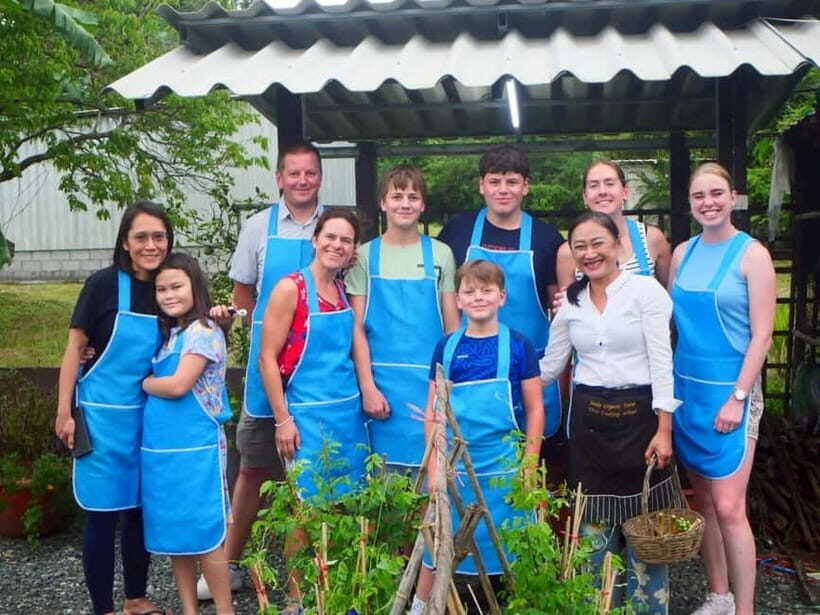
After cooking, you don’t rush out. You get to relax in a chill-out area by the swimming pool. And if you want, you can take a refreshing dip.
This matters more than it sounds. Cooking in the heat can make you feel worn out. Having a quiet reset spot turns the day from “work then leave” into an actual experience. You get to breathe, drink water, and enjoy the farm setting without feeling like you have to keep moving.
If you’re the type who likes a plan but also wants breathing room, this part is a win.
Price and value: $28 for real skills, not just a meal
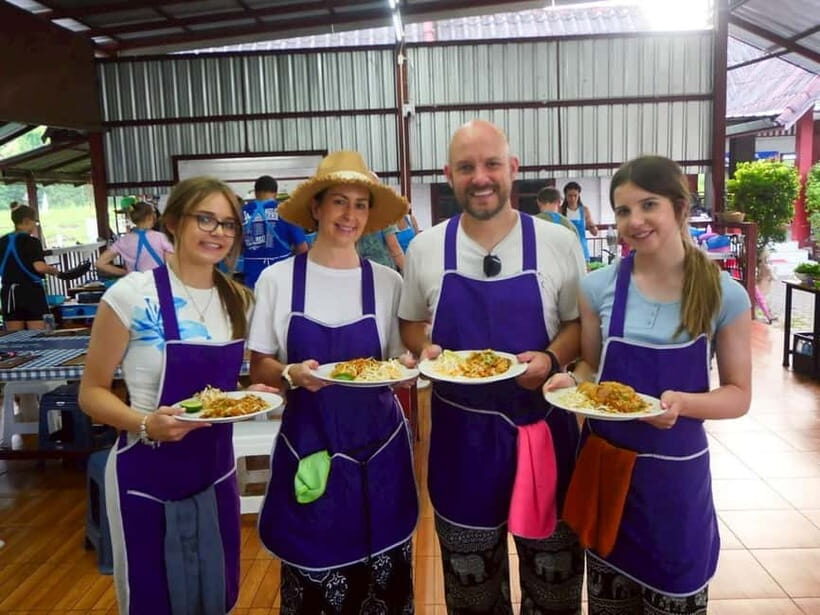
At $28 per person for a 6-hour farm experience, you’re paying for more than the food. You’re paying for:
- market guidance on choosing ingredients
- an organic farm herb walk
- fruit picking from the trees (when in season)
- instructor-led cooking of multiple Thai dishes
- all cooking ingredients
- an e-book with recipes
- a photo album posted on Facebook
That’s the part people often miss: the recipes and photos aren’t filler. The e-book gives you a way to repeat what you learned, instead of leaving with tasty memories but no method. And photos are handy for reminding yourself how the dishes should look as you recreate them.
Transport is included too via an air-conditioned vehicle, and that helps the value feel fair. Local pickups reduce hassle, and the transport feedback is strong, with 92% of reviewers scoring it as perfect.
Is it the cheapest thing you can do in Chiang Mai? Probably not. But it’s also not a “pay $28, eat one meal, done” deal. You’re buying skills, structure, and a farm setting—at a price that stays reasonable.
What kind of traveler should book this?
This experience fits best if you:
- want hands-on cooking, not just dining
- enjoy learning how ingredients work together
- like nature breaks outside the city
- want Thai food with context: where herbs and produce come from
- travel with friends or family who will enjoy active tasks like fruit picking
If you’re a confident cook already, you’ll still benefit from technique practice—especially the curry paste foundation. And if you’re a beginner, the farm kitchen setup and English instruction should help you keep up.
It’s also a good choice if you prefer experiences with a calmer rhythm. It’s not a high-speed sightseeing day. It’s more like: learn ingredients, cook, and relax.
Little things that make the day smoother
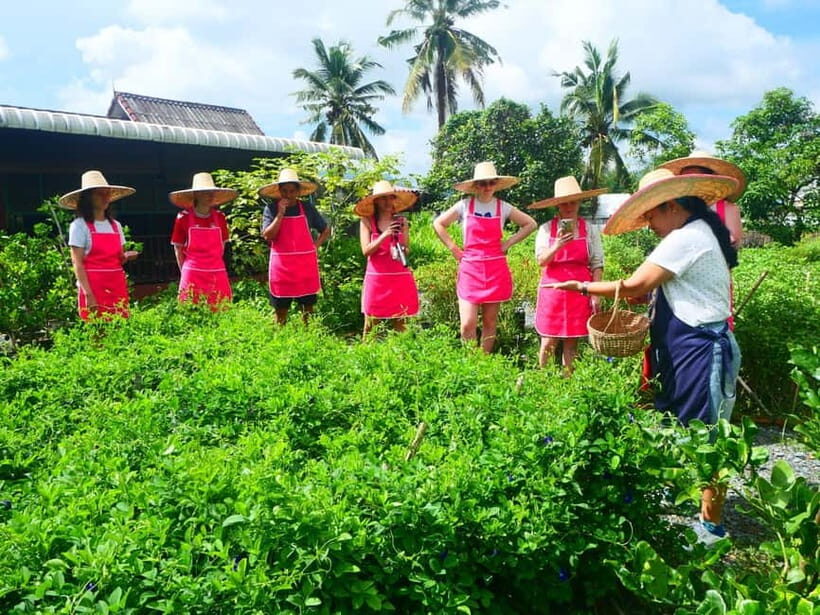
A few details help the day run well in real life:
- You get hotel pickup and don’t have to organize transport.
- You’re provided with all ingredients, which means less prep and fewer “oops” moments.
- You get an e-book recipe set to help you cook again later.
- The guide support style is a strong point, including praise for Louna being supportive and friendly.
These small pieces add up. They keep your day fun instead of stressful.
Should you book Smile Organic Farm Cooking School?
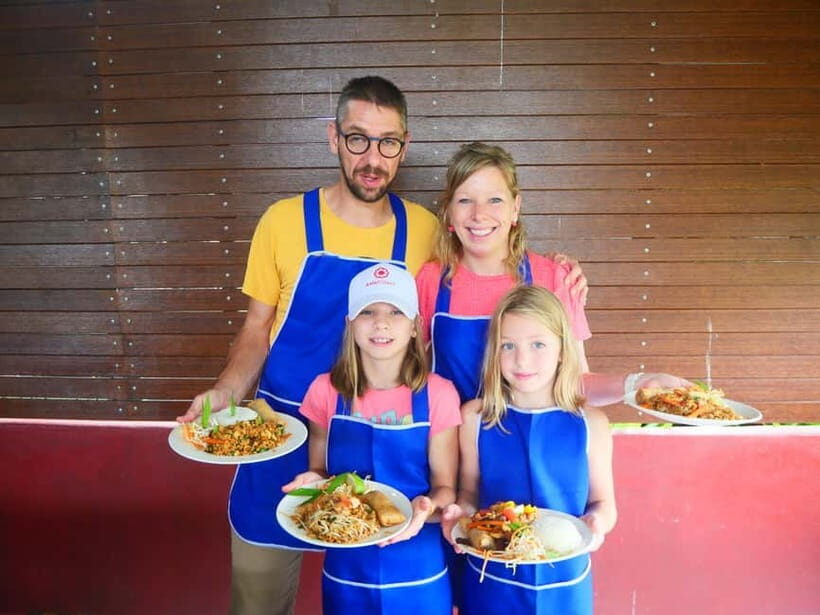
If you want an experience where your hands are busy and your head learns why Thai food tastes the way it does, I’d book this. The combination of market learning, an organic farm herb garden, seasonal fruit picking, and cooking classics like Pad Thai and Tom Yum Goong is a solid mix of culture and practical skill.
I’d also book it if you like the idea of a relaxed farm finish by the pool rather than rushing straight from lunch back to the city. The only reason not to book is simple: if you only have time for a very quick activity, a 6-hour session may feel like too much.
If your schedule can handle half-day timing and you care about learning actual cooking basics, this is a strong value pick near Chiang Mai.
FAQ
What dishes will I learn to cook?
You’ll cook classic Thai dishes such as curry paste, curry, stir-fry, soup, spring rolls, plus favorites like Pad Thai and Tom Yum Goong (spicy prawn soup).
Is the cooking class taught in English?
Yes. The instructor speaks English.
Do I pick fruit during the experience?
Yes. You’ll have a chance to pick seasonal fruit from the trees, depending on when you visit.
Which fruits are picked at different times of year?
The class info lists longans (July–August) and mangoes (March–May).
How long is the experience?
The duration is listed as 6 hours.
Is hotel pickup included?
Yes. Pickup is included from your hotel or accommodation within about a 3-kilometer radius of Chiang Mai Old City, with pickup windows of 8:00–8:30am (morning) or 3:00–3:30pm (evening).
What’s included in the price?
Included are the air-conditioned vehicle, all ingredients for the cooking class, an e-book with recipes, and a photo album on their Facebook page.
Do I need to bring anything?
The tour includes ingredients for the class, and you’ll be provided what you need for cooking. You should still bring yourself and comfortable clothes for hands-on cooking.
Is there an option to book and pay later?
Yes. You can reserve now & pay later, keeping your plans flexible.
Is free cancellation available?
Yes. Free cancellation is available up to 24 hours in advance for a full refund.