REVIEW · CHIANG MAI
Half-Day Chiang Mai Cooking Class: Make Your Own Thai Foods
Book on Viator →Operated by Trippest Travel · Bookable on Viator
Few bites teach Thai flavor faster than this.
This half-day class blends a market tour with hands-on cooking, so you learn what to buy and why before you start cooking. I also love the small group size (max 10), which keeps the pace friendly and the instructor’s attention close.
The one thing to consider: the market tour is only included with the morning option. If you book an afternoon start, you’ll still cook, but you’ll miss that early ingredient hunt.
In This Review
- Key highlights worth your attention
- Market First: Why the Ingredient Hunt Changes Everything
- Small-Group Cooking With One Wok Per Person
- Choosing Your Menus: How You Avoid the Group Decision Trap
- Northern Thai Dishes, Real Techniques, and That Fun Chef Energy
- What You’ll Eat After Cooking (and Why It’s Not Just Snacks)
- Timing Matters: Morning Option vs Afternoon Class
- Pickup, Coffee, and the 3 km Downtown Limit
- Price and Value: Getting a Market Lesson Plus a Full Cooking Meal
- Who This Cooking Class Suits Best (and Who Might Not)
- Should You Book This Chiang Mai Cooking Class?
- FAQ
- How long is the Half-Day Chiang Mai Cooking Class?
- How much does it cost?
- How many dishes will I cook?
- Is the market tour included?
- How big is the group?
- Is pickup included?
- Do I get time on a wok?
- What drinks are included?
- Can I change or get a refund if my plans change?
Key highlights worth your attention
- Market shopping know-how: you learn how to pick ingredients at the market so your dishes come out right
- Max 10 people: small-group cooking for more direct help
- 6 dishes total: you cook enough variety that your meal feels like a mini feast
- Morning vs afternoon: morning includes the market tour; afternoon keeps it cooking-focused
- One wok per person: true hands-on time, not just watching from the sidelines
Market First: Why the Ingredient Hunt Changes Everything
In Chiang Mai, food isn’t just what’s on a plate. It’s what you choose at the market, and the timing of when you pick it. This class starts with that idea—especially if you pick the morning option with the market tour included.
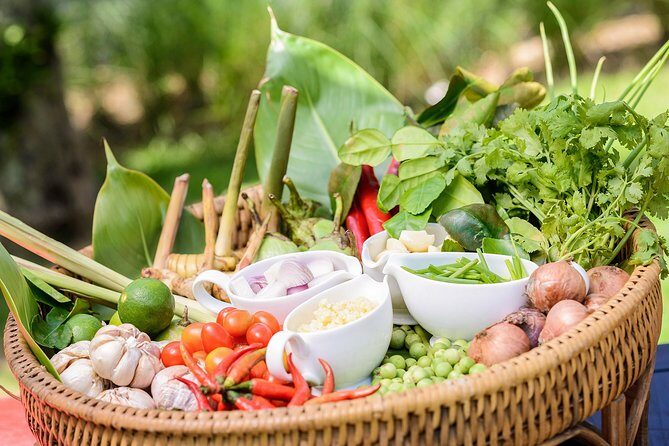
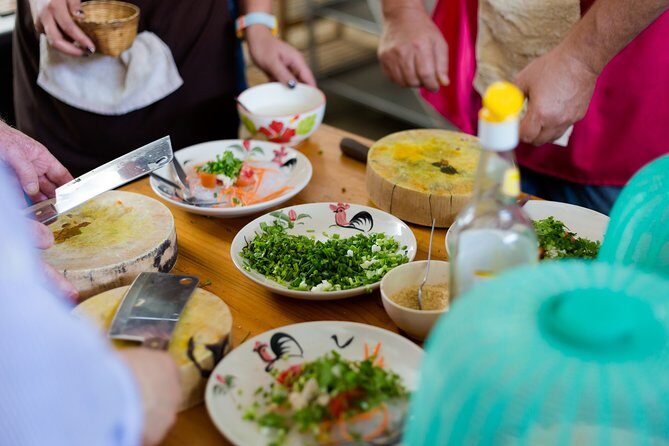
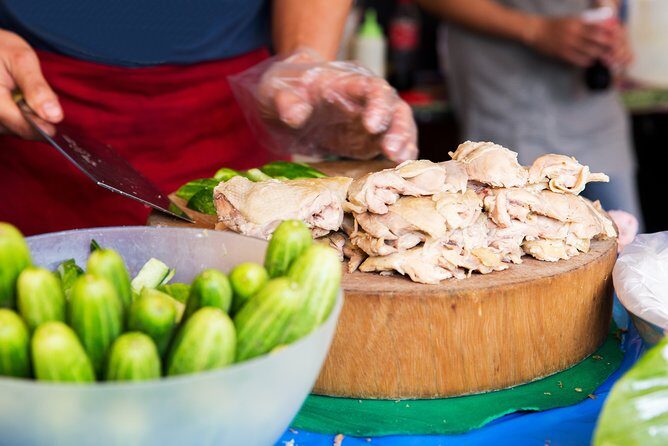
At the market, your instructor shows you how to sample and choose ingredients so your dishes work out, even if you’re new to Thai cooking. That matters more than it sounds. Thai flavors often hinge on the balance of herbs, aromatics, and seasonings. If you bring home the wrong kind of chili, or you miss the right texture in an herb, your sauce can shift fast.
I like that you’re not left to guess. You’re shown a practical way to look, sample, and decide—so when you reach the wok later, you already understand what you’re aiming for. This also helps with the usual travel headache: the language barrier. You’re guided through the “what is this” and “is this the right one” moments, which can feel stressful when you shop on your own.
You can also read our reviews of more cooking classes in Chiang Mai


Small-Group Cooking With One Wok Per Person
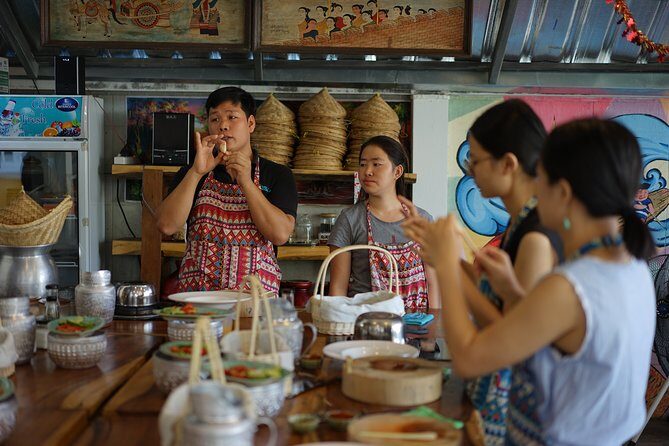
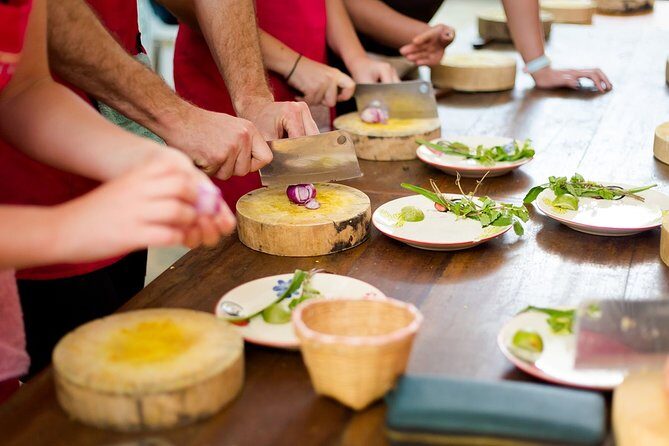
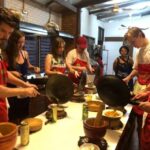
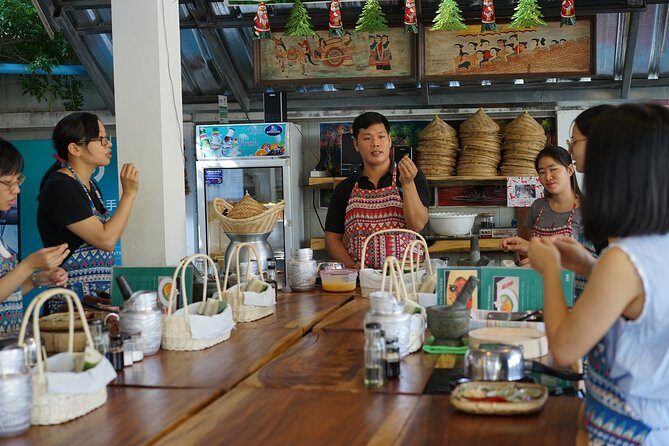
After the market comes the main event: cooking. This is built for hands-on participation, with one wok per person. That simple setup is a big deal. It means you spend the class actually making food, instead of waiting your turn to chop or stir.
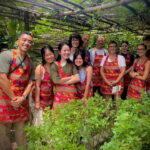
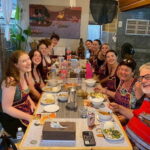
The group is capped at 10 travelers, and that shifts the whole feel of the class. You’re less likely to get lost in the shuffle, and questions don’t get stuck waiting until the end. With Thai cooking, small timing issues matter—like when to add aromatics, how fast to cook, and when to stop. A smaller group makes that coaching possible.
You’ll be guided by an experienced instructor throughout the class, and the teaching style is designed to keep you moving. Even if you’ve never cooked Thai food at home, the structure is clear: pick your menus, shop (in the morning option), then cook.
Choosing Your Menus: How You Avoid the Group Decision Trap
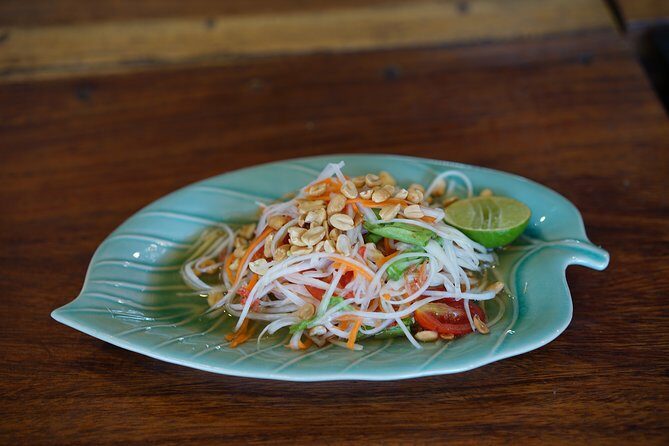
One part of this class I really appreciate is how decisions are handled. Instead of everyone debating together, you choose your menus before you start cooking—one from each selection. That means you’re not stuck waiting while others decide what they want. It also helps you match your food choices to your appetite and comfort level.
This also influences your experience at the stove. When you’ve chosen dishes that sound good to you, you tend to pay closer attention to the technique. You’re cooking your food, not just following along with the instructor’s favorites. That’s a subtle difference, but it shows up in how engaged you feel.
The class is set up so that you’ll cook 6 dishes total. That’s enough variety to learn multiple flavor directions—without the class becoming a rushed blur.
Northern Thai Dishes, Real Techniques, and That Fun Chef Energy
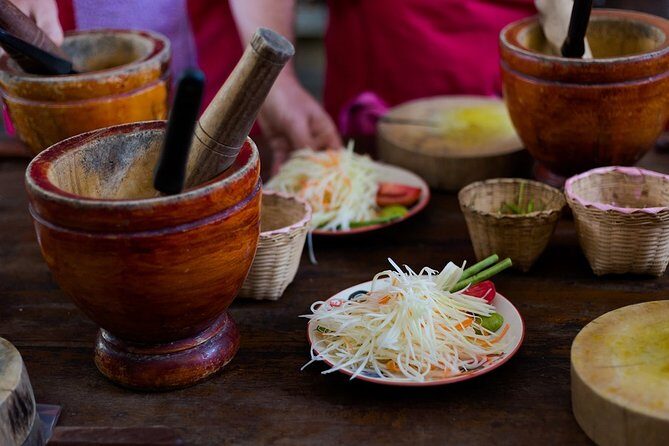
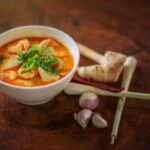
The cooking focus is on classic Thai dishes, with a special nod to northern Thai flavors. Northern Thai cuisine often leans into bold seasoning and aromatic herbs, which is great for a class because you can taste the impact of each step.
From what’s described in the experience, the instructor teaching style tends to be energetic and attentive. One instructor you may meet is Chef Perm, described as lively, funny, and watchful with everyone’s progress. That kind of personality matters in a cooking class because it keeps you relaxed while you’re learning techniques that may feel unfamiliar.
You also get moments that turn learning into an actual show. In past sessions, the class has included a fire-in-the-pan moment, which is basically a practical lesson wrapped in entertainment. Even if you’re not chasing thrill, this kind of technique demo helps you understand heat control in a way you don’t get from a recipe alone.
And yes, the setting can feel more relaxed than a sterile kitchen. One group described cooking in a covered area in a rural, scenic setting. Even if your day looks a little different, the vibe is typically less “corporate cooking room” and more “Thailand kitchen lesson.”
What You’ll Eat After Cooking (and Why It’s Not Just Snacks)
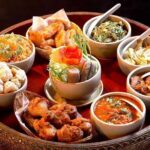
Once you finish cooking, you eat what you made. This isn’t a token bite. You’re cooking 6 dishes, so your meal becomes a real spread—enough to feel like a full experience, not a side activity.
That’s part of the value here. Many half-day classes teach you a single dish and call it done. This one builds a mini menu, so you leave with more than one flavor memory. It also makes the class easier to justify when you’re juggling a packed Chiang Mai itinerary. You get learning time and a satisfying meal in one block.
You’ll also be able to take away recipes—at least the idea is part of the experience. The point is that you’re not just tasting and forgetting. You’re building a home-cooking plan for when the market memories fade.
You can also read our reviews of more tours and experiences in Chiang Mai



Timing Matters: Morning Option vs Afternoon Class
You can choose between a morning or afternoon start time, which is great in Chiang Mai where mornings often get booked fast.
Here’s the key difference: the market tour is included only in the morning class. If you want the full “buy ingredients, then cook” flow—and the chance to learn how to choose produce and seasonings—book the morning start.
If you pick the afternoon option, you’re effectively choosing the cooking focus. You’ll still cook the dishes with instruction and eat what you make, but you skip the market tour segment. For some people, that’s a smart trade: you may already have your market browsing planned for later, or you might want to sleep in and still get cooking done.
Practical tip: if you’re the type who likes to understand where ingredients come from, the morning option pays off more. If you just want hands-on cooking and don’t care about the ingredient hunt, afternoon keeps things simple.
Pickup, Coffee, and the 3 km Downtown Limit
Logistics are usually where fun plans go to die. This class keeps it straightforward.
Pickup is offered for free, but only within 3 km in Chiang Mai downtown. If your hotel is farther out, you might need to arrange your own way to the meeting point. It’s worth checking before you fall in love with the schedule.
You’ll also get free coffee, tea, and water during the experience. Small detail, big help—especially if you’re there in the morning and want something warm or in the afternoon when thirst hits faster than you expect.
You’ll receive a mobile ticket, which makes day-of entry easier. Less hassle means more time to focus on the food.
Price and Value: Getting a Market Lesson Plus a Full Cooking Meal
At $41.03 per person for an approximately 5-hour experience, the value comes from what’s included.
You’re not just buying instruction. You’re paying for:
- the cooking class with one wok per person
- a structured class length that results in 6 dishes
- free drinks (coffee, tea, water)
- transport within 3 km of downtown
- and, if you choose morning, the market tour
If you break it down, you’re getting a mix of education (how to choose and cook) and a meal you didn’t have to plan or pay for separately. And because the group is capped at 10, the instruction quality should feel more personal than bigger classes.
Balanced take: you’re also paying for food and labor, so it’s not just a casual snack-making workshop. But that’s also what makes it feel like a real activity in Chiang Mai, not a time filler.
Who This Cooking Class Suits Best (and Who Might Not)
This class fits best if you want a hands-on food experience and you like learning by doing. It’s especially good for:
- first-time Thai cooking learners
- people who enjoy markets and want help navigating ingredients
- couples or small groups who want more attention than a huge tour
- travelers who prefer a clear plan: cook 6 dishes, eat, go
You might consider a different activity if:
- you’re only interested in one specific dish and don’t want to commit to a broader menu
- you already have a market plan and don’t want overlap
- you need a class that’s more flexible with timing changes
One more thing to keep in mind: this experience is listed as non-refundable and can’t be changed for any reason. If your schedule in Chiang Mai is uncertain, think carefully before booking.
Should You Book This Chiang Mai Cooking Class?
I’d book it if you want a practical Thai-food lesson with a real payoff: a market visit (morning) and a full meal you cooked yourself. The small group size and one wok per person setup are the kind of details that make the difference between watching and learning.
Go for the morning option if you want the ingredient education and market context. Choose afternoon if you mainly want cooking time and an easier morning.
If you like food enough to pay attention to ingredients—not just recipes—this class is a strong fit. For $41, you’re buying structure, instruction, and an actual meal. That’s hard to beat in a half-day slot.
FAQ
How long is the Half-Day Chiang Mai Cooking Class?
It runs for about 5 hours.
How much does it cost?
The price is $41.03 per person.
How many dishes will I cook?
You’ll cook 6 dishes during the whole class.
Is the market tour included?
The market tour is included with the morning class only.
How big is the group?
This experience has a maximum of 10 travelers.
Is pickup included?
Yes, free transportation is included within 3 km of Chiang Mai downtown.
Do I get time on a wok?
Yes. The cooking class includes one wok per person.
What drinks are included?
Free coffee, tea, and water are included.
Can I change or get a refund if my plans change?
No. This experience is non-refundable and cannot be changed for any reason.
If you tell me what neighborhood your hotel is in (or how far it is from central Chiang Mai), I can help you figure out whether the free 3 km pickup likely covers you.