REVIEW · CHIANG MAI
Evening Thai cooking class
Book on Viator →Operated by Aromdii Cooking School · Bookable on Viator
A cooking lesson that starts at the market keeps you focused. This 4.5-hour evening Thai cooking class in Chiang Mai pairs a quick ingredient hunt with step-by-step cooking, then ends with you eating your own handmade dishes. I especially like the small-group setup (up to 8) and the way you choose from a clear menu before cooking starts. One practical catch: there’s no aircon in the kitchen, so plan for warm, fan-only comfort.
You’ll begin around 3:30 pm at Kad Kom Market, pick your dishes, learn what you’re buying (Thai veggies, spices, and herbs), then move to Aromdii Cookery School to cook in stages: stir-fries, soups and appetizers, and finally dessert plus curry paste made from scratch. For about $27.58 per person, it’s a smart value if you want real technique over guessing with a cookbook.
In This Review
- Key Highlights You’ll Care About
- 3:30 PM Kad Kom Market Start: It Makes the Whole Meal Make Sense
- Picking Your Dishes Before You Cook (and Why It Feels Personal)
- Kad Kom Market Tour: What You Learn in 15–20 Minutes
- Aromdii Cookery School: The Cooking Flow (Stir-Fried to Curry Paste)
- Step Stage One: Stir-Fried Dishes
- Step Stage Two: Soup and Appetizers
- Step Stage Three: Curry Paste From Scratch + Dessert
- No Aircon, Only Fans: How to Stay Comfortable and Focused
- What’s Included in the Price (and Why It Feels Fair)
- Time, Group Size, and Transfers: The Practical Side That Saves Your Evening
- Who This Thai Cooking Class Is Best For
- Should You Book Aromdii’s Evening Thai Cooking Class?
- FAQ
- What time does the class start?
- Where do I meet, and where does it end?
- How long is the cooking class?
- How many people are in the group?
- What dishes can I choose to cook?
- Is transportation included?
- Is alcohol included?
Key Highlights You’ll Care About
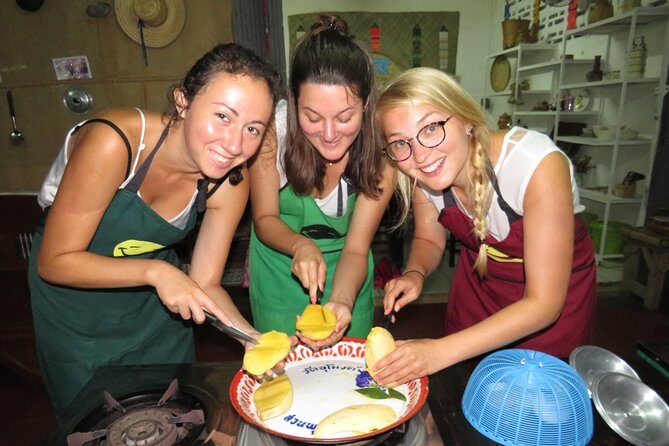
- Small class size (max 8) for real instructor attention, not a crowded demo
- Market shopping first so you understand ingredients before you touch the stove
- Choose your menu items ahead of time, including curries and desserts
- Curry paste from scratch, not just opening a jar and calling it Thai
- Recipe download included, so your cooking doesn’t end when the class ends
- Fan-only kitchen, which changes what to wear and how to pace yourself
3:30 PM Kad Kom Market Start: It Makes the Whole Meal Make Sense
The timing is one of the smartest parts. Starting at 3:30 pm means you’re not rushing through dinner prep at noon, and you still get a full evening meal out of the experience. The meeting point is straightforward: Kad Kom Market (บ้านเลขที่ 19 3มบ เวียงทอง 1, Tambon Chang Khlan, อ.เมือง Chiang Mai 50100). You’ll return there at the end, which keeps the logistics simple if you’re staying nearby.
This “start at the market” approach matters because it turns Thai cooking from a list of instructions into something you can actually repeat. When you’re choosing produce and ingredients yourself, you learn what to look for and what matters for flavor. Even if you’re not a super confident cook, the class is designed to be accessible with step-by-step guidance.
If you’re heat-sensitive, plan your clothes like you’re dressing for outdoor Chiang Mai weather. The market portion is short (about 15–20 minutes), but the later kitchen part is fan-only.
You can also read our reviews of more cooking classes in Chiang Mai

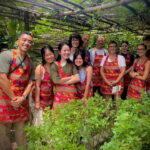
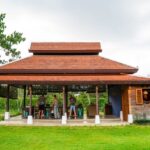
Picking Your Dishes Before You Cook (and Why It Feels Personal)
Before the cooking starts, everyone selects the menu. That means you’re not stuck with whatever the class decides to demo that day. From there, the team picks up the ingredients you selected, so you get a more tailored meal outcome.
Here’s the menu you can choose from:
Stir fried (choose one)
- Pad Thai
- Fried Drunken noodles
- Pad See Ew
- Fried cashew nut
Appetizers (choose one)
- Papaya Salad
- Fresh spring rolls
- Fried spring rolls
- Mixed fruits salad
Soup (choose one)
- Hot & Sour Prawns thick soup
- Coconut chicken
- Tom Yum Chicken
- Hot & Sour prawns clear soup
Curry + curry paste (choose one)
- Khao Soi (Chiangmai noodles)
- Green curry
- Massaman curry
- Red curry
Dessert (choose one)
- Mango sticky rice
- Pumpkin in coconut milk
The big benefit here is control. If you love noodles, you can build the class around that. If you want something creamy and gentle, you have curry and dessert options that match. And because the menu is clearly listed up front, there’s less uncertainty about what you’ll eat.
One thing to consider: you’re choosing multiple categories, so you should think in combinations. Pick dishes that complement each other, especially if one item is heavy on spice or coconut. You’ll still eat everything you make, so you want it to feel like a satisfying meal, not a random buffet of extremes.
Kad Kom Market Tour: What You Learn in 15–20 Minutes
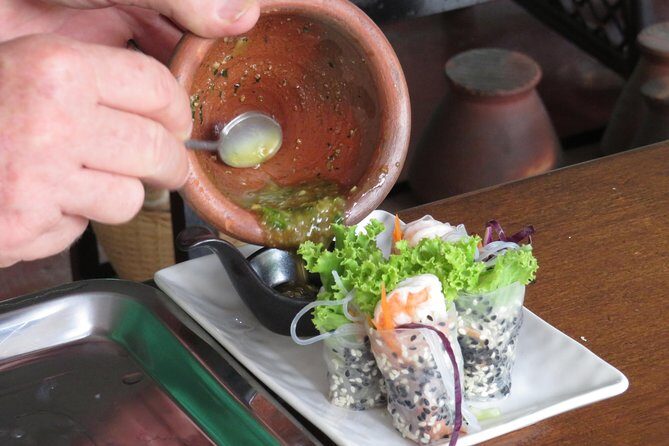
The market stop is brief, but it’s designed to be useful. You’ll do more than walk around and take photos. You’ll:
- Pick up ingredients selected for your chosen dishes
- Learn about Thai veggies, spices, and herbs as you go
- Have time to look around, take photos, and potentially buy spices back home
In my opinion, this part is what makes the class feel more grounded. It’s not only about the final food; it’s about how Thai cooks think about ingredients. If you’ve ever cooked something from a recipe and wondered why it didn’t taste right, this is the gap you’re trying to close—because you see what the ingredients actually look like and how they’re handled.
Also, the market walk isn’t long enough to over-stretch your evening. You get the learning and the inspiration without losing too much cooking time.
If you want to bring spices home, make sure you leave a bit of room in your luggage. The class provides a path to do that, but you’ll still be responsible for how you transport anything you purchase.
Aromdii Cookery School: The Cooking Flow (Stir-Fried to Curry Paste)
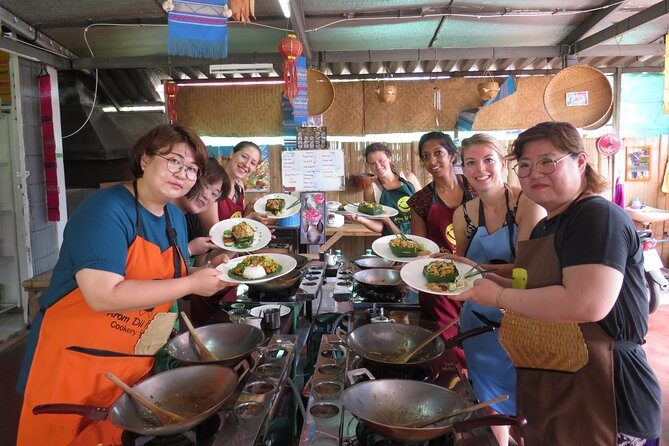
Once you get to Aromdii Cookery School, the session moves in clear stages. Expect no air conditioning and only fans in the kitchen and eating area. That’s not a minor detail. It changes pacing and comfort, especially in warmer months.
Still, the structure helps you stay on track. The class starts with stir-fried dishes, then goes into soups and appetizers, and later into curry and dessert. The order isn’t random. It keeps you cooking in logical steps so your meal feels cohesive by the time you eat.
Step Stage One: Stir-Fried Dishes
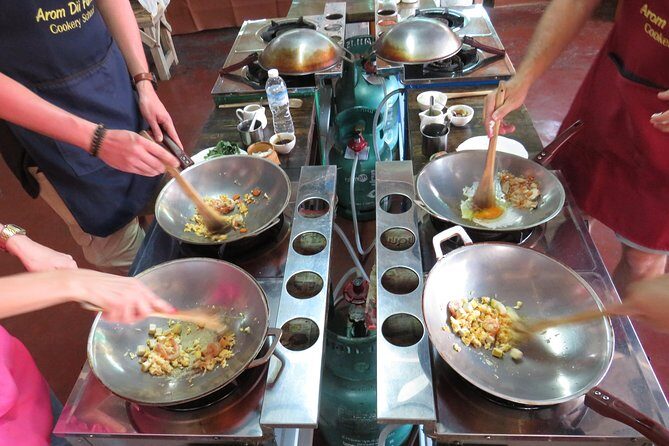
You’ll begin with your stir-fry choice. Options include things like Pad Thai and Pad See Ew, plus the fried cashew nut dish. Starting here is smart because stir-fries teach you quick control—timing, heat management, and how you balance ingredients without turning the pan into a slow-motion mess.
If you’re a beginner, the step-by-step approach is meant to reduce guesswork. You’re not expected to master everything at once; you learn as you go.
You can also read our reviews of more evening experiences in Chiang Mai



Step Stage Two: Soup and Appetizers
Next comes soups and appetizers. Your soup choices include Tom Yum Chicken and both hot-and-sour prawn variations, as well as Coconut chicken. Appetizers range from papaya salad to spring rolls to fruit salad.
This portion is where Thai variety really shows. You’re not just learning one style of cooking; you’re seeing how sweet, sour, salty, and spicy elements can show up across different dishes. And because you chose your lineup in advance, everything stays connected to what you came for.
One practical note: soups and appetizers often involve a few prep steps. Give yourself permission to go slowly when you need to. The class is built for all skill levels, but speed is optional when you’re learning.
Step Stage Three: Curry Paste From Scratch + Dessert
This is the part most people remember. The class includes making curry paste from scratch, then cooking your curry from one of these options:
- Khao Soi (Chiangmai noodles)
- Green curry
- Massaman curry
- Red curry
If you’ve only cooked with pre-made curry paste before, you’ll notice the difference. Making the paste is what turns curry from a shortcut into actual cooking technique. It’s also why this class feels more like a skill-builder than a one-night meal.
Dessert comes after. You can choose mango sticky rice or pumpkin in coconut milk. Having dessert in the same class is great because it keeps the experience fully rounded. You get the savory meal, then you learn a Thai-style finish.
No Aircon, Only Fans: How to Stay Comfortable and Focused
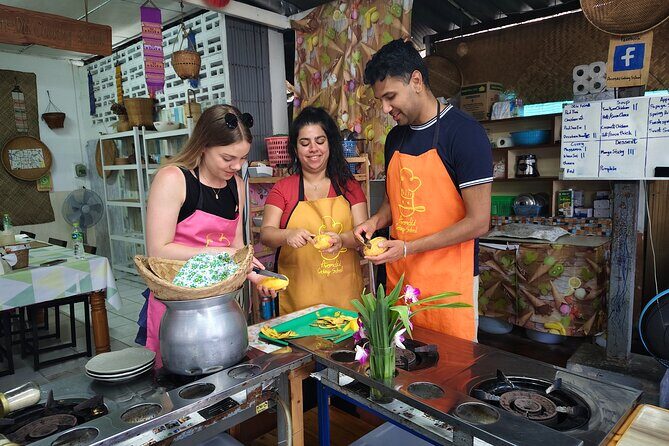
The kitchen and eating room don’t have aircon, just fans. That means you’ll want to plan your comfort like you’re taking part in a real cooking session, not a climate-controlled show.
Here’s what to do:
- Wear light, breathable clothing you don’t mind getting warm in
- Keep water in mind. Bottled water is included, which helps you pace yourself
- Bring a small towel if you run hot (not required, but it’s practical)
- Pace yourself during the curry paste stage, since it can be the most effort-intensive part
Good weather is also required for the experience in general. If it’s canceled due to poor weather, you’ll be offered a different date or a full refund, so you won’t be stuck paying and hoping.
If you’re visiting in the rainy season (July–October), you might consider it extra important to have a backup date in mind.
What’s Included in the Price (and Why It Feels Fair)
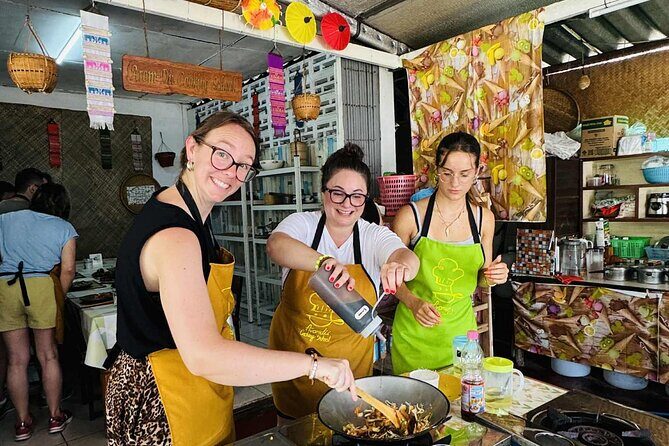
The price is $27.58 per person. That’s not a full-day cooking course price. So the value comes from what you actually receive.
Included:
- Dinner (you eat what you cook)
- A welcome snack
- Bottle water
- Handmade recipe download from the website
- Transportation if you’re not far from the school (within 3 km)
Optional in the experience details:
- Pickup is offered from select areas
Not included:
- Beer or any alcohol
Here’s how I’d judge the value in real terms. You’re paying for (1) organized ingredients shopping, (2) a guided cooking workflow, (3) a small group size so you’re not lost, and (4) a menu that covers multiple categories instead of only one dish. Add in the recipe download, and you get something practical to take home.
Even if you already know how to cook, this class is worth it if you want your Thai cooking to taste more “put together.” If you’re starting from zero, it’s still useful because the instruction is step-by-step and you’re not forced to figure things out alone.
Time, Group Size, and Transfers: The Practical Side That Saves Your Evening
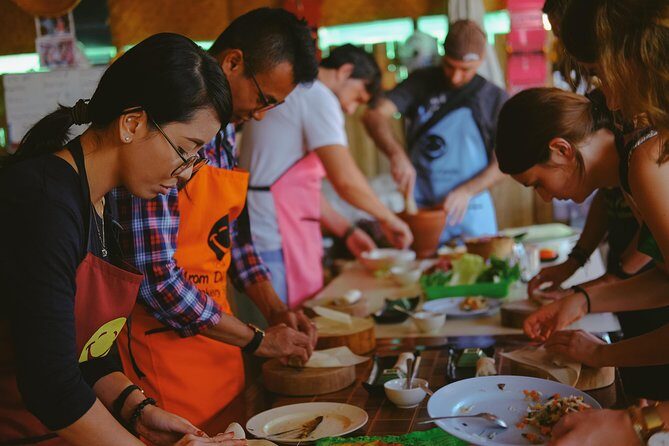
This experience is about 4 hours 30 minutes long. If you’re planning your Chiang Mai schedule, it’s a good length: long enough to feel like you learned something, short enough to still enjoy the rest of the night without feeling wrecked.
The group cap is 8 travelers. That’s a key detail. Smaller groups usually mean the instructor can slow down when someone needs clarification. It also means you’re more likely to feel comfortable asking questions.
Transfers matter too. You can get transportation if you’re within 3 km of the school, and pickup is offered from select areas. That takes away a chunk of the evening stress, especially if you’re trying to fit this around temple visits or a relaxing afternoon.
Alcohol isn’t included, so if you want beer or something stronger, you’ll need to plan for that separately.
Who This Thai Cooking Class Is Best For
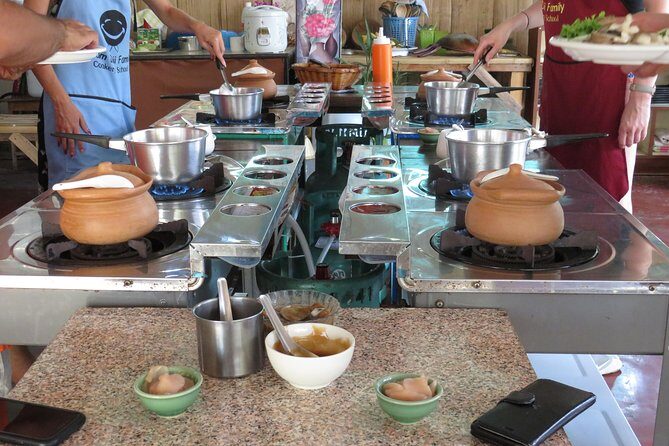
This is a strong fit if you:
- Want to cook a full Thai meal instead of one appetizer
- Like the idea of learning ingredient basics through market shopping
- Prefer small groups with individual attention
- Want curry paste technique (and not just a dish made from store-bought shortcuts)
It’s also a great choice for couples or friends because you can each choose your own dishes from the categories. You’ll still eat the results together, and the menu options make it easier to match preferences.
If you hate warm rooms, this may be less comfortable because the kitchen is fan-only. You can still do it, but dress and pace for heat.
Should You Book Aromdii’s Evening Thai Cooking Class?
Yes, you should book if you want a practical, structured way to learn Thai cooking in Chiang Mai. The mix of market shopping, small-group instruction, and curries with paste made from scratch is the winning combination. For the price, you get dinner, guidance, water, a recipe download, and a shopping component that helps your future cooking make sense.
I’d say skip it only if you have a strong dislike for warm indoor cooking spaces. If you’re okay dressing light and taking it one step at a time, this class is the kind of evening activity that leaves you with food you actually made and a realistic path to repeat at home.
FAQ
What time does the class start?
The activity starts at 3:30 pm.
Where do I meet, and where does it end?
You start at Kad Kom Market (บ้านเลขที่ 19 3มบ เวียงทอง 1 Tambon Chang Khlan, อ.เมือง Chang Wat Chiang Mai 50100) and the activity ends back at the meeting point.
How long is the cooking class?
It lasts about 4 hours 30 minutes (approx.).
How many people are in the group?
The class has a maximum of 8 travelers.
What dishes can I choose to cook?
You can choose from stir-fried options (like Pad Thai, Pad See Ew, and Pad See Ew variations), appetizers (like papaya salad and spring rolls), soups (including Tom Yum Chicken and hot-and-sour prawn soups), curries (Khao Soi, green, Massaman, or red), and desserts (mango sticky rice or pumpkin in coconut milk).
Is transportation included?
Transportation is included if you’re within 3 km of the school area, and pickup is offered from select areas.
Is alcohol included?
No. Beer or alcohol is not included.