REVIEW · CHIANG MAI
Chiangmai Half Day Visit and Wildlife Experience
Book on Viator →Operated by Smile Elephant Chiang Mai · Bookable on Viator
Elephants feel personal here, in the best way. You’ll get a close, hands-on visit at Smile Elephant Chiangmai that’s built around elephant welfare and learning from local caretakers. Two things I really like: the small-group feel (max 30) and the way the staff explains day-to-day elephant care. One consideration: since the activity includes getting involved around the animals and a bit of physical movement, you’ll want to have a moderate fitness level.
The tone is calm and practical, not hype. Reviews call it peaceful and respectful, and you’ll see that in how the program is described: rescue support, proper feeding, veterinary attention, and overall sanctuary management. You also end with something very Thailand—local pad thai—so the day ends feeling complete, not rushed.
In This Review
- Key Highlights You’ll Notice Right Away
- Where Ethical Elephant Care Happens in Banchang, Chiang Mai
- What You Actually Do: Feeding, Washing, and Up-Close Time
- A smart tip for your body and clothes
- Learning From Caretakers: How Your Visit Supports Rescue Care
- What to do in the moment
- The Community Side: Thai Traditions and a Pad Thai Finish
- How to get the most out of the Thai moments
- Group Size and Timing: A Calm Half Day, Not a Marathon
- What to plan for on your side
- Price and Value: Is $51.84 Worth It?
- Who gets the best value
- Should You Book This Smile Elephant Half Day Visit
- FAQ
- FAQ
- What is the main focus of the Chiang Mai half-day elephant experience?
- Where does the tour take place?
- What time does the tour start and how long is it?
- Is pickup included?
- What interactions are included with the elephants?
- How big is the group?
- What fitness level is required?
- Can I get a refund if I cancel?
Key Highlights You’ll Notice Right Away
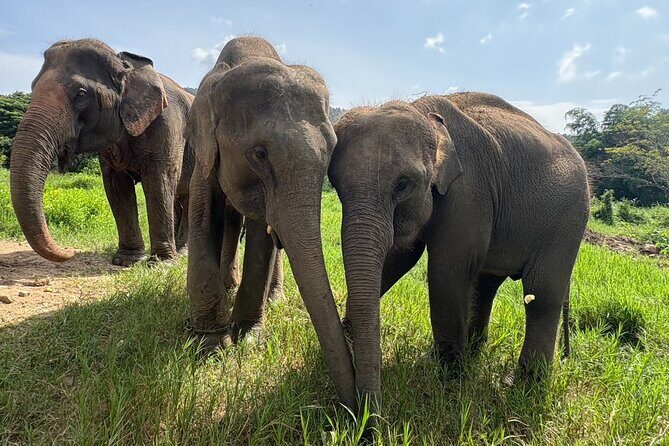
- Ethical encounter focus centered on welfare, not performance
- Guides with personality like Boy, Jack, Adison, and Arison guiding the experience
- Real sanctuary time in nature, with close interactions such as feeding and bathing
- Learn how rescue care works through explanations of food, vet care, and management
- Small-group sizing with a cap of 30 people to keep it manageable
Where Ethical Elephant Care Happens in Banchang, Chiang Mai
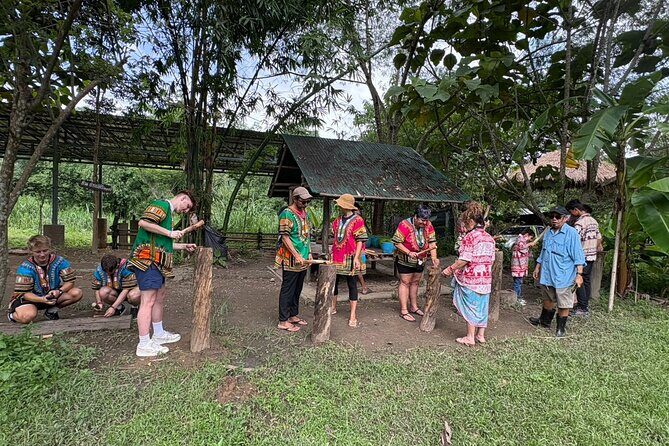
This half-day visit is set up like a cooperative eco-tourism project tied to the Banchang area of Chiang Mai. The big idea is simple: you’re not just watching elephants. You’re connecting with them through an environment that prioritizes their health and happiness, and you’re doing it alongside people who know elephant caretaking up close.
I like that it’s described as a sanctuary-style project rather than a quick stop with a hard sell. It’s run in partnership with traditional Thai elephant caretakers and local residents, which matters because it shifts the experience away from a generic tourist show and toward ongoing care. The mission is also clearly stated: support elephant rescue and improve quality of life through food, veterinary care, and daily management.
Now, no tour can make every visitor feel the same about elephants. But the way the experience is framed here tends to land well for people who care about animal treatment. Reviews repeatedly point to the same theme: everything feels respectful and animal-friendly, with welfare placed front and center from the moment you arrive.
For you, the most practical takeaway is this: come ready to be a learner. This works best when you treat it like a care visit—asking questions, listening to the explanations, and keeping the pace sensible around the animals.
You can also read our reviews of more tours and experiences in Chiang Mai.



What You Actually Do: Feeding, Washing, and Up-Close Time

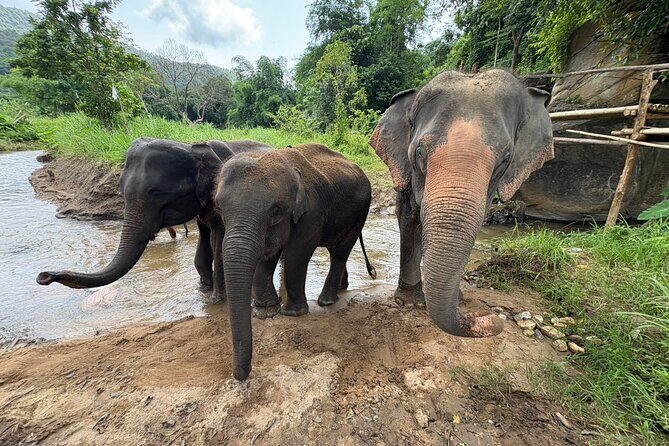
This is the part people remember. In the descriptions you’ll see a consistent pattern: you’ll spend time interacting with elephants in a calm, natural setting, including activities like feeding and even washing in the river. Some reviews also mention being able to pet the elephants and take photos.
The key point is how these interactions are presented: they’re framed as humane and welfare-first, with no suggestion of riding elephants or mistreatment. One review specifically mentions no elephant riding, and the overall tone across the feedback supports that the program avoids the harmful stuff people sometimes associate with elephant tourism.
If you’re wondering what the day feels like, expect it to be less about a rigid script and more about guided moments. You’ll be following instructions from your guide, and the staff will be watching how the elephants respond. That’s exactly what you want. Close contact is great, but it should always feel controlled by care, not by human desire.
A smart tip for your body and clothes
Since washing is part of the experience, plan for wet conditions. Wear something you don’t mind getting damp, and bring sandals or shoes that can handle water. Bring a small towel if you have one, and keep your phone secure. Even if it’s comfortable, you’ll still be in nature and around water.
Also, keep your expectations grounded. You’ll likely spend most of the time learning and interacting rather than doing constant big moments every minute. That’s a good thing. It keeps the experience calmer for you and the elephants.
Learning From Caretakers: How Your Visit Supports Rescue Care
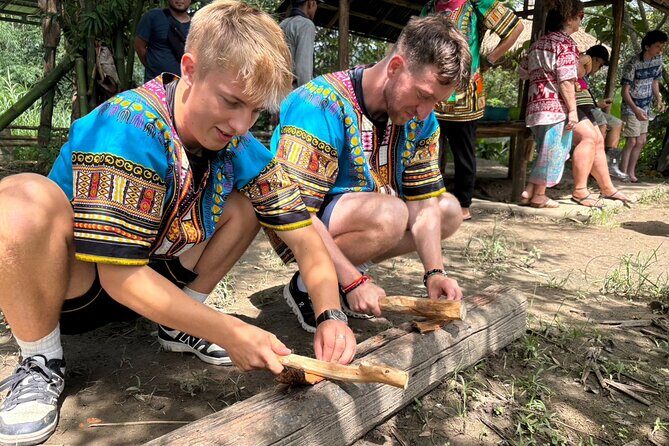
This tour’s value isn’t only the animal time. It’s the education built into the experience. You’ll learn about the project mission and how your visit supports the elephant’s daily needs—specifically food, veterinary care, and overall management.
That matters because elephant welfare isn’t just a feel-good concept. It’s an ongoing routine that needs funding, skilled care, and a stable environment. By connecting with the rescue-focused sanctuary model, you’re supporting the long-term work, not just a short encounter.
Another helpful piece: the guides don’t just talk. Reviews highlight guides like Boy, Jack, Adison, and Arison for being friendly, funny, and clearly invested in teaching. If you’re the type who likes practical explanations—how caretaking actually works—this is where you’ll feel it. Guides are also credited with making the visit unforgettable by teaching what you need to know before you get closer.
What to do in the moment
When you hear an explanation, don’t treat it like background noise. Ask how care decisions are made. If the guide mentions food routines or veterinary support, pay attention. You’ll understand what you’re seeing far better than if you show up expecting only photos.
This is also where the ethical tone becomes real. When welfare is the priority, the rules around behavior and interaction tend to feel consistent: gentle handling, respect for space, and a focus on animal well-being.





The Community Side: Thai Traditions and a Pad Thai Finish

One reason this kind of elephant experience feels different is the human element. This project is described as involving local residents, and that connection shows up in how the day ends.
Several reviews mention a local pad thai served at the end of the activity. The wording in feedback suggests it’s made with care and love, which may sound sentimental, but it actually helps you understand the vibe: this isn’t a theme park with a generic snack. It feels like a community-supported day out.
For you, that means you get more than an animal encounter. You get a slice of everyday Thailand, tied to the same place you just learned about. It’s a small detail, but it makes the experience feel complete—like you’re leaving with a story, not just a couple of photos.
How to get the most out of the Thai moments
Go in with open curiosity. If your guide shares local context, listen. Even short comments about how caretakers and residents collaborate will help you understand why this model can work.
If you’re hungry afterward (and you probably will be), a meal included at the end is a real comfort. It saves you the scramble to find food right after a morning.
Group Size and Timing: A Calm Half Day, Not a Marathon
The schedule is set to start at 8:00 am, with an approximate duration of 5 hours 30 minutes. That’s long enough to feel like a proper outing, but it’s still a “half day” style plan that won’t eat your whole schedule.
I also appreciate the cap: the tour has a maximum of 30 travelers. In elephant interactions, crowding can turn chaotic fast. Smaller groups usually help keep the experience structured and easier to manage, both for you and for the sanctuary staff.
Pickup is offered, which is practical if you’re staying in the city and don’t want to stress about getting to the Banchang area on your own. A mobile ticket is also included, which makes check-in simpler.
What to plan for on your side
You’ll want to show up on time, dressed for a nature setting, and ready to follow instructions. The experience notes moderate physical fitness. That doesn’t mean extreme hiking, but it does mean you should be comfortable with being outdoors, moving around, and spending time close to the action.
If you’re traveling with kids or anyone with mobility limits, this is the part to take seriously. Not because it’s unsafe by default, but because the activity style involves more engagement than a seated show.
Price and Value: Is $51.84 Worth It?

At $51.84 per person, the price isn’t just about access to elephants. It’s about how that money supports rescue-focused care—food, veterinary care, and day-to-day management—plus the guided teaching that comes with the encounter.
When I judge value for animal tours, I look for two things: (1) does the experience match welfare priorities, and (2) does it avoid turning animals into entertainment tools. Based on the consistent themes in feedback—peaceful environment, respectful handling, and no riding—the program appears built to reduce the worst incentives that drive exploitative tourism.
Also, that included end-of-experience element (like local pad thai in the reviews) adds to the “you won’t need to scramble” value. The half-day duration is another plus: you get a meaningful block of time without needing a full day plan.
Who gets the best value
This feels like strong value if you want:
- an ethical elephant experience in nature
- guided learning about elephant care
- a calmer group setting
If you only want a quick photo stop, you might find this style slower than you expected. But for most people seeking a welfare-first encounter, it tends to land well.
Should You Book This Smile Elephant Half Day Visit

You should book if you want a welfare-first elephant experience with real learning built in, and if you’re happy to spend time listening as much as looking. It’s a good match if you like guides who engage with the group, and the names that come up in feedback—Boy, Jack, Adison, and Arison—suggest you’ll get both warmth and information.
You might think twice if:
- you prefer very hands-off animal experiences
- you don’t handle getting wet well (washing is part of the activity)
- you’re not comfortable with the note about moderate physical fitness
But if you can meet those basics, I think you’ll feel good about what you’re supporting. This tour isn’t just an encounter. It’s presented as a way to support rescue, care, and ongoing sanctuary management.
FAQ

FAQ
What is the main focus of the Chiang Mai half-day elephant experience?
The experience centers on connecting with elephants in a natural, ethical environment while learning about elephant care and well-being. It also supports a rescue-focused eco-tourism project that prioritizes food, veterinary care, and sanctuary management.
Where does the tour take place?
It takes place at Smile Elephant Chiangmai in Banchang, Chiang Mai.
What time does the tour start and how long is it?
The tour start time is 8:00 am, and it runs for approximately 5 hours 30 minutes.
Is pickup included?
Yes, pickup is offered.
What interactions are included with the elephants?
Based on the experience descriptions and feedback, you can expect close interactions such as feeding elephants and washing them in the river. Some reviews also mention petting and taking photos.
How big is the group?
The maximum group size is 30 travelers.
What fitness level is required?
The tour notes that travelers should have a moderate physical fitness level.
Can I get a refund if I cancel?
Yes. You can cancel for free up to 24 hours in advance for a full refund. If you cancel less than 24 hours before the start time, the amount paid is not refunded.