REVIEW · CHIANG MAI
Chiang Mai Doi Suthep Temple and Sticky Waterfall Tour (Private & All-Inclusive)
Book on Viator →Operated by ForeverVacation Thailand · Bookable on Viator
One hilltop blessing makes the whole day feel special. This private Doi Suthep + Sticky Waterfall outing pairs a morning temple visit, including a holy blessing and wrist tying ceremony, with afternoon fun at Bua Thong Waterfalls where you can climb into the cascading water. I also like how the schedule builds in enough breathing space—temple time for photos and calm, then a swim-and-cool-down window—rather than turning the whole day into one long sprint. One drawback to consider: it’s a full-day pack, so if you prefer slow, single-focus sightseeing, you might find the day too busy.
The ride matters here. You get hotel pickup (around 8:00 AM) and travel in a comfortable, spacious, air-conditioned vehicle with an English-speaking guide, which helps when you’re hopping across temple areas and viewpoints. I especially appreciate that the route includes a mix of big “see it once” landmarks and more visually interesting stops like silver-covered temple walls and historic gates—so you’re not doing only the obvious stuff.
In This Review
- Quick hits to know
- Private pickup and a full day that still feels manageable
- Wat Phra That Doi Suthep: blessing, wrist tying, and hilltop altitude
- The temple “mix-and-match” stops that give Chiang Mai personality
- Wat Rajamontean and the decorative, elegant temple style
- Wat Sri Suphan: the silver temple you can’t stop looking at
- Wat Suan Dok: royal-leaning temple calm
- Wat Chedi Luang and the old-center connection
- Wat Umong: 700-year-old temple on calmer ground
- Wat Chiang Man: old city temple energy
- Tha Phae Gate, Warorot (Kad Luang), and the flower-and-orchid stops
- Tha Phae Gate: a historic city centerpiece
- Warorot Market (Kad Luang): what everyday Chiang Mai looks like
- Khamthiang Flower Market and Bai Orchid & Butterfly Farm
- Waterfall time: Bua Thong’s sticky climb and the swim window
- Seasonal nature add-ons and what “good weather” really means
- Timing on the ground: how the day flows (and where you’ll feel it)
- Price and value: what $133 buys in a private, all-inclusive style day
- Who should book—and who might prefer a lighter day
- Should you book this Chiang Mai Doi Suthep and Sticky Waterfall tour?
- FAQ
- How long is the Chiang Mai Doi Suthep and Sticky Waterfall tour?
- Is this tour private?
- Do I get hotel pickup?
- What happens at Wat Phra That Doi Suthep?
- Are admission tickets included?
- Is there swimming or climbing at the waterfalls?
- Does the tour depend on weather?
- What is the cancellation policy?
Quick hits to know
- Private hotel pickup around 8:00 AM in an air-conditioned vehicle, just your group
- Wat Phra That Doi Suthep includes a holy blessing and a wrist tying ceremony
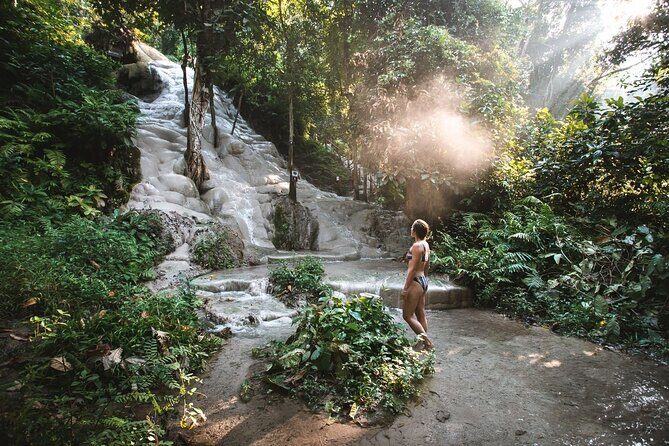
- Bua Thong Waterfalls (Nam Phu Chet Si) include free time to swim, plus the signature rock climb into the water
- Temple stops are varied, including Wat Sri Suphan with silver-covered surfaces
- You’ll mix sacred sites with everyday Chiang Mai stops like Warorot (Kad Luang) Market
- You’ll want a moderate fitness level, especially for waterfall rock climbing and walking trails
Private pickup and a full day that still feels manageable
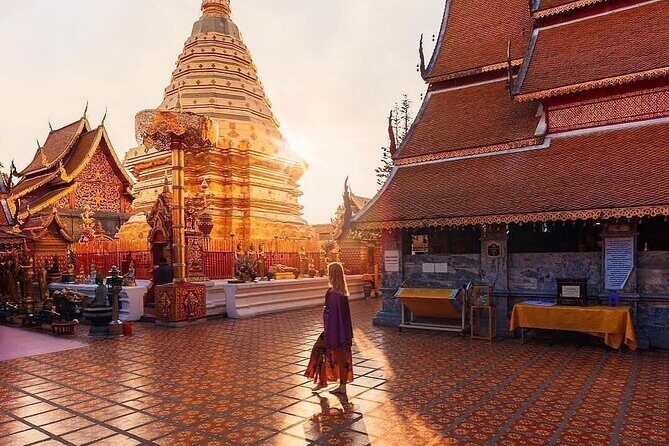
This tour is built like a clean road trip: pickup from your hotel at about 8:00 AM, then a day that stays in motion without feeling chaotic. The comfortable, spacious air-conditioned transport is a big deal in Chiang Mai, especially when the day turns warm and you’re going up and down across neighborhoods and viewpoints.
What makes this format work for most visitors is simple: you’re not driving yourself, and you’re not stuck waiting around for public transport. With one English-speaking guide steering the day, you’ll get to key places at workable times, and you’ll spend less mental energy on route planning. Also, since it’s private, the pacing can match your group—slower photo stops, quicker temple viewing, or a little more time at the waterfall if your timing lines up.
That said, “private” doesn’t mean “slow.” The day is still structured with multiple stops, so you’ll want to mentally commit to a long sightseeing block.
You can also read our reviews of more private tours in Chiang Mai


Wat Phra That Doi Suthep: blessing, wrist tying, and hilltop altitude
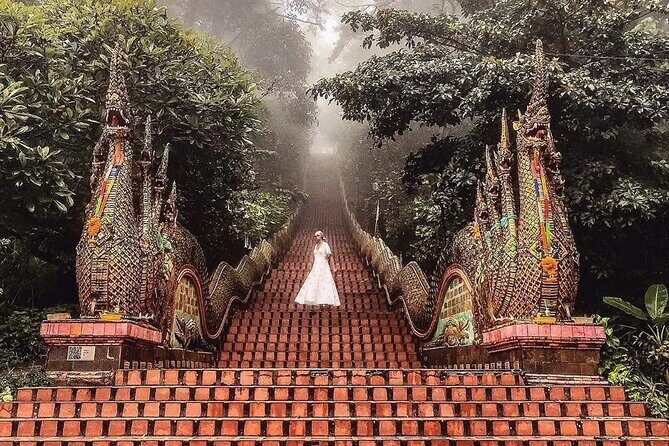
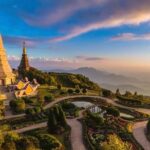
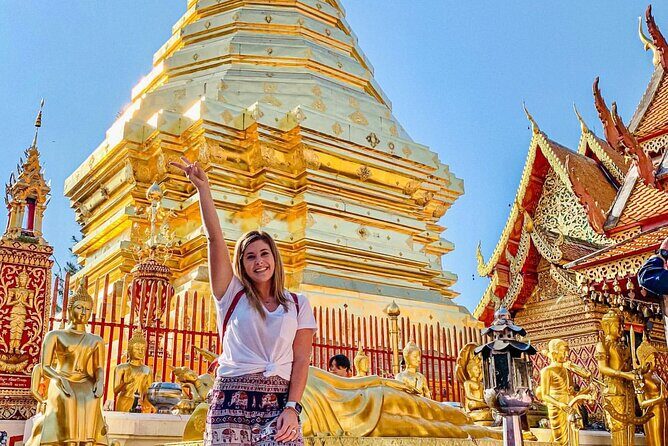
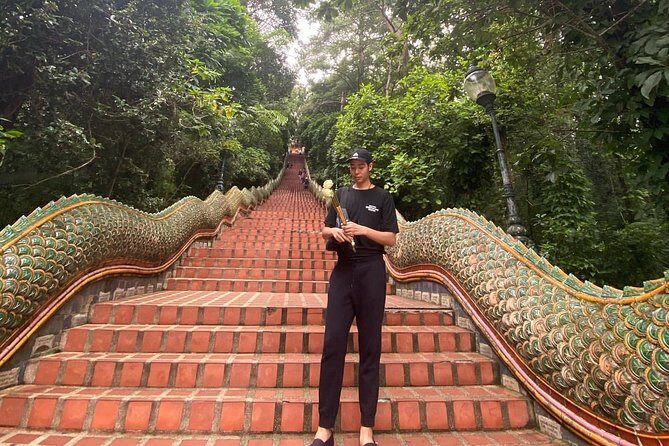
Doi Suthep is the centerpiece for a reason. The temple, Wat Phra That Doi Suthep, is about 15 kilometers from Chiang Mai and sits at roughly 1,073 meters elevation. That altitude alone changes the feel: the air is often cooler than the city, and the views tend to stretch farther.
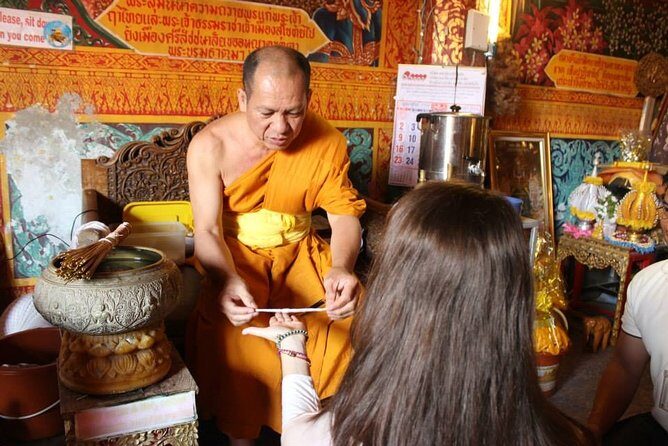
The most meaningful part is what’s scheduled at the temple: you’ll receive a holy blessing and take part in a wrist tying ceremony. For many visitors, this is the moment that makes the day more than just sightseeing. It’s also a nice contrast to the later waterfall portion—ceremony in the morning, playful water time in the afternoon.
Practical note: temple visits usually mean you’ll want to dress respectfully and be ready for stairs or uneven ground, even if the tour doesn’t specify details. If your group has mobility limits, you should plan conservatively and ask your guide what the walking conditions look like that day.
The temple “mix-and-match” stops that give Chiang Mai personality
One strength of this tour is that it doesn’t only aim for famous temples. You get a chain of different sites, each with a distinct look and vibe—silver gleam, silver-laden legend carvings, calm monastery grounds, and old-city religious hubs.
Here are some of the notable stops included in the route:
Wat Rajamontean and the decorative, elegant temple style
Wat Rajamontean is described as an elegant temple complex with beautiful decoration, dating back to the 15th century. Since it’s noted as being located across from Wat Molee on Shri Poom Road, it tends to feel like a “designed” temple stop—good for taking in the details and learning how Northern Thai temple style can look different from what you see in other regions.
Wat Sri Suphan: the silver temple you can’t stop looking at
If you like unusual visuals, Wat Sri Suphan is a standout. The temple is completely covered in silver, including walls, roof, and even Buddha statues. That means this isn’t just a place to visit and move on—it’s the kind of spot where you’ll keep turning your head, spotting details, and taking photos from different angles.
When you’re at a mirror-like surface, lighting matters. If the sun is strong, step around slowly and look for softer light rather than blasting flash everywhere.




Wat Suan Dok: royal-leaning temple calm
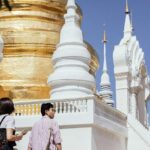
Wat Suan Dok (also known as Wat Buppharam) is described as a Buddhist temple in Chiang Mai, and it’s called a Royal Temple of the Third Class. It’s on Suthep Road about a kilometer west of the city’s old area (based on the distance given in the tour description). This is the kind of stop that often feels calmer than the most crowded temples, so it’s a good moment to slow down and actually take in the atmosphere.
Wat Chedi Luang and the old-center connection
Wat Chedi Luang Varavihara sits in the historic center. The grounds originally included multiple temples—Wat Ho Tham and Wat Sukmin—so it’s a location with layers. Even if you don’t go deep on architecture, it’s easy to appreciate why this place became part of the classic Chiang Mai temple circuit.
Admission is listed as free here, which also makes it a low-stress stop in your day.
Wat Umong: 700-year-old temple on calmer ground
Wat Umong is described as a 700-year-old Buddhist temple. It’s not framed as a “quick selfie corner,” and that’s exactly why it’s nice. If your group wants one slower, reflective pause between more active sightseeing, this can help.
Wat Chiang Man: old city temple energy
Inside the old city area, Wat Chiang Man is listed as a key temple stop. Old-city temples often feel more connected to daily life than out-of-town sites, so expect a different vibe—less “destination viewpoint,” more “living neighborhood landmark.”
Tha Phae Gate, Warorot (Kad Luang), and the flower-and-orchid stops
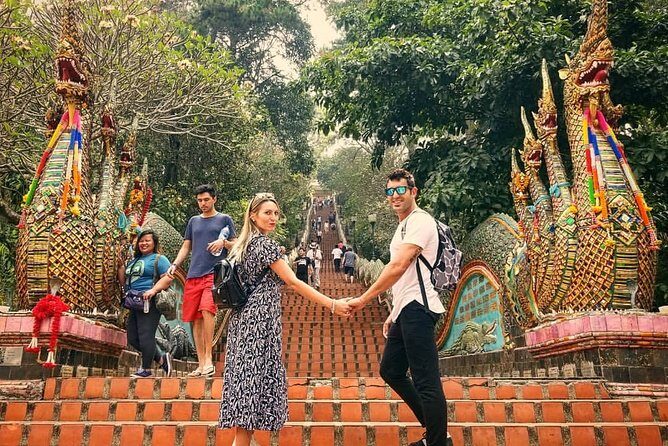
After temples, this tour also threads in places that show local Chiang Mai beyond temple gates. These stops help break up the day so you’re not only walking between religious sites and viewpoints.
Tha Phae Gate: a historic city centerpiece
Tha Phae Gate is described with a poetic feel—romantic, beautiful, enchanting—which matters because it sets context. A city gate is more than a photo spot; it’s where you can understand how Chiang Mai’s old structure shaped movement and gathering spaces.
Warorot Market (Kad Luang): what everyday Chiang Mai looks like
Warorot Market, locally known as Kad Luang, is described as the largest and most well-known market in the north region. Admission is listed as free, and this is the kind of stop where you can snack lightly, watch daily life, and pick up small items if you want.
If markets aren’t your thing, treat this as a short, flexible break. You don’t need to “shop”—you can just walk, look, and recharge before the next leg.
Khamthiang Flower Market and Bai Orchid & Butterfly Farm
Two later stops lean into Chiang Mai’s plant side:
- Khamthiang Flower Market, described as a smaller, tucked-away market where locals buy flowers (right next to the Lotus Supermarket)
- Bai Orchid and Butterfly Farm, with greenhouse areas for butterflies and plants, plus orchids and a café
These are the types of stops that work especially well in the middle or later part of the day, when you want a calmer setting after temple crowds. Since your tour includes them as free admission stops, it also keeps costs predictable.
Waterfall time: Bua Thong’s sticky climb and the swim window
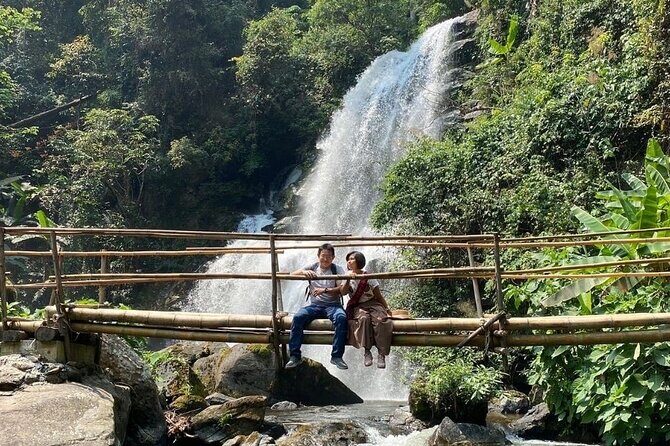
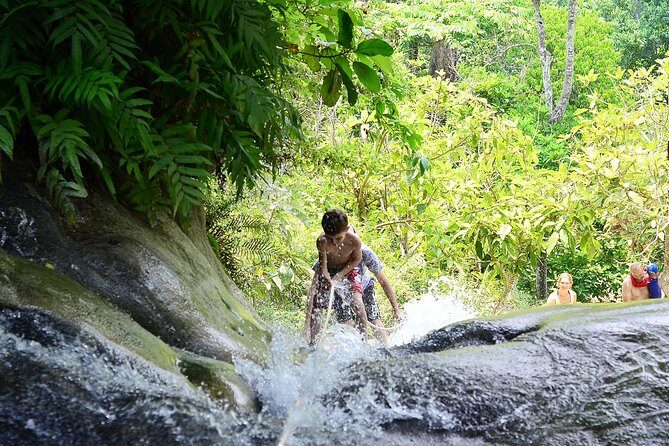
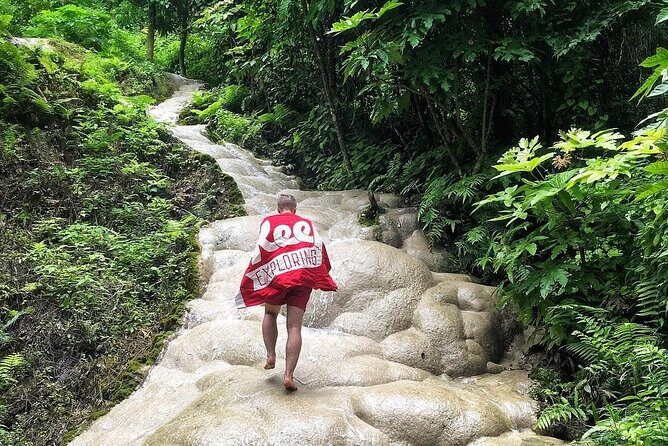
This is the reason many people book. Bua Thong Waterfalls (Nam Phu Chet Si) are located about an hour and a half drive north of Chiang Mai’s old city. The signature feature is that you can climb directly up the rocks into the oncoming cascading water—so it’s part nature walk, part playtime.
The tour schedules a block for this clearly: you arrive around 12:30 PM, then there’s free time to swim and take pictures at about 2:00 PM. That gives you time to enjoy the falls at a relaxed pace rather than rushing straight from arrival to water.
A few things to consider:
- The rock climb feature can be slippery. You’ll want good balance and willingness to get wet.
- Because this is an active water stop, a moderate physical fitness level is important (and listed for this tour).
- Waterfalls can be seasonal. The tour includes other falls too, like Huay Keaw, described as seasonal with a short walking trail—so conditions can vary.
If you want a “photo-only” waterfall day, this one may be too hands-on. If you want to actually do something at the falls, it’s a lot of fun.
Seasonal nature add-ons and what “good weather” really means
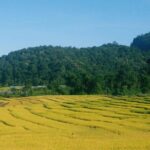
The tour is designed around scenery, not just monuments. Alongside Bua Thong, there’s Huay Keaw Waterfall, described as seasonal and set in a picturesque natural area with a short walking trail. There’s also Doi Inthanon National Park listed as part of the day, described as rugged mountainous terrain with lush forests and waterfalls.
Here’s the key reality: the experience requires good weather. If weather ruins the day, you’ll be offered a different date or receive a full refund. That’s not a tiny detail—it’s what can separate an epic-looking waterfall day from a damp, disappointing one.
So if your Chiang Mai dates are tight, consider booking this earlier in your stay, not your final day. That way you have flexibility if the weather shifts.
Timing on the ground: how the day flows (and where you’ll feel it)
From the provided schedule rhythm, your day typically looks like this:
- 8:00 AM hotel pickup
- 9:00 AM arrival at Doi Suthep
- 10:00 AM blessing and wrist tying ceremony
- 12:30 PM arrive at Bua Thong Waterfalls
- 1:30 PM lunch time
- 2:00 PM free time to swim and take photos
- 3:00 PM return to your hotel
- 4:00 PM arrive back
Even if your route includes extra stops along the way, the structure still holds: morning sacred sites, midday transition to nature, then an afternoon water window.
To make the day easier on yourself, I’d plan for:
- Heat and sun in the waterfall area (protect your skin and eyes)
- A bigger day of walking than you might expect, especially with the sticky-rock climb
- Photos that you’ll want to take slowly, not in a rushed “capture and go” way
If you’re the type who gets tired easily by afternoon, you might want to set a simple goal: do the ceremony carefully, enjoy Bua Thong fully, then let everything else be a bonus.
Price and value: what $133 buys in a private, all-inclusive style day
At $133 per person, this tour lands in the “premium but not outrageous” range for Chiang Mai. What makes it feel closer to good value is that it’s private—only your group—and it includes hotel pickup and an English-speaking guide.
Also, the route includes multiple sites with admission ticket included (like Doi Suthep, plus several other temple stops), while other stops are listed as free. You also get mobile ticket convenience, which helps you move efficiently once you’re out in the city.
Where value can vary is expectations. This isn’t a two-stop, super-slow day. It’s structured for variety: temples, gates, markets, and waterfalls. If you want a deeply focused “just the essentials” day, this may feel packed. If you like checking off multiple styles of Chiang Mai—sacred, local life, and water play—it’s a strong format.
Who should book—and who might prefer a lighter day
This works well for:
- Couples, friends, or small groups who want privacy and an English-speaking guide
- People who want both temple meaning and water fun in the same day
- Visitors who like variety: silver temple visuals, historic city gates, market breaks, and active waterfall time
It may not be ideal if:
- You hate busy itineraries or you’re prone to getting cranky on long sightseeing days
- Your group has limited mobility and you’d rather avoid active rock climbing
If your priority is just one temple or just one waterfall, you might want a more focused tour. But if your priority is “see a lot without handling logistics,” this one fits.
Should you book this Chiang Mai Doi Suthep and Sticky Waterfall tour?
I’d book it if you want a day that actually changes gears: ceremony at Doi Suthep in the morning, then Bua Thong’s climb-and-swim waterfall later. The private hotel pickup, the guide-led flow, and the mix of temple styles and local stops add up to a solid “first-timer friendly” experience without being boring.
Skip or rethink it only if you’re searching for a quiet, minimal itinerary. This day is full. Bring your best stamina, accept you’ll be moving most of the day, and you’ll likely come home with pictures, stories, and a wrist-tied reminder of the morning.
FAQ
How long is the Chiang Mai Doi Suthep and Sticky Waterfall tour?
The duration is listed as 6 to 8 hours approximately.
Is this tour private?
Yes. It’s a private tour/activity, and only your group participates.
Do I get hotel pickup?
Yes. Pickup is offered, and the schedule shows hotel pickup at about 8:00 AM.
What happens at Wat Phra That Doi Suthep?
At Wat Phra That Doi Suthep, you receive a holy blessing and participate in a wrist tying ceremony.
Are admission tickets included?
Admission tickets are listed as included for several stops such as Wat Phra That Doi Suthep, Wat Rajamontean, Wat Sri Suphan, Tha Phae Gate, and Wat Suan Dok. Other stops are listed as free.
Is there swimming or climbing at the waterfalls?
Yes. At Bua Thong Waterfalls, there is free time to swim and take pictures, and the waterfall feature includes climbing directly up the rocks into the cascading water.
Does the tour depend on weather?
Yes. The experience requires good weather. If it’s canceled due to poor weather, you’ll be offered a different date or a full refund.
What is the cancellation policy?
You can cancel for free up to 24 hours in advance for a full refund, based on the local start time.