REVIEW · CHIANG MAI
Chiang Mai Cooking Class
Book on GetYourGuide →Operated by TTWU Company Limited · Bookable on GetYourGuide
A good cooking class teaches you recipes. This one also teaches how to shop and cook Thai food. I like the short, practical market tour and the hands-on structure that turns that shopping into a full meal. The one watch-out: it’s only 5 hours, so you’ll be moving at a steady pace.
You’ll start with pickup from Chiang Mai’s old town area, then head out with the chef for a vegetable market visit where you’ll help choose groceries for the class. After that, you’ll cook with a small group (up to 10) and get instruction in English and Thai. One consideration: if you’re looking for a super relaxed, slow experience, the tight timing may feel a bit busy.
In This Review
- Key Takeaways Before You Go
- Chiang Mai Cooking Class: The Market Stop Sets the Tone
- What to expect at the market
- Pickup From Old Town and the Fast Route to the Class
- The Chef Introduction: Thai Kitchen Basics and Menu Choices
- A quick heads-up about learning style
- Hands-On Cooking: Small Group, Real Practice
- Where the cooking happens
- The Menu Gets You a Full Thai Meal (Not Just a Sample)
- Why this is good value at $45
- Vegetarian, Vegan, and Gluten-Free Options That Don’t Feel Like a Compromise
- Pacing: The Strength (and the Only Real Drawback)
- Who This Chiang Mai Cooking Class Is Best For
- Should You Book This Chiang Mai Cooking Class?
- FAQ
- FAQ
- How long is the Chiang Mai cooking class?
- Where does pickup and drop-off happen?
- Is there a market visit included?
- Are vegetarian, vegan, or gluten-free options available?
- How big is the group?
- What languages are the instructor able to teach in?
- Does the price include ingredients and cooking instruction?
- Is hotel pickup provided?
- Can I cancel for a full refund?
- Is there a reserve now, pay later option?
Key Takeaways Before You Go
- Old Town pickup and drop-off makes this easy to fit into a Chiang Mai itinerary
- Vegetable market grocery shopping helps you understand what you’re actually cooking
- Small group (10 max) means more attention while you chop, stir, and taste
- Vegetarian, vegan, and gluten-free options are available if you choose them
- A full-meal cooking format focuses on multiple dishes, not just one recipe
- English and Thai instruction keeps the technique clear even if your Thai is limited
Chiang Mai Cooking Class: The Market Stop Sets the Tone
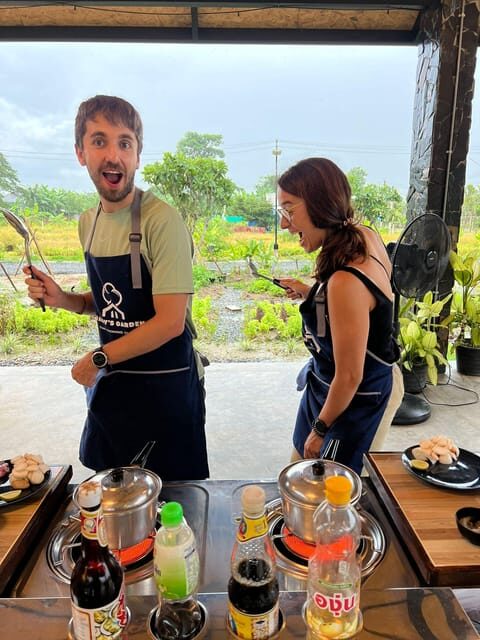
Thai cooking classes can fall into two traps: you either get a lecture with little cooking, or you get cooking without context. I like that this class starts with the context. After booking, the experience manager confirms your spot, and then pickup happens within the Chiang Mai Old Town area.
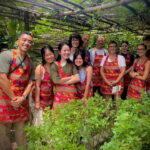
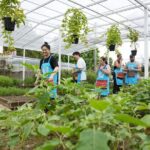
Then the chef leads you to a local vegetable market. The point isn’t just sightseeing. You’re there to buy groceries for what you’ll cook later, with help from the chef. That makes the market stop genuinely useful. You’ll see ingredients in the way Thai cooks shop: fresh, seasonal, and practical.
In one class example, the market visit was described as a highlight because the chef explains a lot as you go. That’s exactly what you want from a market tour: quick, specific guidance that turns into better decisions at the stove.
You can also read our reviews of more cooking classes in Chiang Mai

What to expect at the market
You’ll typically get:
- Direction on what to look for as ingredients for your dishes
- Help choosing groceries that match the class menu
- A more Thai way of thinking about flavor building, even before you start cooking
Trade-off to note: the market portion is part of the 5-hour run time. So while you’ll learn, you’re not signing up for a half-day wander. You’ll want to be ready to walk, ask questions, and keep moving.
Pickup From Old Town and the Fast Route to the Class
Chiang Mai is spread out, and timing matters. This experience includes hotel pickup and drop-off within the old town area, which removes a common hassle with cooking classes: figuring out transportation at the exact time you need to be somewhere.
From pickup, the plan flows:
- Confirming your booking with the experience manager
- Picking you up in old town Chiang Mai
- Meeting the chef for the market segment
- Moving to the cooking location for the class portion
Because the total time is 5 hours, I recommend building your day with buffer. Don’t stack another activity that depends on tight timing right after. Cooking classes feel short until you’re in one and realize how much attention it takes to chop, stir, taste, and learn.
The Chef Introduction: Thai Kitchen Basics and Menu Choices
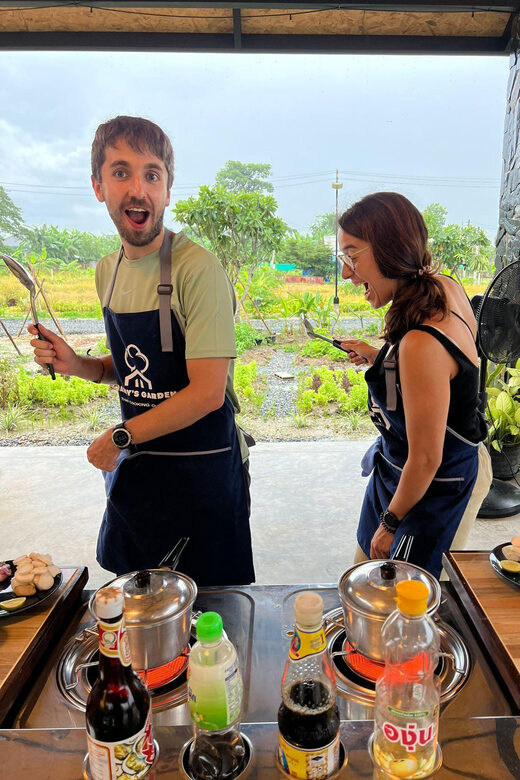
Once you’re at the class location, the chef explains the Thai kitchen and goes into the menu in detail. This isn’t just a list of dishes. It’s the stage where you learn the logic behind what you’ll cook—how flavors work together and what techniques matter.
You’ll also have options to prepare vegetarian, vegan, or gluten-free dishes. That’s important. In a lot of Thai food experiences, dietary needs turn into an afterthought. Here, you’re given a real choice.
One class example also suggests that participants selected courses across the meal—appetizer, soup, rice/noodle, curry, and dessert. That kind of structure is a smart teaching strategy: you repeat fundamentals in different forms, so you come away with more usable knowledge than if you only learned one dish.
A quick heads-up about learning style
The instructor is listed as English and Thai, and the class is hands-on. If you prefer to watch first and cook later, this format may still be fine because you’ll be guided step-by-step. But you should expect to participate rather than observe.
You can also read our reviews of more tours and experiences in Chiang Mai


Hands-On Cooking: Small Group, Real Practice
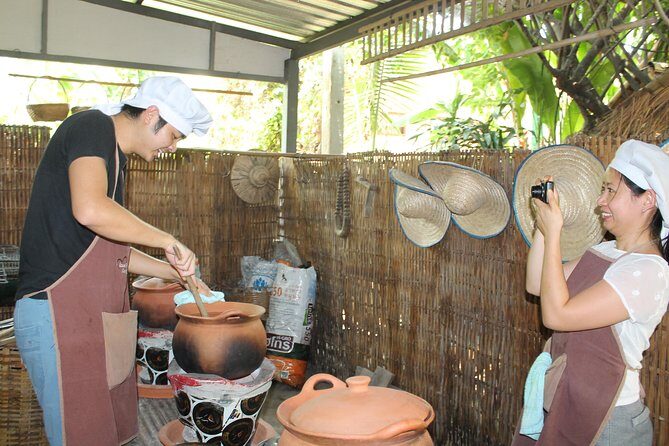
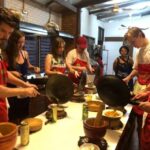
This is where the class earns its value. The group is limited to 10 participants, which matters more than people think. A bigger class often turns into you watching someone else cook while you wait your turn. Here, the small size supports active cooking.
During the hands-on session, you’ll be doing the core tasks:
- Preparing ingredients you picked in the market
- Cooking multiple dishes (not just one quick plate)
- Getting live instruction so you understand what to change if flavors are off
One class example described a fun, upbeat instructor style and good pacing. That matches what you want from a small-group Thai cooking class: the chef doesn’t just teach recipes; they keep the energy up while you learn.
Where the cooking happens
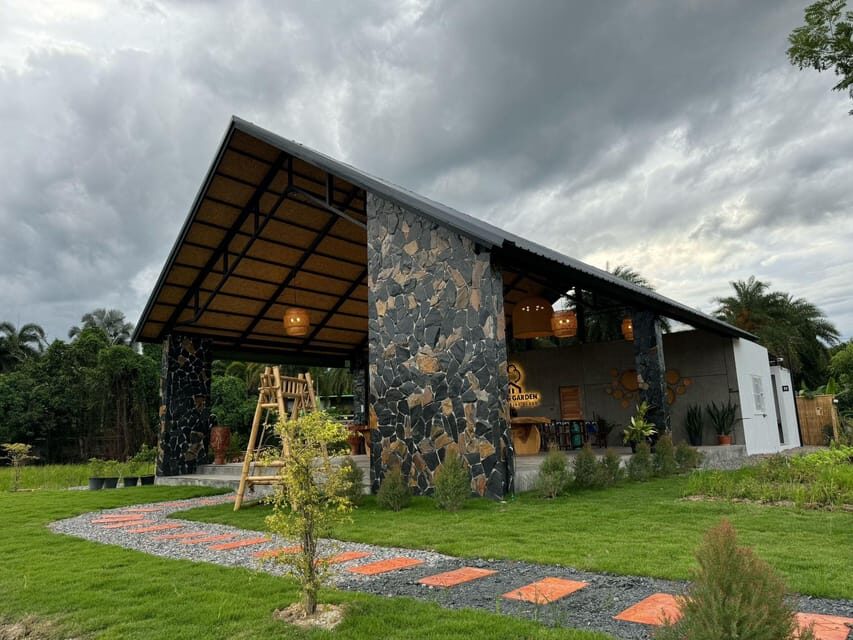
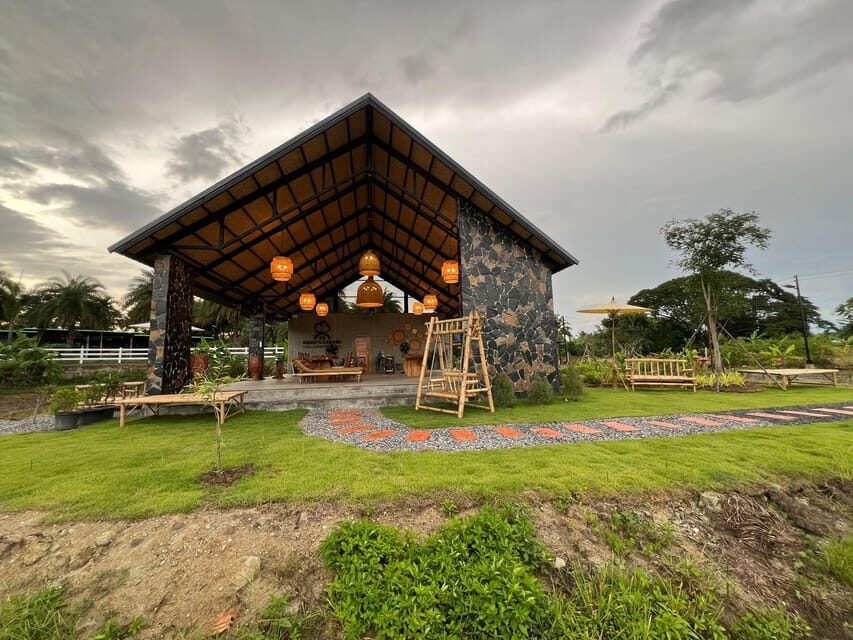
In one described experience, the cooking was done in an open-air setting outside Chiang Mai. That’s not something every class will match, but it gives you a sense of the vibe: more casual and practical than a stuffy indoor demo kitchen.
The Menu Gets You a Full Thai Meal (Not Just a Sample)
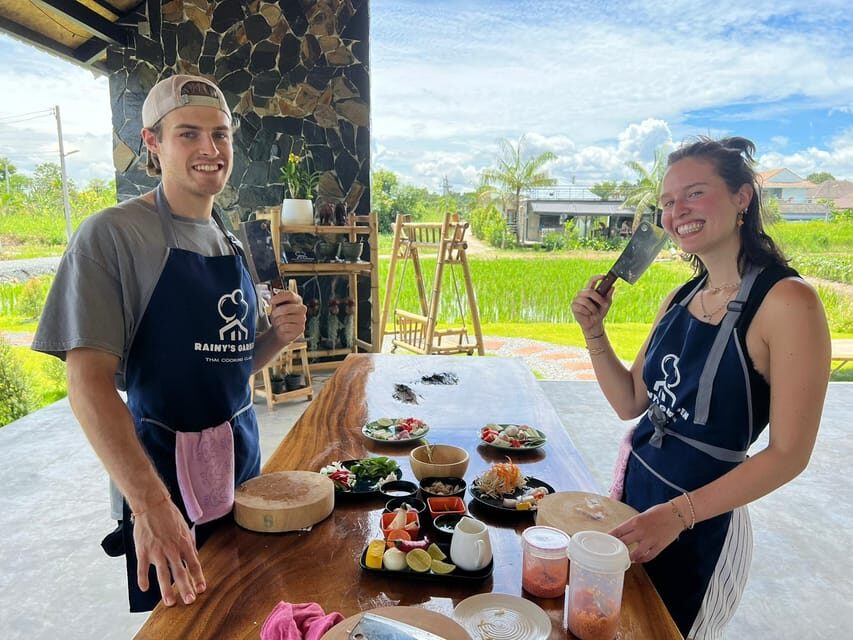
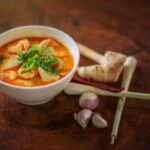
A big reason people rate this style of class highly is simple: you eat well. The structure is designed to produce a full meal.
In one recent example, each person selected:
- one appetizer
- one soup
- one rice/noodle dish
- one curry
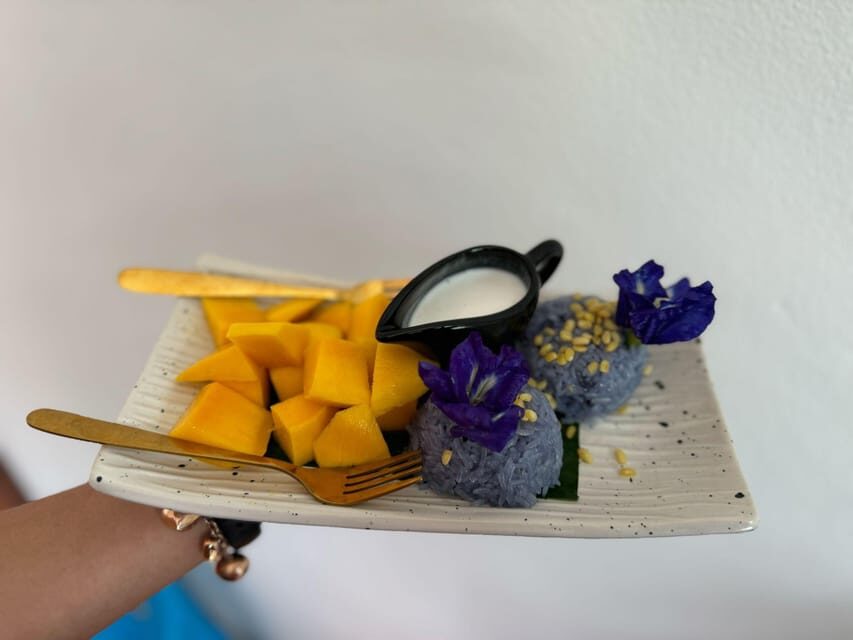
- mango sticky rice for dessert
Even if your exact menu varies, the lesson holds: you’ll practice across different Thai food categories—creamy, spicy, fresh, and sweet—so you understand how the cuisine balances those elements.
Why this is good value at $45
Let’s talk value in a grounded way. For $45 per person and 5 hours, you’re getting:
- pickup and drop-off within old town
- a local market visit
- a hands-on class
- ingredients included
- instruction from a local chef
When ingredients and logistics are handled for you, the cost isn’t just paying for recipes. You’re paying for coordination plus real time learning technique. If you tried to recreate this experience on your own, you’d still need to plan a market stop, buy ingredients, and line up a cooking setup.
Vegetarian, Vegan, and Gluten-Free Options That Don’t Feel Like a Compromise
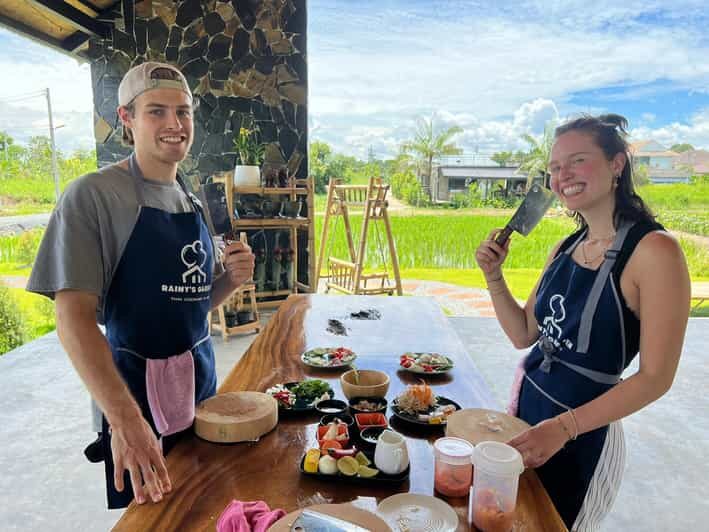
Thai food can be incredibly flexible, but only if the class actually supports adaptations. This one specifically notes options for vegetarian, vegan, and gluten-free dishes.
In practical terms, that means you don’t have to settle for a simplified plate. You can choose a route that fits your diet and cook those dishes during the class itself.
If you’re vegan or gluten-free, I’d treat this as a serious advantage. Many cooking experiences say they can adjust, but the kitchen setup doesn’t always follow through. Here, the class is framed as offering choices for preparing those dishes in the session.
Pacing: The Strength (and the Only Real Drawback)
The class is 5 hours and small-group friendly. That usually creates two outcomes:
- You’ll learn a lot and eat well because you’re cooking multiple dishes
- You’ll keep a steady rhythm because there’s only so much time
The downside is obvious: there’s less slack for chatting, lingering, or trying extra variations. If you’re the type who loves slow meals and long conversations, you might find the pace a little tight.
Still, if you want a compact, high-yield experience where you leave with techniques and a full plate of food, the timing works.
Who This Chiang Mai Cooking Class Is Best For
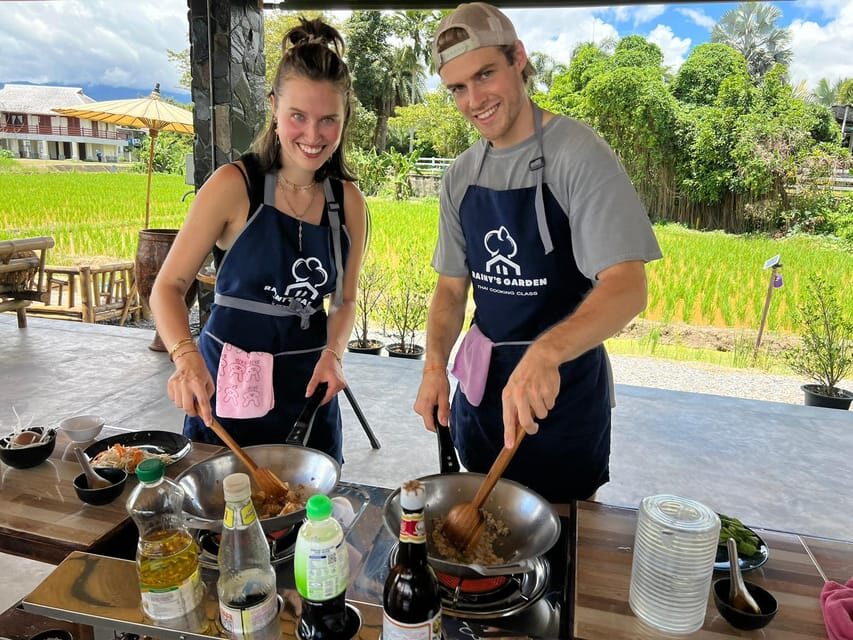
This class fits best if you want:
- a hands-on Thai cooking experience rather than a passive tour
- a market-to-kitchen format that connects ingredients to recipes
- dietary flexibility via vegetarian, vegan, and gluten-free options
- a small group atmosphere (10 max) so you can actually ask questions
It’s also a good pick for couples or friends visiting Chiang Mai who want a shared activity that ends with a meal. And it’s a fine choice for solo travelers, too, since small groups usually feel more conversational than crowded tours.
If you’re already an advanced Thai cook and want deep fermentation or advanced wok skills, you might find the structure basic. But for most visitors, the balance of shopping, technique, and eating is exactly the point.
Should You Book This Chiang Mai Cooking Class?
I’d book this if you want a practical Chiang Mai experience that teaches you more than one recipe. The combination of market shopping, hands-on cooking, and a meal that can include courses like mango sticky rice makes the $45 price feel fair for a full 5-hour activity.
Skip it only if you strongly prefer slow, unstructured experiences, or if you’re hoping for a cooking class that focuses on one dish at extreme depth. For everyone else—especially anyone who likes learning by doing—this is one of the most efficient ways to understand Thai food in Chiang Mai.
FAQ
FAQ
How long is the Chiang Mai cooking class?
The experience lasts 5 hours.
Where does pickup and drop-off happen?
Pickup and drop-off are included within the Chiang Mai Old Town area.
Is there a market visit included?
Yes. The experience includes a visit to a local market where you shop for groceries for the class.
Are vegetarian, vegan, or gluten-free options available?
Yes. You can prepare vegetarian, vegan, or gluten-free dishes.
How big is the group?
The class is a small group limited to 10 participants.
What languages are the instructor able to teach in?
The instructor teaches in English and Thai.
Does the price include ingredients and cooking instruction?
Yes. The class includes hands-on cooking, all ingredients for cooking, and a local chef/instructor.
Is hotel pickup provided?
Yes, hotel pickup and drop-off are included for the Old Town area.
Can I cancel for a full refund?
Free cancellation is available up to 24 hours in advance for a full refund.
Is there a reserve now, pay later option?
Yes. You can reserve now and pay later.