REVIEW · CHIANG MAI
From Chiang Mai: Doi Inthanon National Park Day Trip
Book on GetYourGuide →Operated by CHIANGMAI FOOTSTEP TOUR&TRAVEL CO.,LTD · Bookable on GetYourGuide
Cloud forests and waterfalls in one day. This Doi Inthanon National Park tour is a smooth way to hit the 2,565 meters high point, then switch gears to the calm gardens and views at the Twin Pagodas. I especially like how the day mixes serious nature (misty trails and major falls) with culture stops that actually feel local. One consideration: it’s an early start and the weather up there can turn cool and damp, so you’ll want warm layers and gear that handles rain.
You travel by van from Chiang Mai with an English-speaking guide, and the important stuff is handled: park entrance fees and lunch are included. I also appreciate the pacing: you’re not stuck rushing every minute, but there is a moderate amount of walking, so comfortable shoes matter.
In This Review
- Key highlights worth centering your day on
- Price and value: is $61 a smart spend?
- Morning start from Chiang Mai: how the day really begins
- Thailand’s highest point (2,565m) and the Ang Ka Nature Trail
- Twin Pagodas: gardens, monuments, and mountain views
- Hmong market stop: crafts, produce, and seasonal fruit
- Mae Klang Luang village lunch: Karen food, rice terraces, and coffee
- Sirithan Waterfall: misty 40-meter cascades
- Wachirathan Waterfall: big power and multiple viewpoints
- What to pack (and why it matters at mountain altitude)
- Pace, comfort, and who this tour fits best
- Group day structure: how the stops connect
- Should you book the Doi Inthanon day trip from Chiang Mai?
- FAQ
- How long is the Doi Inthanon National Park day trip?
- What is included in the price?
- What should I bring?
- Is there a lot of walking?
- Do I need to dress modestly?
- Is photography allowed?
- Is this tour suitable for wheelchair users or people with back problems?
- Are alcohol or drugs allowed?
- What is the cancellation policy?
Key highlights worth centering your day on
- Thailand’s highest point (2,565m) for cool, misty views and a short shrine visit
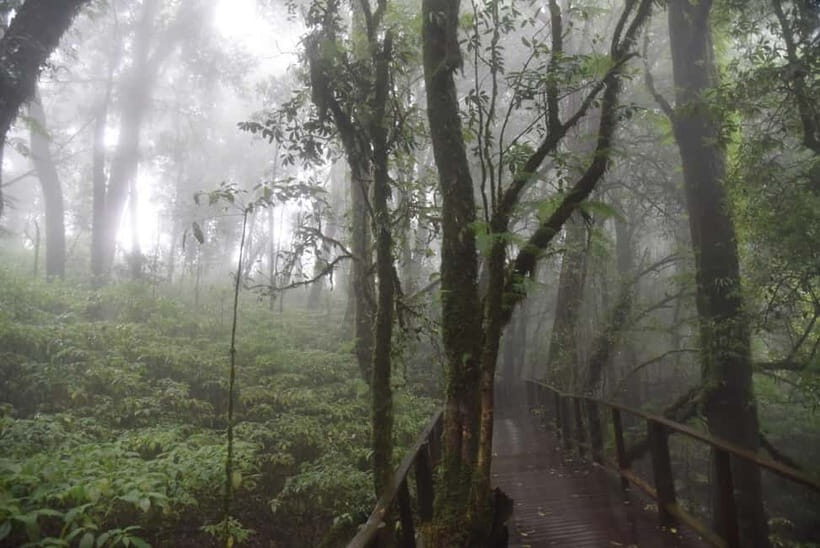
- Ang Ka Luang Nature Trail boardwalk walk through a mossy cloud-forest feel
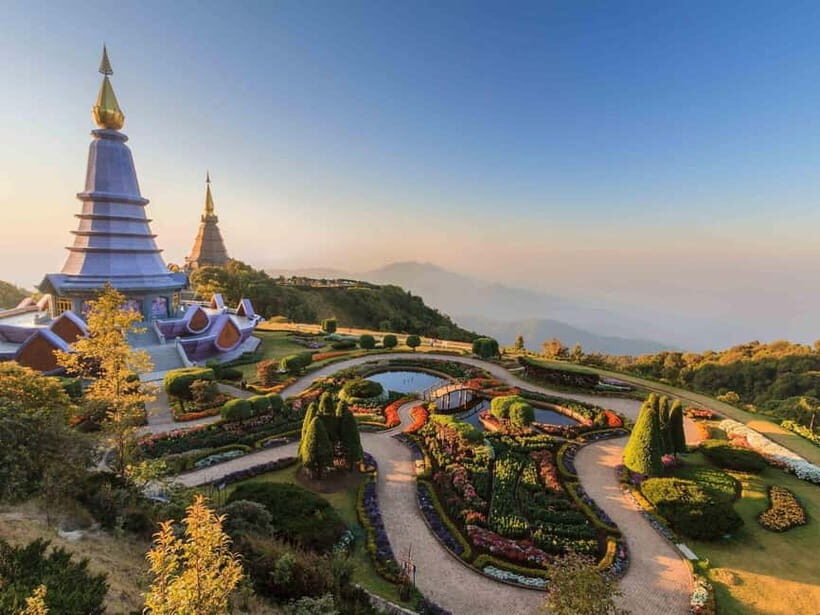
- King and Queen Twin Pagodas with landscaped gardens and mountain-valley panoramas
- Sirithan Waterfall (about 40m) for mist, sound, and photo-friendly viewpoints
- Wachirathan Waterfall for a bigger, more powerful cascade and multiple viewing angles
- Hill tribe culture stops at a Hmong market and a Karen village lunch and coffee moment
Price and value: is $61 a smart spend?
At $61 per person for a full one-day outing, you’re paying for the biggest “value drivers” in this region: van transportation out of Chiang Mai, an English-speaking guide, park entrance fees, and a planned lunch. You’re also getting several major locations in one go—highest peak, twin pagodas, two waterfalls, and two cultural stops—so it’s not just a single sight.
Will it feel “cheap” in the sense that you control every stop yourself? No. But it feels efficient. If you’ve only got a day and you don’t want to negotiate routes, timings, and admission on your own, this is the kind of tour that saves both time and decision fatigue.
You can also read our reviews of more tours and experiences in Chiang Mai
Morning start from Chiang Mai: how the day really begins
This trip kicks off early in the morning, heading out of Chiang Mai by van. That early timing matters here because Doi Inthanon can be cool and misty, and you’ll want the daylight hours for the trails and waterfall photos.
The ride itself isn’t the star, but it sets you up for success: you arrive before the day’s crowds build around the viewpoints and waterfall areas. The guide keeps things organized and provides context as you move between altitudes—important because the feel of the park changes fast as you climb.
Quick practical tip: if you get cold easily, treat the morning like it’s already mountain-weather. Bring the warm layer even if Chiang Mai feels hot when you leave.
Thailand’s highest point (2,565m) and the Ang Ka Nature Trail
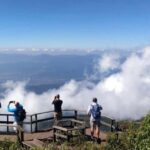
Your first big destination is the highest point in Thailand at 2,565 meters above sea level. Expect a cool, misty atmosphere—more like sweater weather than city heat. The payoff is that this altitude gives you that “cloudy horizon” feeling, where the mountains look softer and the air feels different.
At this stop, you also visit the King Inthanon Memorial Shrine, honoring the ruler after whom the park is named. It’s not a long visit, but it adds meaning to the altitude landmark. Then you get the Ang Ka Nature Trail.
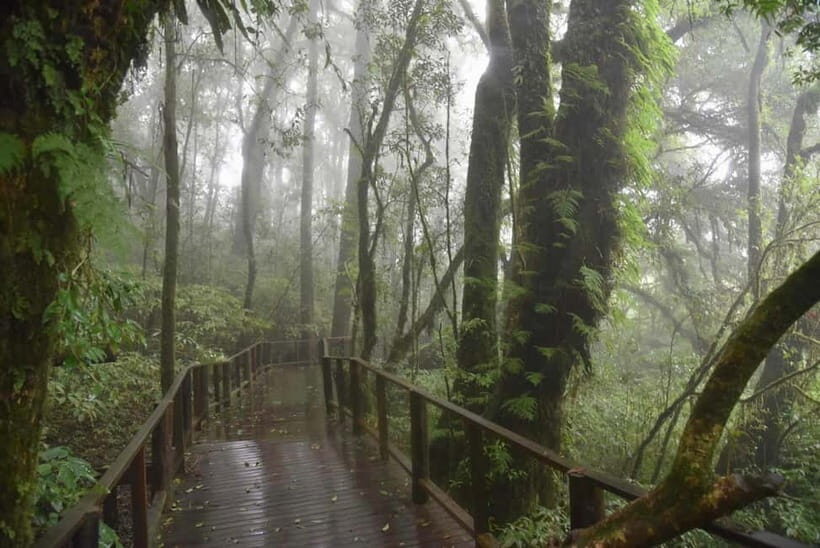
This short boardwalk walk is a highlight for me because it’s designed for accessibility through a fragile ecosystem. You’re walking into a mossy cloud-forest feel—where the vegetation looks damp, thick, and oddly quiet for a place that’s still outdoors and alive.
What to watch for:
- You’ll likely want solid grip shoes. Boardwalk surfaces can be slick if it’s misty or rainy.
- This is a good moment to slow down. The trail is short, but you don’t need to speed through if you want to enjoy the views.
Twin Pagodas: gardens, monuments, and mountain views
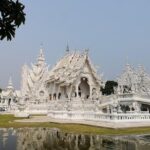
After the cool altitude trail, the tour heads to the King and Queen Twin Pagodas. These are built to commemorate King Bhumibol Adulyadej and Queen Sirikit, and the site is paired with carefully landscaped gardens.
What I like about this stop is the contrast: after misty forest and boardwalk textures, you get wide sightlines. The views over the surrounding mountains and valleys can be very satisfying here, especially if the morning mist has lifted enough.
The gardens also help with pacing. Even if you’ve been walking, you can take your time, wander the grounds, and reset your feet before the waterfalls.
Dress note: keep your clothing respectful when you’re on religious grounds, especially if you’re near garden paths and people are moving slowly.
Hmong market stop: crafts, produce, and seasonal fruit
Then comes a cultural stop at a local market connected with the Hmong hill tribe. This isn’t a “stand there and pose” stop. You can browse handmade crafts, fresh produce, and souvenirs, and it’s a practical way to see what highland communities offer besides the view.
You’ll also have a chance to taste seasonal highland fruits like strawberries and persimmons (if they’re available that day). That’s one of those small travel wins that you remember later, because it’s tied to the season and the growing conditions at elevation.
Even if you don’t buy anything, try to look closely at what people are making and what’s in season. It helps you understand why the next stops feel connected to everyday life, not just scenery.





Mae Klang Luang village lunch: Karen food, rice terraces, and coffee
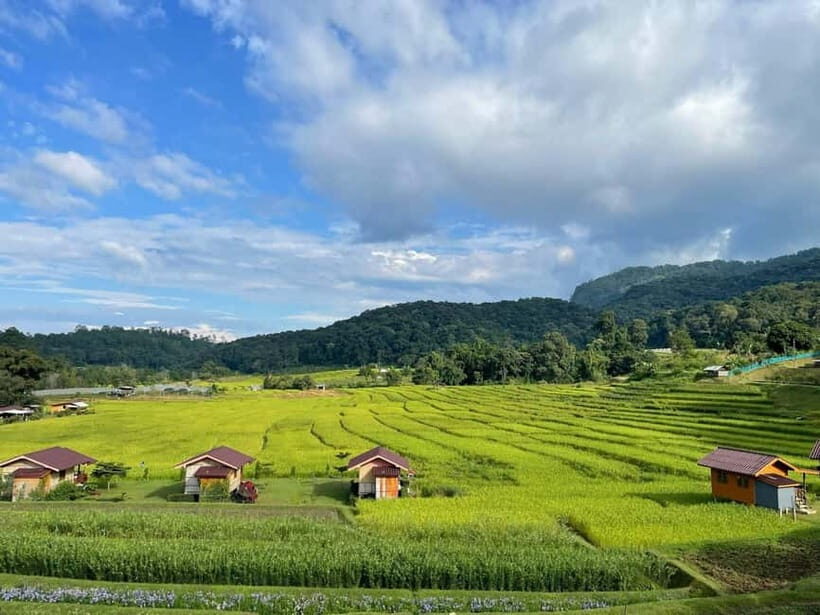
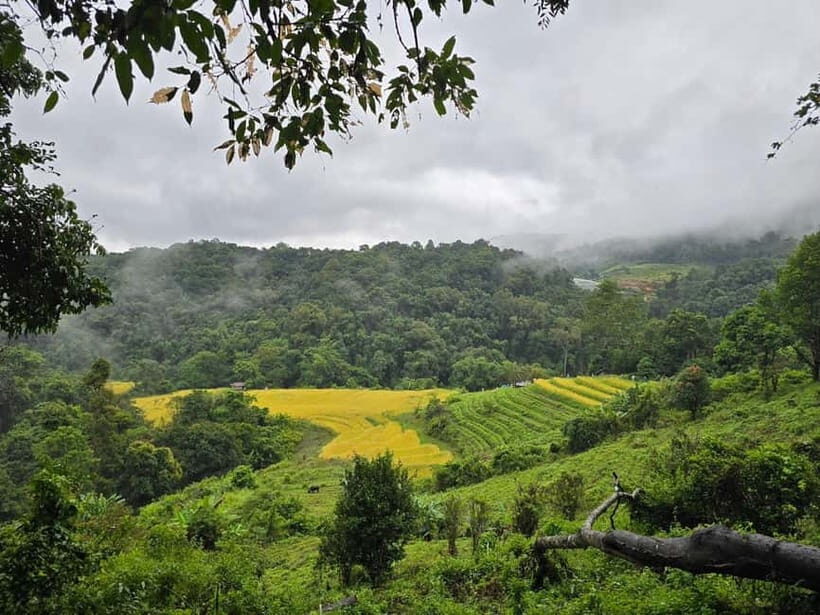
Lunch is at Mae Klang Luang, described as a Karen hill tribe village with terraced rice fields and a calm setting. The food is presented as authentic Thai dishes made with fresh ingredients, and the timing here works well because you need a break before the waterfall-heavy part of the day.
After lunch, you stroll through the village to understand traditional life and sustainable farming practices. One feature to pay attention to: organic coffee production. If you enjoy coffee, this is more than a souvenir moment—it’s a tangible link between land use and what people earn from it.
If you’re a coffee person, you’ll likely appreciate the freshly brewed cup. If you’re not, it still gives you a chance to learn what “organic and local” means in this context—right down to how the community connects agriculture with the environment.
Sirithan Waterfall: misty 40-meter cascades
Next you hit the Sirithan Waterfall, fed by the Mae Klang River. The tour frames it as a striking cascade around 40 meters, and that length shows in person. You get that constant sound of rushing water, plus the cool mist that rises around the falls.
This is a great stop for photography because the waterfall is strong enough to matter, but you’re also in a lush, forested environment. The mist can soften the light, which sometimes makes photos look more atmospheric and less harsh.
Practical caution: keep an eye on your footing. Waterfalls attract slippery surfaces, especially if the area is damp from spray.
Wachirathan Waterfall: big power and multiple viewpoints
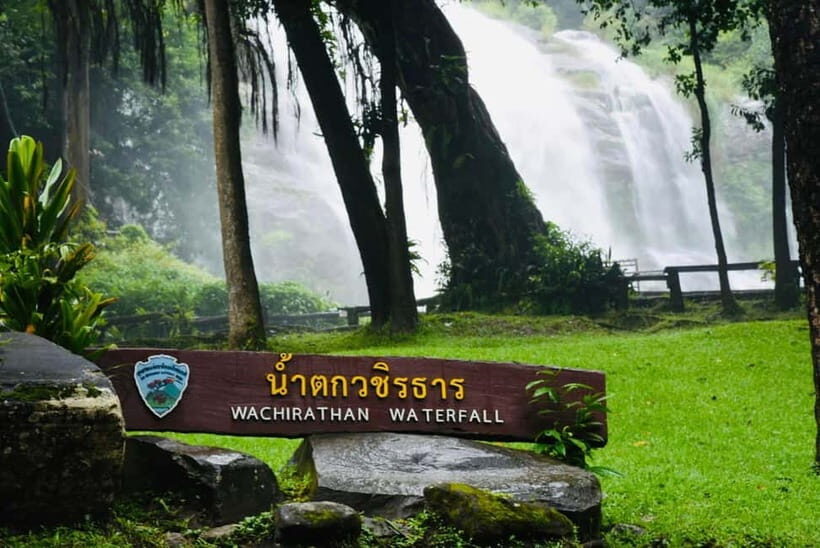
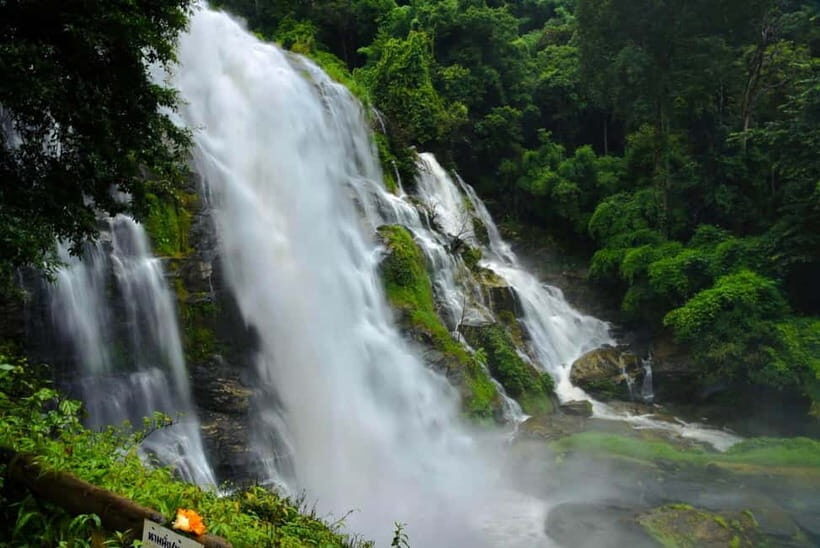
Then comes the day’s “wow” waterfall for many people: Wachirathan Waterfall. It’s described as one of the larger and more powerful waterfalls in the park, with water tumbling dramatically over a granite escarpment.
The guide route includes walking along viewing platforms so you can get different perspectives. If you’re lucky with the angle and sunlight, the mist and spray can create rainbow effects—something that feels almost guaranteed to make people stop talking for a moment.
If you’re thinking in terms of time and energy, Wachirathan is where you should go slowly. Don’t rush the platform sequence. Give yourself a few minutes at each angle so you can see how the waterfall’s look changes with distance and viewing height.
What to pack (and why it matters at mountain altitude)
The tour gives a clear packing list for a reason. At Doi Inthanon, the day can feel like it runs through multiple weather moods.
Bring:
- Warm clothing (especially for the morning)
- A hat for sun breaks and also for rain protection if it’s sprinkling
- Comfortable shoes with good grip (moderate walking + possibly wet ground)
- Water to stay hydrated during the walk segments
- Sunscreen because UV can still be strong even when it feels cool
- Insect repellent
- Camera if you love nature shots and waterfall motion
I’d add one personal rule: pack your rain layer where you can reach it fast. You’re going to want it without digging through a bag when the weather shifts.
Pace, comfort, and who this tour fits best
This is a 1-day trip with a moderate amount of walking. You’re not doing a long hike, but you do move between viewpoints, trails, and waterfall platforms.
That pace makes sense if you want variety: highest peak + nature trail + pagodas + two falls + two cultural stops, all in one outing. It’s not ideal if you need very minimal walking, or if you struggle with uneven or slippery surfaces.
The tour is also listed as not suitable for:
- Children under 3 years
- Pregnant women
- People with back problems
- Wheelchair users
- People over 220 lbs (100 kg)
And there’s a specific altitude note: if you have health issues related to altitude, consult your doctor before booking. Even if you don’t usually think about altitude on day trips, Doi Inthanon is high enough to matter.
Group day structure: how the stops connect
One reason this tour works is the way the day “themes” itself without being forced.
- You start with altitude (highest point + cool air).
- Then you move into forest ecology (Ang Ka boardwalk trail).
- After that, it turns into cultural landmarks (Twin Pagodas gardens).
- Next you shift to people and daily life (Hmong market).
- Then you settle into food and farming (Karen lunch, rice terraces, organic coffee).
- Finally, you close with water power (Sirithan and Wachirathan).
You end with the drive back to Chiang Mai while the day’s memories are still fresh—forest, gardens, markets, and waterfalls all in sequence.
Also, because the guide is English-speaking, you’re not left guessing what you’re looking at. That matters most at the shrine, the nature trail, and the cultural stops.
Should you book the Doi Inthanon day trip from Chiang Mai?
Book it if you want one efficient day that covers the park’s top ingredients: highest peak, cloudy nature trail, Twin Pagodas, Sirithan and Wachirathan waterfalls, plus culture stops where you can browse, taste, and learn.
Skip it or think twice if you:
- Hate early mornings and cool weather surprises
- Need very low walking
- Have altitude-related health concerns
- Are traveling with mobility limits that make stairs or wet ground risky
If you’re the kind of traveler who likes a full day with clear highlights and minimal planning stress, this is a solid choice. For $61, you’re buying access, transportation, and a guided route through the best-known sights of Doi Inthanon in a single day.
FAQ
How long is the Doi Inthanon National Park day trip?
It runs for 1 day.
What is included in the price?
The tour includes van transportation, an English-speaking guide, entrance fees to Doi Inthanon National Park, lunch at a local restaurant, and insurance.
What should I bring?
Bring comfortable shoes, warm clothing, a hat, camera, sunscreen, water, and insect repellent. The tour also suggests a jacket for cooler mountain mornings and being ready for possible rain.
Is there a lot of walking?
The tour includes a moderate amount of walking, including walking on trails and platforms.
Do I need to dress modestly?
Yes. When visiting hill tribe villages, you should dress modestly and respect local customs.
Is photography allowed?
Photography is allowed, but be respectful and ask permission before taking photos of local people or inside homes.
Is this tour suitable for wheelchair users or people with back problems?
No. It is listed as not suitable for wheelchair users and people with back problems.
Are alcohol or drugs allowed?
No. Smoking, alcohol, and drugs are not allowed.
What is the cancellation policy?
Free cancellation is available up to 24 hours in advance for a full refund.