REVIEW · CHIANG MAI
Chiang Mai: Ethical Elephant Feeding & Shower Program
Book on GetYourGuide →Operated by Elephant Jungle Sanctuary Chiang Mai · Bookable on GetYourGuide
Elephants and rain might not sound like a plan. Yet this Feed & Shower program turns it into a short, guided afternoon at Elephant Jungle Sanctuary Chiang Mai. I love how close you get to rescued elephants in a structured way, with staff explaining what you’re seeing and what to do next.
My other favorite part is the human one: the guides and staff keep the visit lively and educational. Big shout-out to On, who helped make the whole experience fun and clear, including details about elephants’ origins and behavior. A heads-up: this isn’t a dry, sit-and-watch activity, so bring the right gear (you will get wet during the shower portion).
In This Review
- Key highlights to know before you go
- How this Feed and Shower fits your Chiang Mai schedule
- Arriving at the sanctuary: your briefing and your role
- Feeding from the viewing platform: up close without chaos
- The rain shower: why swimwear matters and what to expect
- The guide makes it: learning about elephant origins and behavior
- Poop paper class: the sustainability lesson you can feel good about
- Price and value: what $30 gets you in real terms
- What to bring: your checklist for a wet, sunny Chiang Mai day
- Logistics you should plan ahead of time
- Who this elephant program is best for
- Should you book the Chiang Mai Feed and Shower experience?
- FAQ
- How long is the Chiang Mai Feed and Shower program?
- What is included in the ticket price?
- Do I need to bring swimwear and a towel?
- Is transportation to and from the sanctuary included?
- What language is the tour guide in?
- Can I add the tie dye workshop?
- What should I bring besides swimwear?
Key highlights to know before you go
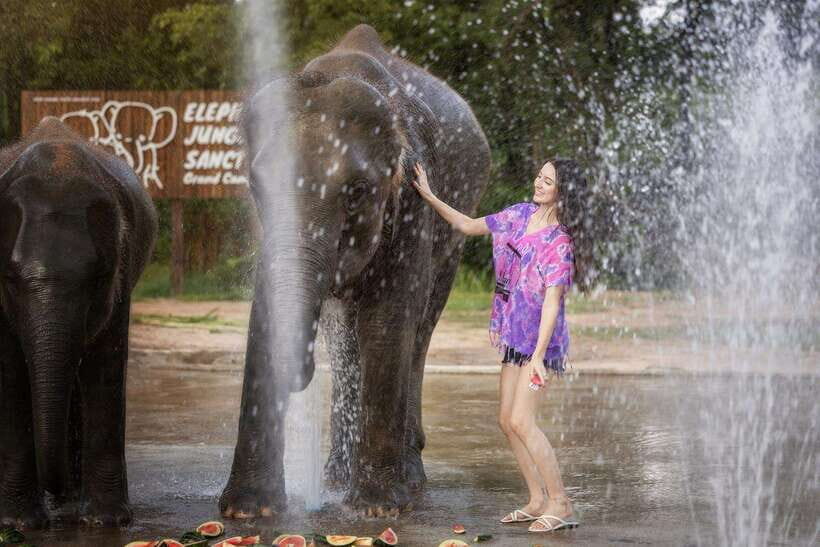
- Two big moments: feeding from a viewing platform, then joining the elephants in an outdoor rain shower
- Safety + guidance: a briefing on elephant behavior and safety rules before you start
- Hands-on education: you help with preparation of natural dietary supplements and learn feeding habits
- Sustainability activity: a short Elephant Poop Paper class that ties to recycling efforts
- Staff you’ll remember: friendly, helpful team, with guides like On making it engaging
How this Feed and Shower fits your Chiang Mai schedule
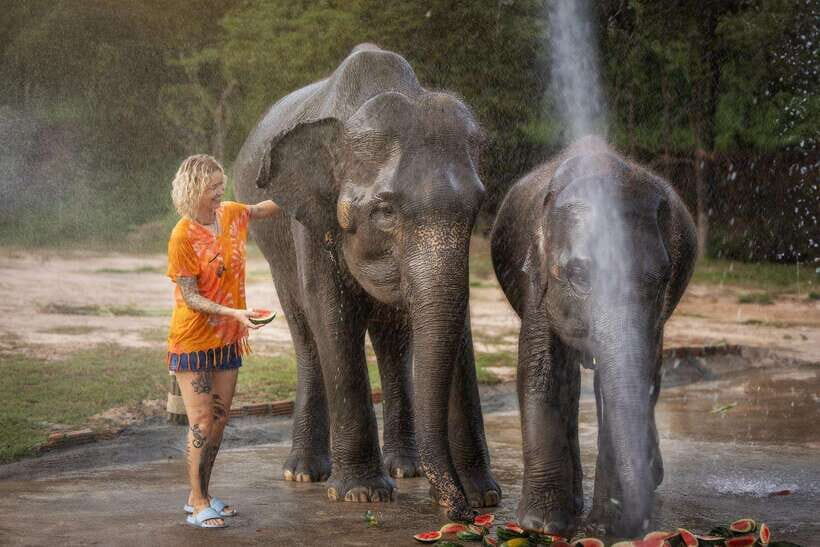
This experience is built for people who want elephant time without losing an entire day. Plan for 2 to 4 hours, with starting times depending on availability, and expect a guided flow from arrival to goodbye. If you’re juggling temples, night markets, cooking classes, or a packed Chiang Mai itinerary, the timing is one of the smartest parts of the deal.
One practical note: transportation isn’t included. That means you’ll want to line up your own ride (grab/taxi or a planned pickup) so you don’t feel rushed. Also, meals aren’t included, so if you’re doing this between activities, plan a light snack beforehand.
The program is offered by Elephant Jungle Sanctuary Chiang Mai, and the format is simple: arrive, get briefed, feed and interact in an ethical way, cool off with the elephants in a custom-built shower, then finish with an education-focused sustainability class.
You can also read our reviews of more tours and experiences in Chiang Mai.



Arriving at the sanctuary: your briefing and your role
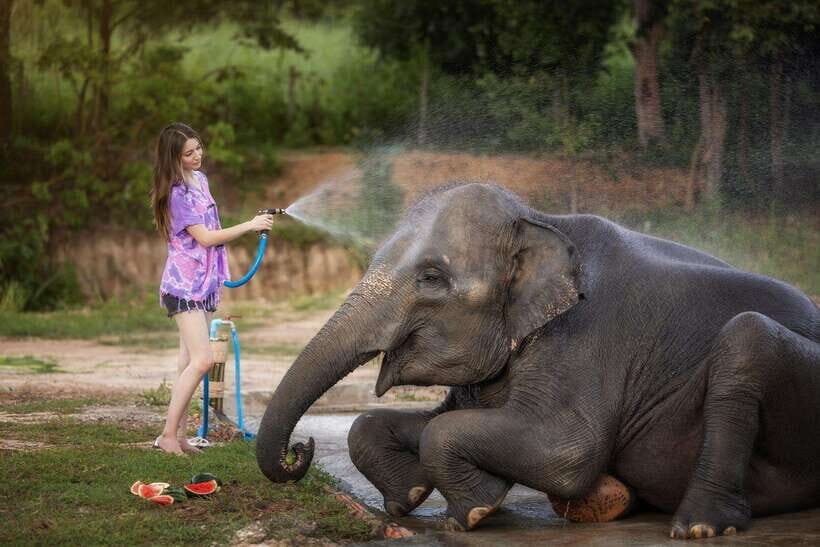
When you arrive, you’ll start with a briefing that covers three things: general elephant info, behavior you may notice during the visit, and the safety guidelines you’re expected to follow. This matters more than it sounds. Elephants are calm, but you still need to understand how your actions can affect their comfort.
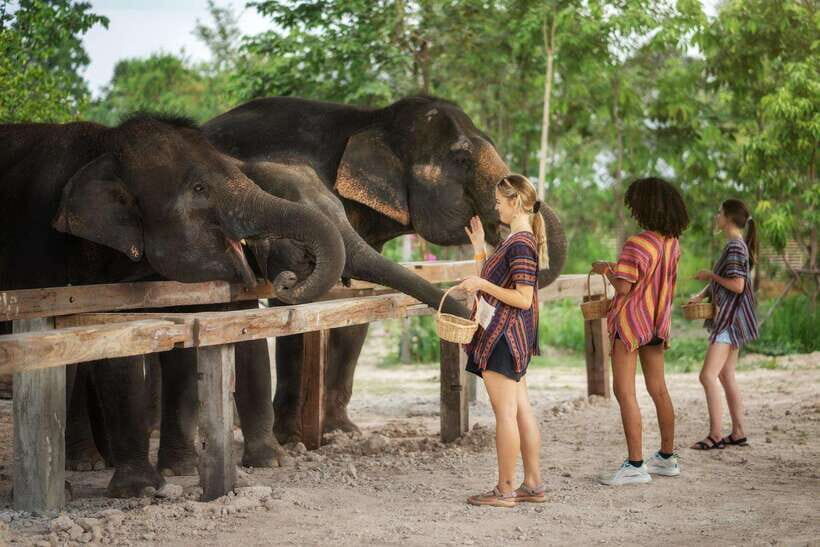
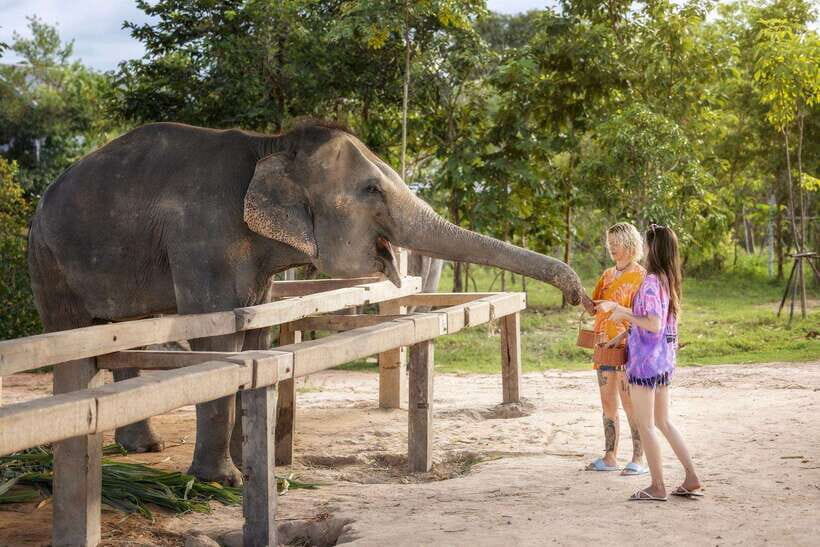
After the briefing, the experience moves into preparation and feeding. You’ll observe the elephants the sanctuary cares for, and you’ll feed them fresh seasonal fruit and vegetables. You’re not just holding out food and hoping for the best; you’re learning how feeding works in this setting and what “being a good guest” looks like.
You’ll also get involved in the preparation of natural dietary supplements as part of the program. That hands-on step is a nice bridge between “watching elephants” and understanding daily care.
Feeding from the viewing platform: up close without chaos
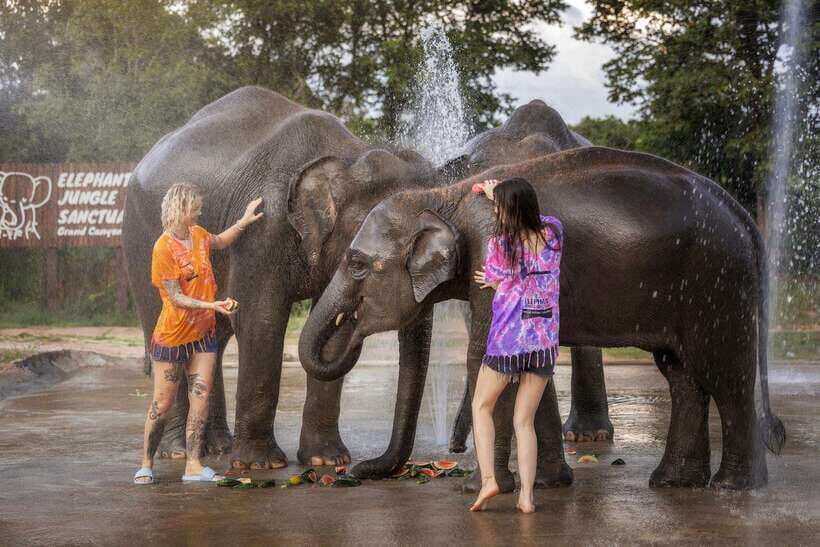
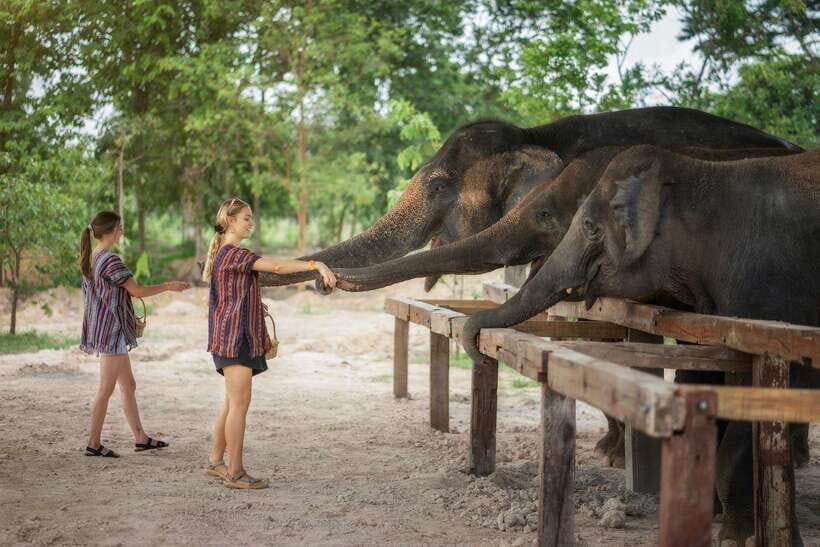
The feeding portion is designed to keep things organized and predictable. You feed the elephants from a specially-built viewing platform, which helps you stay in the right position while the elephants come close naturally.
What I like about this approach for you: it reduces the common stress factor of elephant encounters (the feeling that you need to constantly reposition, chase angles, or crowd for photos). Instead, you can focus on what matters—watching how elephants eat, how they respond to different foods, and how their behavior changes as they settle.
The guide also shares fun, practical facts about care and feeding. In my view, that’s the real value of the feeding time. It turns a photo moment into a lesson you can actually repeat to friends, not just a one-time experience.
The rain shower: why swimwear matters and what to expect
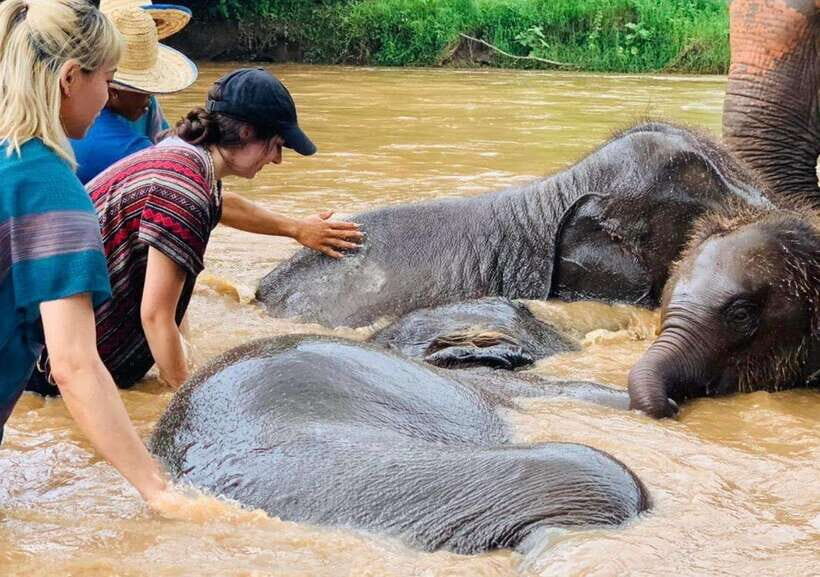
Then comes the part with the most “bring your towel” energy: the outdoor shower. You’ll join the elephants in a custom-built outdoor elephant shower that simulates rain, and the goal is to watch them cool down while you experience the same environment.
This isn’t a themed gimmick. It’s a behavior-related moment: elephants naturally use water to cool off, and seeing that in a controlled setting helps you understand why these care routines exist.
What to know before you go:
- Wear swimwear under comfortable clothes.
- Bring a towel and plan to change after.
- Expect wet conditions during the shower portion, so your timing and comfort depend on being ready.
You’ll also have facilities to take a regular shower and change clothes after the interaction. That makes it far more practical than “get wet and then scramble” style tours.
The guide makes it: learning about elephant origins and behavior
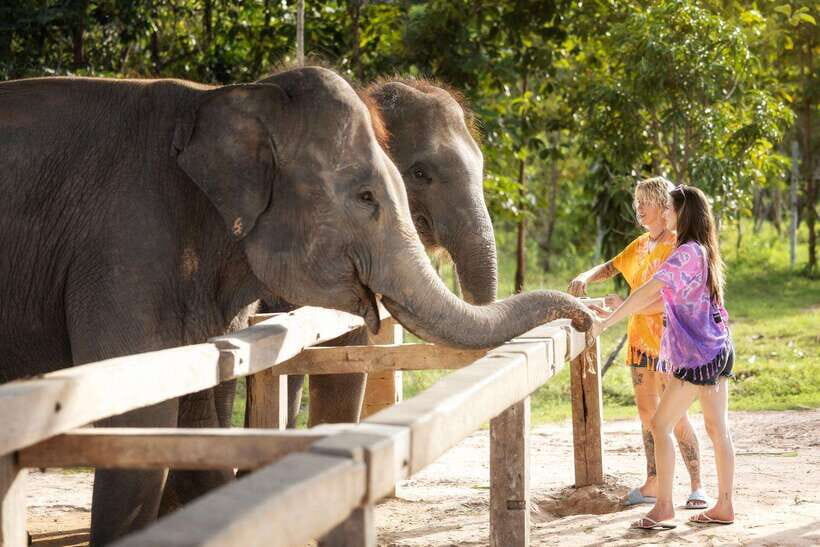
The experience lives or dies on the guide, and this one gets strong marks for a reason. In particular, On stood out for keeping things engaging and fun, while still being clear and informative. You get explanations that go beyond generic elephant facts.
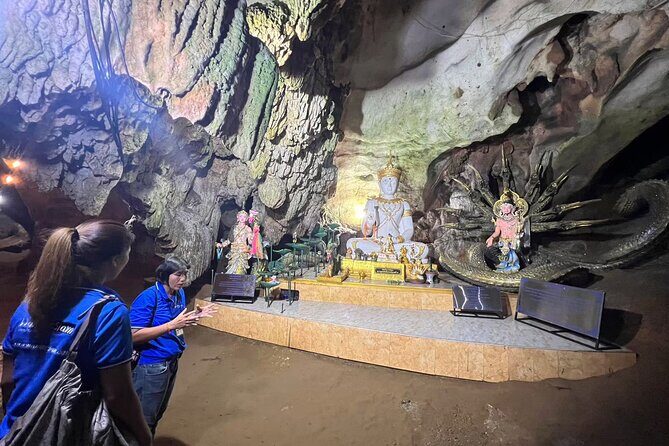
From your guide, you’ll hear about elephant behavior—what you might notice in the way they move, interact, and respond—and also about the elephants’ origins. Those details help you read what’s happening in front of you, instead of just watching animals do animal things.
If you care about context (and not only selfies), you’ll probably love this part. The sanctuary team seems to treat education as part of the experience, not an add-on.




Poop paper class: the sustainability lesson you can feel good about
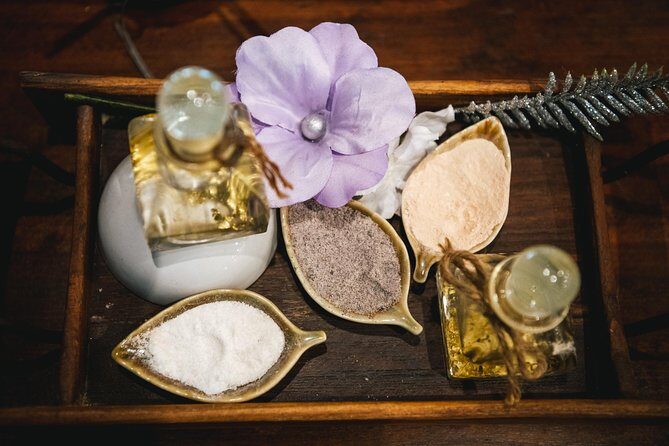
After the shower and goodbye moment, you’ll have time at the education center and a chance to learn how elephant excrement is recycled into paper during the Elephant Poop Paper class.
I like these kinds of activities because they answer a question most people don’t ask on elephant tours: what happens next? When you connect care routines to a sustainability effort, the visit feels less like a “performance” and more like an ongoing project.
You’ll also have time to take things at your own pace at the EJS Education Center. That extra time matters if you want to ask questions, look around, and not feel herded through.
Price and value: what $30 gets you in real terms

At $30 per person, this is positioned as a short, guided program that includes key basics:
- Elephant food
- A free drink per 1 ticket
- Accident insurance
- A guided experience with English/Thai live guidance
Meals and transportation are not included, so your true day cost depends on how you handle food and getting there. Still, for the length and the included items, it can be strong value—especially if you want the feeding interaction, the shower portion, and the sustainability class in one package.
For your money, you’re paying for structure: the briefing, the viewing-platform feeding format, the rain shower setup, and the educational follow-through. That’s usually where elephant experiences either justify their price or feel overpriced.
If you hate waiting or long group tours, the 2–4 hour window is also a plus. It’s long enough to feel meaningful, but short enough to keep your day flexible.
What to bring: your checklist for a wet, sunny Chiang Mai day
This program works best when you come prepared. The basics you’ll want are all directly relevant to the experience:
- Hat
- Swimwear
- Towel
- Passport (or a copy)
- Comfortable clothing and shoes for walking
- Sunscreen and insect repellent
- Water
- Camera, if you want photos
Also, wear comfortable shoes even though parts of the day involve water. You’ll be on your feet during feeding and moving between parts of the program.
Finally, follow the guide’s instructions. You’ll hear safety rules at the start, and it’s the kind of thing that makes the visit smoother for you and safer for everyone.
Logistics you should plan ahead of time
This experience ends back at the meeting point, and the meeting point can vary depending on what you book. That’s common, but you’ll still want to confirm your exact start location and timing so you don’t waste time on arrival.
The duration is listed as 2 to 4 hours, so treat it like a half-day plan. If you’re scheduling temple visits or dinner reservations right after, give yourself a cushion.
If you want a small optional add-on, there’s mention of a Tie Dye Handkerchief Workshop that can be added at checkout. If you’re already doing shopping later, you might skip it. If you want one more hands-on souvenir, it could be a fun bonus.
Who this elephant program is best for
This is a great fit if you want:
- A short, structured elephant experience rather than an all-day commitment
- A visit that includes learning about elephant behavior and care
- A hands-on experience with feeding and the rain shower portion
- A sustainability component like the poop paper class
It may be less ideal if you strongly prefer dry activities, don’t want to wear swimwear, or hate changing after getting wet. The shower part is part of the point.
For families and first-timers, it often makes sense because the experience is guided and focused. For seasoned elephant-watchers, the value is likely in the education and the practical care-focused format.
Should you book the Chiang Mai Feed and Shower experience?
Yes, if you want a half-day elephant encounter that feels more like education and care routines than a chaotic animal selfie session. The best reasons to book are the things the team clearly does well: friendly, helpful staff and guides who make the visit fun and understandable—especially On with her clear, engaging approach.
I’d book this when you can bring your swimwear and towel, and when you can handle getting wet without ruining your day. If you need a calm, dry, sit-on-a-blanket tour, look elsewhere.
FAQ
How long is the Chiang Mai Feed and Shower program?
It lasts about 2 to 4 hours, with starting times depending on availability.
What is included in the ticket price?
Included are elephant food, a free drink per 1 ticket, and accident insurance.
Do I need to bring swimwear and a towel?
Yes. You’ll join the elephants in an outdoor rain shower, and the activity provides facilities for you to shower and change. Bringing swimwear and a towel is strongly recommended.
Is transportation to and from the sanctuary included?
No. Transportation is not included.
What language is the tour guide in?
You get a live tour guide in English and Thai.
Can I add the tie dye workshop?
There is a Tie Dye Handkerchief Workshop that can be added as an add-on at checkout.
What should I bring besides swimwear?
Bring a hat, passport (copy accepted), comfortable walking shoes, sunscreen, insect repellent (recommended), a camera if you want photos, and water.