REVIEW · CHIANG MAI
Chiang Mai: Chiang Rai Temples and Long-Neck Karen Village
Book on GetYourGuide →Operated by CHIANGMAI FOOTSTEP TOUR&TRAVEL CO.,LTD · Bookable on GetYourGuide
Three famous temples in one day. I love the Wat Rong Khun mirror-bright façade and the 25-story Guan Yin views at Wat Huay Pla Kang. One watch-out: the Mae Kachan Hot Springs stop can feel more like a practical rest point than untouched nature, so plan for a quick dip, not a wilderness spa.
This is a tight circuit with an English-speaking guide and a small group capped at 12. You’ll get air-conditioned van transport, admissions, a lunch, bottled water, and a final cultural visit where you’ll need to be extra respectful.
In This Review
- Key highlights worth clocking
- Mae Kachan Hot Springs: warm feet, easy start
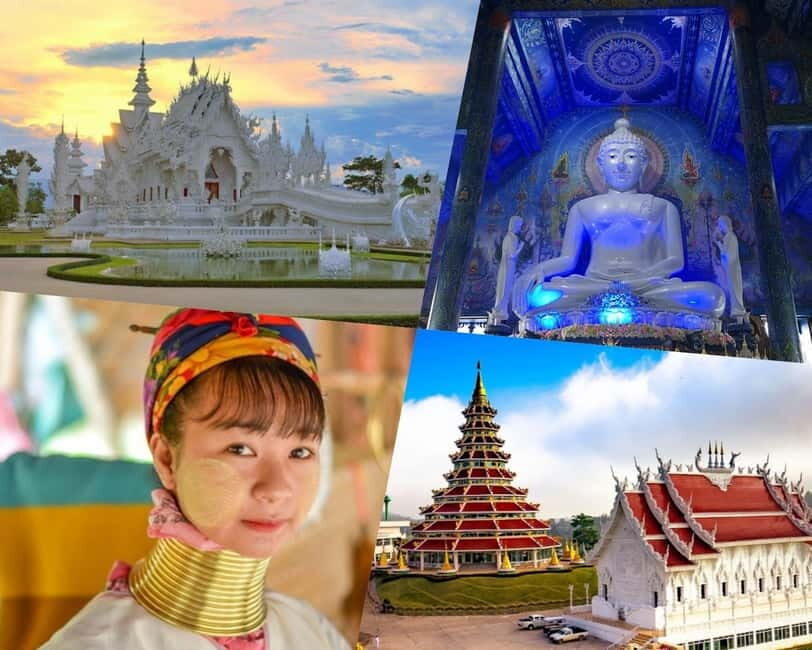
- Wat Rong Khun: the White Temple’s mirror-glow and symbolism
- Wat Rong Suea Ten: deep blue tones with gold accents
- Lunch in Chiang Rai: simple fuel between big sights
- Wat Huay Pla Kang: elevator to panoramic views and a giant Guan Yin
- Long-Neck Karen village: culture, craftsmanship, and respectful photos
- Transportation and timing: where the day feels easy (or rushed)
- Price value check: what $61 buys you in practice
- Who this tour suits best (and who should skip it)
- Should you book this Chiang Rai temples and Long-Neck Karen village tour?
- FAQ
- FAQ
- How long is this tour?
- What does the price include?
- What places will we visit during the day?
- What should I wear to the temples?
- Can I take photos in the Long-Neck Karen village?
- Who is this tour not suitable for?
- Is free cancellation available?
Key highlights worth clocking
- Wat Rong Khun’s mirror-work: a white temple that looks different at every angle
- Wat Rong Suea Ten’s deep blue look: blue tones with golden details and photo-worthy interiors
- Huay Pla Kang’s Guan Yin scale: a giant statue with elevator access to big panoramic views
- Mae Kachan Hot Springs quirks: warm mineral pools plus the fun boiled-egg tradition
- Long-Neck Karen village etiquette: ask before photographing people, and support crafts
Mae Kachan Hot Springs: warm feet, easy start
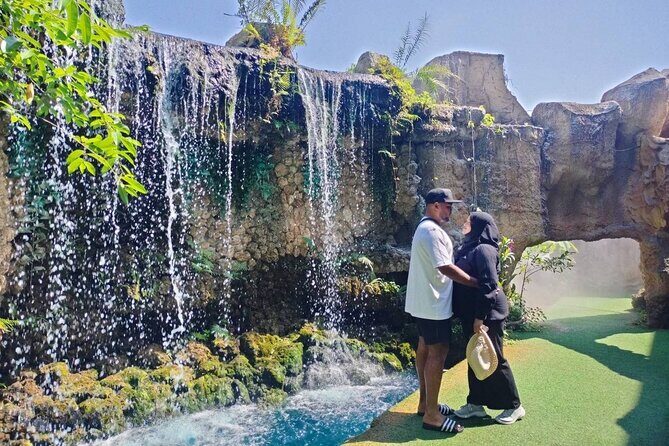
Your day begins at Mae Kachan Hot Springs, which is a smart opener if you want to shed travel stiffness before the temples. You’ll have time to soak your feet in the warm mineral pools, and the water is generally treated as having therapeutic properties.
There’s also a quirky, local-style moment: boiling eggs in the bubbling springs. It’s part entertainment, part curiosity. I like it because it turns the wait into something you actually remember, not just another stop.
A practical note: some days feel less scenic than you might expect from a hot springs name. One key consideration is that this stop may feel more like a convenient facility area than a pristine, remote soak. If you’re chasing that wild-nature vibe, keep expectations grounded and focus on the warm legs reset.
You can also read our reviews of more tours and experiences in Chiang Mai.


Wat Rong Khun: the White Temple’s mirror-glow and symbolism
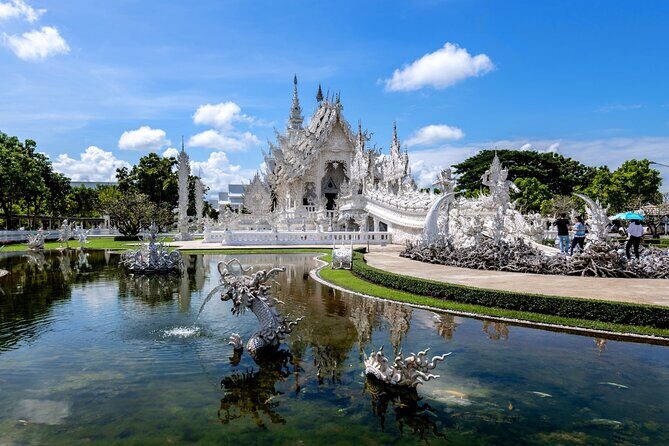
Next comes the iconic Wat Rong Khun, also known as the White Temple. If you only know one Chiang Rai sight, this is the one. The exterior is striking: a clean white façade covered with sparkling mirror details that catch sunlight and bounce it back at you.
Inside, it’s not just pretty. You’ll see murals and sculptures that connect Buddhist symbolism with modern storytelling. The theme focuses on life, death, and rebirth. It’s the kind of place where you can spend time just walking slowly and noticing how the artwork links together.
What I like about the White Temple on a one-day route is pacing. You get enough time to appreciate the look outside, then you can settle in for the more thoughtful interior work. The temple can be visually intense, so wear comfortable shoes and give your eyes a break from time to time—especially if you’re also doing stairs and ramped areas.
Wat Rong Suea Ten: deep blue tones with gold accents
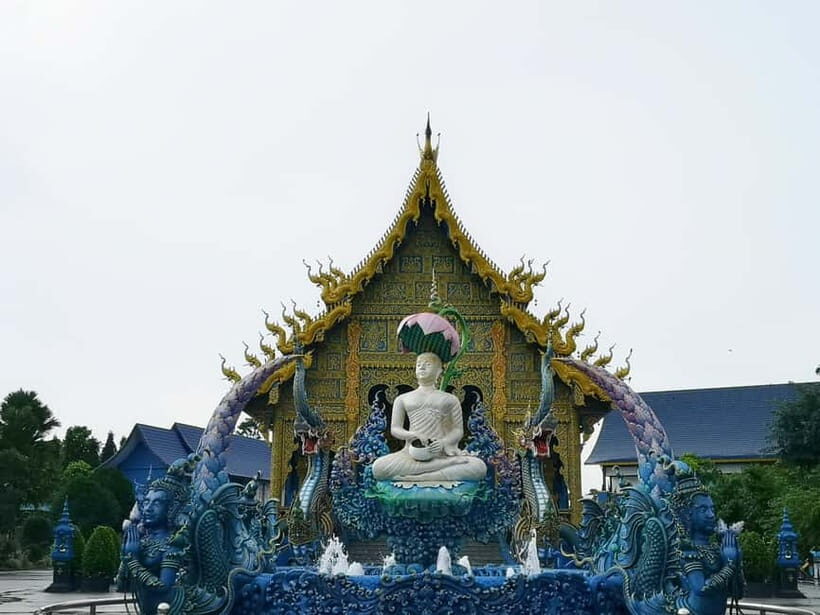
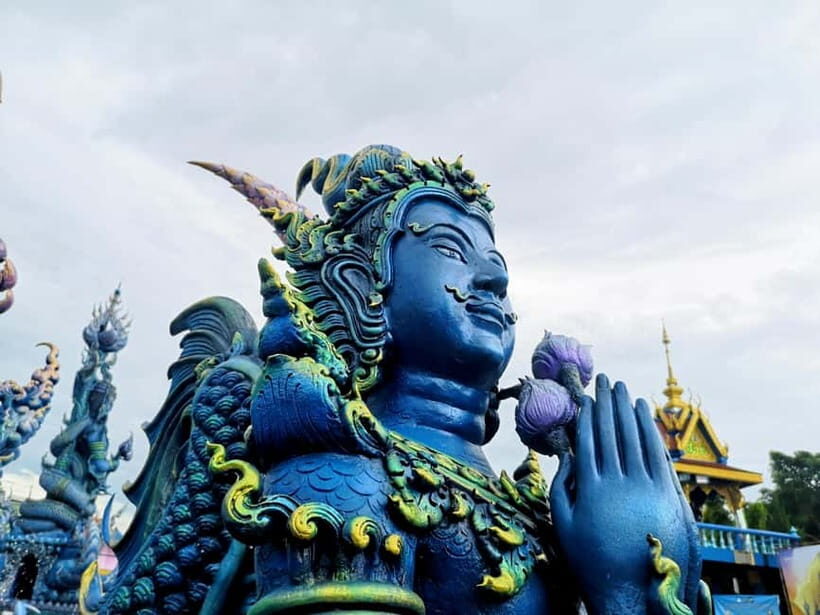
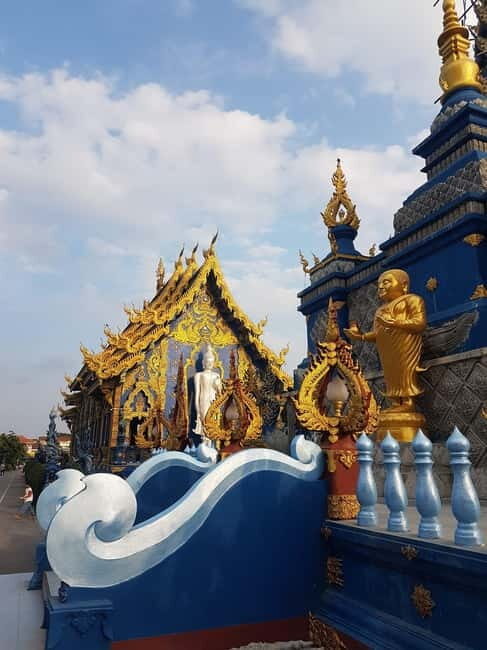
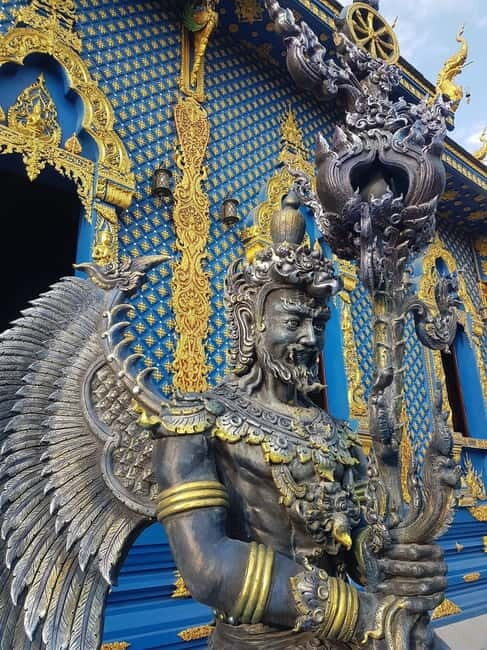
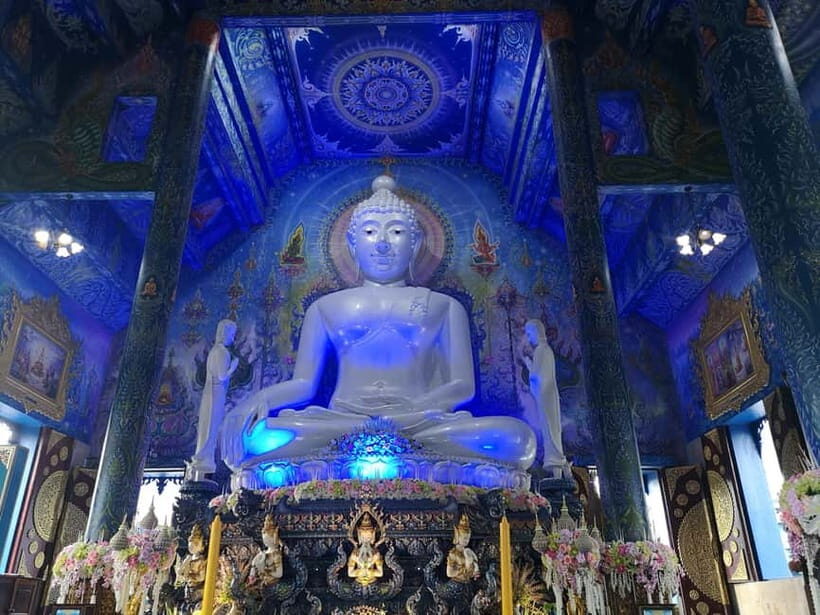
After lunch, the itinerary shifts into a completely different visual mood with Wat Rong Suea Ten, often called the Blue Temple. This one is famous for its deep blue tones, paired with intricate golden accents.
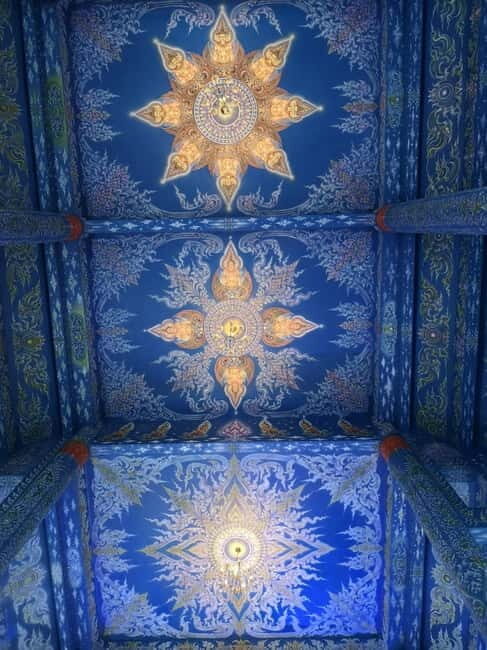
The halls feel serene, and the contrast is part of the appeal. Where Wat Rong Khun plays with white and sparkle, this temple leans into cooler color and ornamentation. If you enjoy architectural details, you’ll probably find yourself lingering at edges, corners, and altar areas where the gold catches the light.
You’ll also get to see the temple’s exquisite Buddha statue. Even if you’re not someone who reads every inscription, the statue area is a clear focal point. Bring your camera but keep it steady—temple lighting can make bright surfaces look even brighter, and blue surfaces can go dark if your exposure is off.
Lunch in Chiang Rai: simple fuel between big sights
Lunch is included, served at a local restaurant. That matters more than it sounds, because a one-day loop can get tiring fast. Having lunch handled means you don’t have to make one more decision under time pressure.
The food quality can vary by how the restaurant manages a tour schedule. Plan to use lunch as fuel and keep your expectations realistic: this stop is part of the flow, not a destination dining event.
If you’re sensitive to meal timing, eat steadily when it’s offered. You’ll have stairs and viewpoints later, and you’ll want energy without feeling stuffed.
Wat Huay Pla Kang: elevator to panoramic views and a giant Guan Yin
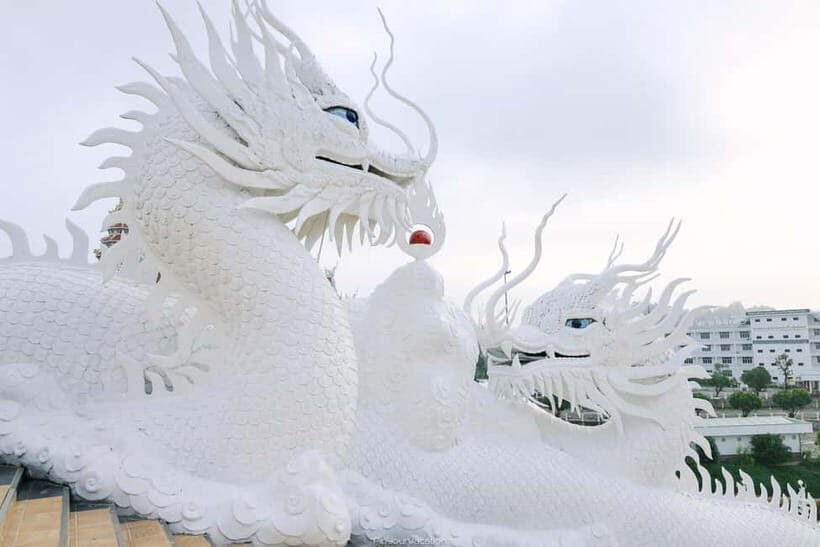
This is the “wow scale” portion of the day: Wat Huay Pla Kang and its giant Guan Yin statue. The Guan Yin reaches 25 stories tall, so even from a distance you can’t miss it.
You can take an elevator to the top, which is a huge help for time and energy. Without that, you’d be spending a lot longer working through stairs. At the top, you get panoramic views over Chiang Rai’s lush areas and temple grounds. This is the part I recommend treating like a mini pause. Stand back, look around, and let the size of everything sink in.
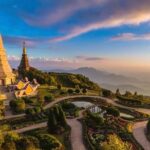
The temple complex also includes an elegant nine-tiered pagoda and tranquil gardens. Those quieter areas are a good counterbalance to the big statue spectacle. If you move quickly through the complex, you’ll miss the calm pockets—so try to slow down for a few minutes even if you’re on a tight schedule.


Long-Neck Karen village: culture, craftsmanship, and respectful photos
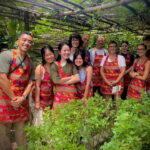
The day ends at the Long-Neck Karen village. You’ll meet community members, learn about daily life and traditions, and see how brass neck rings connect to cultural identity.
This is the one stop where your behavior matters most. You should dress modestly and act politely. And on photography: don’t take intrusive pictures of individuals. Always ask permission first. That isn’t just etiquette—it helps the visit stay dignified for both sides.
One of the best values here is buying handmade souvenirs directly from the community. It’s not just a cute purchase; it supports local craftsmanship and keeps money within the village economy. If you want something small, look for items that show careful work rather than mass-produced-looking goods.
Also, set expectations about how much explanation you’ll get. If your guide spends limited time on the village background, you can still learn plenty by observing and asking kind, simple questions—like how daily routines work or how items are made. You’ll get more out of the visit if you treat it as conversation, not a quick photo stop.
Transportation and timing: where the day feels easy (or rushed)
This is a one-day tour built around a full set of major sights. You ride in an air-conditioned van, and you’ll have an English-speaking guide. Admission fees, lunch, bottled water, and insurance are included—so you’re not constantly paying extra once you’re on the road.
The small group size (maximum 12) usually helps. It can make it easier to hear explanations and manage short transitions between stops. Still, this is a packed schedule. When a day includes White Temple, Blue Temple, Huay Pla Kang, and a village, there’s less room for wandering at your own pace.
Pace can vary. In some cases, delays can affect the vibe, and you might feel the day moving faster than you’d like at certain points. If you’re the type who wants time to stare at murals and take your time in halls, aim to keep your questions ready and your footwear extra comfy so you’re not slowed down by logistics.
One more thing: one-day tours can feel different depending on your group and guide energy. Some guides are great at keeping it playful and clear, while others may have a harder time with deeper back-and-forth conversation. If you’re traveling with questions, write them in your head and ask early, when there’s still time.
Price value check: what $61 buys you in practice
At $61 per person for a full day, the value mostly comes from bundled costs: transport by air-conditioned van, an English guide, admissions, lunch, bottled water, and insurance. For a route this tight, those add up quickly if you try to piece it together on your own.
Where you’ll feel the difference is time saved. You don’t have to manage rides between major sites, research ticket entrances, or solve the “where do we eat” question. That’s real value, especially if you’re in Chiang Rai for a short stay.
The only place where value can feel shaky is if you’re hoping for a more off-the-beaten-path hot springs setting or a long, slow village exchange. The structure of the day doesn’t promise that kind of leisurely pace. It gives you highlights, not extended depth everywhere.
So I’d frame it like this: pay this price if you want the core Chiang Rai sights in one day and you’re okay with a guided rhythm. If you want a slow, deep, unhurried cultural conversation at each stop, you might prefer a different style of tour.
Who this tour suits best (and who should skip it)
This one-day loop works best for active travelers who can handle temple stairs and walking. You’ll want comfortable shoes because you’ll move between sites and climb areas within the temples and complex grounds.
It’s also not designed for everyone. It’s not suitable for:
- pregnant women
- people with back problems
- wheelchair users
- people over 220 lbs (100 kg)
That matters because temple steps and the overall route may be physically demanding even with an elevator at Huay Pla Kang.
If you’re sensitive to heat, bring a hat and sunscreen. You’ll be outside and in sun-exposed temple courtyards. Also bring a camera and water—water is included, but you’ll still want it accessible as the day heats up.
Should you book this Chiang Rai temples and Long-Neck Karen village tour?
I’d book it if you’re the kind of traveler who wants the main hitters of Chiang Rai—Wat Rong Khun, Wat Rong Suea Ten, and Wat Huay Pla Kang—without renting your own transport or building a route from scratch. The included van, guide, admissions, and lunch make it a straightforward day.
Skip it if you want a long hot springs nature retreat, a slow village stay with lots of in-depth cultural teaching, or if the physical demands of temples and stairs won’t work for you.
If you do book, go in with the right mindset: treat each stop like a chapter in a short story. Some chapters will feel loud and visual (White Temple). Some will feel calm and blue-toned (Blue Temple). One will feel huge and panoramic (Huay Pla Kang). And the ending will be about respect and real people (Long-Neck Karen village).
FAQ
FAQ
How long is this tour?
It runs for 1 day.
What does the price include?
The tour price includes air-conditioned van transportation, an English-speaking guide, admission fees to all attractions, lunch, bottled water, and insurance.
What places will we visit during the day?
You’ll visit Mae Kachan Hot Springs, Wat Rong Khun (White Temple), Wat Rong Suea Ten (Blue Temple), Wat Huay Pla Kang, and the Long-Neck Karen village.
What should I wear to the temples?
You’ll want modest clothing that covers your shoulders and knees because these are sacred temples.
Can I take photos in the Long-Neck Karen village?
Be respectful and ask for permission before taking photos of individuals. Avoid intrusive photography.
Who is this tour not suitable for?
It’s not suitable for pregnant women, people with back problems, wheelchair users, or people over 220 lbs (100 kg).
Is free cancellation available?
Yes. You can cancel up to 24 hours in advance for a full refund. You can also reserve now and pay later.