REVIEW · CHIANG MAI
Chiang Mai: 20km Downhill Mountain Biking Challenge Suthep M
Book on GetYourGuide →Operated by CHIANG MAI MOUNTAIN BIKING & KAYAKS · Bookable on GetYourGuide
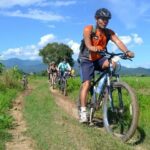
The first time you point your bike downhill, Chiang Mai changes fast. This Doi Suthep downhill ride drops from the park’s summit area to Huay Tueng Thao with pro guidance, jungle-lined jeep tracks, and real views you can stop and drink in. I love that the day mixes adventure with village sights, not just a long blur of trail. I also like how the team handles the vibe: patient coaching, clear safety talk, and a ride that stays fun even when it gets technical.
The main thing to consider is that this can be more intermediate than beginner depending on your comfort level and the lines you’re put on. You’ll get support and options, but if you have zero mountain biking experience, you should go in ready to learn fast.
In This Review
- Key things I’d bet money on
- Why this downhill feels like the real Chiang Mai
- The route: summit air, jeep tracks, and a lake finish
- Safety first, but not boring: what’s actually provided
- Stop-by-stop: what each part of the day feels like
- Hotel pickup and gearing up (around 9:30 AM)
- The early ride prep: safety briefing time
- Transport up and into the mountain zones
- San Ku: first mountain-bike rhythm (about 1 hour)
- Wat Ban Khun Chang Khian: break, photos, and a quick reset
- Traditional village ride: the longer downhill segment (about 2 hours)
- Lake Huay Tueng Thao Reservoir: lunch and optional swim (about 1.5 hours)
- The guide team is the difference between scary and fun
- Price and value: $60 buys a lot, plus one extra cost
- Who this tour suits best (and who should rethink)
- What to pack and how to show up ready
- Should you book this Doi Suthep downhill ride?
- FAQ
- What is the duration of the Chiang Mai Doi Suthep downhill biking experience?
- Where does pickup happen?
- How long is the mountain shuttle to get you to the start area?
- How far and how much do you descend?
- Is the ride mostly off-road?
- What gear is included?
- Is lunch included, and can you accommodate diets?
- Can I swim at the end?
- What extra fees are not included?
- What is the cancellation policy?
Key things I’d bet money on
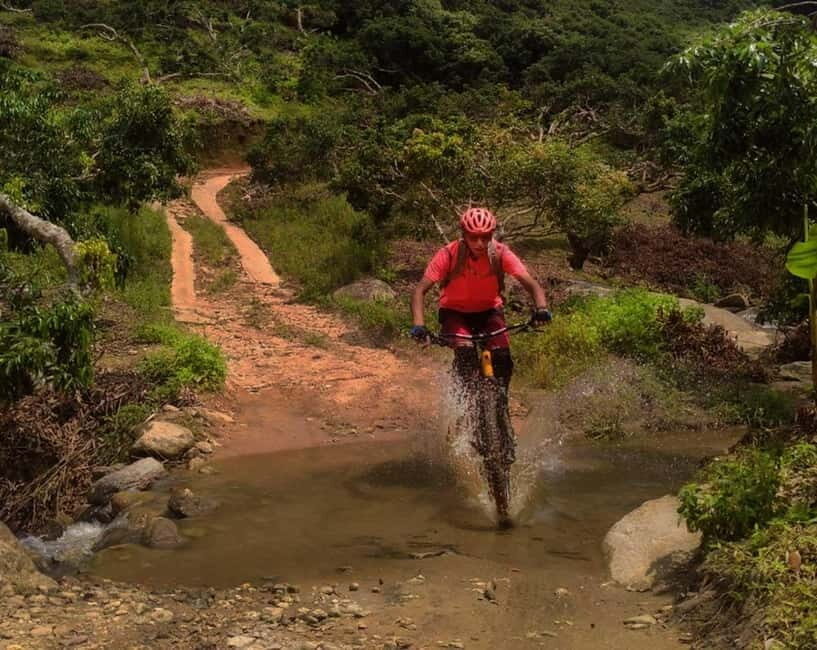
- 1,500m+ descent over about 20km, so it’s properly downhill, not just “mostly rolling”
- Pro-level safety coaching with full gear plus first aid and CPR-trained instructors
- Route variety: jungle tracks, viewpoints, and hill tribe village passing time
- Real breaks at scenic spots like Wat Ban Khun Chang Khian, then lunch by the lake
- Swim is optional at Huay Tueng Thao Reservoir if you bring a swimsuit
- Guides can adjust the route and difficulty to match the group
Why this downhill feels like the real Chiang Mai
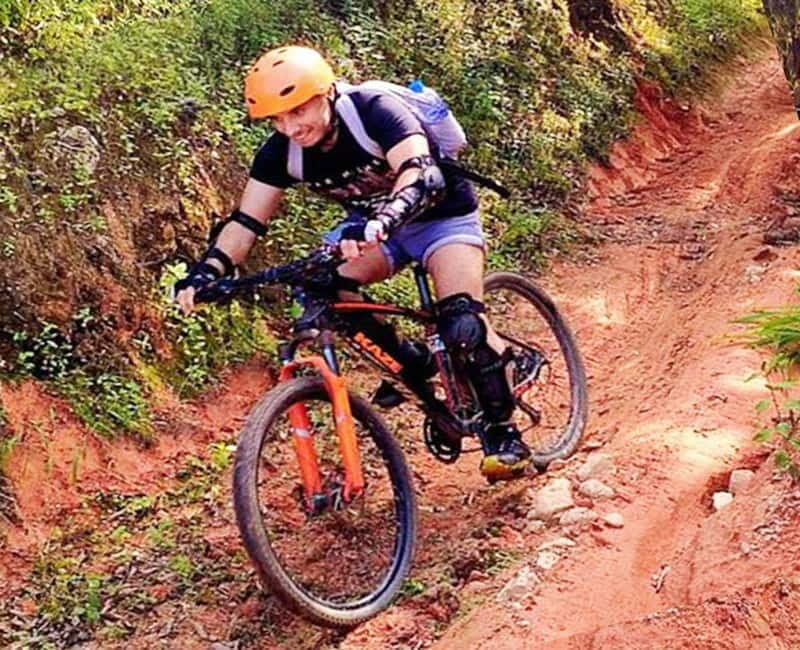
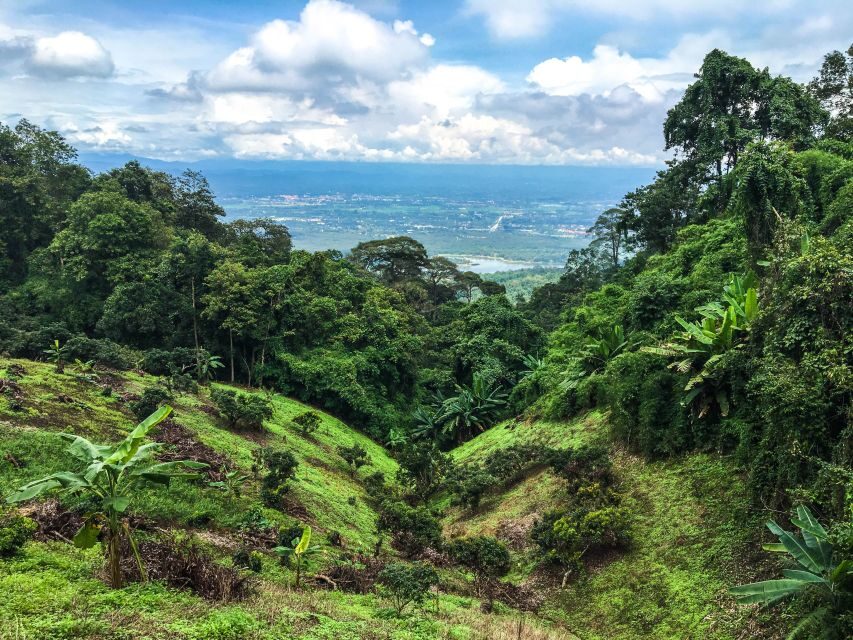
If you’re the kind of person who likes Thailand beyond temples-as-postcards, this ride does the job. You’ll start high in Doi Suthep National Park area and finish at the quieter shores of Lake Huay Tueng Thao. The change in air, temperature, and scenery hits you early, then keeps changing as you drop.
What makes it more than a thrill ride is the variety along the way. You’re not just chasing speed; you’re moving through forest canopies, plantation areas, and past hill tribe village scenes as the route guides you downhill. That gives you moments to look around and remember you’re traveling, not just exercising.
Also, the guides matter. Names that come up in guide-team feedback include Tony, Golf, Tui, and Joe, and the common thread is simple: they manage the group like professionals. You feel cared for, not herded. That’s worth a lot when you’re riding off-road and your bike is your main “vehicle.”
You can also read our reviews of more cycling tours in Chiang Mai

The route: summit air, jeep tracks, and a lake finish
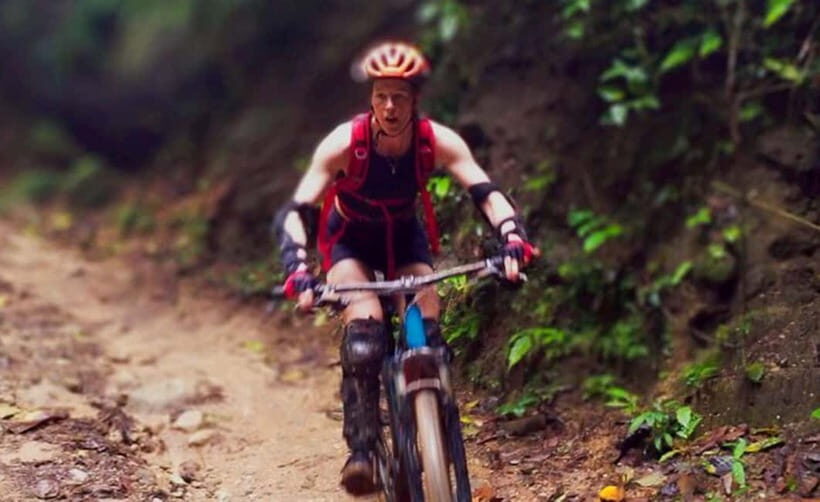
Let’s talk numbers and what they mean in real life. The ride runs from about 1,550m down to around 370m, which is why people describe it as a 1500m advantage. Over 20km, that’s a lot of downhill action, and it usually means steady “flow” on trails that were built for climbing vehicles—then turned into your descent.
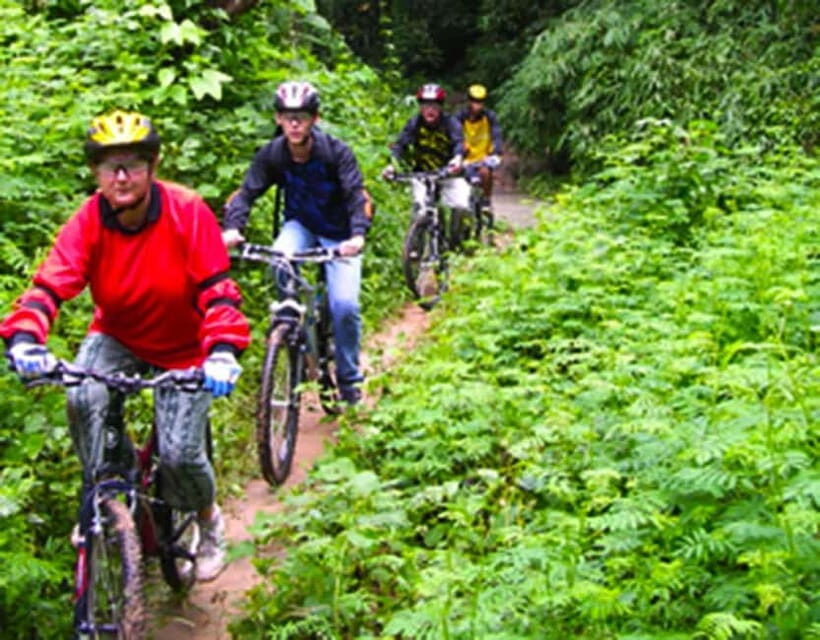
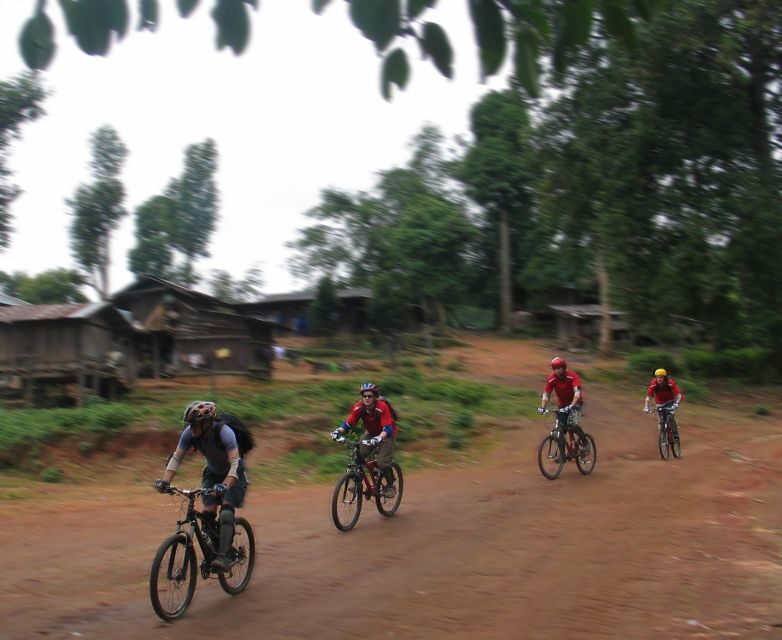
You’ll spend a chunk of the day on off-road jeep tracks lined with jungle-type scenery. The route also includes sections that can feel a bit more demanding if you’re brand new to off-road biking. On top of that, there are a few on-road stretches mixed in, so you’re not dealing with only one kind of surface the whole time.
The ride’s rhythm is built around pauses that keep you from cooking yourself too early. You’ll stop for viewpoint moments, then get a proper lunch break at the reservoir. At the end, you can cool off with a swim if you want, using the lake as your natural “reset button.”
Safety first, but not boring: what’s actually provided
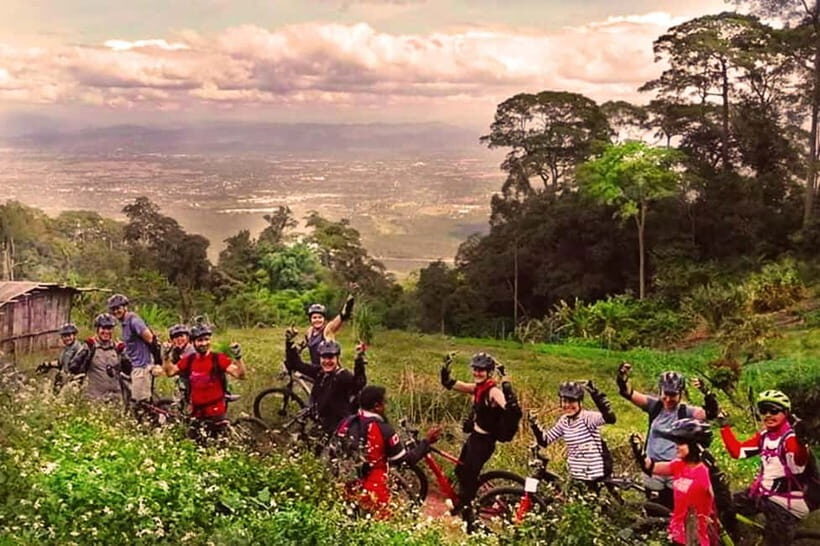
This is one of those tours where safety isn’t an afterthought. You’ll get a well-maintained mountain bike (with a test ride at the pro-shop), plus helmet, gloves, knee pads, and elbow pads. You’ll also get a hydration backpack setup and access to water during the ride.
Before you ride, there’s a skills and safety briefing that’s meant to help you handle the descent better. The day includes multiple short briefing moments, including at the main base and then again after transport up the mountain. That matters because your “first minutes” on downhill terrain are where beginners often feel overwhelmed.
A few practical coaching cues that I think you’ll appreciate:
- You should expect the team to explain how they want you to handle riding positions and braking on downhill terrain.
- They can adjust the route and difficulty to match your level, which helps if your group has mixed experience.
- There’s a support truck with secure storage for valuables, so you’re not stuck worrying about your phone in your pocket while you ride.
One more point: the instructors are certified in first aid and CPR. That doesn’t guarantee you’ll never slip (it’s biking), but it does mean the response plan is real, not theoretical.
Stop-by-stop: what each part of the day feels like
Here’s how the day usually unfolds, and what each segment is good for.
Hotel pickup and gearing up (around 9:30 AM)
Pickup happens from your Chiang Mai hotel lobby, typically around 9:30 AM. You’ll head to the downtown adventure base to get sorted—bike fitting, helmet check, gloves, pads, and the kind of guidance that helps you start the day feeling ready rather than rushed.
If you like getting oriented fast, the Google Earth orientation at the pro-shop can help you visualize what’s coming. Even if you don’t love tech, seeing the route in map form makes the day feel less mysterious.





The early ride prep: safety briefing time
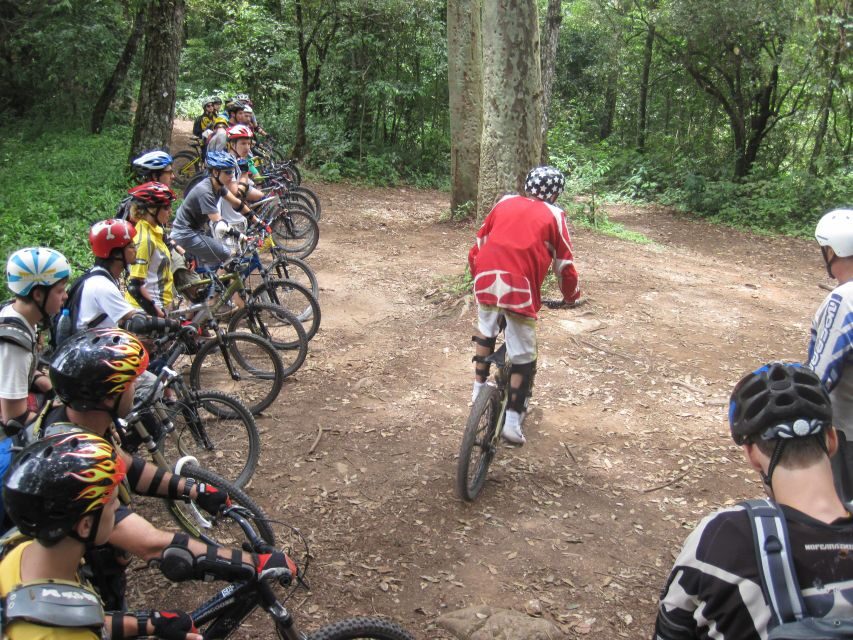
You’ll have a short safety briefing before you start moving in earnest. This isn’t just rules. It’s about how the guides want the group to ride: spacing, how they handle slower riders, and what “good form” looks like when gravity takes over.
In the real world, this is where you learn what to focus on. If you’re worried about controls, this briefing is where you should ask questions.
Transport up and into the mountain zones
After you gear up, you’ll go by jeep/SUV for mountain transport. Depending on timing, this can be about 15 minutes for one transfer plus another longer mountain approach segment. The point is simple: you want less time fighting roads and more time on the downhill you paid for.
Once you reach the mountain start zone (listed stops include San Ku), you’ll get another safety briefing and then the first chunk of riding.
San Ku: first mountain-bike rhythm (about 1 hour)
San Ku is where you’ll start finding your downhill “rhythm.” This first riding block helps you get comfortable with off-road surfaces and your bike’s braking behavior while you’re still fresh.
If you’ve ridden before, you’ll likely feel confident here. If you’re new, this is a key time to listen for coaching. The goal isn’t heroics; it’s control.
Wat Ban Khun Chang Khian: break, photos, and a quick reset
Next comes Wat Ban Khun Chang Khian, with a break and photo stop plus a bit of walking and sightseeing. This pause is useful, even if you don’t love temples-as-stops. It gives your body a breather and lets you re-check your comfort: hands, shoulders, and how your tires feel.
It’s also a nice reminder that you’re moving through northern Thailand, not just dropping through a trail system in silence.
Traditional village ride: the longer downhill segment (about 2 hours)
After the temple-area break, you ride through a traditional village area. This is one of the longest on-the-bike segments of the day, and it’s where downhill feels like an experience, not a commute.
Because the day includes hill tribe passing moments, you may get chances to see community life and the scenery that comes with it. If you want respectful, casual photo moments, this is typically where they fit best—when you’re not trying to race the next turn.
There’s also a good chance you’ll see the kind of plantation and hillside detail that makes Doi Suthep area feel lived-in, not packaged.
Lake Huay Tueng Thao Reservoir: lunch and optional swim (about 1.5 hours)
At the bottom, you reach Huay Tueng Thao Reservoir, where you’ll get more break time and lake-side lunch. Lunch includes vegetarian and vegan options, and that’s a real plus if you travel with dietary restrictions.
Then you get free time for sightseeing and photos. The swim part is optional, but if you want it, you should bring a swimsuit. The ride ends with the kind of “cool down” that feels earned, not forced.
After lunch, the day winds down with a return by jeep/SUV/truck and you arrive back in Chiang Mai around 4 PM.
The guide team is the difference between scary and fun
A downhill ride can go two ways: scary because you’re guessing, or fun because you know what to do next. This tour leans toward the fun side because the team is set up to manage mixed experience.
One useful pattern you can look for:
- Guides adjust routes and pacing based on the group.
- Some groups ride separate tracks or different lines so beginners aren’t forced into the same technical choices as stronger riders.
- They try to keep you moving without rushing you.
Names that stand out in the guide-team feedback include Tony and Golf, plus others like Tui and Joe. I’d treat that as a sign the staffing tends to be consistent, and the coaching style is built around patience. If you have a background in biking, that’s still helpful. If you’re less experienced, it can be the difference between coping and enjoying.
Also, the tour format has a built-in reality check: a support truck can help if you get tired or if something goes wrong. That takes pressure off you to “push through” when your body says stop.
Price and value: $60 buys a lot, plus one extra cost
At $60 per person, you’re paying for a day built around equipment, coaching, and logistics. What’s included is not just a guide and a bike. You get:
- a quality mountain bike plus a test ride
- full safety gear (helmet, gloves, knee and elbow pads)
- professional escort with instructors trained in first aid and CPR
- water during the ride and hydration support
- lunch at the lake with vegetarian/vegan options
- a support truck with secure storage
- transport via air-conditioned van and 4×4 SUVs depending on group size
- Google Earth orientation at the pro-shop
What costs extra is the Doi Suthep National Park/lake fee & insurance. The amount listed is 250 baht, and you’ll be asked for passport details at check-in.
So is it good value? For me, yes—because the tour removes the hardest parts of DIY biking: planning an off-road route, finding safe lines, getting the right gear, and arranging transport. If you already own downhill-ready gear and you’re an experienced rider, you could potentially do some of this on your own. But most people will find that $60 is a fair price for coaching plus a structured route that ends with a proper lunch and optional swim.
Who this tour suits best (and who should rethink)
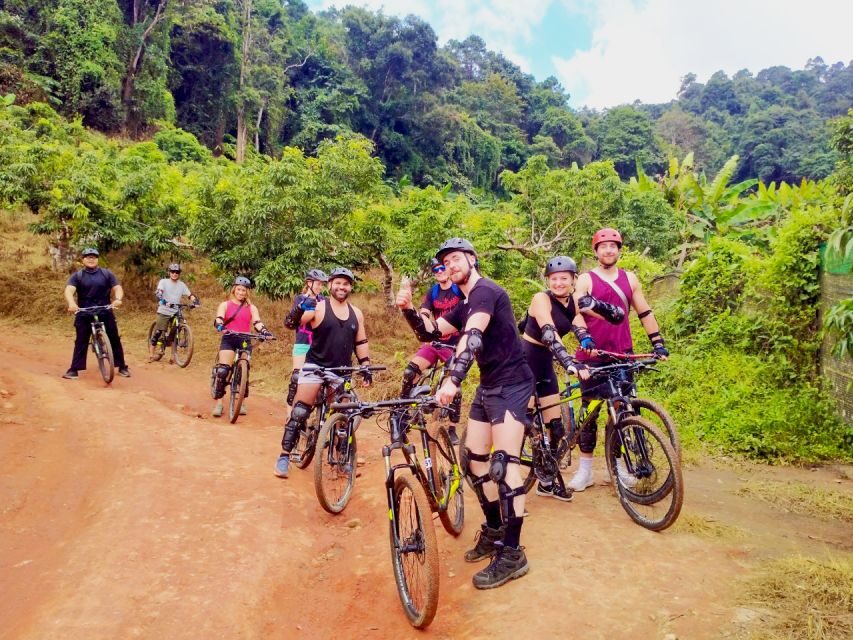
This is best for you if you want:
- a true downhill day with real elevation loss and off-road scenery
- a guided route with multiple breaks, including a lake finish
- a group experience that still respects different skill levels
You should also go for it if you like the idea of riding through northern Thailand’s mountain areas and getting a glimpse of village life along the way. The stop at Wat Ban Khun Chang Khian, plus the village passing time, gives you a little cultural texture without dragging the schedule.
Who might struggle:
- complete beginners with zero mountain-bike comfort may find parts challenging. Even with coaching, downhill requires quick control.
- people who are expecting a gentle, beginner-leaning ride should double-check their comfort level with off-road trails.
One more small reality: some rider feedback points out that bike fit can matter. If you get fitted on the day and the bike feels awkward for you, speak up early. The tour includes a pro-shop test ride, so treat that as your chance to catch problems before the main descent.
What to pack and how to show up ready
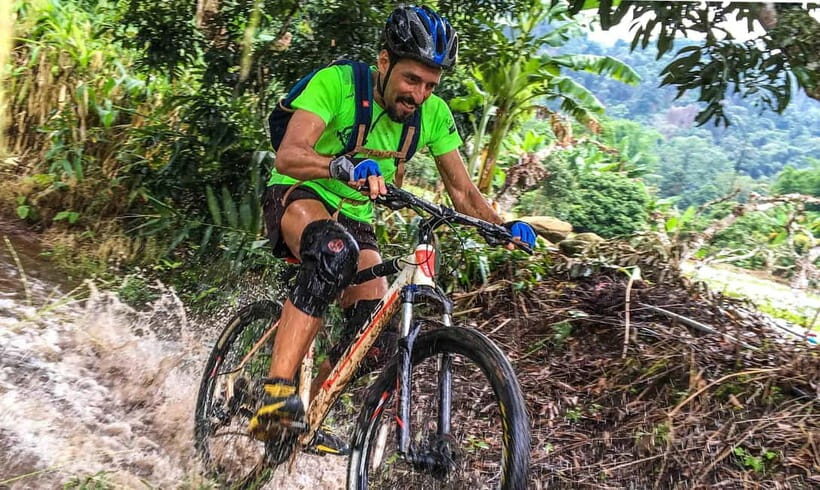
This day is outdoors, with biking gear and a lake finish. You’ll want to think about your body and your basics.
Bring:
- firm shoes (the tour specifically asks for this)
- a swimsuit if you want to swim at the reservoir
- what you need for sun protection, since you’ll be riding in open air parts and under changing light
Wear:
- the tour gear will be provided, but you still control what’s under it. Comfortable clothes you don’t mind getting dusty help.
Plan your schedule:
- the tour notes that no one is rushed down a mountain, and if you have a tight timeline, you should alert the guides so they can plan the day for your return.
Should you book this Doi Suthep downhill ride?
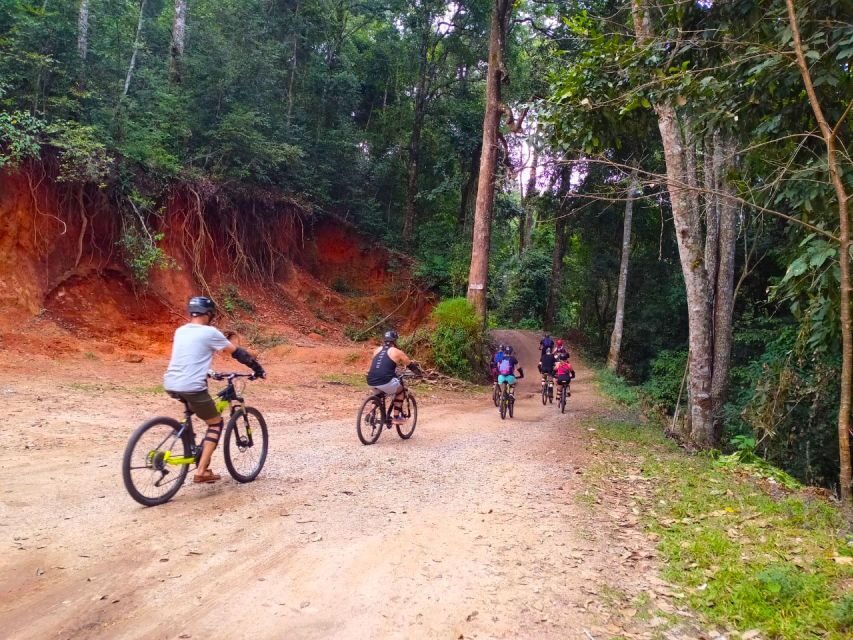
I’d book this if you want one day in Chiang Mai that feels active, scenic, and not overly complicated. The combination of a big downhill drop, real off-road tracks, and a guided team makes it a strong choice for people who want adventure with safety built in.
I’d pause if you’re a true beginner who expects an easy glide, or if you’re very sensitive to technical riding. In that case, still talk to the guide staff about your comfort level. The tour is designed to adjust, and that coaching is exactly what helps you enjoy the descent instead of fear it.
If you can handle downhill biking with guidance, you’ll likely love how the day ends: hot ride up, controlled descent down, then lake-side lunch and the option to cool off at Huay Tueng Thao.
FAQ
What is the duration of the Chiang Mai Doi Suthep downhill biking experience?
It runs for one day.
Where does pickup happen?
Pickup is included from your hotel lobby in Chiang Mai.
How long is the mountain shuttle to get you to the start area?
A scenic shuttle takes you up the mountain for about 45 minutes in the route description, and the day also includes jeep/SUV transfers as part of the itinerary.
How far and how much do you descend?
The ride covers over 20km and drops from about 1,550m down to around 370m, which is described as a 1500m advantage.
Is the ride mostly off-road?
Yes. It’s described as off-road and jungle-lined jeep tracks, with some on-road sections also mentioned.
What gear is included?
You get a helmet, gloves, and knee plus elbow pads, along with a well-maintained mountain bike. A hydration-backpack is also provided.
Is lunch included, and can you accommodate diets?
Lunch is included and there are vegetarian and vegan options available.
Can I swim at the end?
You can swim at Huay Tueng Thao Reservoir if you want, and the tour suggests bringing a swimsuit.
What extra fees are not included?
Doi Suthep National Park/lake fee & insurance are not included and are listed as 250 baht. You’ll be asked for passport details at check-in.
What is the cancellation policy?
You can cancel up to 24 hours in advance for a full refund.