REVIEW · CHIANG MAI
11 Day Tuk Tuk Adventure in Northern Thailand
Book on Viator →Operated by The Tuk Tuk Club · Bookable on Viator
Three wheels, big mountains, zero guesswork. This 11-day Northern Thailand adventure lets you drive your own tuk-tuk through remote temples and hill-tribe areas from Chiang Mai, with a small group capped at 15. I like the training day in Mae Wang and the hands-on guiding style that keeps the trip moving without feeling rushed. One consideration: you’ll need an International Driving Permit plus a real license to drive, and the road time means some days of winding mountain driving can feel tiring.
This is also a strong value play if you want logistics handled. Your package covers 10 nights in twin-share rooms across five bases, park fees, bottled water, and set meals (10 breakfasts, 5 dinners, 3 lunches). Plus, there’s a support vehicle traveling with you, so you’re not stuck if something needs sorting.
In This Review
- Key highlights worth planning around
- Why this 11-day tuk-tuk loop feels different in Northern Thailand
- Self-drive reality check: licenses, IDP, and your first lessons
- Day 1 training in Mae Wang: get your bearings fast
- Day-by-day: temples, Doi Inthanon trekking, elephants, and hill-tribe village time
- Day 2: elephants at a forward-thinking home, then bamboo rafting
- Day 3: up into the foothills, overnight in a hill-tribe village area
- Day 4: Doi Inthanon forests, waterfalls, and trekking time
- Day 5: west to Mae Sariang, a river-town reset
- The Mae Hong Son and Pai stretch: mountain roads and two choose-your-own-days
- Day 6: over the mountains to Mae Hong Son, rural resort by rice paddies
- Day 7: Mae Hong Son at your pace
- Day 8: drive to Pai and settle into mountain-town charm
- Day 9: explore Pai your way
- Getting home: back roads to Mae Wang and a farewell dinner
- Day 10: rural back roads back to base camp
- Day 11: transfer back to Chiang Mai City
- Price and what you truly get for $2,148.21 per person
- The guide factor: why the named team shows up in the results
- Who this tour suits best (and who might want a different plan)
- Should you book the 11-day tuk-tuk adventure?
- FAQ
- Where does this tour start?
- What time does the tour begin?
- When and where does it end?
- How many people are in the group?
- Do I need a license to drive the tuk-tuk?
- What are the age rules for driving and joining?
- Are meals included?
- Is a vegetarian meal option available?
Key highlights worth planning around
- Training in Mae Wang before you head out so you start the mountains with confidence
- Small group size (max 15) with guide attention and a calmer pace than big buses
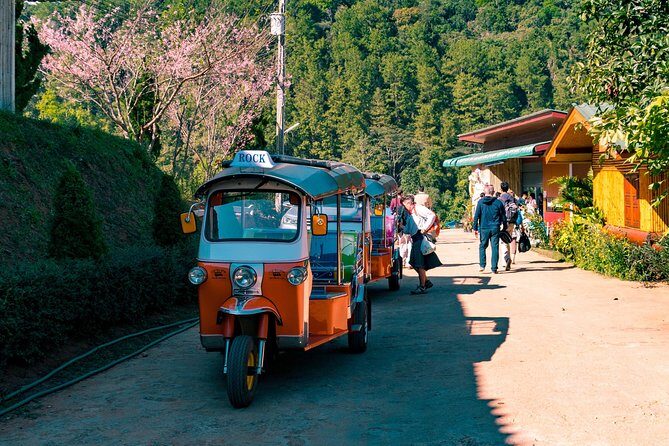
- Real time behind the wheel across Chiang Mai and Mae Hong Son provinces, with scenic stops on demand
- Elephant day plus bamboo rafting, giving you both wildlife and river time
- Doi Inthanon foothills and waterfalls plus a chance to visit a hill-tribe village area
- Free days in Mae Hong Son and Pai so you’re not forced into a nonstop checklist
Why this 11-day tuk-tuk loop feels different in Northern Thailand
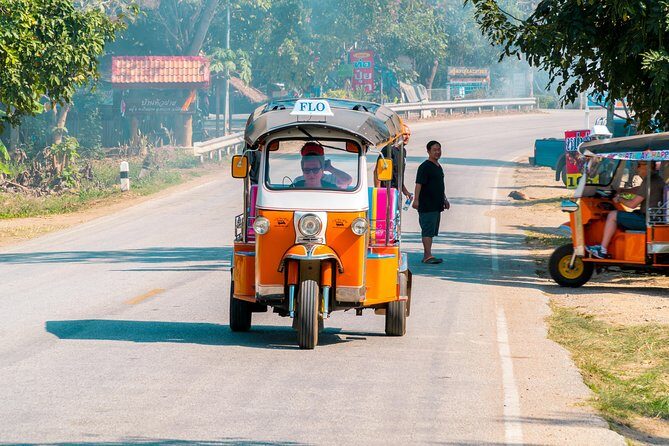
Northern Thailand can be easy to do “on rails.” You land, hop between famous stops, and spend more time in vehicles than in places. This trip is built around slower, smaller movement: a tuk-tuk day-by-day that turns roads into part of the experience, not just the way to get somewhere.
The big idea is simple. You’re not watching the region from behind glass. With the driving experience, you control timing. You can linger for mountain views, pull over when something catches your eye, or pause when you want photos without sprinting to the next stop.
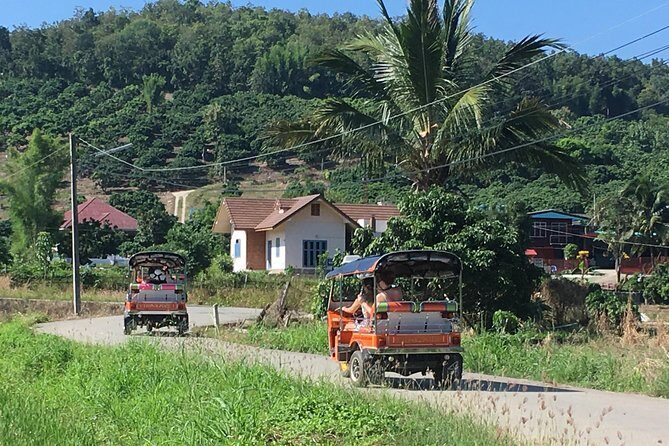
The other part that matters is the regional arc. You’re not just bouncing around Chiang Mai. You go into Doi Inthanon area foothills, then west to Mae Sariang, up and over into Mae Hong Son, and finally swing down to Pai. That route choice matters because it shows you how the culture and scenery shift as the geography changes.
You can also read our reviews of more tours and experiences in Chiang Mai.


Self-drive reality check: licenses, IDP, and your first lessons
This tour is designed for you to drive, not only ride. The minimum age to drive is 18, while travelers as young as 7 can join as passengers. If you’re in the eligible driving group, you should plan to rotate or share time behind the wheel, since you’ll be learning the tuk-tuk handling and then using it across multiple days.
You’ll need:
- A valid driving license
- An International Driving Permit (IDP)
That’s not trivia. It can make or break your trip. If your documents aren’t set before arrival, you’ll lose the whole point of the experience.
Day 1 training in Mae Wang: get your bearings fast
You start in Chiang Mai at the Chiang Mai Gate Hotel area (Wua Lai Walking Street) at 10:00 am. The first move is a transfer to the tuk-tuk training base in Mae Wang, around 60 minutes away.
Here’s what you should expect from a good self-drive setup:
- You get hands-on training before any big mountain commitments.
- You practice in conditions closer to what you’ll face later.
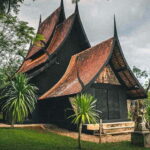
- After training, you visit a remote hillside temple and receive a blessing for the adventure ahead.
In practice, this day matters because it reduces decision fatigue later. Once you’re comfortable starting, stopping, and handling the basics, the rest of the trip feels freer rather than stressful.
Day-by-day: temples, Doi Inthanon trekking, elephants, and hill-tribe village time
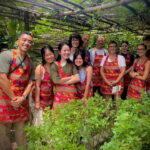
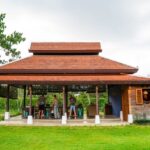
Day 2: elephants at a forward-thinking home, then bamboo rafting
You’ll put driving skills to use early, then switch gears for two very different experiences: elephants and water.
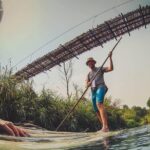
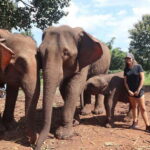
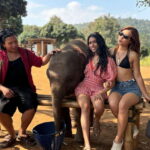
The elephant stop is at a forward-thinking elephant home. The goal is not just a photo; it’s learning about elephants in Thailand through time spent with them. After that, you finish the day relaxing on a bamboo raft down the local river.
This combination works well because it breaks up the intensity of road days:
- elephants bring a slower, grounded rhythm
- rafting turns off the mental engine and lets scenery take over

Day 3: up into the foothills, overnight in a hill-tribe village area
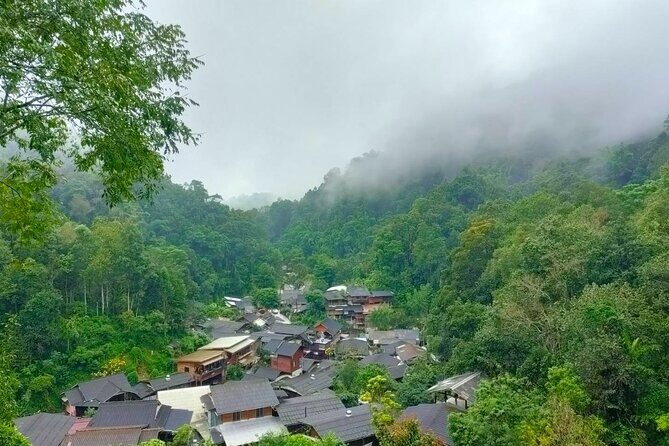
This is your first “serious driving” push as you head into the foothills of Doi Inthanon. Your overnight stop is in a small hill-tribe village.
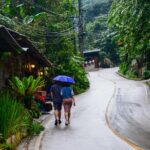
What makes this day special is that it’s not about one single landmark. It’s about the sense of entering a different Thailand—cooler air, more rural roads, and communities that feel tied to place, not tourism circuits.
A practical note: village areas usually mean simpler facilities and different rhythms. That’s part of the value, as long as you’re comfortable with it.
Day 4: Doi Inthanon forests, waterfalls, and trekking time
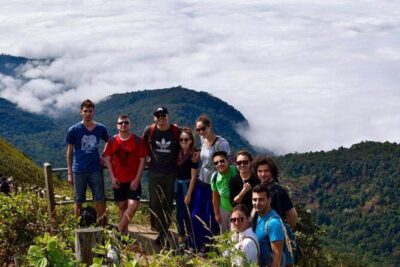
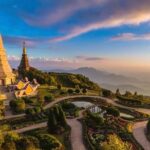
Day 4 focuses on the natural side of Doi Inthanon: forests, waterfalls, and trekking around the area. There’s also an opportunity to explore a hill-tribe village.
This is the day to prepare for physical effort. The tour offers trekking and time outdoors, so pack sensible footwear and expect it to be more active than a pure sightseeing day.
It’s also a day where timing matters. Waterfall areas can be slippery or muddy, and if rain hits, trails can change. If you’re flexible, you’ll get the best version of this day.
Day 5: west to Mae Sariang, a river-town reset
On Day 5 you head west and land in Mae Sariang, a smaller town where you can relax by the pool next to the river.
This is a welcome palate cleanser. After mountain driving and trekking time, a true rest day without a packed schedule helps the whole trip feel sustainable. If you want a bit of downtime—swim, shower, laundry, short stroll—this is the day to do it.
The Mae Hong Son and Pai stretch: mountain roads and two choose-your-own-days
Day 6: over the mountains to Mae Hong Son, rural resort by rice paddies
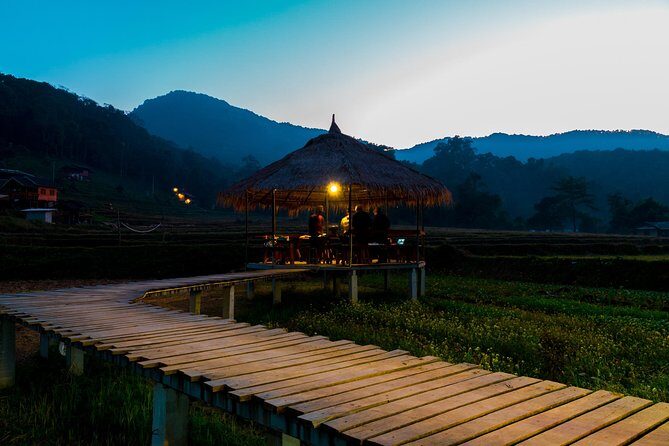
Day 6 moves you toward Mae Hong Son, one of the most scenic regions in northern Thailand. You’ll drive behind the wheel again, with stunning views and lots of stops to experience local life along the way.
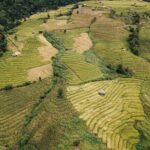
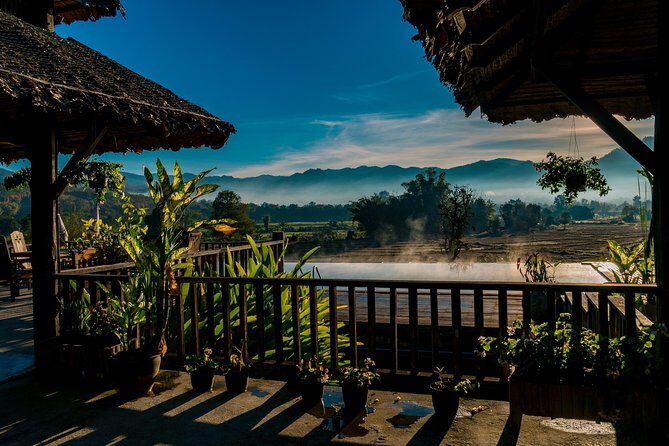
Your final destination is a rural resort nestled around rice paddies and forest. That setting is valuable because it makes the end of each driving day feel like arrival, not just another hotel night.
Day 7: Mae Hong Son at your pace
Day 7 is free for you to rest or explore Mae Hong Son.
This matters more than it sounds. Free time gives you room to:
- catch up on sleep after driving days
- revisit any spot you loved during earlier stops
- choose your own pace without feeling guilty
If you’re the type who wants a strict plan, you might feel less “guided” on this day. If you like control, you’ll appreciate the breathing room.
Day 8: drive to Pai and settle into mountain-town charm
Day 8 heads to Pai. This is another strong driving day with mountain roads and big scenery. After the drive, you can relax at the hotel pool.
Pai tends to feel more relaxed and social than the remote stretches earlier in the trip. It’s a good place for decompressing before your final full day there.
Day 9: explore Pai your way
Day 9 is another free day for Pai. You can relax and enjoy the views, or get out and about.
This second free day is smart because it gives you options depending on energy level and weather. If the roads were tough earlier, you can keep it light. If you want more walking and looking, you can build your own schedule.
Getting home: back roads to Mae Wang and a farewell dinner
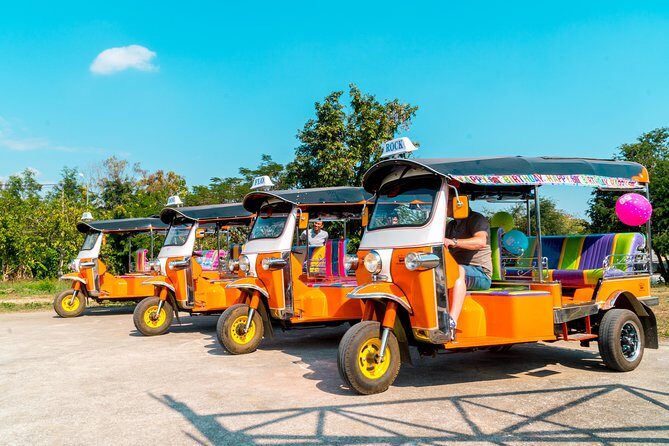
Day 10: rural back roads back to base camp
Day 10 returns you to the training base area at Mae Wang. The drive is described as a journey through amazing rural back roads, with a farewell dinner at the end.
This final driving day is often where you feel how the tour is structured for momentum. Early days build confidence. Later days give you more freedom to enjoy the ride instead of managing it.
Day 11: transfer back to Chiang Mai City
On Day 11, you transfer by minivan back to Chiang Mai city, arriving around late morning or midday. The tour ends back at the meeting point.
You should plan your onward travel accordingly. Midday arrival gives you enough room for a meal and last-minute shopping, but I’d avoid booking a tight international connection right at the same time.
Price and what you truly get for $2,148.21 per person
At $2,148.21 per person, this isn’t a budget tour. But it’s not random pricing either. You’re paying for a system that reduces your planning and keeps the days moving.
Here’s what’s covered:
- 10 nights twin-share accommodation across five locations
- National park fees
- Bottled water
- 10 breakfasts
- 3 lunches
- 5 dinners
- Local guides
- A support vehicle traveling with you
- Tuk-tuk training
What you’re not paying for:
- travel insurance
- activities not listed in the plan
- snacks and drinks beyond what’s included
So is it worth it? It tends to be worth it if you want:
- the independence of driving
- the structure of someone handling transportation logistics, park access, and routing
- the comfort of having a base each night (instead of constantly chasing rooms)
If you’d rather do things slowly without road effort, or you don’t have the documents for driving, the value shifts. In that case, you might compare with a guided van tour. This one is priced for the self-drive piece.
The guide factor: why the named team shows up in the results
A lot of adventure tours rely on the itinerary alone. This one leans on the guide team’s day-to-day presence. In the feedback I’ve seen, the guides are repeatedly highlighted for being friendly, fun, patient, and practical—people like Boyz, Yuth, Ou, Worn, Yaya, OA, Nahm, and Bigg show up as names you’ll remember.
One small but important detail: people talk about morning routines like having the tuk-tuks cleaned and fueled, with ice ready in the cooler. That kind of care adds up, because it turns your day into a smooth start instead of a scramble.
There’s also a sign of flexibility. One note mentions rerouting due to challenging weather. Mountain regions can shift fast, so you’ll want a tour that can adapt. That’s part of why the guide quality matters here.
Who this tour suits best (and who might want a different plan)
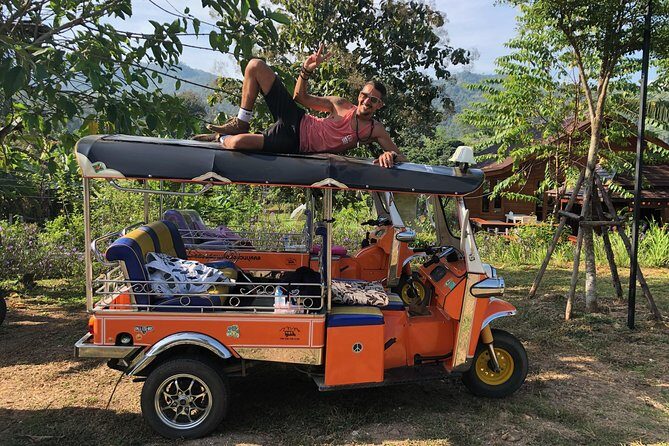
This is a great fit if you:
- want to drive and not just watch
- like mountain towns plus rural stops
- enjoy trekking days and don’t mind being outdoors
- prefer a small group atmosphere (max 15)
- want meals partially covered so you can focus on the ride
It might be a less perfect fit if you:
- hate winding roads or get carsick easily
- can’t get an IDP and license sorted before you go
- prefer fully scheduled days with no free time
- want every meal included and no planning at all (you’ll have some meals not covered)
If you fall in the middle, don’t panic. The trip includes both active and restful pacing: driving days, trekking/day hikes, and true downtime in Mae Hong Son and Pai.
Should you book the 11-day tuk-tuk adventure?
I’d book it if you want Northern Thailand to feel personal and physical in the best way: practice your driving, steer through mountain regions, see hill-tribe village areas, and still have time to breathe in Mae Hong Son and Pai.
I’d skip or swap if the self-drive requirement feels risky for your situation. The IDP and license rules are non-negotiable, and the road time is real. Also check your comfort with outdoors trekking around Doi Inthanon.
If you’re the type who likes travel with some grit, good guidance, and lots of “stop when you see something cool” freedom, this is the kind of trip that can stick with you long after the photos fade.
FAQ
Where does this tour start?
The tour starts at the Chiang Mai Gate Hotel in the Wua Lai Walking Street area, in Chiang Mai.
What time does the tour begin?
Start time is 10:00 am.
When and where does it end?
The tour ends back at the same meeting point in Chiang Mai, with a transfer by minivan arriving around late morning to midday on Day 11.
How many people are in the group?
The tour has a maximum of 15 travelers.
Do I need a license to drive the tuk-tuk?
Yes. A driving license and an International Driving Permit (IDP) are required to drive.
What are the age rules for driving and joining?
Minimum age is 18 to drive a tuk-tuk. Minimum age to travel on the tour is 7.
Are meals included?
Yes. The tour includes 10 breakfasts, 3 lunches, and 5 dinners, plus bottled water. Snacks or other drinks aren’t listed as included.
Is a vegetarian meal option available?
Yes. A vegetarian option is available if you advise at the time of booking.