REVIEW · CHIANG MAI
10 Day Motorcycle Tour (Amazing Thailand) from Chiang Mai
Book on Viator →Operated by Big Bike Tours · Bookable on Viator
Two wheels, three borders, and big mountain air. This 10-day loop is built around Thailand’s best riding days: high passes near Doi Inthanon, twisty backroads through Pai and Mae Hong Son, then down to the Golden Triangle and Chiang Rai’s White Temple area. It’s the kind of route where the road does half the sightseeing.
What I like most is the way you get real support without feeling “herded.” The English-speaking road captain (named Pong in multiple guest stories) rides lead on a motorcycle, with a support van for luggage and extra space on request, plus insurance that covers motorcycle liability and damage with a deductible. The second win is the built-in comfort: quality hotels with leisure facilities on 9 overnights, and a meals plan (9 breakfasts, 9 lunches, 9 dinners) that keeps you fueled instead of hunting for food after a long day.
One consideration: you’re typically on the bike about 7 hours each day, on narrow, winding roads. That’s awesome if you like to ride, but it’s not a chill “see everything in daylight” style of travel.
In This Review
- Key highlights I’d bet on
- Why this Chiang Mai motorcycle tour feels different
- Bikes, gear, and the real support system (this is where value hides)
- Entering the Doi Inthanon world: Mae Sariang and the highland start
- Pai and Mae Hong Son curves: WWII memories, early monk life, and Wat Phra That Doi Kong Mu
- Karen long-neck village, Doi Mae Salong tea country, and the Golden Triangle day
- Chiang Rai’s White Temple and the Nan reset: two totally different moods
- Phayao and Uttaradit: R1081 Bo Kluea, salt wells, and the Sirikit ferry crossing
- Sukhothai with fewer hours in the saddle and more time for old stones
- Heading back to Chiang Mai: Columnar Mountains (R101), Den Chai, and the end-of-trip rhythm
- Price and value: is $3,750 per person fair?
- Who should book this tour (and who should skip it)
- Practical tips before you go
- Should you book the Amazing Thailand Motorcycle Tour from Chiang Mai?
- FAQ
- How long is the Amazing Thailand Motorcycle Tour from Chiang Mai?
- Where does the tour start and when?
- What’s included with the motorcycle rental and riding?
- Is there an English-speaking guide or road captain?
- Are meals included?
- How big is the group?
Key highlights I’d bet on
- Big mountain roads, not just short scenic stops: expect long stretches of curvy highways and dream-roads style riding.
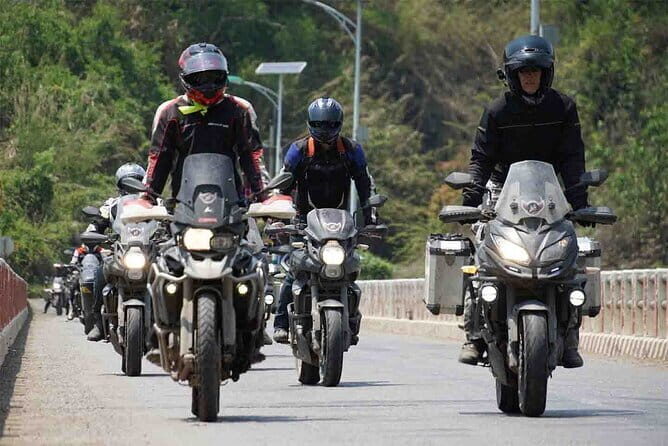
- Lead road captain plus a real support van: helpful when you’re taking your time, and reassuring if conditions turn wet.
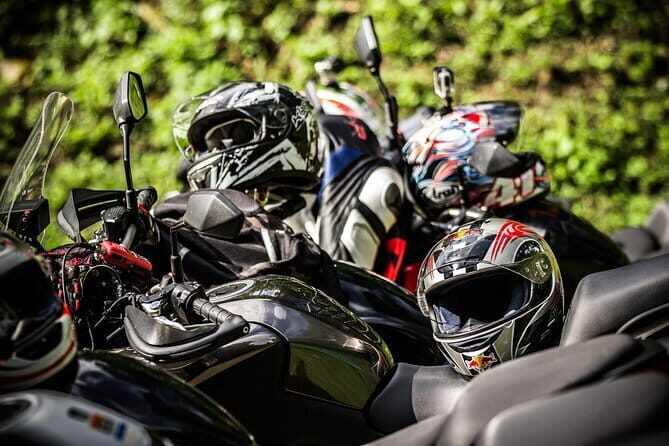
- Quality motorcycles and riding gear included: helmets, jackets, gloves, and knee guards take the hassle out of prep.
- Golden Triangle and Karen long-neck village stop: one day where culture and geography are the main event.
- White Temple at Wat Rong Khun: the famous “wow” temple you actually get time to enjoy.
- Rest day in Nan: a real break mid-trip, with an option to explore by bicycle.
Why this Chiang Mai motorcycle tour feels different
This isn’t the kind of ride that only checks off landmarks. The route is designed around Thailand’s “ride first, look second” days. One day you’re climbing and dropping along ridgelines; another day you’re threading through smaller roads where the corners arrive fast.
I also like that the itinerary mixes famous sights with off-the-radar stops. You’ll still get the headline moments—White Temple and UNESCO Sukhothai—but you also pass places like Mae Sariang, Uttaradit, and Phayao, where the pace feels less tourist-scripted. Even the names alone (R101, R1081, R1148) tell you the focus is on driving pleasure, not just bus travel.
And you’ll do it in a tight group. Maximum 10 travelers means you’re not stuck behind a giant slow moving train, and the captain can manage spacing more cleanly.
You can also read our reviews of more tours and experiences in Chiang Mai.

Bikes, gear, and the real support system (this is where value hides)
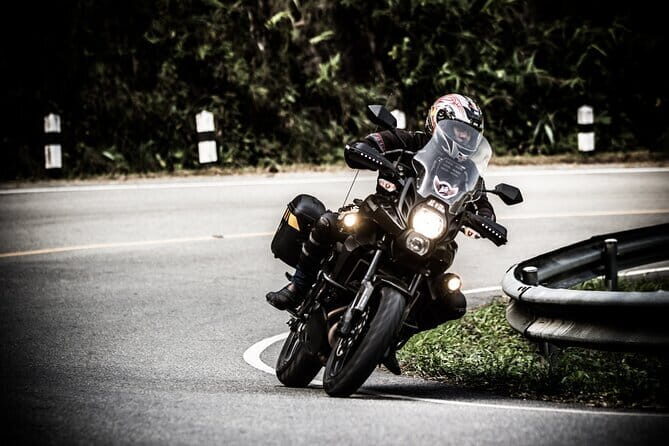
One reason this tour works well is that it’s set up for riders who want to focus on the ride, not logistics. You get motorcycle rental with unlimited mileage, plus riding gears included: helmets, jackets, gloves, and knee guards. That matters because Thailand heat and rain can turn “I’ll be fine” into a bad plan fast.
The tour also builds in backup. There’s a support van for luggage transport and extra room for a few guests if needed. That’s a subtle but huge comfort when you’re riding with camera gear, extra layers, and the kind of stuff you always forget until you’re on the bike.
On the safety/insurance side, you’re covered with:
- Third party liability insurance for the motorcycles.
- Motorcycle insurance with a deductible of up to $1,000 USD if there’s damage.
You should still ride smart—keep your lane discipline and don’t get pulled into someone else’s speed. But it’s nice to know the “what if” is handled.
Finally, the tour leadership comes from an English-speaking professional road captain with a TAT license. In guest feedback, the captain is often singled out—especially Pong—for being friendly, organized, and good at setting expectations on ride days. That’s the difference between a tour that feels fun and one that feels chaotic.
Entering the Doi Inthanon world: Mae Sariang and the highland start
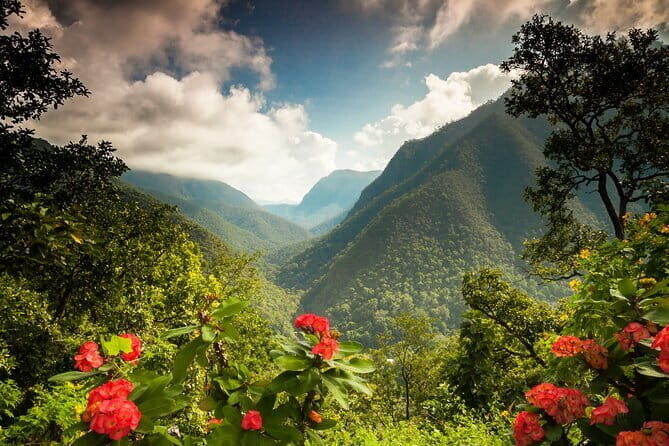
Day one sets the tone: you start from the Chiang Mai area, then push south toward Mae Sariang and Doi Inthanon National Park, the highest peak in Thailand. Even if you only get short stops, the elevation shift is the point. The air feels different, and the roads go from “travel roads” to “riding roads” as curves start to stack.
Expect a highway ride portion before the more winding mountain driving. The itinerary lists a full 7-hour day, and there’s a reason for that: you’re not meant to admire the view from the back of a bus. You’re meant to arrive with enough energy to enjoy the mountain scenery stops.
If you’re coming from sea level, I suggest planning for that first-day adjustment. Warm-up is real here. Give your body a bit of time, drink water early, and don’t assume day one pace is your maximum.
Pai and Mae Hong Son curves: WWII memories, early monk life, and Wat Phra That Doi Kong Mu

Days two and three are about riding narrow, twisty roads and getting the feeling of northern Thailand’s “valley rhythm.”
Day two includes a classic transition route toward Mae Hong Son, with a break in Khun Yuam to visit a World War II museum. Then you hit Wat Phra That Doi Kong Mu, known as the first temple of Mae Hong Son. Even if temples aren’t your main reason to ride, temple viewpoints in this region are often about the panorama, not only the building.
Day three starts earlier than most trips. You get a chance to offer food to monks along the streets during Pai’s local market time. That’s one of those moments that doesn’t require big energy—just attention.
Later on day three, you visit the Pai World War II Memorial Bridge, then ride onward through the Mae Ai area before reaching the next big step in the journey. The itinerary again indicates roughly 7 hours of riding day, so you’ll feel the “full days on the bike” style even while the stops stay interesting.
One practical note: these roads can be narrow and busy depending on the hour. If you like to ride fast, do it only when the captain’s spacing and visibility allow. If you ride calmly, you’ll still have plenty of fun—these roads reward smooth lines.
Karen long-neck village, Doi Mae Salong tea country, and the Golden Triangle day
This is one of the most distinctive days on the whole route because you cross from pure riding into a strong “place-based” itinerary.
The day starts with Tha Ton, then heads toward a long-neck Karen tribe village near the border area of Thailand and Myanmar. After that, you continue to Doi Mae Salong, where Chinese mountain tea farmers live. The plan includes admission for this stop, and the vibe here is more about culture and everyday landscapes than about speed.
Then comes the Golden Triangle area—where Thailand, Laos, and Myanmar meet. The “three-country meeting point” idea sounds neat on paper. On the road, it becomes something else: a geography lesson you experience while looking at how hills, borders, and roads force history to happen in certain places.
As always, keep your expectations grounded. These border regions can feel touristy in pockets, and they can also feel remote depending on time of day. The best move is to show up with curiosity, keep your pace flexible, and let the scenery—not a checklist—decide what you remember most.


Chiang Rai’s White Temple and the Nan reset: two totally different moods

After the Golden Triangle day, the trip points you toward the Chiang Rai area via Nan. One key ride included in the overall tour plan is R1148 from the Nan area, rated among the most fun biking roads found anywhere. That kind of road reputation matters because it usually means frequent sweepers, clean sight lines at the right moments, and a rhythm that keeps you awake.
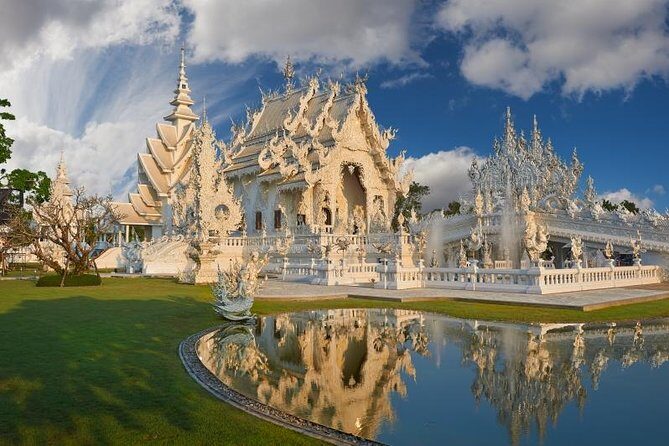
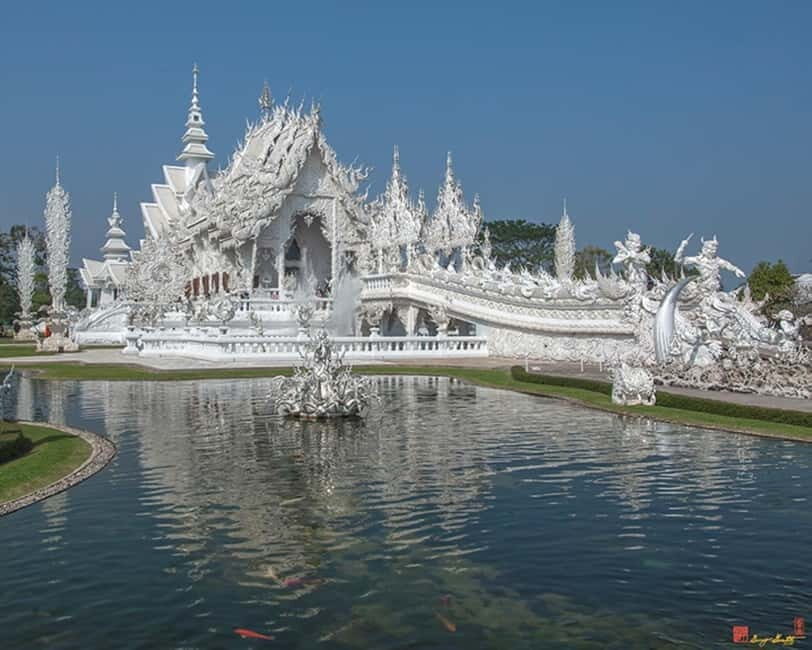
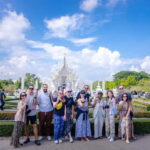
Day five includes riding onward to Chiang Rai city, then visiting Wat Rong Khun, also known as the White Temple. This is one of Thailand’s most famous temple artworks, and it lives up to the hype by being visually intense—plus it’s a great contrast after days of villages and mountain air.
You’ll also have lunch served at a local restaurant during the day, with the tour covering meal basics across 9 lunches total for the trip.
Then comes day six: a day of leisure in Nan. This is the kind of break I wish more riding tours would build in. You can relax by the pool or shop around town, and the tour also offers an option to explore unseen Nan by bicycle. Laundry service is listed too, which is underrated. After several days of riding gear, clean socks feel like a luxury item.
If you’re the type who’s tempted to keep riding just because you’re there, the Nan day is your reality check. Use it to reset your legs and pack energy for the final third of the ride.
Phayao and Uttaradit: R1081 Bo Kluea, salt wells, and the Sirikit ferry crossing
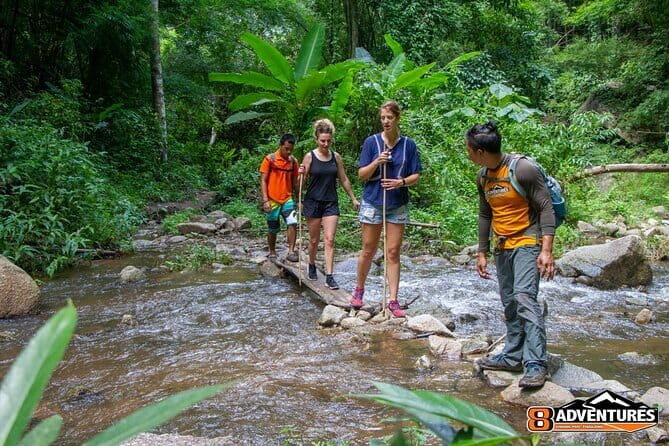
Day seven takes you from Nan toward Phayao with a highlight riding route: R1081, known locally as the motorcycle paradise road through Bo Kluea. The day also includes a visit to Bo Kluea salt wells.
This part of the route gives you that satisfying “different scenery every 30 minutes” feeling. One stretch is farming and ridgelines, another is the kind of road where you can settle into a steady pace. And because the trip keeps the daily riding time near that 7-hour mark, you get movement without feeling like you’re only riding in transit.
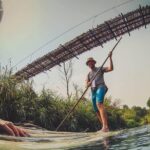
The broader tour plan also mentions riding along panoramic views of the Laos–Thailand border on dream roads, and crossing the Sirikit dam reservoir on a wooden ferry. Those details matter because they break up the hours of road with a sensory change—water, light reflections, and a moment to stand up and breathe.
Day eight then moves you toward Uttaradit, with riding first along the main highway before switching to back roads via Mae Yom National Park. The itinerary describes “fantastic motorcycle dream roads” and big views. Again, it’s the kind of day where you shouldn’t plan to do much sightseeing beyond the scheduled stops, because the ride itself is the attraction.
Sukhothai with fewer hours in the saddle and more time for old stones

Day nine brings you to the Sukhothai Historical Park, a UNESCO World Heritage site. The ride is shorter than the heavy travel days—described as a short day of riding that gives time to discover one of Thailand’s highlights.
This is where the itinerary smartly balances the earlier intensity. After days of corners and mountain air, Sukhothai is about slowing down. You can focus on walking and looking, rather than checking your mirror for the next curve.
The day also mentions passing through massive rice fields on the approach. That’s a nice reset: open space instead of tight mountain turns.
If you only do the sightseeing quickly, you’ll miss what makes Sukhothai special. I’d plan for simple time: step away from the main paths when you can, and give your eyes a chance to adjust to the scale of the ruins.
Heading back to Chiang Mai: Columnar Mountains (R101), Den Chai, and the end-of-trip rhythm
Day ten closes the loop. You leave Sukhothai area and ride via R101, also described as the “Columnar Mountains” road toward Den Chai. There’s a stop to visit a large reclining Buddha, then you continue on winding mountainous roads toward Lampang and back toward Chiang Mai.
The mood on the final day is usually a mix: you’re excited to end, but you don’t want it to stop. That’s why the best mindset is to ride like you’re still on day one—because even if you’ve learned the route style, the last curves can still surprise you.
As for logistics at the end, the tour returns you to the meeting point area in Chiang Mai.
Price and value: is $3,750 per person fair?
Let’s talk money, because $3,750 isn’t small. Here’s why it can still feel like good value.
You’re paying for:
- Motorcycle rental with unlimited mileage.
- Riding gear included (helmets, jackets, gloves, knee guards).
- An English-speaking road captain leading the ride.
- Support van for luggage and backup.
- Motorcycle insurance (including third party liability) plus damage coverage with a deductible up to $1,000 USD.
- Pick up from Chiang Mai Airport.
- Quality hotels with leisure facilities for 9 overnights.
- Food coverage across 9 breakfasts, 9 lunches, 9 dinners.
When you add up bike rental, guide time, insurance, and the hotel-and-meals package, you’re not just buying the roads—you’re buying the whole operating system. That’s the part many DIY rides struggle to match.
The other value is time. Ten days means you’re not spending weeks “figuring it out.” You ride the highlights while still getting breaks like the Nan day.
Where you might question value is if you only want one or two major sights and don’t care about riding. In that case, you’d likely spend less money with fewer road days and more hotel time. But if you’re a rider who wants real mountain roads, the pricing starts to make sense quickly.
Who should book this tour (and who should skip it)
This tour is best for you if:
- You want long, satisfying days on a motorcycle.
- You like organized support and don’t want to plan fuel, route changes, and parking every day.
- You’re comfortable riding about 7 hours daily for most days.
You might skip it if:
- You hate long riding days and prefer short drives with lots of independent walking.
- You want total control of the pace. Even with rider-friendly pacing, it’s still a group tour, and the captain manages timing.
It also helps if you’re okay riding through different weather. One guest story mentioned getting a lot of rain, and the bikes were set up with good tires. That’s what you want to hear on a northern Thailand route.
Practical tips before you go
A few smart moves can make your trip smoother:
- Pack a light rain layer and something that blocks wind. Mountain weather can shift fast.
- Bring a small day bag. Even with luggage handled by the support van, you’ll want quick access to phone, charger, and a snack.
- If you’re new to group riding, ask the captain on day one how they handle overtakes and spacing. Then follow it without arguing mid-ride.
- Use the Nan leisure day to reset. Clean laundry plus downtime helps you enjoy the last third more.
And one gentle reminder: this route is fun, but safety still comes first. If something feels off—pace, lane choices, or communication—flag it early rather than forcing it.
Should you book the Amazing Thailand Motorcycle Tour from Chiang Mai?
If you’re choosing between “sightseeing trip” and “riding trip,” book this one if your heart leans toward riding. The blend of highland roads, a Golden Triangle culture day, Chiang Rai’s White Temple, and a UNESCO stop in Sukhothai hits a rare mix: famous sights plus actual motorcycling focus.
I’d only hesitate if long daily riding is your deal-breaker or if you want a fully independent itinerary. Otherwise, the package value—bike + gear + support + hotels + meals—makes it easier to enjoy the ride without constantly solving logistics.
If you do book, go in with the right mindset: steady, alert, and curious. Then you’ll get the best version of northern Thailand on two wheels.
FAQ
How long is the Amazing Thailand Motorcycle Tour from Chiang Mai?
It’s a 10-day tour (about 10 days).
Where does the tour start and when?
It starts at Big Bike Tours, 134 Ragang Rd, Tambon Chang Khlan, Amphoe Mueang Chiang Mai, with a start time of 8:30 am. Pick-up from Chiang Mai Airport is included.
What’s included with the motorcycle rental and riding?
You get motorcycle rental with unlimited mileage, plus riding gears including helmets, jackets, gloves, and knee guards.
Is there an English-speaking guide or road captain?
Yes. The tour includes an English-speaking professional road captain with a TAT license who leads the group on a motorcycle.
Are meals included?
Yes. The tour includes breakfast (9), lunch (9), and dinner (9), plus water and soft drinks and coffee/tea in connection with meals.
How big is the group?
The tour has a maximum of 10 travelers.